Tag Archives: film

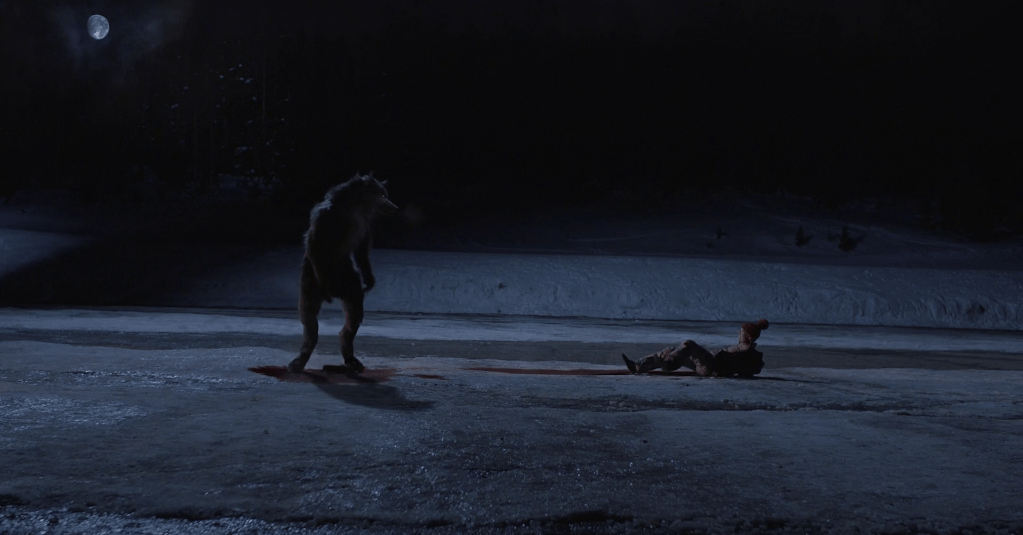
My Thoughts on: The Wolf of Snow Hollow (2020)

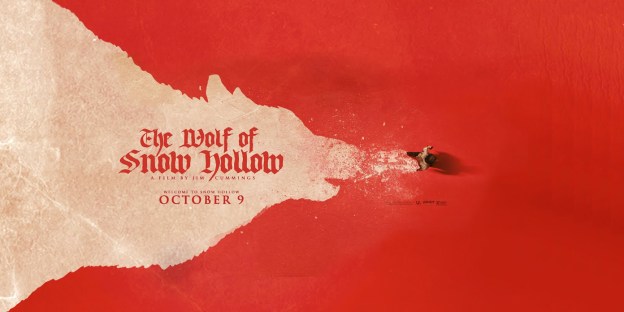
It is confession time: I was, at one time, fully prepared to pass The Wolf of Snow Hollow by without so much as a second glance. But then…I received the opportunity to check out the soundtrack (an opportunity I will rarely pass up) and what I heard sounded so spectacular that…I decided on the spot I would need to check this film out. It didn’t hurt that this was apparently a movie about werewolves (I liked werewolf stories before it was cool).

As it turns out, it’s a good thing I waited so long after watching the film to put my thoughts together because after the credits rolled I wasn’t quite sure what to think about what I’d just seen. With some time to think though, I think I can safely say that The Wolf of Snow Hollow is an amazing film, and not at all what I was expecting.

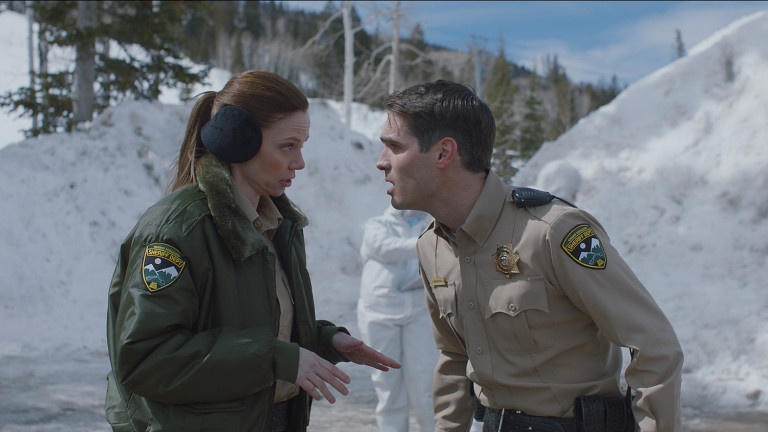
Let me forewarn you, if you haven’t already heard: if you go in to The Wolf of Snow Hollow expecting anything resembling a traditional werewolf story…you are in for a disappointment. This is not, as I’d thought, a traditional werewolf story, but rather a deconstruction of one. Jim Cummings (who wrote, directed, AND starred in this film by the way) has taken a number of traditional story elements about werewolves and moved them around in completely unexpected ways. This includes the reveal of the titular “wolf”, the execution of which initially confused me, but the more I thought about it, the more I realized it perfectly fit into the deconstruction of the werewolf trope.

The one element I still can’t quite wrap my head around is how The Wolf of Snow Hollow combines comedy and drama. There is some severe mood whiplash taking place throughout this story. On the one hand, I get why this is given what the main character is going through (which is actually quite a lot). On the other hand…it’s a LOT to process, and I found it hard to concentrate sometimes because I wasn’t sure if I should be laughing or cringing in terror. And speaking of terror, there are some SHOCKING moments in this film. The gore, while startling, was not unexpected given the subject material, but what really got me was that the “infant immortality” story trope was averted (that’s the moment that made me realize things were going to a whole different level).

I was, however, pleased to see that the music fits into the overall film just as well as I thought it would. Whatever issues I have with some of the story elements is easily glossed over whenever the music kicks into high gear. (For more of my thoughts on the soundtrack, check out the link to my soundtrack review below).

While uneven in places, The Wolf of Snow Hollow is a lot of fun to watch. I don’t think I’ll ever look at werewolf stories in the same way ever again.

Let me know what you think about The Wolf of Snow Hollow in the comments below and have a great day!

See also:

Soundtrack Review: The Wolf of Snow Hollow (2020)

Soundtrack News: ‘The Wolf of Snow Hollow’ Soundtrack Available Now

Film Reviews

Become a Patron of the blog at patreon.com/musicgamer460

Check out the YouTube channel (and consider hitting the subscribe button)

Don’t forget to like Film Music Central on Facebook 

My Thoughts on: Soul (2020)

When Soul was bumped from its November 20th release date to Christmas Day on Disney+, I instantly knew what my top goal for my mini-Christmas vacation would be: sit and watch Soul with my family.

Not only was I successful with this goal, I also ended up watching a pretty enjoyable movie, though not one without a few flaws (I’ll get to that later). In fact, it was so much fun I didn’t realize until after the credits had rolled that (minor spoiler alert) there isn’t really a villain in this film. Which, if you think about it, doesn’t happen all that often. But really Soul doesn’t need a bad guy because it is dealing with a whole lot already.

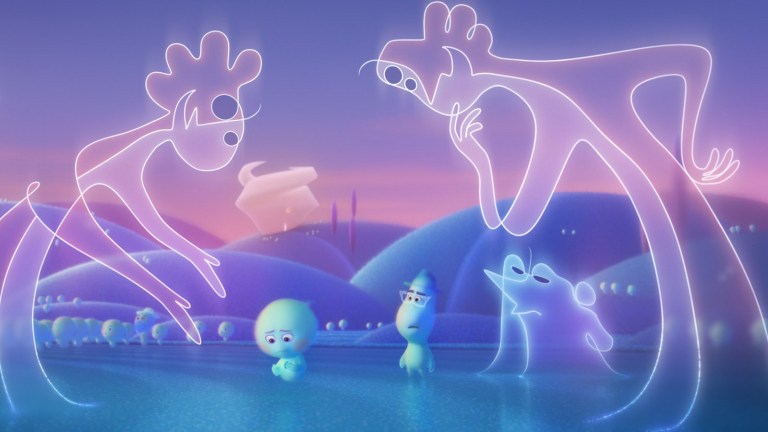
Soul is, without a doubt, the deepest animated film I’ve ever seen. Think Inside Out and ratchet it up by a factor of 100 and you’ll be pretty close to the mark. In fact, Soul is so deep, that I wholeheartedly agree with every critic who has said that Soul is not and should not be considered a movie for children. This film deals pretty openly with matters of life and death, hinted reincarnation, chakras, the astral plane, the afterlife in general, and in short what it means to be alive on this Earth. It was a bold, BOLD move to deal with all of these concepts in a single film so openly and I applaud everyone involved with the film for putting that part of the story together. You might not agree with all of the beliefs presented or referenced in Soul (for example, I don’t believe in reincarnation), but you can easily appreciate the tone the film is going for: that there is way more to life and living than you might think.

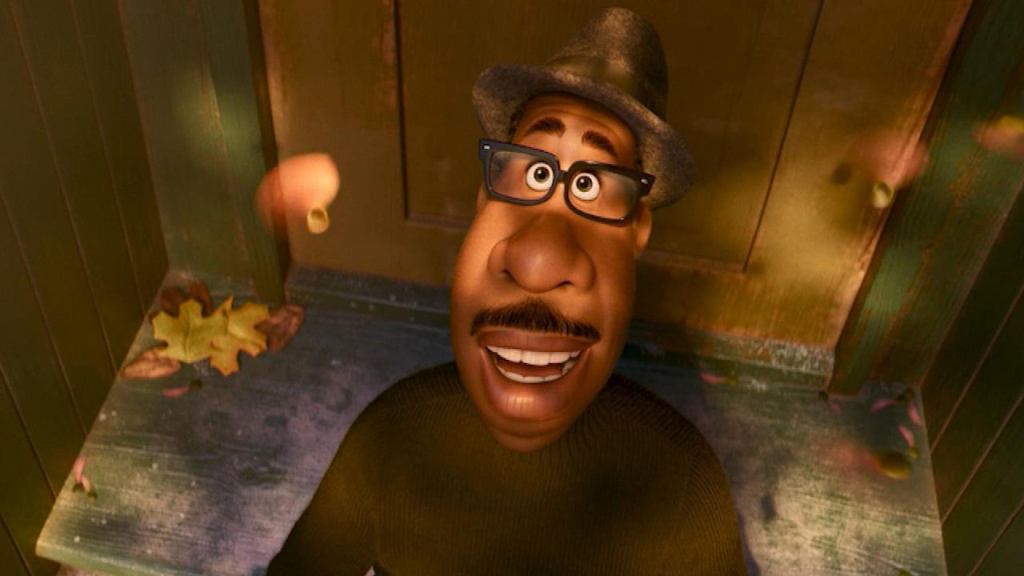
Jamie Foxx as Joe Gardner is an absolute delight. As a musician myself, I could totally feel the pull Joe is feeling between following his dreams of being a full time musician, and taking the pragmatic route by being a band teacher. Joe is the perfect kind of everyman to take us through the story, and the scenes where Joe loses himself in “the zone” while playing the piano….those moments spoke to me the most.

Tina Fey as 22….it took a while but she grew on me as the story went on. By the time the film reaches the emotional climax (and it IS emotional), I was fully invested in what happened to 22.

Also, I have to say I LOVE all of the music scenes in this film. It’s great to see jazz given such a prominent spotlight in a Disney Pixar film, and I really hope this encourages everyone watching, young and old, to give jazz another listen if they’ve dismissed the genre in the past.

Now, while I loved a LOT about Soul, it is not a film without flaws. Most noticeably…the middle of the film. I tried and tried to get around it, but I can’t excuse the middle act of the film. I had a feeling from the previews that something of a “screwball” nature would be occurring, but I was not prepared for what actually happened. Here’s the thing: this gag they go with (minor spoiler alert: when Joe’s soul is trapped in a cat’s body) is kind of funny, but it doesn’t quite fit what comes before and after. It’s almost like the writers struggled with how to transition from the beginning to the climax of the film and this was the best they could come up with. In other words, this part feels like it came from a slightly different film.

The good news is, while the middle of the film lags here and there, it more than recovers at the climax to leave me feeling very satisfied with the overall experience. I know there’s a lot of discussion about Joe spending a significant chunk of the film looking….other than himself, but really jazz and African-American culture is given such a spotlight…..pardon me if this sounds too forward, but I feel like it sort of balances out in the end.

I highly recommend Soul to anyone who hasn’t gotten the chance to see it yet. It’s one of the best films I’ve seen this year (and in the craziness that has been 2020 that’s saying a lot).

Let me know what you think about Soul in the comments below and have a great day!

See also:

 Animated Film Reviews

Become a patron of the blog at: patreon.com/musicgamer460

Check out the YouTube channel (and consider hitting the subscribe button)

Don’t forget to like Film Music Central on Facebook 

My Thoughts on: Mulan (2020)

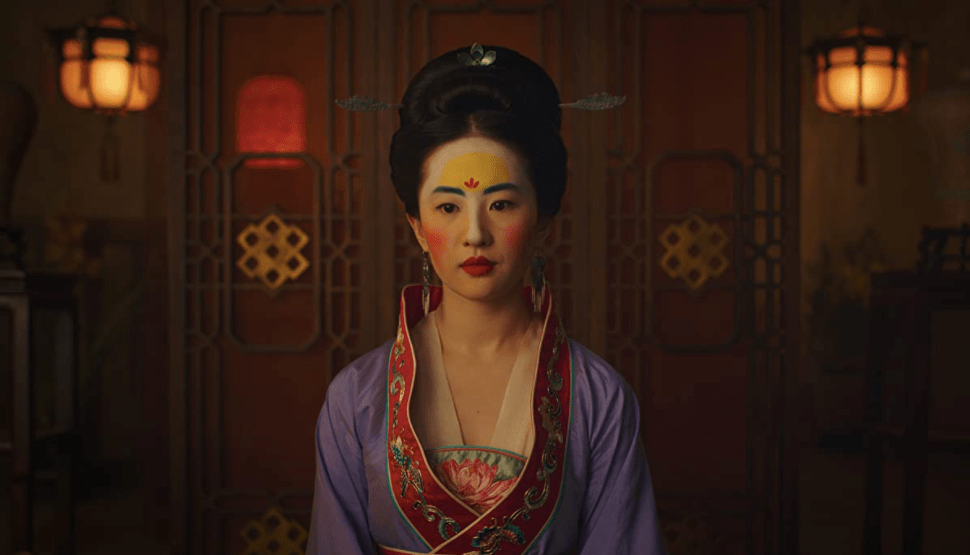
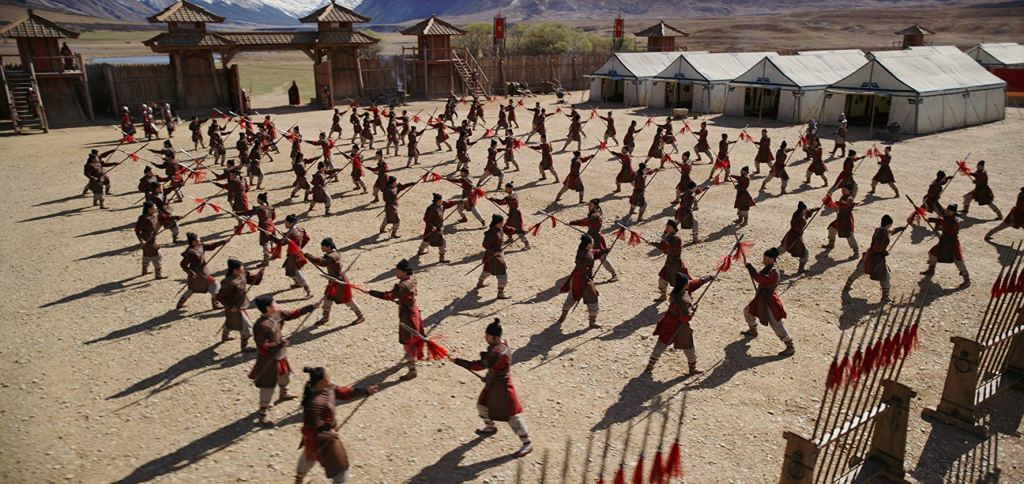
After waiting 9 additional months (thanks COVID), I have finally seen Disney’s reimagined Mulan while visiting home for Christmas and I’m pleased to report I liked it just as much as I thought I would.

It’s no secret that I have extremely mixed emotions where the live-action Disney remakes are concerned (the fact that most of them are inferior to the original doesn’t help). But from the moment I saw the first teaser, Mulan felt different. It felt to me like Disney had finally hit the right balance of new and old, such as I hadn’t seen since Maleficent in 2014 (despite the title that is very much a remake of Sleeping Beauty and you all know it). My curiosity was definitely piqued by the film appearing to draw on traditional Chinese martial arts films (wuxia is awesome), so I was super excited to finally check the film out with my mom like we’d always planned.

In case you didn’t know, this new Mulan is really, really good. As with any other Disney remake, there are story beats that come directly from the animated original, but they’re switched up just enough in this film that they’re actually an improvement. One of my favorite details is that the songs of Mulan (one of my favorite sets of songs in the Disney renaissance), make a subdued comeback in the form of spoken dialogue. I absolutely loved this, it was great to hear mentions of “I’ll Make a Man Out of You” and “A Girl Worth Fighting For.” Hopefully the many Disney fans upset (like me) about Mulan not being a musical were appeased by this, I know I was.

But my favorite part of this film has to be the witch. This is not something I thought I would say a year ago. When it was announced that a witch was being added to the story, I thought it was a stupid idea, but that was before I realized that this wasn’t your stereotypical witch. The witch in Mulan is cool! In fact, she’s so interesting, I would almost demand that Disney make a prequel about how the witch got to be who she is, I can tell there’s a huge story there. Of course she’s designed to be a foil to Mulan, showing what our heroine might become if pushed down the wrong path, and I really liked the obvious similarities between the pair.

Another thing I liked? Jason Scott Lee as Bori Khan. He is a huge improvement over the animated villain Shan Yu, as we now have a much more defined reason for why Bori Khan wants to kill the Emperor. Also, I wanted to mention him because Jason Scott Lee also played Mowgli in Disney’s FIRST live action remake of The Jungle Book in 1994, and I thought it was really cool to see him in a Disney movie again.

Also, while I’m still upset that Li Shang is absent from this film, I AM okay with how Disney kept in a potential love interest for Mulan anyway. I say potential because nothing has officially happened by the time the credits roll, but it’s more than obvious that a sequel is being set up, and I would be more than happy to watch one.

One final note: the scene were Mulan finally embraces the truth of her identity as a female warrior is so powerful, it made me cry. Those are the kind of moments I live for in movies, and Disney hit the nail on the head with this one.

Mulan is definitely one of the best Disney live-action remakes the studio has made to date and I would be more than happy to see Mulan’s story continue in a future film.

Let me know what you think about Mulan in the comments below and have a great day!

See also:

Film Reviews

Become a Patron of the blog at patreon.com/musicgamer460

Check out the YouTube channel (and consider hitting the subscribe button)

Don’t forget to like Film Music Central on Facebook

My Thoughts on: The Mummy (1932)

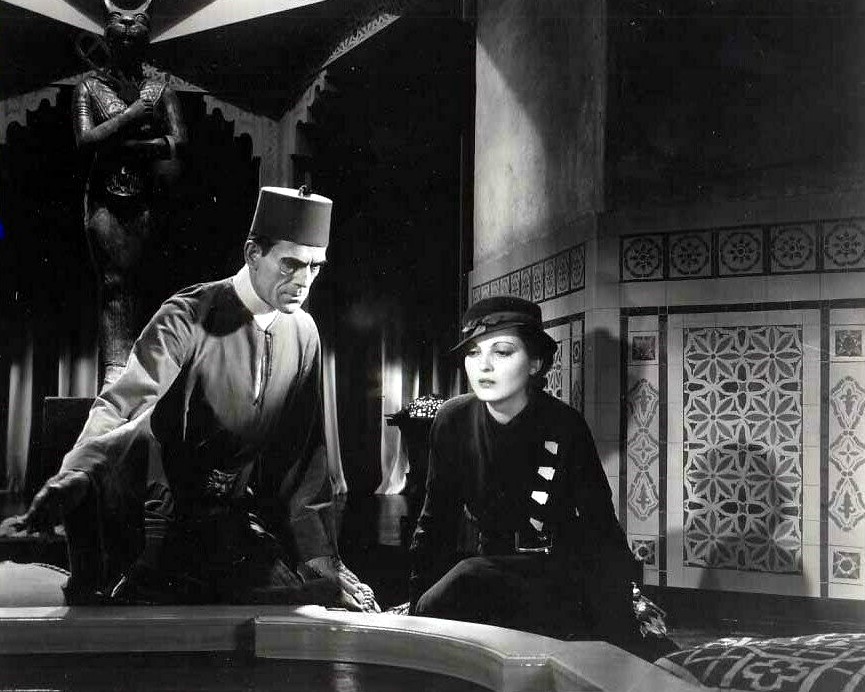
Having made my way through most of the Frankenstein films, I decided to take a detour into a film series I hitherto knew very little about: the Mummy! Oh sure, I’m very well acquainted with The Mummy (1999) and its sequel (I don’t acknowledge the existence of Tomb of the Dragon Emperor), but until this past month I’d never seen the film that started it all, the 1932 film starring Boris Karloff as the titular Mummy.

First I have to say that every assumption I had about this movie turned out to be wrong. This is NOT one of those movies that has the Mummy shambling through the countryside wreaking havoc as he goes (that’s all of the sequels), and really the film only bears the loosest of resemblances to the 1999 remake. But speaking of, I was surprised at how identical the core premises of each film are. In this film, as in the remake, Imhotep is a high priest cursed to be mummified alive for attempting to revive his love from the dead. Here it’s the Scroll of Thoth that gives the Mummy his power instead of the Book of the Dead (no Book of Amun-Ra in sight either), but otherwise it’s the same basic principle.

My initial disappointment at not seeing more of Karloff in his Mummy bandages was quickly melted away when I saw his performance for the bulk of the film as Ardeth Bey (bet that name sounds familiar if you’ve seen the 1999 film). Even if you weren’t paying attention at the beginning, the film leaves no doubt to the viewer that Ardeth Bey is the rejuvenated Mummy. His walk is unnaturally stiff, and he speaks very slowly and carefully, as if used to speaking a language very different form those found in the modern world. I’m beginning to understand why Karloff was so acclaimed. You’d never think that just a year before Karloff had played Frankenstein’s monster. He completely embodies the Mummy with no hint of that other role, and that’s not something all actors can do.

Now on to something I found really cool. Inevitably, the film flashed back to how the Mummy came to be. It only took a few minutes for me to realize that this entire flashback to Ancient Egypt is essentially a silent film, exaggerated acting and all, spliced into the middle of a sound film.This blew my mind until I considered that The Mummy was made in 1932, silent films had been made on a fairly regular basis until just a few years prior. It wouldn’t have been that hard to put together, and it was a fairly ingenious way to make it clear that we are in the past (by using a now-outdated filming style). And that flashback is the most consistent with the 1999 remake: Imhotep steals the Scroll of Thoth to resurrect Anck-su-namum but is caught before he can finish. That’s pretty much beat for beat how the prologue of the remake plays out (minus the Pharaoh being murdered, that doesn’t happen in this one).

I really like Zita Johann as Helen/Anck-su-namum. I was fascinated to learn that Zita was a firm believer in reincarnation, which I think really helped her performance as the ramifications of reincarnation are hinted at here. See, at one point it’s hinted that Helen and Anck-su-namun are both inhabiting the same body, and feeling very confused about it. You really feel for Helen’s suffering, as she clearly doesn’t understand what’s happening to her. You also, believe it or not, feel for Anck-su-namun once she awaken’s in Helen’s body. Here’s an ancient priestess briefly living in the 20th century, and handling it pretty well if I’m honest (though being surrounded by ancient Egyptian relics int he museum probably helped). I loved how ancient magic came into play at the climax of the film. The idea that these ancient spells can still work if only the right words are spoken fascinates me.

Also, I have to talk about how amazing the Mummy makeup is. I’m referring to the Mummy as he’s seen lying in his coffin at the start of the film. In black and white, it looks for all the world like a desiccated Mummy, perfectly preserved. But then…the magic words are spoken….and the Mummy’s eyes blink open! That’s the moment that sticks with me the most out of this whole film, seeing those living eyes open in the middle of an otherwise dead face. Now THAT is horror, something that sends a chill down your spine no matter how old the film is. Also, the moment at the end when Imhotep turns into dust is very well done. I’m a little sad that Imhotep didn’t get some final words, but I understand why they didn’t go that route. Since the Scroll of Thoth is all that was keeping him alive, I can see that its destruction would ensure his immediate demise.

One last thought: I’m glad The Mummy was made pre-Code because otherwise those scenes with Anck-su-namun in her quite revealing Egyptian outfit would never have happened (and I shudder to think what might’ve appeared in its place). It’s still wild to me that such things were considered improper, why Helen looks almost modern in that outfit (yes I know, it was a different time, I just can’t help commenting on it).

The Mummy (1932) has quickly become one of my favorite horror films, and I highly recommend it to anyone who wants to experience a horror classic. Just for fun, follow up a watching of this film with the 1999 remake (it’s a fun experience I promise!)

Let me know what you think about The Mummy (1932) in the comments below and have a great day!

See also:

Film Reviews

Become a Patron of the blog at patreon.com/musicgamer460

Check out the YouTube channel (and consider hitting the subscribe button)

Don’t forget to like Film Music Central on Facebook

The Music of Snow Hollow: Talking with Composer Ben Lovett about ‘The Wolf of Snow Hollow’ (2020)

After getting to check out the soundtrack for The Wolf of Snow Hollow, I knew I had to speak with composer Ben Lovett about his work on this soundtrack. Fortunately for me, the moment came and I took it! It was so exciting to get to ask Ben Lovett about his work on this score and I can’t thank him enough for taking the time to answer my questions about the music for The Wolf of Snow Hollow.

Ben Lovett is an American recording artist, songwriter and composer known for crafting unconventional scores to a diverse range of films including the Netflix original The Ritual, Independent Spirit Award nominee The Signal, the Duplass Brothers’ survival thriller Black Rock, Amy Seimetz’s award-winning noir Sun Don’t Shine, Emma Tammi’s avant-garde western The Wind, and the time travel sci-fi noir Synchronicity which earned Ben a nomination for “Discovery of the Year” at the prestigious World Soundtrack Awards. Lovett’s latest work includes scores for the Hulu series Into the Dark, the colorful taxidermy documentary Stuffed, Orion Pictures tragicomedy The Wolf of Snow Hollow from director Jim Cummings, and a new collaboration with Ritual director David Bruckner on the Searchlight Pictures thriller, The Night House.

How did you get started with being a film composer?

I was tricked.  Someone convinced me I could do it even though I tried to argue otherwise.  Or more specifically, they convinced me I had no good reason not to try, and of course they were right.  That was in college at the University of Georgia in the late 90’s and I’ve been doing it ever since.

How did you get connected with The Wolf of Snow Hollow?

The producers at Vanishing Angle reached out early in post production. I scored “American Folk” for them a few years back and had a good rapport there. Jim is part of a great community of filmmakers that all share an orbit with Vanishing Angle and he was familiar with some of the scores I’d done. I watched “Thunder Road” and absolutely loved it. I knew after about the first 10 minutes that I had to be part of whatever he was doing next.

I saw in the PR announcing the release of the soundtrack, that you said that you and the director talked together and some big names came up, like Herrmann and Prokofiev, in regards to the music. How big an influence did they play in the film’s score? What other names came up in the discussion that ended up having an influence on the score?

When I came onboard Jim sent me a YouTube clip of a 75 piece orchestra performing Prokofiev’s “Romeo & Juliet” and said “The score needs to be like this!” The budget was very modest and there wasn’t a lot of time so as reference points go that one was exciting and hilarious and terrifying all at once. Jim was super enthusiastic about the score though and I could tell he wasn’t afraid to swing big. He referenced Jon Brion’s score to “Magnolia”, and the Jerry Goldsmith score for “The Burbs” as spiritual reference points as well. So I dove in with this sort of Mt Rushmore of influences in the background and tried to just channel the spirit of all that into some kind of hybrid, low budget, horror comedy appropriate, musical jambalaya.

More specifically, how big an influence did Bernard Herrmann’s music have? I swear I can hear parts resembling Psycho (1960), especially in “Third Crime Scene.” Are there direct musical homages in there? If so, was that a thing decided on from the beginning or did it just evolve as the scoring process continued?

That evolved along the way. It was more a sense of feeling like that was a common language where all those other references crossed paths. There weren’t direct homages or specific Herrmann scores I was referencing, it was more channelling the spirit of his style as a general point of inspiration. There’s something very signature in the way his scores operate melodically, and some intangible quality about the nature of their relationship to the picture and how his music informs the overall aesthetic of those films.

“Third Crime Scene” is kind of a thought experiment of me going, “What if Bernard Herrmann had scored “Peter & the Wolf’? I was never afraid of landing anywhere in the vicinity of his talent so it felt like a safe exercise to swing for something with a similar mentality, or whatever I’d interpreted that to mean. I didn’t get too academic about it, it just seemed like a fun sandbox to play in and one that seemed appropriate for this film.

How did you approach scoring The Wolf of Snow Hollow? Did you have a lot of time to work on the music?

Definitely not. I’m not sure I’d know what to do with a lot of time, does that exist? It was a small window from start to finish, very much your classic race the clock, down to the write, 11th hour, head first slide into home plate kind of finish. But that’s also the job, honestly, so I’m no stranger to that.

In terms of the approach, I knew I would have a limited number of crayons to draw with so I made a decision to just pick just the boldest flavor of each color that I needed. I guess that’s where the Herrmann thing comes in – I wasn’t going to have a lot of instruments so I needed to make sure the parts could carry a lot of water for us. It was figuring out how to pack big ideas into small packages, in that sense. How to deliver on the ambition of the director within the logistical limitations of the schedule and budget. I felt like the film had the capacity to hold something pretty audacious, it’s just something in how Jim directs movies. The score needed a distinct musical personality that could address the horrible reality of the things going on in this town, but specifically in how they’re related to this manic central character trying to put a stop to them – to find both the comedy and humanity in his struggle, because that’s really where the movie takes place thematically.

On a related note, are there leitmotifs in the score or did you approach it another way?

There are certainly some thematic, recurring melodies and variations in there that map out the arc of the main character, but we weren’t too dogmatic about those always accompanying specific situations or thematic moments. You routinely have characters in the film that are introduced then promptly killed off, so it became more about the recurrence of certain instruments and sounds than melodies, and what those sounds might represent to the viewer. Because I was working to locked picture with a new director and very much doing both at full sprint, sometimes the process influences decisions as much as any sort of creative intention. You’re trying to do your best to help make the movie as good as you can, while you can, with what you have.

Do you have a favorite track in the score?

Nah. Once they’re done you love em all, because you no longer have to feed them and change their diaper and they’re not keeping you up all night. I don’t have kids so I don’t know if that analogy works but, it’s sorta like that I imagine. Once they’re grown and leave home you forgive them for all they put you through. Maybe that’s where the analogy breaks down, I don’t know. More to your point, I think I’m more likely to listen back to ones that either took an unexpected turn along the way or endured some interesting metamorphosis by way of film scoring being a naturally collaborative process. Generally the ones that are the hardest to nail are usually my favorites in the end. I think the progression of the three crime scenes is a pretty fun journey. If you play those in a row you really get a sense of the variety of ground we needed to cover. “Detectives” and “Returning Evidence” maybe best capture the overall spirit and intention of the score, and are both thematic pieces that contain recurring elements.

What do you hope listeners notice when they listen to this music?

Well I always hope the album provides the means to re-experience the story in a way that reveals another level to what you might have enjoyed or experienced in the film. I feel like there are elements of any story that only music can describe, or that it best describes, in some strange innate way that we experience things as humans. Once you have a reference point for the characters and the story, my hope is that people can throw on the album and revisit Snow Hollow and uncover some new clues about what was going on there the whole time.

Again, I’d like to thank Ben Lovett for taking the time to speak with me about his work on The Wolf of Snow Hollow. Please check this film and soundtrack out if you haven’t already.

See also:

Soundtrack Review: The Wolf of Snow Hollow (2020)

Composer Interviews

Become a Patron of the blog at patreon.com/musicgamer460

Check out the YouTube channel (and consider hitting the subscribe button)

Don’t forget to like Film Music Central on Facebook 🙂

Soundtrack News: ‘Ammonite’ Original Motion Picture Soundtrack Available November 13

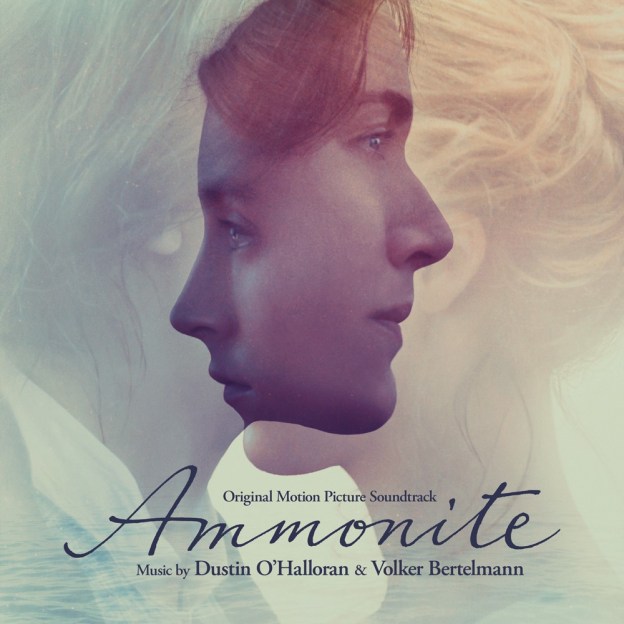
Milan Records today announces the November 13 release of Ammonite (Original Motion Picture Soundtrack) with music by Dustin O’Halloran and Volker Bertelmann. Available for preorder now, the album features music written by the duo for director Francis Lee’s critically-acclaimed film starring Kate Winslet and Saoirse Ronan. The nine-track album features music co-composed by O’Halloran and Bertelmann, who previously teamed on the Academy® Award, BAFTA, and Golden Globe® Award-nominated score for 2016’s LionA Christmas Carol and more.

Of the soundtrack, composers O’Halloran and Bertelmann had the following to say:

 “Writing music for Ammonite was a smooth and natural process. We already knew from director Francis Lee’s previous work this would be a score full of emotion and restraint. Because the film is a period piece, it also meant finding a tone and instrumentation that would work in this world. The overall length of music recorded is somewhat shorter than our other scores; therefore, we used many natural sounds, so when the pieces arrive, it feels meaningful. We decided for a small chamber group of strings and piano as our palette and worked from there. Francis’s original idea was to find a single piece of music playing in parts and come to a full suite at the end. In some ways, this was how we approached it, save for a few moments of score specific to the scene. We found the strong acting that both Kate and Saoirse brought meant we needed to offer space, and try not to overstep. The last piece of music in the film, during the museum scene, represented a full understanding of the emotions that played out between the two characters.”

Ammonite tells the story of acclaimed self-taught paleontologist Mary Anning, who works alone on the wild and brutal Southern English coastline of Lyme Regis in the 1840s. The days of her famed discoveries behind her, she now hunts for common fossils to sell to rich tourists to support herself and her ailing widowed mother. When one such tourist, Roderick Murchison, arrives in Lyme on the first leg of a European tour, he entrusts Mary with the care of his young wife Charlotte, who is recuperating from a personal tragedy. Mary, whose life is a daily struggle on the poverty line, cannot afford to turn him down but, proud and relentlessly passionate about her work, she clashes with her unwanted guest. They are two women from utterly different worlds. Yet despite the chasm between their social spheres and personalities, Mary and Charlotte discover they can each offer what the other has been searching for: the realization that they are not alone. It is the beginning of a passionate and all-consuming love affair that will defy all social bounds and alter the course of both lives irrevocably.

AMMONITE (ORIGINAL MOTION PICTURE SOUNDTRACK)TRACKLISTING – 

  1. Fossils
  2. Strong Enough
  3. Dig
  4. Leave
  5. Boat
  6. Post
  7. Beach
  8. End
  9. Aria – Peter Gregson

The soundtrack for Ammonite is available for preorder now and will be released on November 13, 2020.

See also:

Become a Patron of the blog at patreon.com/musicgamer460

Check out the YouTube channel (and consider hitting the subscribe button)

Don’t forget to like Film Music Central on Facebook 🙂
Soundtrack Review: Archive (2020)

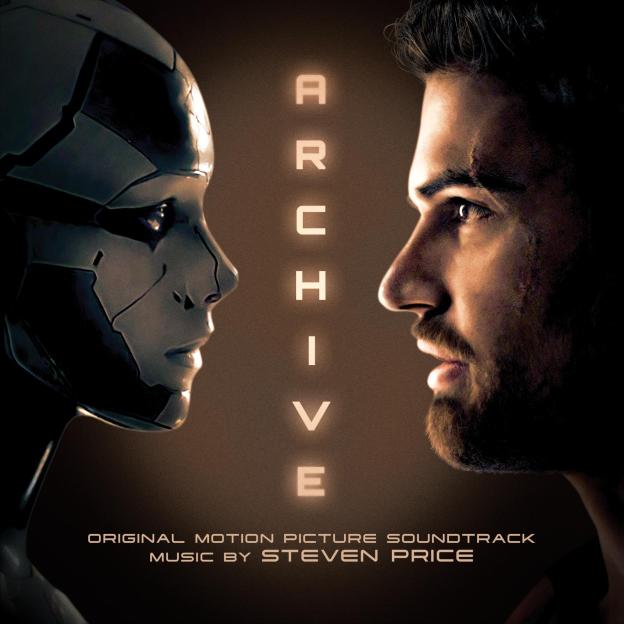
Milan Records released the original motion picture soundtrack for Archive back on July 10th, but I only recently got the chance to check it out. The music was composed by Academy Award-winning composer Steven Price (Gravity, Baby Driver, Suicide Squad). In Archive, set in 2038, George Almore is working on a true human-equivalent AI. His latest prototype is almost ready. This sensitive phase is also the riskiest. Especially as he has a goal that must be hidden at all costs: being reunited with his dead wife.

Of the soundtrack, composer STEVEN PRICE had the following to say:

“My favourite projects are the ones where the story leads me into new musical areas, and exploring the world of Archive, a movie where technology and humanity meet in a near future Kyoto, proved to be a brilliant challenge. I’d been looking for the opportunity to create a largely electronic score for the first time in a long while and the story of George Almore, his secretive AI project and the mysterious Archive let me do just that… The music follows the developments in George’s work as it progresses, and as he gets closer to achieving his hopes and dreams it was a lot of fun to blur the lines between the electronic and organic, trying to find the sound of his creations. From the moment I read writer / director Gavin Rothery’s ambitious script I wanted to be involved, and throughout the process he proved to be a great collaborator and true supporter of music. I’m looking forward to people experiencing the movie Gavin has created, and it was a real pleasure to be a part of it.”

“Archive was always going to need a killer score, but when I was writing the script, I had no idea how that was all going to happen,” says the film’s director and writer GAVIN ROTHERY, adding, “I wanted the film to be big and cinematic. But I also needed it to feel tight and personal. I wanted some parts to be epic and bold, but others intimate and close. Some parts needed energy and power but others needed space and quiet. Technology needed to fuse with humanity. And it all needed to feel unified and whole. Basically, as is probably true with most directors, I wanted everything.  Steven gave me everything. He delivered the perfect score to Archive. I’m not quite sure how he does what he does. Maybe he’s a secret telepath. Maybe he’s from the future. Maybe he’s a robot. There is one thing that I am absolutely certain of is that he most definitely is. The best.”

The soundtrack for Archive intrigues me. It’s what I like to call a “quiet” soundtrack. It’s not big and “loud” like, oh, for example, the music for Blade Runner 2049 comes to mind. I find “quiet” soundtracks to be very refreshing, because it allows me to actually relax while I’m listening to them.

As Steven Price mentions in the extended quote above, there is a distinct blurring of lines between the electronic and organic music. That is to say, a piece might start with the synthesizer but suddenly switch over to the cello. What I find fascinating is how the tone of a piece will completely shift when either side, electronic or organic, takes over. It’s a subtle change, mind you, but it is there. What I mean is, when the cello takes over from the synthesizer, some subconscious tension releases, because it’s almost more relaxing to hear the organic music.

If I had to pick one piece as my favorite, it would have to be “First Steps.” I really like in particular how this piece ends. It’s clearly building toward a climactic moment (based on the title I would have to guess that the robotic AI is taking its literal first steps) when the music suddenly cuts off. The sudden end to the music catches you off guard, and makes you wonder what happened in the story to make things end so abruptly, especially as things were getting interesting with the music.

Some people might deride the music of Archive, calling it it “too slow.” But I maintain that soundtracks like this can be some of the best music you’ll ever hear. I think too often the science fiction genre is conflated with action films, but this music serves as a reminder that they are not (always) the same thing.

TRACKLISTING –
1. So Sorry for Your Loss
2. The Archive
3. You Need to Trust Me
4. This Involves Her
5. Target Out of Reach
6. What Do You Need to Know?
7. First Steps
8. J2
9. Priority One
10. Answering the Call
11. I Didn’t Build You Well Enough
12. I Had That Dream Again Last Night

Let me know what you think about Archive (and its soundtrack) in the comments below and have a good day!

See also:

Film Soundtracks A-W

Become a Patron of the blog at patreon.com/musicgamer460

Check out the YouTube channel (and consider hitting the subscribe button)

Don’t forget to like Film Music Central on Facebook 🙂
My Thoughts on: The Ghost of Frankenstein (1942)

Continuing the Frankenstein marathon, I promptly moved on to the fourth film in the series, The Ghost of Frankenstein (1942), a decent enough film, though it’s more than obvious that the story is starting to go off the rails just slightly. This is not only the first Frankenstein film without Boris Karloff involved in any way, it also stretches credulity by now following Frankenstein’s second son Ludwig (Sir Cedric Hardwicke), yet another doctor-scientist who has mostly managed to escape the stigma attached to the name of Frankenstein.

Here’s the thing about The Ghost of Frankenstein: surely we must assume that a number of years have passed since Son of Frankenstein because that is the only way I can believe that Sir Cedric Hardwicke is the younger brother of Wolf Frankenstein (Basil Rathbone). If I didn’t know better, I’d think it was the other way around. Forgetting the noticeable age difference between the alleged brothers, there’s also the not-so-minor-detail of Lon Chaney Jr. now playing the Monster. It’s not that he does a bad job, he’s actually quite believable. It’s just….I can tell it’s not the same person, and that bothers me every time I see this film. Also, is it just me or does Lon Chaney spend most of the film with his eyes closed?

Speaking of recasting, the one element of this film I dislike is that Hardwicke is used to play the ghost of his father Henry (originally played in two films by Colin Clive). I sort of get why they did so, but you’re telling me they couldn’t find anyone to serve as a sound alike for Colin Clive? I feel like they missed a big opportunity by not casting in a way that made it appear the ghost of Colin Clive’s Henry Frankenstein was really present and it’s the one detail I would change if I could.

Those issues aside, the film is otherwise a direct sequel to Son of Frankenstein, with Ygor (Bela Lugosi) still leading the Monster around in an attempt to fulfill his longterm goals. This is the film where the explanations for how the Monster survives from one film to the next start to become ridiculous. I can believe that the Monster dropped down into a cavern when the mill burned down in the first film, I can believe he survived the lab blowing up at the end of Bride of Frankenstein. However, you want me to believe that the Monster survived being dropped into boiling hot sulfur that then hardened around him? Nope, that’s one step too far (it gets more ridiculous from here).

Also, how is it that all of the Frankenstein children manage to get their hands on electrical equipment necessary for reviving the Monster? I can sort of understand how Wolf pulled it off by rebuilding the laboratory on the estate, but explain to me how and why Ludwig also has the right tools when it’s implied he’s a brain surgeon? Funny how that works isn’t it.

The Ghost of Frankenstein also starts the recurring subplot of giving the Monster a new brain to “fix” him (a plot point that will return in House of Frankenstein). It’s an interesting thought, though I notice no one ever explains to the Monster that this would essentially erase him from existence (since the brain is what makes everything work). I was suitably impressed by how the combination of Ygor and the Monster came off (the Monster is perfectly dubbed with Ygor’s voice). The explanation for why it doesn’t work is also perfectly simple and, it makes sense.

The Ghost of Frankenstein isn’t a bad film by any stretch of the imagination, but it is definitely below the three films that came before it. A significant stretching of the imagination is required to enjoy this film without asking any questions about how it works (I particularly roll my eyes when the Monster is “recharged” by bolts of lightning). Your mileage will definitely vary on how much you enjoy this film.

Let me know what you think about The Ghost of Frankenstein in the comments below and have a great day!

See also:

My Thoughts on: Frankenstein (1931)

My Thoughts on: Bride of Frankenstein (1935)

My Thoughts on: Son of Frankenstein (1939)

Film Reviews

Become a Patron of the blog at patreon.com/musicgamer460

Check out the YouTube channel (and consider hitting the subscribe button)

Don’t forget to like Film Music Central on Facebook


My Thoughts on: Son of Frankenstein (1939)

Once I got my hands on the Universal Classic Monster 30 film collection (on blu-ray, it’s excellent and I highly recommend it), I was briefly stymied as to where I should start with so many classic horror films to choose from. And then it dawned on me: I’d already watched Frankenstein (1931) and Bride of Frankenstein (1935), it follows that I should continue the pattern with Son of Frankenstein (1939).

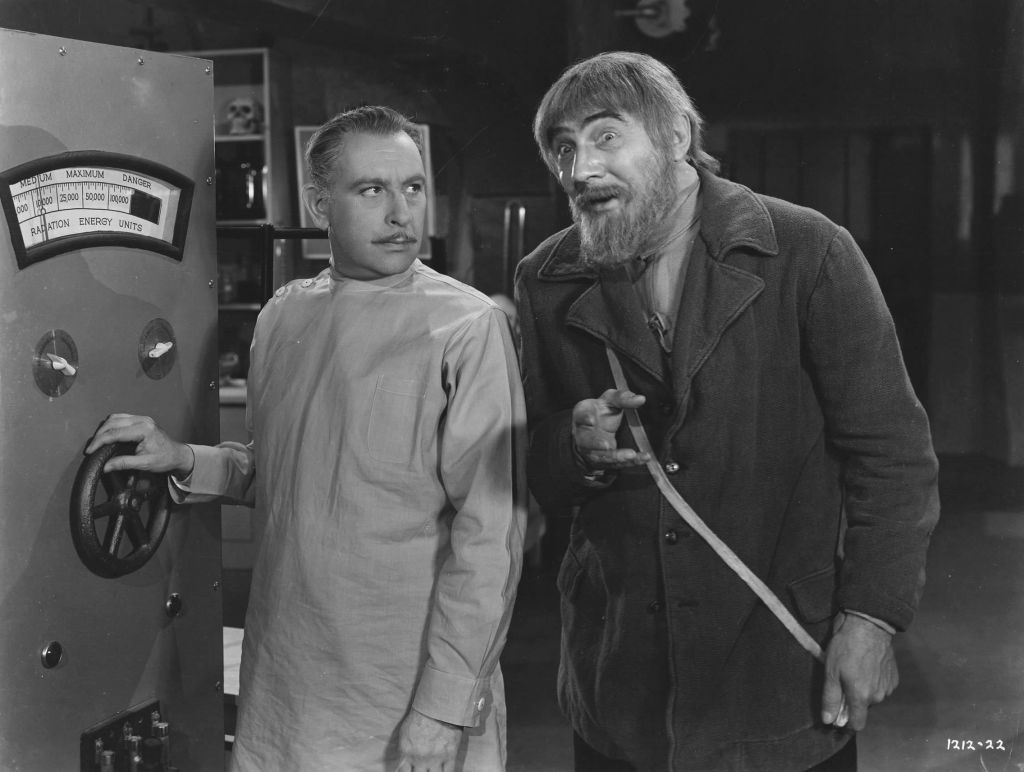
As the title implies, Son of Frankenstein follows the adventures of Henry Frankenstein’s eldest son Wolf (an almost neurotic Basil Rathbone), a plot development likely necessitated by the death of Colin Clive two years earlier in 1937. There is, however, a delightful homage to the actor in the form of a gorgeous oil painting that hangs in the main hall of Castle Frankenstein. In a way then, Clive literally looms over the story, though he is not physically present. I also like that the film reveals, in part, what happened to Henry after Bride of Frankenstein. Far from getting off scot-free in regards to creating these monsters, it seems that the truth came out and Henry spent the rest of his life shunned by the community and deep down never gave up his dreams of creating life. Unfortunately, one can only imagine what Clive would have brought to a third Frankenstein film, but these homages and references really are a nice touch.

In a further nod to continuity, Frankenstein’s laboratory is in ruins from the explosion that decimated it in the conclusion of Bride of Frankenstein (we’re meant to forget the fact that the building was completely demolished at the end of that film). Wolf Frankenstein has returned with his family in an attempt to make a new life there, but due to all the events with Frankenstein’s monster, the welcome is less than warm. Matters become unbelievably complicated when the hideous Ygor (Bela Lugosi in a brilliant performance) reveals to Wolf that the Monster is in fact alive, but injured. For the record, I believe these injuries are why the Monster can no longer speak (having learned to do so in Bride of Frankenstein).

This is the first Frankenstein film I saw that made it perfectly clear where Young Frankenstein (the Mel Brooks spoof) got a big chunk of its source material from (The Ghost of Frankenstein being the other). There’s something that makes it different from the two films that came before it, and I’m still struggling to put a finger on exactly what it is. Basil Rathbone, as I mentioned before, puts in a somewhat neurotic performance as Wolf Frankenstein, but it’s still an enjoyable performance, especially as you watch him get drawn into his father’s work bit by bit.

And speaking of Wolf….Son of Frankenstein has an unintentionally hilarious (at least I think it’s unintentional) moment where Wolf basically gives the Monster a complete physical in order to find out how he functions. There’s something surreal about watching the Monster’s blood pressure get taken, blood drawn, X-rays given, just like he’s a normal person (though one can argue the Monster is hardly normal). It’s also interesting, by the way, to watch Wolf and the Monster interact. When they first meet, I think it’s implied that the Monster mistakenly believes Wolf to be his father, hence his initial reaction to strangle Wolf. And then, most interesting, the Monster stops mid-action, as if it dawns on him that “this isn’t my creator, this is someone else.” It’s one of my favorite moments in the entire film.

I was also surprised to learn that THIS is the film where Ygor first appears. I grew up believing that Ygor was always a part of the Frankenstein story but that is simply not true. In the book, Frankenstein has no assistant at all, and in the first film his assistant is named Fritz. It’s well worth the wait though to finally see Ygor. Bela Lugosi is brilliant as the hunchbacked friend of the monster with a hideously disformed neck (they tried to hang him but it didn’t stick). I still haven’t figured out yet if I like Ygor or hate him, because Lugosi plays him so well, you’re not sure what to think about him.

One other detail I have to mention that is the presence of Wolf’s son Peter (Donnie Dunagan). First of all, cool trivia point: if Donnie’s voice sounds familiar that’s because he’s the voice of young Bambi in the 1942 film of the same name. He’s so adorable, and I love how any time he enters the scene, all the action briefly pivots to center on him (he was all of 4 at the time). Peter is also part of my second favorite scene in the film, when he innocently tells his father about the “friendly giant” that’s been visiting him in his bedroom (re: the Monster). The moment when little Peter imitates the Monster’s walk (making it crystal clear whose been visiting him), complete with a snipped of the Monster’s musical theme, is one of my favorite moments in the film, not least because of the complete panic in Wolf’s reaction to it.

Son of Frankenstein is, unfortunately, not quite up to the level of Frankenstein or Bride of Frankenstein, but it remains an enjoyable film, the last to feature Boris Karloff in the role of Frankenstein’s Monster. I would recommend watching this film once you make your way through the first two Frankenstein films.

Let me know what you think about Son of Frankenstein in the comments below and have a great day!

See also:

My Thoughts on: Frankenstein (1931)

My Thoughts on: Bride of Frankenstein (1935)

My Thoughts on: The Ghost of Frankenstein (1942)

Film Reviews

Become a Patron of the blog at patreon.com/musicgamer460

Check out the YouTube channel (and consider hitting the subscribe button)

Don’t forget to like Film Music Central on Facebook

My Thoughts on: Bride of Frankenstein (1935)

Having watched Frankenstein (1931) already for this year’s Halloween celebrations, it goes without saying that I had to watch the equally famous follow up Bride of Frankenstein (1935) as well. This is the film you’ll always hear about when people mention sequels that are superior to the original film, and boy does Bride of Frankenstein fall into this category. It’s not that Frankenstein is a bad film (it isn’t), it’s just that Bride of Frankenstein improves on the original in so many areas that it makes the original film look primitive in comparison.

While a sequel to Frankenstein, Bride of Frankenstein is still based on plot concepts found in the Frankenstein novel. In fact, the entire concept of a “bride of Frankenstein” comes from the second half of the book when the Monster demands Victor Frankenstein build a mate for him, so that he can live the rest of his life apart from human society (which he has sworn off for rejecting him), but with the company of one of his own kind so he won’t be lonely. That attempt ends badly as Frankenstein rejects the idea, destroying the “bride” just as he’s about to give her life. In the film, of course, this doesn’t happen and we get to see the Bride of Frankenstei (Elsa Lanchester) n take her first steps on screen (though don’t expect too much, the Bride only gets about 3 minutes of screen time).

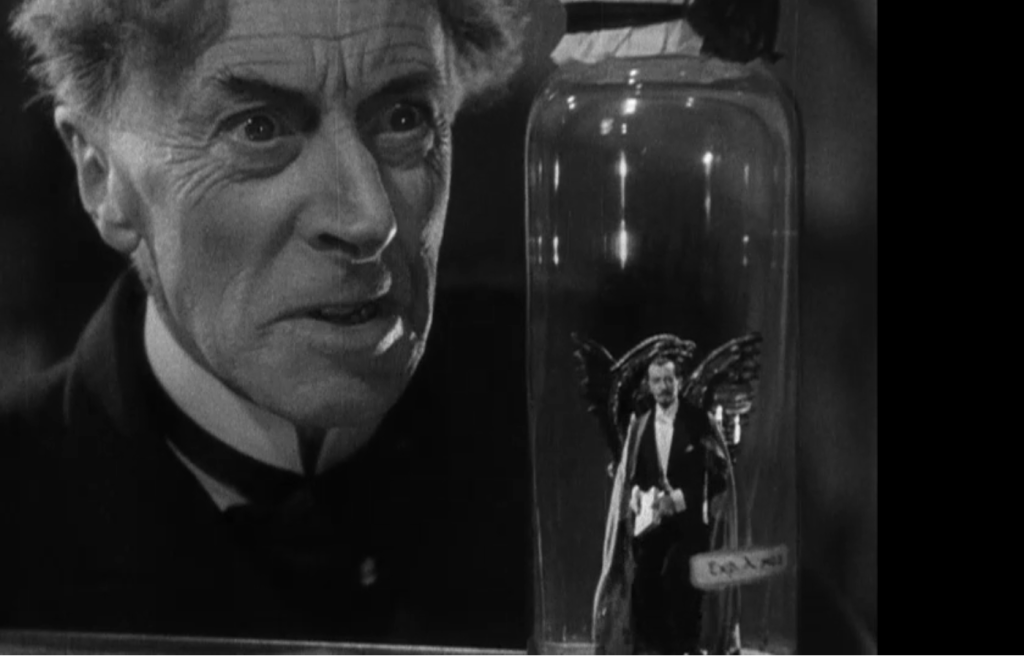
What makes the plot of Bride of Frankenstein really interesting is that Henry Frankenstein (played one last time by Colin Clive) isn’t the mad scientist villain of the story this time around. That dubious honor goes to Dr. Septimus Pretorius (Ernest Thesiger), one of Frankenstein’s old professors, who has dabbled with the power of life in his own twisted way and now wants to use Frankenstein’s talents to build a female equivalent to the Monster (why is never made quite clear). Frankenstein, for his part, wants nothing to do with it, but Pretorius coerces him into it and the plot proceeds from there.

Unlike Frankenstein, which is pure horror and drama straight through, Bride of Frankenstein has a touch of comedy about it, mostly in the scenes with Minnie (Una O’Connor). I’ve never quite known how to feel about this, as I feel that it doesn’t always fit. Take, for example, the scene at the beginning of the film when Minnie comes face to face with the not-dead-after-all Monster and runs away gibbering down the mountainside. It’s funny, but it’s a complete 180 from what we just saw (the Monster killing Maria’s parents). However, the dry humor of Dr. Pretorius is most welcome, as it helps to highlight just how evil he is, especially when you compare it to Frankenstein’s manic joy (and despair) when he created his own monster in the first film. Frankenstein feels the consequences of his actions, Dr. Pretorius does not. In fact, sometimes I get the feeling the mad doctor views all of this as a colossal joke.

This film does have one of the most beautiful (and heartbreaking) moments in the story of Frankenstein’s monster, and that’s when the Monster comes across the blind hermit. Every time I see this sequence I think “if only there had been a way to leave these two in peace together.” It’s not only touching to see the two become friends, with the Monster learning to more or less talk in simple sentences, it’s also further proof that, given the opportunity, the Monster would prefer to live in peace and not engage in wanton destruction. In other words, he has the capacity for good somewhere inside him, but almost no one can see it because they’re distracted by his appearance. Of course it wouldn’t be much of a horror film if it ended that way, so the Monster is conveniently forced away from the hermit so the story can continue.

I find it interesting that Boris Karloff didn’t want the Monster to speak. It seems the actor felt the performance of the Monster was far more effective when it was all pantomime (like in the first film). I enjoyed that performance, but I don’t agree with Karloff’s thoughts on the matter. It seems to me the logical next step in the Monster’s development would be for him to develop speech. After all, the book version of the Monster could speak quite well, why not the film version also? Besides, without the Monster learning to talk, we wouldn’t have gotten one of the best lines in horror film history:

The Monster (to Frankenstein & Elizabeth): Yes! Go! You live!

(To Pretorius & The Bride): You stay. We belong dead.

More on the ending in a little bit…..

Considering she’s on screen for less than five minutes, I find the Bride of Frankenstein to be utterly fascinating. Given that she’s Frankenstein’s second creation, it makes sense that she’d be far more glamorous and beautiful than the first Monster. After all, the second time you do something is usually easier and you can fix any mistakes you might’ve made the first time. Hence the reason the Bride has perfect proportions, and except for some scars around her chin and neck looks completely human. I love that after her reveal, the camera cuts around to different angles highlighting how beautiful the Bride is.

I’ve also long thought that the Bride’s reaction to the Monster isn’t what you think. Remember in the first film how the Monster reacted badly to the fire and he ended up chained up because of it? Well, I think the Bride is only reacting to Frankenstein in fear because she was a) just created a matter of moments ago and b) doesn’t know how to talk or express her feelings yet. If there had been more time, maybe the Bride could have been made to understand but the problem is that Pretorius clearly promised the Monster that the Bride would love him. Once the Monster feels he’s been rejected, that brings out the end of the story.

Now back to the ending that I referenced before. I love how, in just a few sentences, the Monster is able to sum up how Frankenstein deserves to live while the rest (including himself) deserve to die. Frankenstein deserves life because he has Elizabeth who needs him and, I’m pretty sure the Monster has observed that Frankenstein was only involved in the Bride’s creation because Pretorius forced him too. For that alone, the Monster is willing to let his creator go. Pretorius, on the other hand, has no excuse. He dragged the Monster into this, and the Monster has already admitted before now that he “hates living.”

I also need to stop and mention Franz Waxman’s gorgeous score for Bride of Frankenstein, the biggest difference between this film and the original Frankenstein. If you’ll remember, the 1931 film, apart from some opening and closing music, has no score at all. The music in Bride of Frankenstein is practically wall to wall and I love every minute of it. Each of the major characters has their own leitmotif, and it just helps to propel Bride of Frankenstein to even greater heights. Honestly, the music is so good it deserves a blog post of its own, so I’ll pause on the discussion of the music for now.

One interesting final detail I want to mention: if you watch the ending when the laboratory explodes very closely, you’ll notice that Frankenstein is still in there (he’s pressed against the wall on the left hand side of the room). This is because originally Frankenstein was supposed to die with the rest of them. But Universal insisted on a “happy ending” so the scene was hastily rewritten for Frankenstein to escape with Elizabeth just before the building exploded. But there was no money in the budget to reshoot the destruction scene, so the error remains.

Bride of Frankenstein is, in my opinion, the best Frankenstein film ever made, and one of the enduring highlights of Universal’s Classic Monsters era. 85 years later, they haven’t come close to topping this film (and I hope they never do).

Let me know what you think about Bride of Frankenstein in the comments below and have a great day!

See also:

My Thoughts on: Frankenstein (1931)

My Thoughts on: Son of Frankenstein (1939)

My Thoughts on: The Ghost of Frankenstein (1942)

Film Reviews

Become a Patron of the blog at patreon.com/musicgamer460

Check out the YouTube channel (and consider hitting the subscribe button)

Don’t forget to like Film Music Central on Facebook