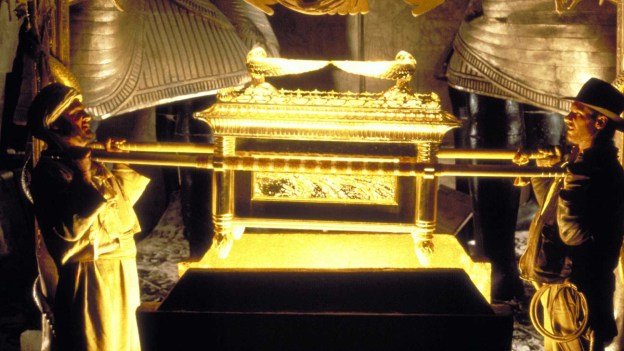
So as I was booking movie tickets last week, I was delighted to see that my local Regal Cinema was showing the 40th anniversary screening of Raiders of the Lost Ark. Hard as it is to believe that this film is 40 years old, I couldn’t say no to the chance to see this film in theaters, as the only other opportunity I had to see this film on the big screen was five years ago when I got to see Raiders of the Lost Ark in concert (a fun experience, but not quite the same as seeing it in a theater).
I‘ll start off by saying that Raiders of the Lost Ark is just as good as I remembered. I grew up watching this film, seen it more times than I can count, and oh my goodness was it fun to see it play out in a movie theater. If you’re not familiar with this film, this is the first movie to feature Harrison Ford as archaeologist/adventurer Indiana Jones. A lot of the movie collections will actually retitle this film “Indiana Jones and the Raiders of the Lost Ark” but Raiders of the Lost Ark is in fact the proper title. And as the title implies, Indiana Jones is in search of the fabled Ark of the Covenant….but so are the Nazis (because this film is set in 1936 so of COURSE the Nazis are the bad guys).
Half of what makes Raiders of the Lost Ark so amazing is John Williams’ phenomenal score. Williams has never done a bad film score, but I feel like this point in time was particularly good for him, as Raiders of the Lost Ark came out the year after Empire Strikes Back (and we all know how good THAT score is). My favorite musical moment in this film remains ‘The Map Room’ when Jones has to deduce where the Well of the Souls REALLY is (after learning that his rival doesn’t know after all). This is a perfectly shot scene and what makes it memorable is that the music does 90% of the work. From the moment the cue starts until the end, Harrison Ford doesn’t say a word because the music is telling the story for you.
And then there’s, of course, the story of the film itself. It’s classic good guy vs bad guy storytelling and even though I can quote most of the film from memory, it never ever gets old, that’s how good this film is. Something I’ve grown to appreciate over the rewatches is how this film subverts the adventure tropes that it claims to emulate. Examples include (but are not limited to): Indiana Jones is initially presented as a tough explorer, but he’s TERRIFIED of snakes; Jones steals a uniform from a Nazi guard but it doesn’t fit him when he tries to put it on (subverting the idea that the enemy uniform you steal will ALWAYS fit); Jones is also not as smart as he thinks he is, for proof I cite the opening scene when he tries to trick the booby trap into letting him remove the golden idol without setting it off.
I’m also a big fan of Paul Freeman’s Belloq, the French archaeologist who is Jones’ primary rival throughout the film. On the initial viewing, you might be inclined to just hate Belloq because he works with the Nazis, but the more you watch this film, the more you realize it’s not quite that simple. Sure, Belloq is on the wrong side of history (and he pays for it dearly), but his interest in the Ark is 100% genuine. Also, I think his feelings for Marion are real too, as he seems genuinely upset when Marion is thrown into the snake-filled Well of the Souls. Really, I just like that Belloq is a nuanced villain, in contrast to the Nazis who are just out and out evil.
One thing that’s always bothered me though is the ending. I can still remember watching this film as a kid and being absolutely bewildered that the last thing we see is the Ark getting shut up into a box and taken deep into a packed warehouse. It frustrated the heck out of me as a kid, and even though I sort of understand why the film ends this way, it still frustrates me now if I’m honest. I can’t help but agree with Jones’ final assessment “Fools…..bureaucratic fools. They don’t know what they’ve got there.”
Raiders of the Lost Ark may be 40 years old, but it’s only improved with age. If you get the chance to see this anniversary screening, please go watch, it’s an experience everyone should have at least once.
Let me know what you think about Raiders of the Lost Ark in the comments below and have a great day!
To my surprise and delight, I was given the opportunity to speak with Alex Lahey about their work on the song ‘On My Way’ and its inclusion in the hit Netflix movie The Mitchells vs The Machines.
Born in Melbourne, Australia, Alex started playing both guitar and saxophone when she was 13 years old, and studied art and jazz when she first enrolled in university. She broke through in 2016 with her song “You Don’t Think You Like People Like Me”, with her first full-length album ‘I Love You Like a Brother’ following in 2017.
How did you get started as a musician?
I’ve been playing music my whole life, but I really got serious about it when I was in high school and fell in love with playing the saxophone in the school big band. As I was getting into learning the sax, I was teaching myself guitar on the side just as a way to play the punk, rock and pop music I was actually listening to in my spare time. After leaving school and playing in a few bands with mates, I came to realise that I’m a better songwriter than saxophone player and I’ve never looked back.
How did you get connected with The Mitchells vs The Machines?
I was really lucky that my song ‘Every Day’s The Weekend’ got included in The Mitchells quite early on in the production process. So early on that they didn’t have a song for the end credits of the movie! So I got sent a brief of what the director and music supervisor were looking to fill that space with and that’s how ‘On My Way’ came to be.
What did you think of the film’s story?
I loved the story of the film and especially loved the character of Katie. Growing up as a queer kid, it would’ve meant the world to me to have seen a character like Katie on screen and I’m so glad she exists now for all the young people who need someone like her. The themes of family, growing up and being yourself that are so central to the story really resonate with me too.
Tell me about how ‘On My Way’ was developed for the film, what was the process for that song coming together?
As I mentioned before, the song was prompted by a brief the creative team provided me with. Between lockdowns in Melbourne, I took the brief to two artists I’m very close with, Gab Strum (Japanese Wallpaper) and Sophie Payten (Gordi), just as something to do while hanging out for the first time in ages and ‘On My Way’ was born. I guess we had a lot of good creative vibes waiting to be unleashed after so much time without face to face collaboration. Gab and I ended up finishing the recording virtually as Melbourne went back into lockdown. A big shout out must go out to Scott Horscroft who tracked all the drums and mixed the tune for us at The Grove while we were beamed in via Zoom during Stage 4 lockdown!
Aside from ‘On My Way’ were you involved in any other aspects of the music for The Mitchells vs The Machines?
To have both ‘On My Way’ and ‘Every Day’s The Weekend’ included in the film was really awesome. It was so great to be a part of this project in a really meaningful way. I’d never written a song intentionally for screen before and it was so wonderful to be part of the process of bringing this film together, even just in a small way. I hope it’s not the last time I get to be involved in a project like this.
I want to give a big thank you to Alex Lahey for taking the time to talk with me!
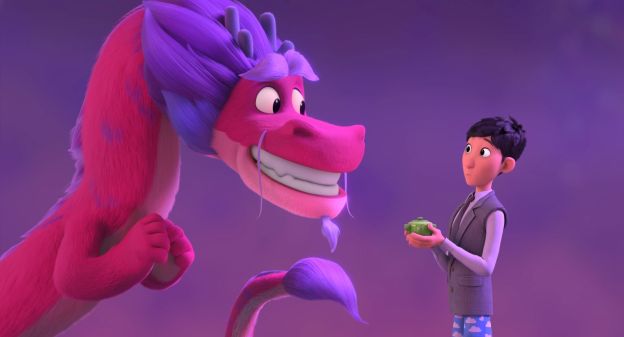
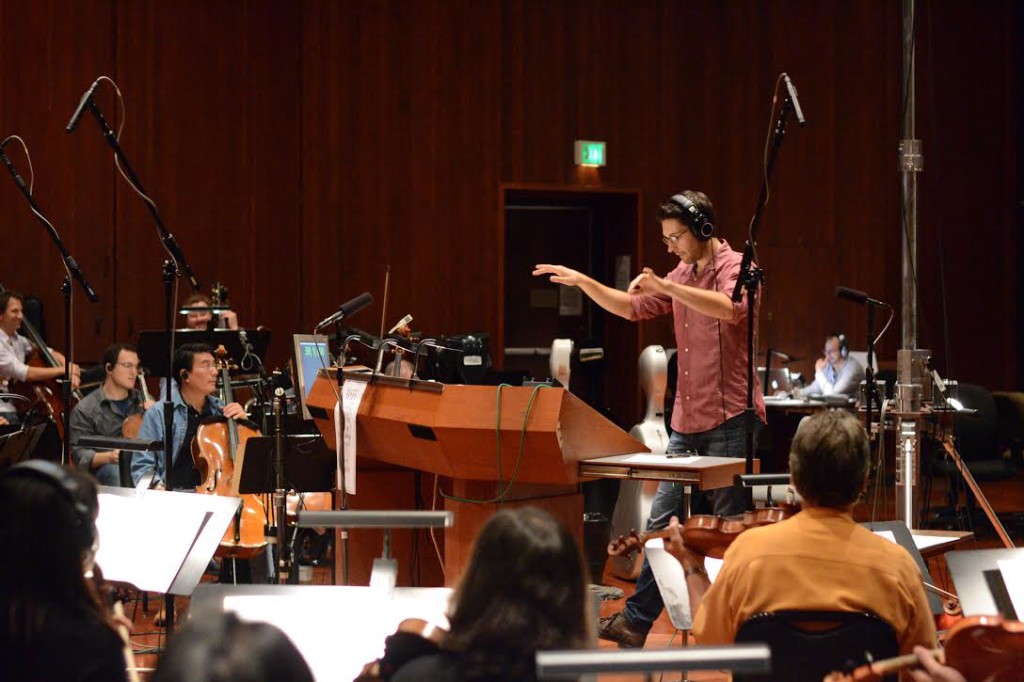
I was recently blessed with the opportunity to speak with composer Philip Klein about his work on the upcoming Netflix film Wish Dragon (which comes out on June 11th). Klein’s music has been heard in film and television projects for Sony, Disney, Pixar, Lionsgate, ABC and CBS. As a writer, Philip has collaborated with some of the finest composers working in film and TV, including Harry Gregson-Williams, Carter Burwell, Alex Heffes and Fil Eisler. He’s has had the honor of orchestrating for James Newton Howard, Alexandre Desplat, Ludwig Göransson, Richard Harvey, Steve Jablonsky, David Buckley, Stewart Copeland, Peter Golub, John Frizzell and several other amazing artists.
After a steady diet of drum corps and classical music throughout his childhood, Philip’s formal music education took him to Chicago where he studied trumpet and composition at Northwestern University. This classical foundation combined with a deep understanding of modern scoring techniques allow him to seamlessly compliment every project he works on. Selected as one of six fellows for the 2011 Sundance Institute’s Film Composing Lab in Utah, Philip has always had a deep love for the interaction of music and film. He owes much of his success to his mentors in Hollywood, Harry Gregson-Williams, Alan Silvestri, Penka Kouneva and Peter Golub.
“Wish Dragon” is the story of Din, a 19-yr old college student living in a working-classneighborhood of modern-day Shanghai, who has big dreams but small means. Din’s life changes overnight when he finds an old teapot containing a Wish Dragon named Long – a magical dragon able to grant wishes – and he is given the chance to reconnect with his childhood best friend, Li-Na.
Please enjoy my conversation with Philip Klein about Wish Dragon!
How Did You Get Started as a Composer?
I was a trumpet player for most of my young musical life but I eventually found myself being drawn more to orchestration and composition. I had a soft spot for film scores at a very young age and would spend hours picking out notes to my favorite themes, so it felt natural to fall into that world when I went to college and beyond. Once I had scored a few student films I was hooked and moving to Los Angeles was the logical next step. I’ve had the great fortune of working with some of the most skilled artists in film and music.
How did You Get Involved with Wish Dragon? Was there anything in particular that drew you to the story?
Producer Aron Warner is a dear friend and we’ve both always wanted to work on a project together. One of Aron’s superpowers is curating a team of creatives that all compliment each other. He felt that director Chris Appelhans and I would mesh well so he reached out and I saw a very early cut of mostly stick figure drawing and early animatics. Even in its most basic form the story was beautifully conceived and it was clear from conversations with Chris and Aron that the film was going to be special. I did all that I could to convince them that I was the right composer for the film and luckily they agreed. Chris’ passion for storytelling, the characters and the culture is what drew me in early on; it wasn’t long before I was happily escaping into this world on a daily basis.
I saw that you also worked on Raya and the Last Dragon as an orchestrator. Given thatboth of these films are about dragons, would you say there are musical similarities between the two or did you go out of your way to avoid any overt musical comparisons to Raya?
James Newton Howard wrote a beautiful score for Raya. I lucked out a bit in that I actually finished recording the score for Wish Dragon several months before we began orchestration work on Raya, so my window for being influenced (and intimidated) by James’ writing had passed. James’ score took advantage of musical colors from different areas of Mongolia and Southeast Asia, whereas Chris and I wanted to stick very close to Chinese culture for the color of the score. Raya has a bit more fantasy whereas Wish Dragon is a bit more comedic. So in that sense, the scores were always going to sound different.
What was your starting point in putting the music for Wish Dragon together? Was there a lot of collaboration with the director during this process?
I don’t think I’ve ever been part of a project where the director was as much a collaborator as Chris was on this film. The first 3-4 months of the process was just sharing music, videos and thoughts back and forth. We sent each other any kind of Chinese instrument, folk song, vocal, opera percussion; basically any sound we could find. Eventually, we started to hone in on the overall palette and approach we thought may work and then I started to experiment with those boundaries in place. Chris was intimately involved with the music from conception through recording and mixing. Chris had such a strong vision of what he wanted and needed out of the score, I loved every minute of working through this film with him.
Were you inspired by any earlier films when putting the music together since this is a reworking of the “genie in a bottle” type of story? Or did you try to put an original twist on it as far as the music went?
While on its surface this film may seem like a “genie in the bottle” kind of story, the film is much more about friendship and redemption than anything. The spectacle and theatricality of Long’s character sits somewhat behind the genuine connections we follow throughout the film. While it is important to give a voice to Long’s over-the-top character, we never went too far in making him seem like more of a being than he is. I think previous iterations of that kind of story maybe put more emphasis on the genie type character and their performance. So musically, you have to match that kind of energy. In Wish Dragon, we always wanted more weight to go towards the relationships and arcs of the characters so it naturally kept me away from drawing too much inspiration on other films or scores. I’ll always be proud of how Chris and I blended these beautiful instruments of Chinese culture with a more Western orchestral palette. We didn’t want either to ever overshadow the other.
Did you assign themes to the major characters? Or if not all of the characters, did you give a musical theme to Long the dragon?
I’m a huge believer that thematic writing is one of the most effective ways to create memorable emotional moments in a film. Long has a theme we hear in the first cue of the film. It’s broad and sweeping, almost always played with the orchestra to give his character scale and drama. Din’s theme probably recurs most often but is played much more simply and with less fanfare than Long’s. Much of Din’s scenes take full advantage of the energy from the Chinese instruments we used. For most of the film Din is full of optimism so his theme is orchestrated with lovely and light, plucked textures. There are two secondary themes; the first for our baddies and the other for Din and Li Na’s relationship. For the goons in the film, I used a lot of darker bowed sounds from the Chinese instruments and mixed them into more modern, synth heavy orchestration. For Din and Li Na, it’s a very simple fluttering synth with a three note motive that echoes their “day by day” mantra.
How did you decide on which traditional Chinese instruments to include in the score? And was it hard blending those instruments with a traditional Western orchestra?
It can be overwhelming at the start of a score like this because my brain and ears want to explore every new color out there. Unfortunately, I’d still be working on the score today if I didn’t put a bit of a cap on what instruments we should focus on. Honestly, we spent months early on just listening and me having video calls with players all over the world. I’d ask them to show me the basics of their instruments, what it can do, and what it shouldn’t do. Eventually I boiled down my core palette to around 8-10 Chinese instruments that would represent that side of the score. The orchestra was always in place as it’s difficult to replace the sheer power of that vehicle, but the Chinese instruments became our color and our energy throughout the film. We never wanted the score to sound like an orchestra blasting away with some Chinese soloists playing on top of them. Rather, we wanted the two to become more homogenized so that the Chinese world melted into the orchestral. Blending them together was one of the most enjoyable experiences I’ve had because it opened my ears to brand new textures and colors. It allowed me to explore a new musical world I had never heard before. That’s always the most exciting part of working on a film.
How much time did you have to score Wish Dragon?
I had the great fortune of working on this score for nearly a year. This gave us plenty of time to truly flesh out all of our wildest ideas, themes and orchestrations.
Do you have a favorite track or moment in the score?
I will always love the scene and cue titled “Everything That Matters.” It’s such a beautiful, honest moment between Din and his mother and their relationship’s arc in the film. It was also one of those moments where Din’s theme just seemed to line up perfectly without me having to do much. That doesn’t always happen, but it’s a pleasant surprise when the notes just seem to fit the film without much ado.
I hope you enjoyed my conversation with Philip Klein about his work on Wish Dragon. You’ll be able to check out the film when it releases on Netflix on June 11th, 2021.
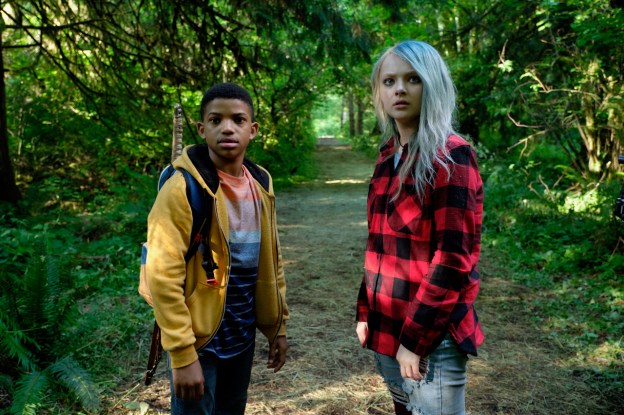
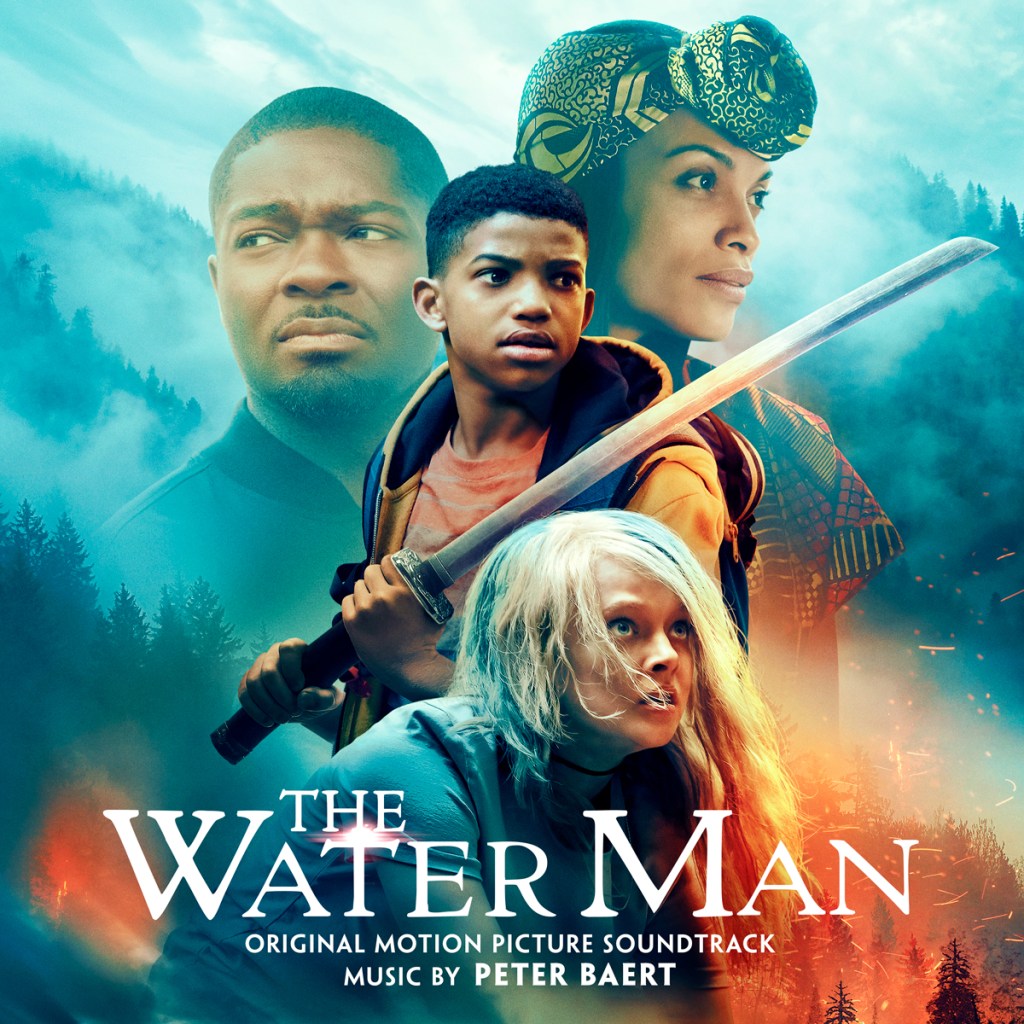
Last month, Lakeshore Records released the Original Motion Picture Soundtrack for the RLJE Films family adventure film The Water Man—acclaimed actor David Oyelowo’s directorial debut. The album is comprised of an ethereal original score from Belgian composer Peter Baert, also making a debut with his first composition for a major Hollywood feature. The soundtrack also features two original songs written and performed by Jessica Oyelowo, including the end credits song “My Son.” The Water Man soundtrack is available digitally alongside the film’s U.S. theatrical release.
The music of The Water Man is a mix of classical orchestra, piano, percussion, and electronics. Peter felt the score should follow the journey of the main character Gunner, going on quest into the woods to save his ill mother. He processed the Water Man’s screams and sighs through long delays, modular tools, and tape echoes to create “The Water Man Synth.” When David proposed a motherly energy to be present in the music, Peter worked with a vocalist, who has a similar timbre of the mother (Rosario Dawson), and created “The Mother Synth.”
David Oyelowo says, “Music and sound in film has always been important to me, which is why I consider myself lucky to have met composer Peter Baert when I did. We first crossed paths when he was the sound engineer on another project I was working on in Belgium, and he had previously shared a music demo of his compositions that I just couldn’t shake. While in post-production on The Water Man, I was working with another composer and had initially cut Peter’s music in as an experiment, and it all just worked perfectly. Within a week, he flew over, sat next to me in the edit, and that’s how he became my composer. He’d never done an English-speaking film before, and he totally nailed the tone. We recorded and mixed at Galaxy, and did all the sound design and mixing at Sony and re-recording at Deluxe Hollywood.”
Peter Baert on his collaboration experience: “David Oyelowo is such a wonderful human being and a gifted storyteller. He took a giant leap in choosing me as a composer and I felt his trust and guidance throughout the time we worked together. Being present for a short time in the editing room with David and editor Blu Murray was such a wonderful experience—I felt part of something bigger.”
Of his musical inspirations, Baert says: “The heartfelt story of The Water Man took me back to two periods in my life. The first reminded me of being in my early teens, always playing in the neighborhood with my friends and going on adventures in a nearby forest. The second transported me back to a day in 2008 when my mom and I found out the diagnosis of her pancreatic cancer. She would be gone in 6 months. At some moment during the composing process the music found me, and it glued to the screen. This beautiful story reflects what I experienced in real life—that it is sometimes better to let go and cherish the time we have, than to hold on at all costs.”
TRACK LIST
Gunner’s Theme
Mary’s Lullaby
Mother’s Medicine
Finding Jo
Question
The Water Man Story
Runaway
Come into My Office
Enter the Forest
First Night
Night Watch
Candy
The Howling Wild Horses
Snow in July
Second Night
A Lot of Beetles
Morning
Amos’s Search
Crossing the River
A Bunch of Crap
Coming Closer – “The Water Man Rhyme” (feat. Amiah Miller)
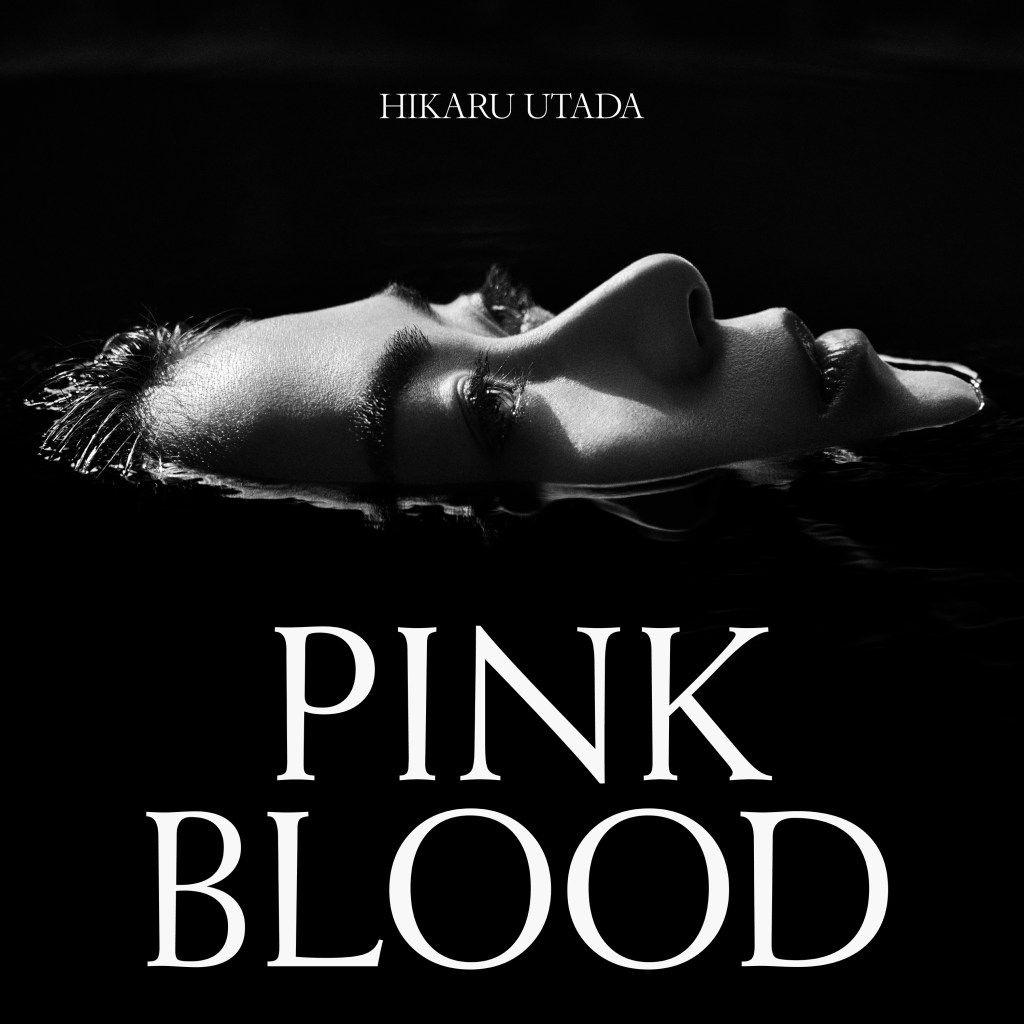
Milan Records has released Hikaru Utada’s new single “Pink Blood” and its accompanying music video – listen to the track HERE.
Featured as the theme song for the anime television series To Your Eternity, “Pink Blood” marks Hikaru Utada’s first time providing the main theme song to an anime television series. The music video for “Pink Blood” was directed by 谷川英司/Eiji Tanigawa of Creative Lab.TOKYO, and features a more imaginative, conceptual look
“Pink Blood” follows the hugely successful release of “One Last Kiss,” which served as the main theme song to the film Evangelion: 3.0+1.0 THRICE UPON A TIME – listen HERE. Released on March 10, “One Last Kiss” made Hikaru Utada the first-ever solo artist to keep the top spot for three consecutive weeks simultaneously in two of the Oricon chart digital categories. The track also hit the very top in the multi-genre JAPAN HOT 100 chart of Billboard JAPAN, the first time in 10 years for the artist, and it also beat her own record by charting in 33 countries and regions worldwide! The limited edition 12-inch vinyl sold nearly 50,000 units in Japan, making it the top selling vinyl in Japan this year.
The vinyl is available for preorder now in the United States via Milan Records.
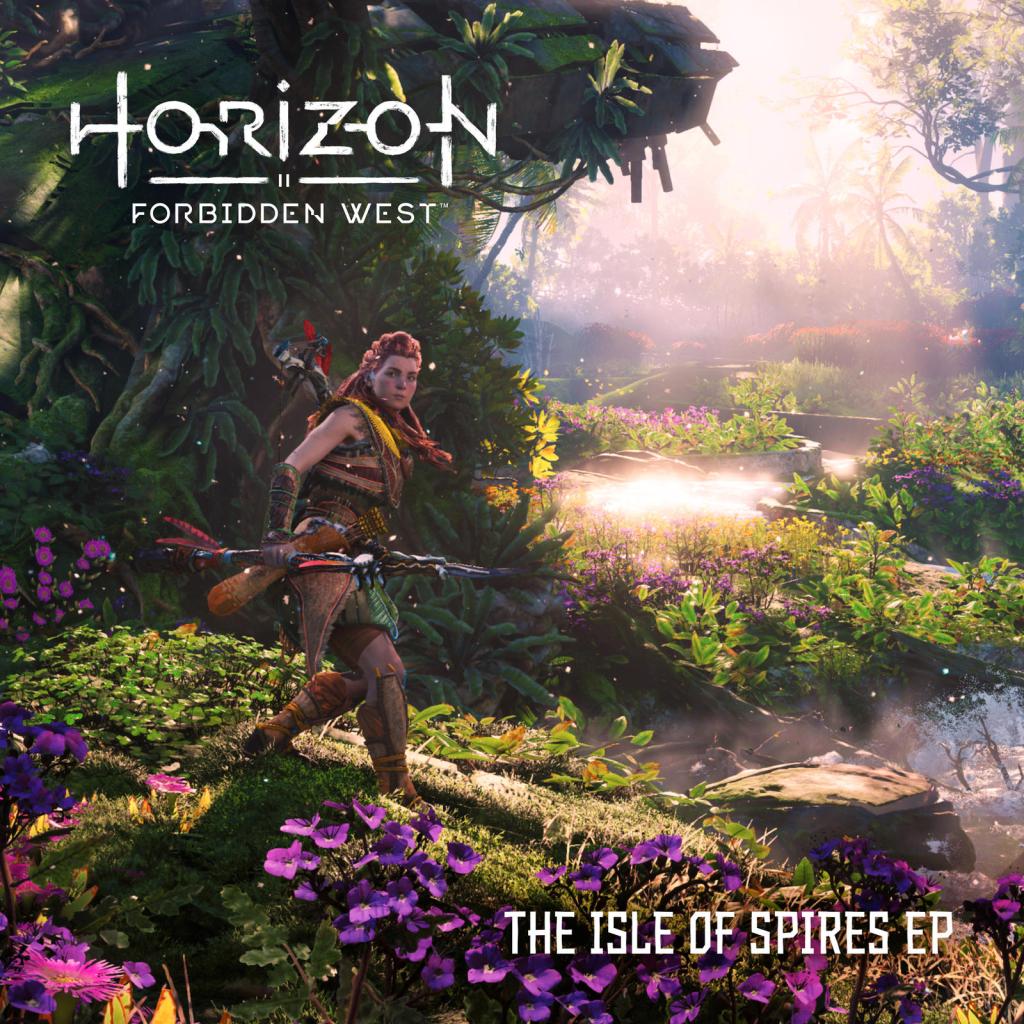
Sony Music Masterworks has released Horizon Forbidden West (The Isle Of Spires EP), an EP of music featured in the forthcoming PlayStation® game.
Available everywhere now, the EP includes music from the highly-anticipated sequel to 2017’s PS4™ release Horizon Zero Dawn. With songs by Joris De Man, The Flight, Oleksa Lozowchuk and Niels van der Leest, the four-track EP reunites the original team of composers and musicians who developed the tribal soundscape of the game’s post-apocalyptic setting,
All of the music on this EP is, quite frankly, gorgeous. It feels like I’m back in the world of Horizon, only it’s bigger and more exotic than ever. If you’re going to make a sequel to one of the best video games ever made (in this case Horizon Zero Dawn) then it only makes sense to include the same team of composers and musicians who worked on that first game, which is exactly what Horizon Forbidden West has done and I’m glad for it.
Just from listening to this EP, it sounds like we’re getting a decent sample of music from different points in the upcoming game. There’s not a whole not here, it’s only four tracks after all, but it’s just enough to whet our appetites for what’s to come. I especially like the music in ‘Riddles in Ruins’ and ‘Eyes Open’, the latter in particular uses strings in a way that leaves me wanting to see and hear more. If you loved the music of Horizon Zero Dawn, then this EP is a must-listen.
ABOUT HORIZON FORBIDDEN WEST
Join Aloy as she braves the Forbidden West – a majestic but dangerous frontier that conceals mysterious new threats. Explore distant lands, fight bigger and more awe-inspiring machines, and encounter astonishing new tribes as you return to the far-future, post-apocalyptic world of Horizon.
The land is dying. Vicious storms and an unstoppable blight ravage the scattered remnants of humanity, while fearsome new machines prowl their borders. Life on Earth is hurtling towards another extinction, and no one knows why. It’s up to Aloy to uncover the secrets behind these threats and restore order and balance to the world. Along the way, she must reunite with old friends, forge alliances with warring new factions and unravel the legacy of the ancient past – all the while trying to stay one step ahead of a seemingly undefeatable new enemy.
Track List
1. A Steady Breath – Joris de Man feat. Julie Elven 2. Riddles in Ruins – The Flight 3. Eyes Open – Oleksa Lozowchuk 4. To Find What Was Lost – Niels van der Leest
Sony Music Masterworks has released The Longest Road On Earth (Original Soundtrack), an album of music from the new PC and mobile indie video game. Available everywhere now, the album includes twenty-four original songs written and performed by game developer & artist Beícoli, marking her first-ever album release. Beícoli (Beatriz Ruiz-Castillo) is a Spanish songwriter and videogame developer based in Madrid, Spain. She has been creating music on her own and for games for the past five years, but The Longest Road on Earth is her first full album-length endeavor.
Created by Brainwash Gang and published by Raw Fury,The Longest Road on Earth is available now on PC and mobile. The Longest Road on Earth is a deeply personal and meditative narrative title. Play in the songs of four short stories featuring stripped down mechanics and no words. Each story is up for interpretation – what story lives inside you for each character and the world around them?
Of the soundtrack, Beícoli says:
”The Longest Road on Earth has turned out to be something I needed and didn’t even know it. It was a blank slate on which I have learned to use music as a journal. To me it is a long road — One of self-discovery and self-acceptance that I hope to keep walking for the rest of my life.”
THE LONGEST ROAD ON EARTH (ORIGINAL SOUNDTRACK)
TRACKLISTING –
The Hill
It is
On my own
I can’t see you
BB
Trip to the Lake
The Picture
The Bird
The Dreamer
The Human
The Goodbye
The train that goes Nowhere
The Remedy
Highway
Healing
100 Miles
Waves
Let it go
Feels like home
Play Pretend
The Shape of Clouds
Break and Make
Forever and More
The Longest Road on Earth
You can check out the soundtrack for The Longest Road on Earth now!
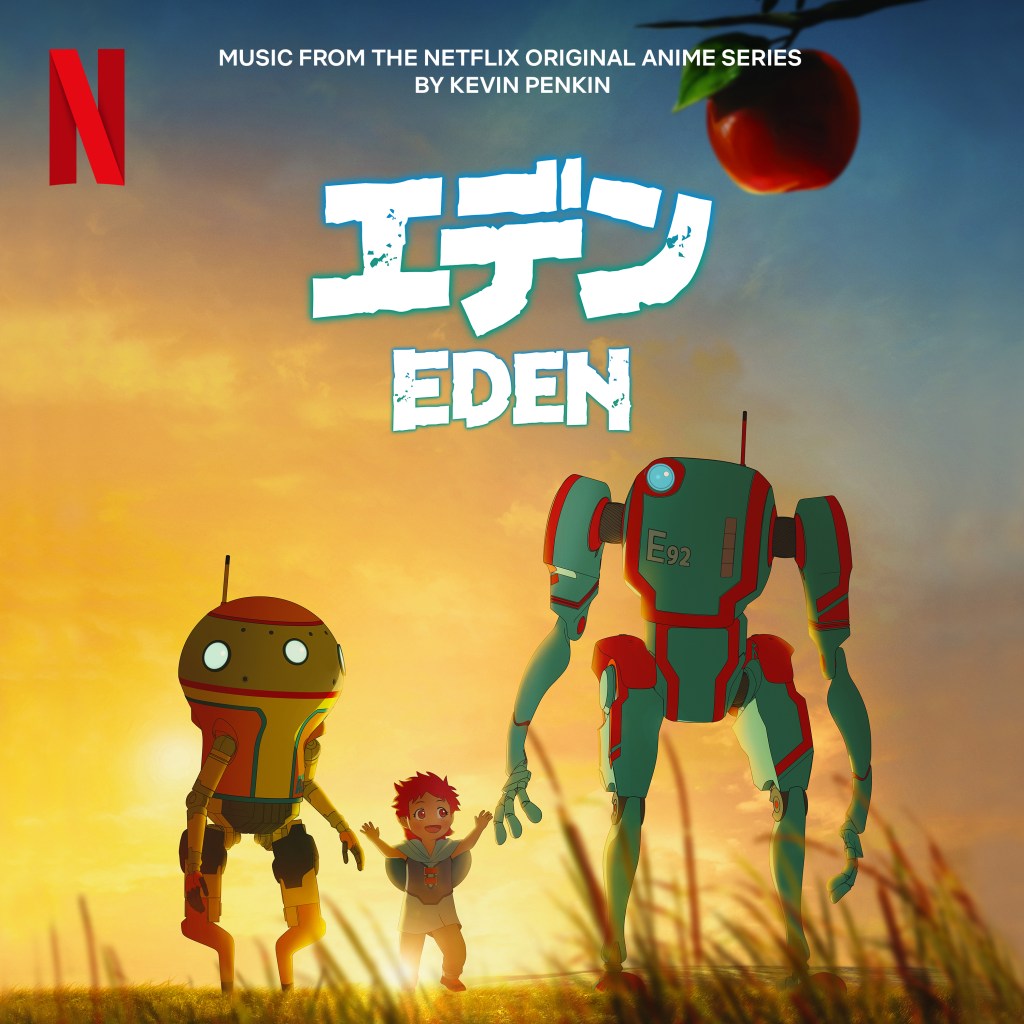
Milan Records has released EDEN (Music From the Netflix Original Anime Series) by composer Kevin Penkin (Tower of God, Made in Abyss, Florence). Available for preorder now, the album features music written by Penkin for Netflix’s latest original anime series, which follows the last remaining human girl as she navigates an unfamiliar robot-inhabited world. Created by Justin Leach (Ghost in the Shell 2) and directed by legendary Fullmetal Alchemist: Brotherhood director Yasuhiro Irie, Eden debuted on Netflix on Thursday, May 27.
Kevin Penkin, based in Melbourne, is a BAFTA-nominated composer for Japanese animation and video games. He is best known for composing the award-winning score to Made in Abyss, and the music to the BAFTA award-winning game Florence. Kevin moved to London in 2013 to complete a Masters degree in Composition for Screen at the Royal College of Music. During this time, Kevin collaborated with legendary video game composer Nobuo Uematsu on a number of Japanese video game titles, which eventually led him to break into the Anime industry. After releasing his breakthrough score for Made in Abyss, Penkin continued to compose music for Japanese animation, with scores for both The Rising of the Shield Hero and Tower of God.
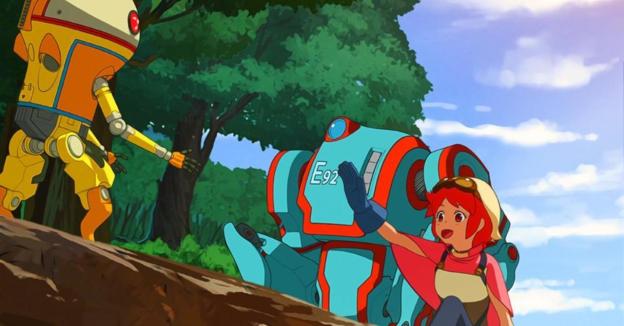
Thousands of years in the future, a city known as “Eden 3” is inhabited solely by robots whose former masters vanished a long time ago. On a routine assignment, two farming robots accidentally awaken a human baby girl from stasis questioning all they were taught to believe — that humans were nothing more than a forbidden ancient myth. Together, the two robots secretly raise the child in a safe haven outside Eden.
Of the soundtrack for EDEN, composer Kevin Penkin had the following to say:
“Eden is one of those projects that I will cherish forever. The love put into this project not only from the team, but also the musicians, is humbling. Being able to work with people who gave so much trust in the direction of the music is something I will forever cherish. Please enjoy the unique world of Eden, as we combine the unique worlds of a 3D-printed 6-string violin, female voices and electro-acoustic sound-sources. We have tried to put our best foot forward to honor the amazing work of this team.”
The music for Eden is intensely beautiful and not at all what I imagined it would sound like. Though that may be my fault as I saw the story’s premise of two robots caring for a human child and immediately imagined that the music would focus on all of the robots and be more mechanical in nature. However, judging by what I’ve heard, Kevin Penkin went in the opposite direction entirely. The music for Eden is highly reminiscent of the countryside and nature, which makes sense since a) the name of the series references the Garden of Eden and b) the robots in question are programmed to do farm work so they would be out among nature anyway.
Another detail I noticed, and I really need to start asking composers about this is, a lot of these tracks are really short, like 30-45 seconds. I’ve said it before and I’ll say it again, a track that is less than a minute long doesn’t give you a whole lot of time to get into it. By the time the music really gets going…it’s over. I really need to start asking why some tracks are so short, as these can contain some of my favorite musical ideas, but they stop short when it feels like they could go on much longer.
I also love how the strings come together in this soundtrack. The strings I’m hearing sound so beautiful and unique, this has to be the 3-D printed six-string violin that the composer references. The music this instrument creates is unbelievable: it sounds like a perfect fusion of East and West in that the strings sound like a traditional Western instrument but the music itself is in an Eastern mode. The blending of musical styles creates such a treat for the ears that I literally can’t stop listening to this music.
I highly recommend checking out the music for Eden and I hope you enjoy it.
EDEN (MUSIC FROM THE NETFLIX ORIGINAL ANIME SERIES)
TRACKLISTING –
The Garden of EDEN
Genesis
The Capsule Under the Tree
Recharge
Ocean Way
Reprogram
Sunrise Over the Cube
Uncle John
Sara
VR
Valhalla
EDEN 3
Dreams
Chasey
Return to Base
EDEN.Waltz
Sunset
Liz Projections
ZERO
Appledrop
Penrose Steps, A.I. Bloom
Password:
Truth Is
EDEN ZERO
Archive
Mama & Papa
Detonation
Removal
4
Dr. Fields
Memory Fields
The Place Where Everyone Laughs
SARA GRACE
Rain
Demolition
Red vs Blue
Strawberry Blonde
The Girl in the Field
The Robotic Code of Ethics
Let me know what you think about Eden and its soundtrack in the comments below and have a great day!
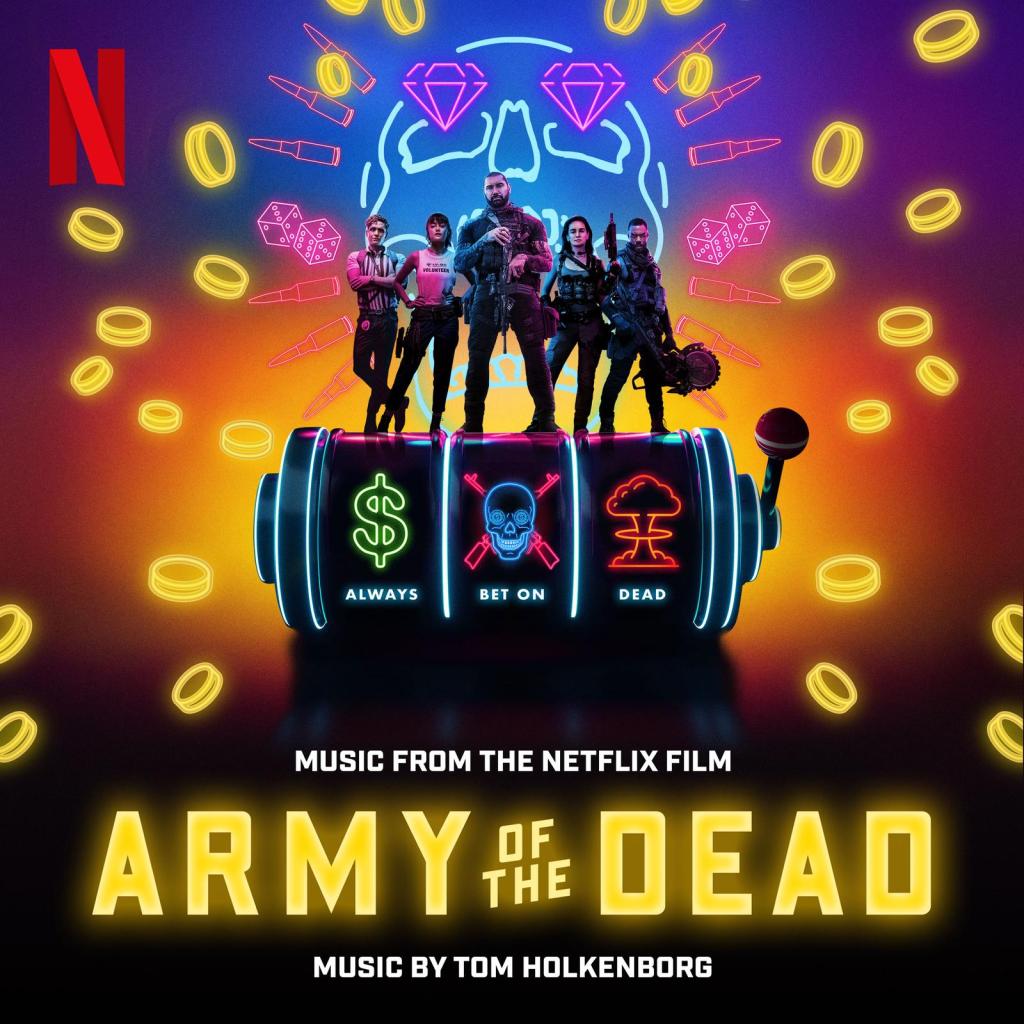
Milan Records has released Army of the Dead (Music From the Netflix Film)by multi-platinum producer, musician, composer and educator Tom Holkenborgaka JUNKIE XL.
Available everywhere now, the album features music written by Holkenborg for director Zack Snyder’s zombie heist film. The project is the latest in a longstanding creative partnership between Snyder and Holkenborg, who most recently collaborated on Zack Snyder’s Justice League, but started their relationship in 2014 with the Snyder-written and produced 300: Rise Of An Empire. The duo have also worked together on Man of Steel and Batman v Superman: Dawn of Justice. 2021 has already been a major year for Holkenborg, whose epic score for Zack Snyder’s Justice League was one of the longest ever recorded, and was swiftly followed by him scoring the record-breaking Godzilla vs Kong blockbuster. Army of the Dead is now available to watch in select theaters and to stream on Netflix.
Of the soundtrack, composer Tom Holkenborg says:
“A zombie heist movie in Vegas with Zack and Netflix, how could I say no? Army of the Dead was a chance to start something very new and fresh, which is certainly ironic for a movie about the undead! It was such a fun project as we got to rip up the rule book, and really re-examine what a zombie movie could sound like. It’s a LOT of fun!”
From filmmaker Zack Snyder (300, Watchmen, Zack Snyder’s Justice League), Army of the Dead takes place following a zombie outbreak that has left Las Vegas in ruins and walled off from the rest of the world. When Scott Ward (Dave Bautista), a former zombie war hero who’s now flipping burgers on the outskirts of the town he now calls home, is approached by casino boss Bly Tanaka (Hiroyuki Sanada), it’s with the ultimate proposition: break into the zombie-infested quarantine zone to retrieve $200 million sitting in a vault beneath the strip before the city is nuked by the government in 32 hours. With little left to lose, Ward takes on the challenge, assembling a ragtag team of experts for the heist. With a ticking clock, a notoriously impenetrable vault, and a smarter, faster horde of Alpha zombies closing in, only one thing’s for certain in the greatest heist ever attempted: survivors take all.
Now while I found the film itself to be quite underwhelming, I was still willing to give the soundtrack on its own a chance. However I really should have known better because the soundtrack for Army of the Dead did absolutely nothing for me. Except for one moment in ‘Not Here’ where I like how the music comes together, the soundtrack for Army of the Dead is dull, dead, downright boring, and so on. The biggest crime of them all is how boring most of this music is. I’ve said many times that it’s hard to screw film music up, and in a zombie heist film, the process should be fairly simple: all you need is an action-y score to back up what’s happening on the screen.
Um, clearly someone missed that idea because most of this soundtrack does the complete opposite. Most of this music is ploddingly slow and thoughtful which is not what you need for a zombie heist film. I get that Holkenborg wanted to re-examine what a zombie movie sounds like but….they’re really not supposed to sound like this. Put more simply: if the music in a film soundtrack bores me, then something has gone terribly wrong.
I can now definitely chalk up Army of the Dead as one of my biggest disappointments of the year, because not only was the film bad, but the soundtrack is equally as bad. Though, as I mentioned before, there is the one bright spot of ‘Not Here.’ In THAT track at least, I like how the music crashes together in a rising crescendo that, if it takes place in the moment I think it does, is the one moment in the film where music and picture work together perfectly.
In good conscience, I can’t recommend the Army of the Dead soundtrack, but if you check it out and happen to like it, then I am happy for you. For me personally, it doesn’t work and is one of the worst soundtracks I’ve heard in a long time.
ARMY OF THE DEAD (MUSIC FROM THE NETFLIX FILM)
TRACKLISTING –
Viva Las Vegas
Scott and Kate Part 1
Scott and Kate Part 2
Scott and Kate Part 3
Toten Hosen
Swimming Pool
Not Here
3 Flares
Battle Hallway Part 1
Battle Hallway Part 2
Zeus and Athena Part 1
Zeus and Athena Part 2
Let me know what you think about Army of the Dead and its soundtrack in the comments below and have a great day!














 Film Music Central