Category Archives: Soundtracks

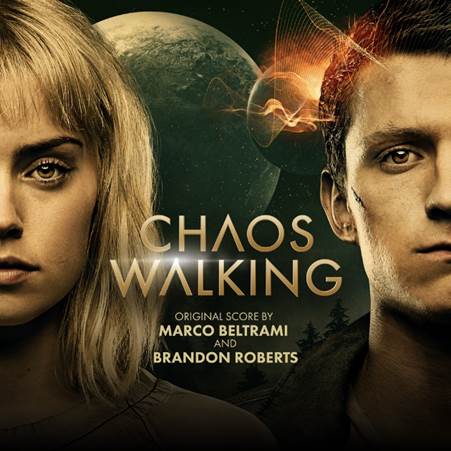
Soundtrack Review: Chaos Walking (2021)

Back in April, Milan Records released Chaos Walking (Original Score) with music by Marco Beltrami and Brandon Roberts. Available everywhere now, the album features score music from Lionsgate’s new film starring Daisy Ridley and Tom Holland from the director of The Bourne Identity and Edge of Tomorrow. The score continues a long tradition of collaborations between the two-time Academy Award®-nominated composers Beltrami and Roberts, who also garnered an Emmy® Award together for their work on Free Solo.

Of the soundtrack, Beltrami and Roberts had the following to say:

“The score for Chaos Walking provided a unique opportunity for us to create a musical language for a fictitious world that was simultaneously both familiar and alien, and in so doing, explore crossing genres that are rarely combined. There are otherworldly sci-fi elements, as well as classic gritty western themes. We had a lot of fun implementing new instruments that would define this cross pollination. It was an adventure to live in this new musical world.”

The music for Chaos Walking is indeed a blend of the familiar and the alien and it is so much fun to listen to. Marco Beltrami has yet to let me down in any film score he has worked on, and that remains true here. It’s somewhat mind-bending to hear sci-fi music blended with classic western music, because off the top of my head that strikes me as a musical combination that should NOT work. But you know what? It works! Somehow, it all comes together and creates a sound world that is strange and new but oh so enticing for the ears.

While I appreciate that the composers have blended together music from the sci-fi and western genres, I’m still more drawn to the sci-fi elements in the score (it is my favorite genre for a reason), particularly ‘Chaos in Space’, I really like how that one track is practically vibrating with tension. Any time strings can be made to make me feel tense or uncomfortable, it’s a good day because that’s one of my favorite ways to hear those instruments being used in a score.

I’m glad I finally sat down to listen to the music for Chaos Walking. I can’t speak for the film itself, but the music is definitely worth it!

Track List

1. Main Title (2:03)
2. Love That Knife (1:41)
3. Friendship Theme (1:58)
4. Lost in the Woods (1:25)
5. Chaos in Space (1:09)
6. Thief / Gotta Tell (2:35)
7. First Encounter (1:14)
8. Motor Horse Chase (2:11)
9. Posse on the Move / Exploring the Ship (4:41)
10. Spackle Tackle (2:05)
11. Farbranch (2:02)
12. Letter From Mom (3:01)
13. Town Attack (6:52)
14. Lonely (2:09)
15. Riverbank Chase / Rapids (3:32)
16. You’re a Good Man, Todd Hewitt (1:35)
17. Preacher Attack / Antenna Climb (3:14)
18. Showdown (3:42)
19. Women Unite (2:11)
20. I Am Todd Hewitt (2:20)

Let me know what you think about Chaos Walking and its soundtrack in the comments below and have a great day!

See also:

Film Soundtracks A-W

Become a Patron of the blog at patreon.com/musicgamer460

Check out the YouTube channel (and consider hitting the subscribe button)

Don’t forget to like Film Music Central on Facebook 

Soundtrack News: Decca Records Releasing Original Soundtrack for ‘Dream Horse’ by Benjamin Woodgates

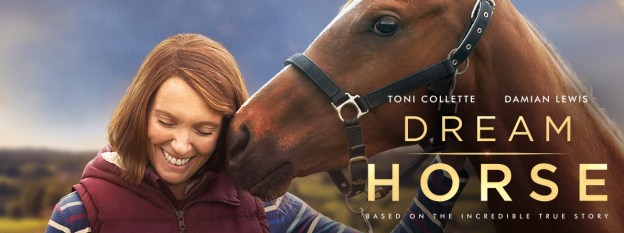
Decca Records is excited to announce the release of the Original Motion Picture Soundtrack for the Bleecker Street and Topic Studios comedy-drama ‘Dream Horse,’ composed by Benjamin Woodgates. The digital soundtrack is available on all major streaming platforms, coinciding with the U.S. theatrical release on May 21, 2021, two weeks before the U.K. release on June 4, 2021.

Benjamin Woodgates is one of the UK’s most sought-after young composers. An alumnus of Oxford University and the Royal College of Music, his strong sense of musicality, broad stylistic reach and sensitivity towards picture is evident in his scores for film, installation, video games and high-profile advertising campaigns. He has also worked extensively as an orchestrator and musical director for film and television, recent credits including Mission: Impossible – Fallout, Spider-Man: Into the Spider-Verse, Victoria and The Dark Crystal: Age of Resistance (Orchestrator); Madeleine Sims-Fewer’s Violation (Conductor); and Terence Davies’ Benediction (Musical Director & Arranger).

Directed by Euros Lyn (Doctor Who), the film tells the inspiring true story of Dream Alliance, an unlikely race horse bred by small town Welsh bartender, Jan Vokes (Academy Award® nominee Toni Collette). With very little money and no experience, Jan convinces her neighbors to chip in their meager earnings to help raise Dream in the hope he can compete with the racing elites. The group’s investment pays off as Dream rises through the ranks with grit and determination and goes on to race in the Welsh Grand National, showing the heart of a true champion.

There are two sound worlds in Benjamin’s Dream Horse score. One is that of Cefn Fforest, the village in Wales that is home to the film’s ensemble of characters. At the start of the film, these characters are trapped in a cycle of monotony and struggle to relate to one another. To represent them musically, Benjamin pieced together a rag-tag ensemble of instruments, including an old upright piano, a harmonium, a fiddle, and an accordion. The musical result is wheezy, clunky and jagged edged to begin with; however, as the characters bond together to form a syndicate, so does the sound of the ensemble, bringing out the warmth and character that underlies each of these instruments.

The second sound world is built around the horseraces in the film. In stark contrast to the homespun feel of the village ensemble, Benjamin employed a string orchestra to reflect the prestige of the racecourse and to emphasize the sense of alienation and exclusion felt by the characters as they find themselves up against the racing elites. In the run-up to each race, the orchestra plays with sophisticated reserve; however, as the action zooms in to the race itself, the shackles are off, and listeners will hear a different side of the ensemble altogether – one that aims to capture the mud-spattered, unforgiving nature of the turf.

Regarding the music for Dream Horse, Benjamin Woodgates had the following to say:

“Euros Lyn [director] and I worked closely together to create the musical blueprint for this score, meeting regularly in the cutting room in Cardiff and picking up the phone to bounce ideas back and forth. Euros is an accomplished musician himself but made a point of communicating through dramatic and emotional ideas rather than using musical terminology, so that we could build a musical language from the ground up. He had prepared a broad palette of musical references for the tone of the film as a whole – everything from Nick Cave to The Velvet Underground – but was careful to keep these as broad as possible in the hope that we could forge our own sound for Dream Horse.

Euros was keen to give each race scene its own distinct identity, so each race cue has its own musical flavour and structure, governed by what’s at stake. Dream Alliance himself is voiced as a solo violin – capricious, un-tamed, brilliant – which vies against the mass of the string orchestra, refusing to yield to its pull. This counterpoint between solo violin and ensemble underpins all the race sequences, through highs and lows, a battling duet, an unrelenting passacaglia, and a barnstorming rondo-finale.

One of the film’s key themes is that of giving voice to the unheard; both literally, in the case of Dream Alliance, and more symbolically for Jan and her community. In the early scenes the score lies near-dormant, its step-wise motion punctured only by Jan’s sheer force of will and a faint rumbling of hope. However, as Jan sets out to realize her dream and rekindle a sense of belief in her community, the rumblings intensify and the music’s melodic contours begin to soar.”

TRACK LISTING

  1. The Syndicate
  2. Just Starting On It Now
  3. Cefn Fforest
  4. The Hwyl
  5. Be Brave And Brilliant
  6. It’s Not Much, But It’s Home
  7. In For A Penny
  8. Chepstow
  9. Life Cycle
  10. I’m Jan
  11. Sixteen To One
  12. This Won’t Get Out Of Hand
  13. Procession
  14. Aintree – Prelude
  15. Aintree – Ground
  16. By A Thread
  17. Hanging In The Balance
  18. Dad
  19. The Gallops
  20. Tacking Up
  21. Let Him Run
  22. Proper Valley Boy
  23. Delilah

You can check out the soundtrack for Dream Horse on digital now!

See also:

Become a Patron of the blog at patreon.com/musicgamer460

Check out the YouTube channel (and consider hitting the subscribe button)

Don’t forget to like Film Music Central on Facebook 

Soundtrack News: Six Degree Records Releases Belushi (Music From the ShowtimeⓇ Documentary Film) Composed by Tree Adams

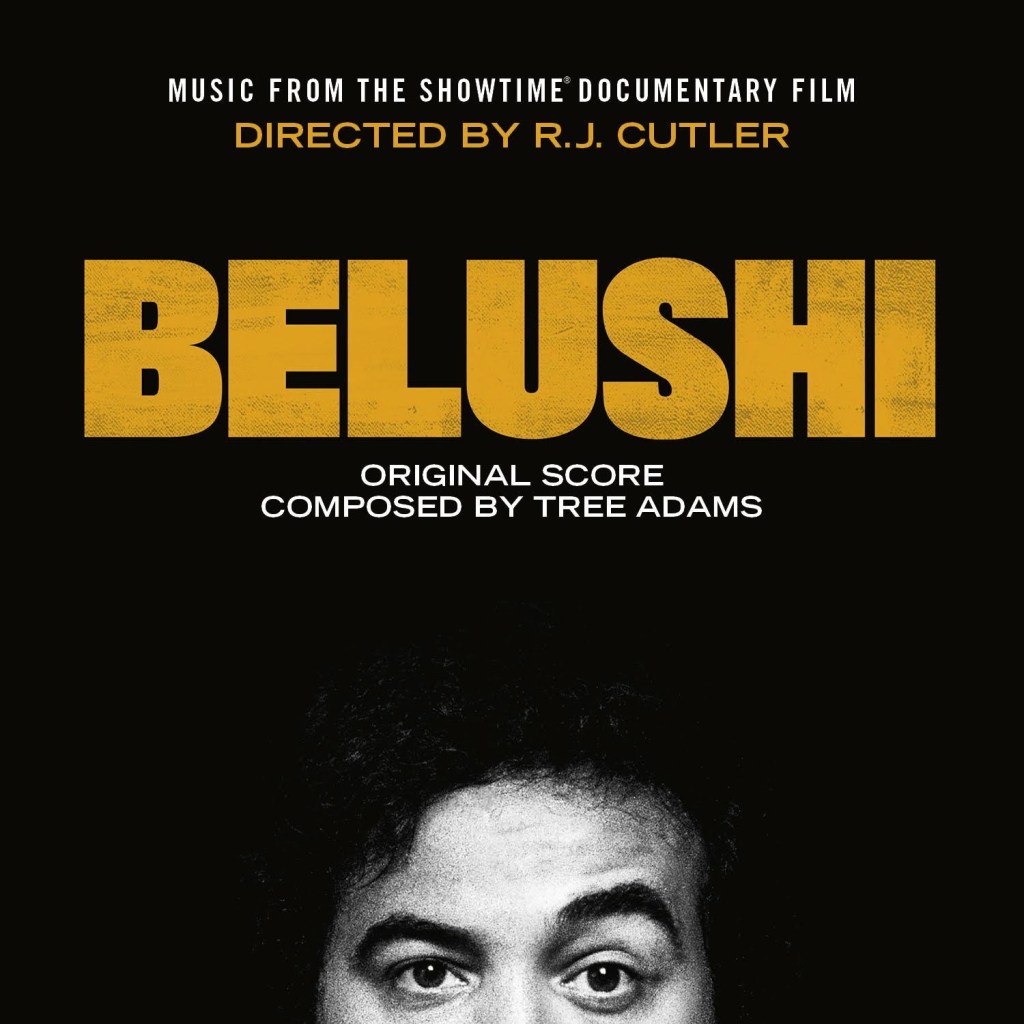
Six Degrees Records’ Belushi (Music From The ShowtimeⓇ Documentary Film) composed by Tree Adams is now available on all major streaming platforms. Directed by award-winning filmmaker R.J. Cutler, the documentary takes a revealing look at the brilliant life of comedic legend John Belushi.

Cutler’s feature documentary details the too-short life of the John Belushi, a once-in-a-generation talent who captured the hearts and funny-bones of audiences worldwide. Told using previously unheard audiotapes, this film examines Belushi’s extraordinary life in the words of his collaborators, friends, and family, including Dan Aykroyd, Jim Belushi, Penny Marshall, Lorne Michaels, Carrie Fisher, Chevy Chase, Harold Ramis, Jane Curtin, Ivan Reitman and his high school sweetheart and later wife Judy Belushi.

The original score serves as Belushi’s loyal companion as he blazes through the alluring blues, funk, and rock stylings of the decadent ‘70s. Adams, an Emmy-nominated and BMI Award-winning composer, deconstructs these recorded band elements at times, layering them in a distinctly cerebral and psychedelic stew. For BELUSHI, Adams won the 2020 Hollywood Music in Media Award for Outstanding Score – Documentary TV Series.

“For the Belushi score, R.J. wanted us to be able to layer a driving band sound in there as a backdrop for much of the journey but we also needed to be able to accommodate some cerebral and poignant spaces along the way,” said Adams. “So, to keep things feeling cohesive, we tore the live recordings apart and used the elements to make new pieces by reversing and warping the sounds into something that felt entirely unrecognizable but somehow connected.”

Track List:

  1. Kissing John’s Ass
  2. First And Only Valentine
  3. Good And Bad At The Same Time
  4. Everybody Knows Me
  5. Get Married
  6. Knowing His Appetites
  7. I Got My Woman
  8. Jimbo
  9. John Figures Out What He Wants To Do
  10. John In LA
  11. Cocaine
  12. Tension Between Lorne Michaels And John
  13. Radio Show
  14. Nixon
  15. Ramis Recounts
  16. Ranch For His Parents
  17. Identity Crisis
  18. Belushi Disappears For A Nap
  19. Lemmings
  20. Cultural Icons
  21. Rise Of Chevy
  22. Chevy Leaving The Show
  23. Split Up
  24. People Adored Him
  25. Spin Cycle
  26. Belushi Dead at 33

Be sure to check out the soundtrack for Belushi, which is available now!

See also:

Become a Patron of the blog at patreon.com/musicgamer460

Check out the YouTube channel (and consider hitting the subscribe button)

Don’t forget to like Film Music Central on Facebook 

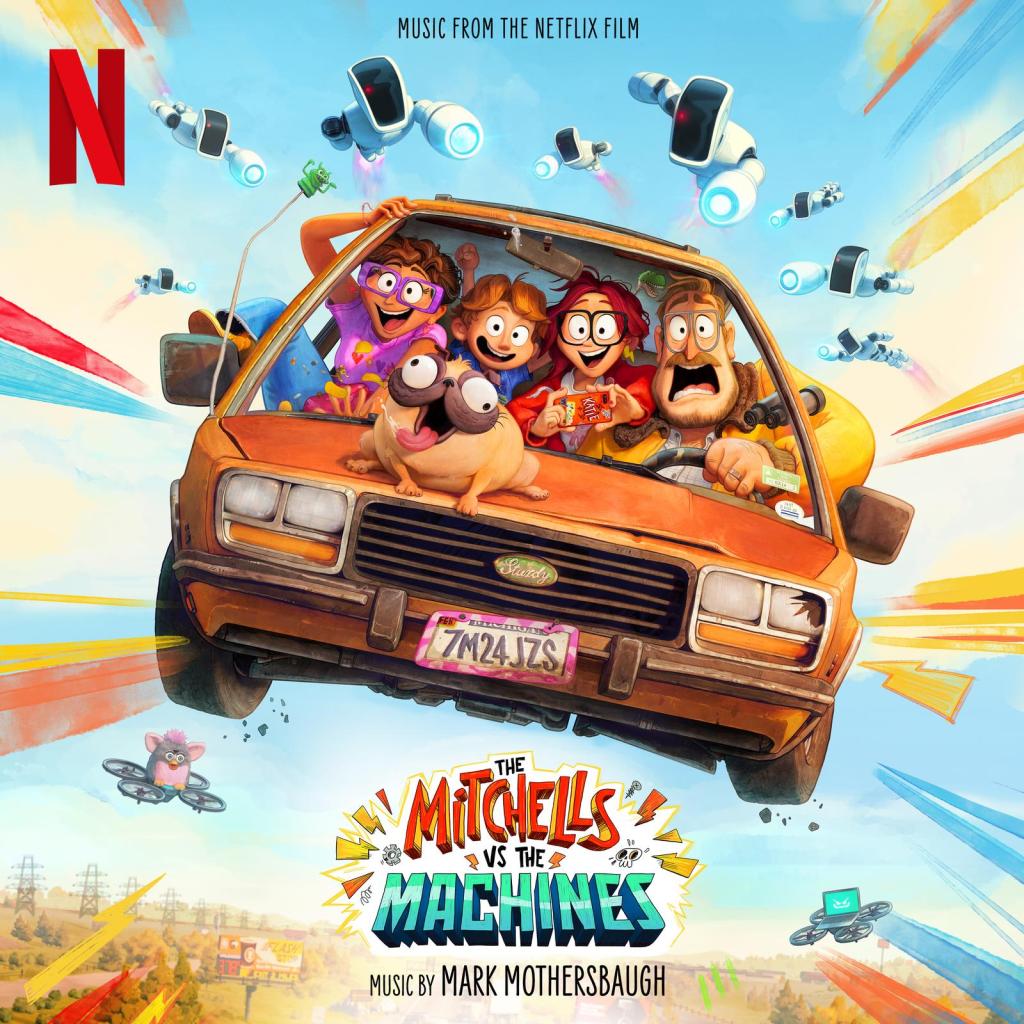
Soundtrack Review: The Mitchells vs The Machines (2021)

Sony Music Masterworks has released The Mitchells vs. The Machines (Original Motion Picture Soundtrack) with music by prolific composer, singer, multi-instrumentalist and co-founder of DEVO Mark Mothersbaugh. Now available everywhere, the album includes score music written by Mothersbaugh for the animated film, which follows an eccentric family in the middle of the robot apocalypse.  The soundtrack is the latest in a longstanding creative partnership between Mothersbaugh and film producers Phil Lord and Chris Miller, having previously worked together on titles like The LEGO Movie, 21 Jump Street, Cloudy with a Chance of Meatballs and more.

Of the soundtrack, composer Mark Mothersbaugh had the following to say:

“Just thinking about working on this film during a once-in-a-century, world-wide pandemic makes you want to draw correlations between the story of the film and what was happening in this world (the so-called real world). Doing so really gave everything more meaning and added gravitas to an already amazing project to begin with. I will always remember this film for the added attention the pandemic allowed the directors and producers to bring to it, as we were able to work on an extended schedule. It gave us the rare chance to play with the parts, to get them just the way we wanted them and to make a dang-near perfect film!”

“’On My Way’ is a song about new beginnings. I really wanted to capture Katie’s sense of urgency to grow up and expand her horizons while still being grateful of where she has come from and the people that have gotten her where she is. It’s that push and pull of being on a path towards something new and exciting while remembering and celebrating what you’re leaving behind. I think that is something we can all relate to. ‘On My Way’ is one of my favorite songs I have ever worked on and I am so happy it has found a home in the wild world of the Mitchells,” adds singer-songwriter Alex Lahey of her inclusion on the soundtrack.

This soundtrack is a lot of fun to listen to. Mothersbaugh has created a delightful blend of several musical genres that make for a great experience. As near as I can make out, the music for The Mitchells vs The Machines is a blend of action music, sci-fi music, and family music. It’s really mind-blowing when the music switches over from the quiet-ish family music opening to the sci-fi music that enters when the robot apocalypse begins. That’s not the easiest transition to make given the wide disparity between those two styles, but Mothersbaugh makes it feel easy and the music pulls you along for the ride without hardly missing a beat.

The sci-fi music portion of the soundtrack is easily the best part (though it’s all good if I’m honest). It’s wild, it’s zany, you can almost picture what’s going on, it’s exactly what an animated robot apocalypse should sound like. What really surprised me though, is how quiet the soundtrack can be when the music isn’t focused on the robots. I won’t say if this is good or bad, but sometimes it feels like all of the energy is devoted to the music for the robot apocalypse, and the rest is just…quiet, soft, not as important (though I may be overthinking it).

All that being said, I can’t get over how much I love the way Mothersbaugh can switch between musical styles. There’s traditional instruments in there, there’s electronic music, there’s music that blends BOTH. This is a complex musical score, one that grows on you the more you listen to it. I certainly recommend listening to the soundtrack apart from the film if you get the opportunity.

Track List

  1. Columbia Opening / Apocalypse (1:15)
  2. Katie’s Life / Good Cop Dog Cop (3:17)
  3. Laptop Breaks / Home Movies (3:43)
  4. Rise of the Robots (1:30)
  5. Robots Falling from the Sky (1:25)
  6. Eat Laser Robots (1:15)
  7. Robots Capture Humans (1:36)
  8. On the Roof H (1:53)
  9. Two Dumb Robots (0:55)
  10. We Could Get Our Lives Back (0:13)
  11. Katie’s Speech (1:28)
  12. Drive Drive ! (2:07)
  13. Robots March on PAL (0:45)
  14. Foolish Human Air (0:53)
  15. Abandoned Mall ! (1:35)
  16. Mall Robots Attack (1:56)
  17. Furbies Attack_Router Knocked Out (3:29)
  18. Rick’s Pep Talk (2:21)
  19. The Stealthbots (1:21)
  20. Katie and Linda (1:56)
  21. Entering Robot City (3:05)
  22. The Pod Falls (0:51)
  23. They Capture Linda and Rick (0:57)
  24. Hiding in the Woods (2:36)
  25. Katie’s Video (1:52)
  26. Katie to the Rescue (2:03)
  27. Screwdriver Escape (1:47)
  28. Yub Tub (2:00)
  29. Linda Kicks Ass (1:35)
  30. Katie Explains (1:45)
  31. Katie and Rick Work Together (2:17)
  32. I’m a Mitchell! (0:44)
  33. Humanity Is Saved (1:17)
  34. Katie’s Dead (0:56)
  35. Arriving at College (2:32)
  36. On My Way – Alex Lahey (3:05)

Let me know what you think about The Mitchells vs The Machines and its soundtrack in the comments below and have a great day!

See also:

Film Soundtracks A-W

Become a Patron of the blog at patreon.com/musicgamer460

Check out the YouTube channel (and consider hitting the subscribe button)

Don’t forget to like Film Music Central on Facebook 

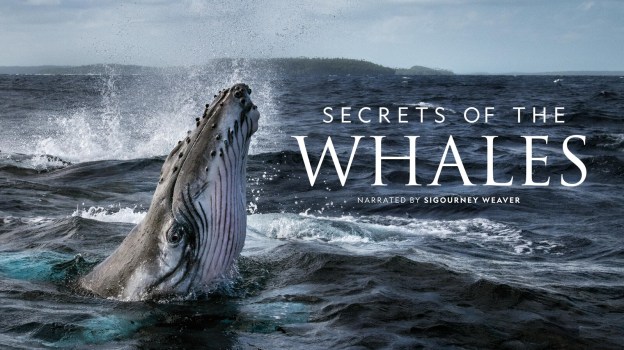
The Music of the Deep: Talking with Raphaelle Thibaut about ‘Secrets of the Whales’ (2021)

Just recently I had the privilege of speaking with composer Raphaelle Thibaut about her work on the Disney+ original series Secrets of the Whales. After she was born, Raphaelle suffered from a series of severe ear issues that led to single- sided deafness. At age 4, following doctor’s recommendation, she started an intense piano practice. She then continued studying music for 15 years at the conservatory of Lille, France, where she graduated in 2002. In 2015, she decided to leave her marketing job at Google to pursue her lifelong passion for music and film scoring. She quickly started writing for independent films and music houses. She then began to work for trailer houses and got featured in major Hollywood productions like Incredibles 2 and Maleficent: Mistress of Evil.

Secrets of the Whales, from National Geographic, plunges viewers deep within the epicenter of whale culture to experience the extraordinary communication skills and intricate social structures of five different whale species: orcas, humpbacks, belugas, narwhals and sperm whales. Filmed over three years in 24 locations, throughout this epic journey, we learn that whales are far more complex and more like us than ever imagined.

I hope you enjoy my conversation with Raphaelle Thibaut!

How did you get started as a composer?
I had a classical music education, starting age 4. I spent long years at the conservatory in France playing the piano and learning everything about reading and performing music. I was obsessed with movies and film music already as a kid which really wasn’t a thing at home so I’m not sure where it came from. I remember using an old recorder to capture sound bites in theaters and playing around with them in my bedroom. I don’t think I was even aware of the concept of film score until I bought my first CDs. I dropped out of music school when I was 18 because I didn’t enjoy the performance part of my training. I think this was an early sign that composing was more my thing. Another early sign was that as a kid, I was very attracted to the composers from the late Romantic era (especially the Russian composers). A lot of the cinematic music genre took inspiration from the dramatism, large orchestra, use of leitmotif, and emotiveness of the romantic era. After music school, I ended up working in Tech but continued to play and compose in my bedroom. In 2015, I finally decided to quit my job to become a full-time composer.

How did you get involved with Secrets of the Whales?
I was approached by two agents very early on in my career as a composer. They believed in me from the very beginning and still are my agents today. A while ago they met Brian Armstrong at Red Rock productions in the UK, who apparently remembered my work the following year when they were looking for a composer for Secrets of the Whales. Initially they were looking to hire multiple composers but I ended up scoring to the 4 episodes so I was thrilled about that.

Was there much collaboration between the director/producers while working on the music?
I was involved right after they were done filming and I started writing in March last year. I continued throughout the pandemic and felt incredibly lucky to do so. I worked closely with the production team at Red Rock Films and indeed more specifically with directors Brian Armstrong and Andy Mitchell. My experience working with them was fantastic. Very empowering. I was able to come up with my own ideas and this allowed me to let go and get my creative juices flowing.

How was your music for this series inspired by Le Grand Bleu?
As a composer and a French person, it was hard not to think of this movie and Eric Serra’s amazing score. As a kid, I was fascinated by those synthetic whale sounds that he recreated for the film. I wanted to have some signature sounds in the score that would evoke the whales, but not imitate them. Both the production team and I wanted to avoid overstepping the existing sounds of animals and nature so I had to be careful about that. I thought of them like additional instruments more than in terms of sound design. Like subtle familiar voices in tune with the music.

What was your inspiration to put the underwater sound world of Secrets of the Whales together? That is to say, how were you inspired by the underwater world of whales when making this music?
I had many issues with my ears when I was a kid; multiple infections that even led to one-sided deafness for a while in my childhood. One thing that remains from this time is that I can’t go underwater, so this just increased the already existing fascination that I have for those animals and places. They are very mysterious, almost mystical to me and I think that at some points in the score my music illustrates that. As a consequence, it almost feels like the deeper we go into the water the more I would use non-traditional elements like synths and processed sounds.

How did you go about making music that sounds like whale songs? They’re so beautiful, was it difficult making music that emulated them?
They are! I was worried that my music would never be able to top this beauty. I think that my strategy was to try to evoke their sounds, not to imitate them. They are already making music when they communicate, so I really didn’t want to overstep that.

What instruments did you focus on when putting the music together? Any non-traditional choices?
The score is hybrid. It sounds mostly orchestral but I actually used a lot of electronic elements to enrich it and ‘make up’ for the fact that there would be no live player at all. Everything has been done on Logic Pro X, using my piano Komplete Kontrol S88, tons of orchestral and electronic plugins, and my voice. It was great to be able to play around with electronic sounds along with orchestral arrangements. This led us to a “versatile” hybrid score and I think we were all happy with the result!

How much time did you have to work on Secrets of the Whales? Did the pandemic affect the process at all
I was involved right after they were done filming and I started writing in March last year. I continued throughout the pandemic and felt incredibly lucky to do so. This was definitely my “Covid project”. The pandemic did affect the process in a way because I didn’t get to meet the team in person yet. But it didn’t affect the creative process because there wasn’t a plan to work with live players apart from me. I actually continued working on the score after the release actually, because we are working on a live concert experience coming in 2022! Secrets of the Whales will feature highlights from the Disney+ original series on a giant screen paired with the triumphant performance of a full symphony orchestra. So I had to write additional music for this.

Do you have a favorite track?
I love The Mourning Mother in the official soundtracks. It was always a special cue for me because it was written for this moment where an orca mother carries her dead calf for days. The fact that she mourns like human beings would and can’t let go broke my heart and marked me greatly.

What’s one thing that you hope viewers notice in the music when they watch this series?
That’s a good question. Probably how the music, despite that it’s very rich and epic, never really overwhelms and leaves lots of room for the narration and natural sounds.

I want to give a huge thank you to Raphaelle Thibaut for taking the time to speak with me about her work on Secrets of the Whales!

See also:

Composer Interviews

Become a Patron of the blog at patreon.com/musicgamer460

Check out the YouTube channel (and consider hitting the subscribe button)

Don’t forget to like Film Music Central on Facebook 🙂

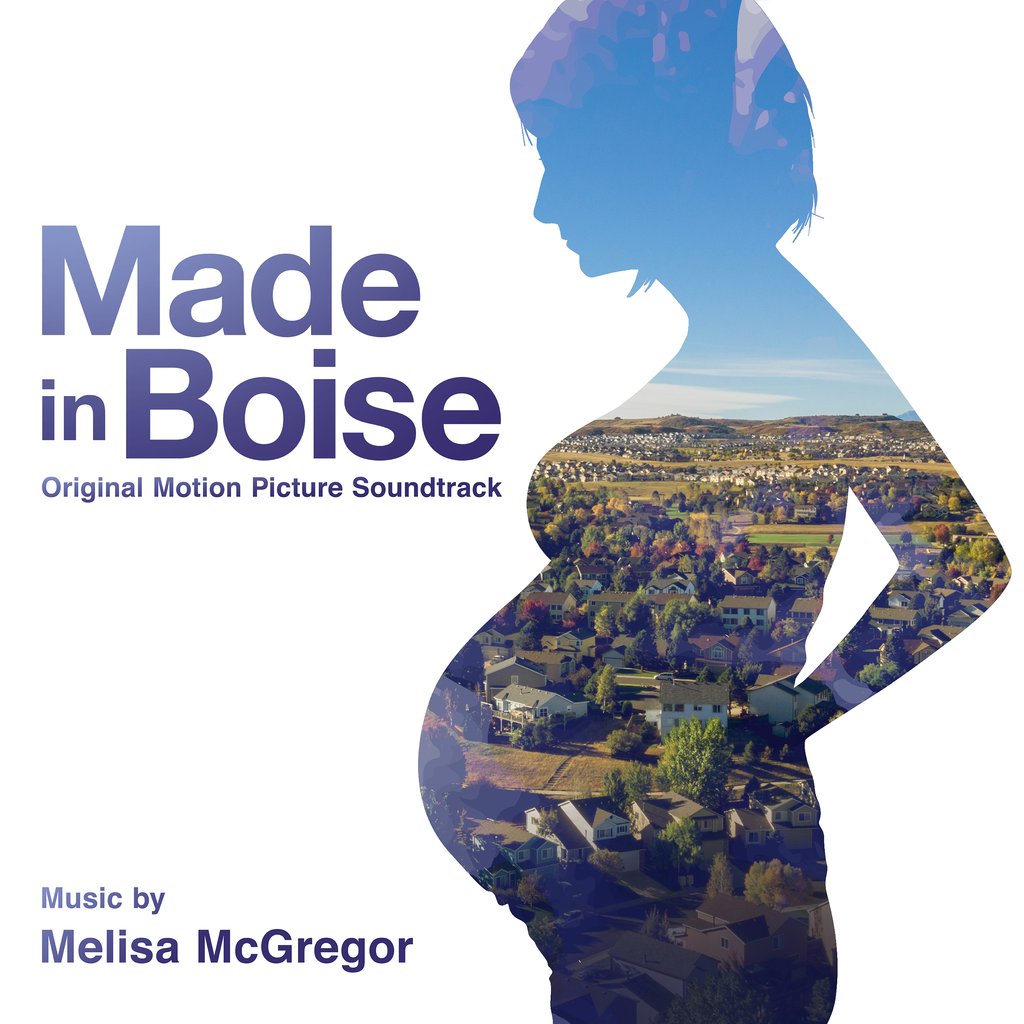
Soundtrack Review: Made in Boise (2019)

I recently had the opportunity to listen to the soundtrack for Made in Boise, a 2019 film which recently saw its soundtrack released digitally by Note for Note Music. The soundtrack, which you can check out here, is the first feature soundtrack composed by Melisa McGregor.

Made In Boise is the Emmy nominated documentary about four women who find purpose carrying babies for strangers in the conservative heartland of Boise, Idaho – the unregulated and unofficial `surrogacy capital’ of the United States – and encounter unexpected complexities along the way. 

Based in Los Angeles, Melisa McGregor is a Canadian-born Composer, Violinist and Producer, a Sundance Lab Composer Fellow and Member of Labyrinth Theater Company (NYC).  Melisa has worked as a composer’s assistant to Danny Elfman on many diverse film scores, from Tim Burton’s  Alice in Wonderland (2010) to Universals’s The Grinch (2018). 

The music for Made in Boise is a type I haven’t heard in a really long time. After being wrapped up in sci-fi music, video game scores, and all kinds of fast paced music for more films than I can count, it was so refreshing to hear something that was slower and reminded me of a simpler way of life. Because that’s what I hear listening to Made in Boise: music that speaks to a world that is quieter, calmer, where all that matters is you and the baby that is growing inside the different surrogate mothers featured in the story.

One thing that caught me by surprise though is how short some of the tracks are. I know soundtracks can have individual tracks as long or short as the story requires, but some of these are the shortest I’ve ever seen. For instance, #7 ‘Shannon Before’ is only thirty-eight seconds long. That’s not an incredibly long amount of time for a musical piece, just as I’m getting into it, it’s over. If I have one gripe with the music, it’s that some of the pieces feel too short to satisfy me, but perhaps there was a good reason some of the pieces are so short.

All in all, the music for Made in Boise is quiet and pleasing, the perfect backdrop for the story of surrogacy and the struggles that can come with bringing new life into the world. This soundtrack is a nice calm counterpoint for all the more “action-filled” soundtracks I’ve been listening to as of late, and it’s a nice reminder that not all soundtracks have to be “noisy” to be good.

Track List:

1. Main Titles (1:00)
2. Farm Live (1:04)
3. Shannon (1:01)
4. Playground (1:00)
5. Surrogacy Support (1:01)
6. Ernesto (1:02)
7. Shannon Before (:38)
8. Nicole to Hospital (1:21)
9. Afterglow (1:16)
10. Idaho (1:45)
11. Losing Finley (1:30)
12. Whassap (:38)
13. Chelsea’s Birth (1:35)
14. Ernesto’s Goodbye (1:06)
15. Cindy Struggles (1:17)
16. Sammy’s Birth (1:03)
17. Afterglow — Reprise (1:17)
18. Skin to Skin (:35)
19. Chelsea Running (1:32)
20. Epilogue (1:35)
21. On Your Way Now — Sharon Van Etten (2:53)
22. Wild Guitars (Bonus track) (3:10)

Let me know what you think about Made in Boise and its soundtrack in the comments below and have a great day!

See also:

Film Soundtracks A-W

Become a Patron of the blog at patreon.com/musicgamer460

Check out the YouTube channel (and consider hitting the subscribe button)

Don’t forget to like Film Music Central on Facebook 

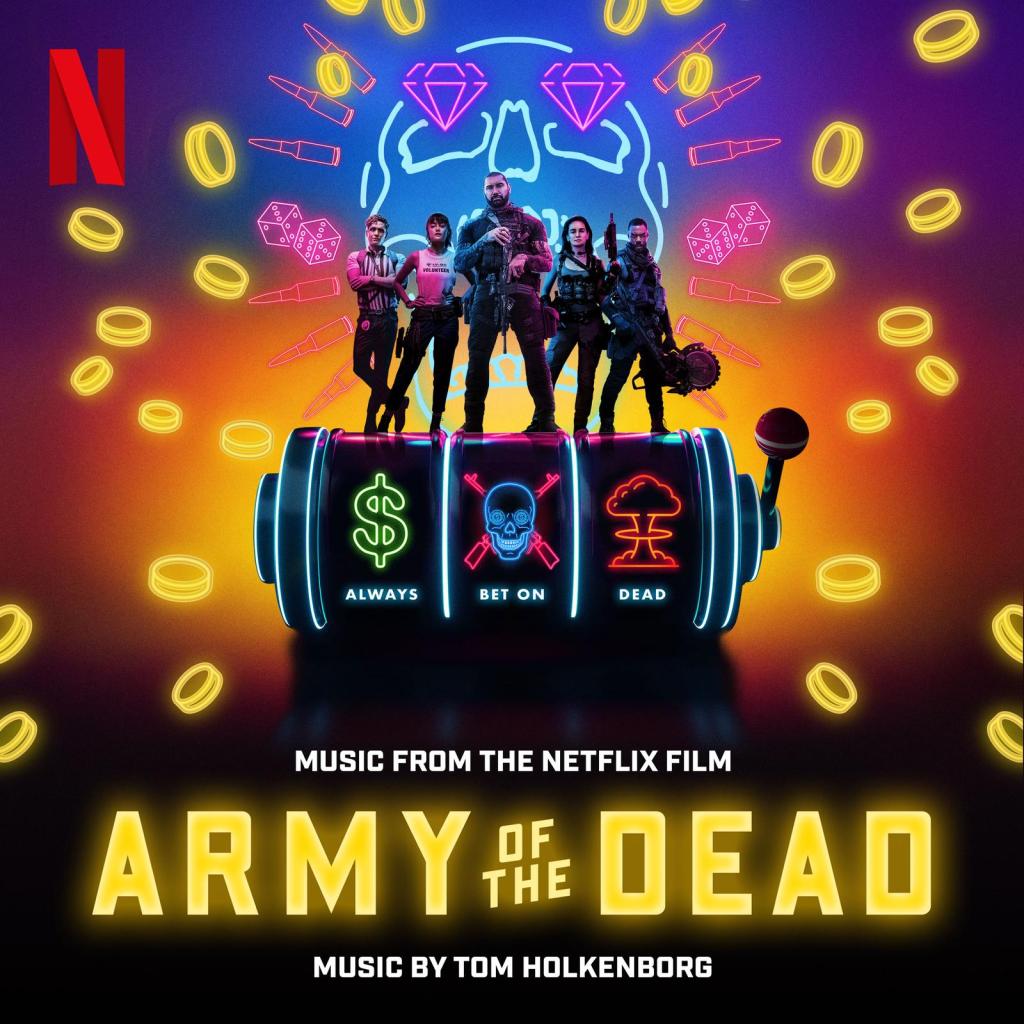
Soundtrack News: ‘Army of the Dead’ Soundtrack Releasing 5/21

Milan Records announced the May 21 release of Army of the Dead (Music from the Netflix Film) by multi-platinum producer, musician, composer and educator Tom Holkenborg aka JUNKIE XL. Tom Holkenborg, aka Junkie XL, is a Grammy nominated multi-platinum producer, musician, composer and educator whose versatility puts him on the cutting edge of contemporary music, and whose thirst for innovation is helping to reimagine the world of composition.

  Available for preorder now, the album features music written by Holkenborg for director Zack Snyder’s upcoming zombie heist film.  The project is the latest in a longstanding creative partnership between Snyder and Holkenborg, who most recently collaborated on Zack Snyder’s Justice League, but started their relationship in 2014 with the Snyder-written and produced 300: Rise Of An Empire.

Of the soundtrack, composer Tom Holkenborg had the following to say:

“A zombie heist movie in Vegas with Zack and Netflix, how could I say no? Army of the Dead was a chance to start something very new and fresh, which is certainly ironic for a movie about the undead! It was such a fun project as we got to rip up the rule book, and really re-examine what a zombie movie could sound like. It’s a LOT of fun!”

From filmmaker Zack Snyder (300, Watchmen, Zack Snyder’s Justice League), Army of the Dead takes place following a zombie outbreak that has left Las Vegas in ruins and walled off from the rest of the world. When Scott Ward (Dave Bautista), a former zombie war hero who’s now flipping burgers on the outskirts of the town he now calls home, is approached by casino boss Bly Tanaka (Hiroyuki Sanada), it’s with the ultimate proposition: break into the zombie-infested quarantine zone to retrieve $200 million sitting in a vault beneath the strip before the city is nuked by the government in 32 hours. With little left to lose, Ward takes on the challenge, assembling a ragtag team of experts for the heist. With a ticking clock, a notoriously impenetrable vault, and a smarter, faster horde of Alpha zombies closing in, only one thing’s for certain in the greatest heist ever attempted: survivors take all.

Track List

1. Viva Las Vegas – Richard Cheese & Allison Crowe (5:55)
2. Scott and Kate Part 1 (5:24)
3. Scott and Kate Part 2 (2:49)
4. Scott and Kate Part 3 (4:42)
5. Toten Hosen (3:56)
6. Swimming Pool (1:05)
7. Not Here (1:50)
8. 3 Flares (4:42)
9. Battle Hallway Part 1 (4:00)
10. Battle Hallway Part 2 (6:41)
11. Zeus and Athena Part 1 (3:17)
12. Zeus and Athena Part 2 (4:14)

Be sure to pick up the soundtrack for Army of the Dead when it becomes available on May 21, 2021.

See also:

Become a Patron of the blog at patreon.com/musicgamer460

Check out the YouTube channel (and consider hitting the subscribe button)

Don’t forget to like Film Music Central on Facebook 

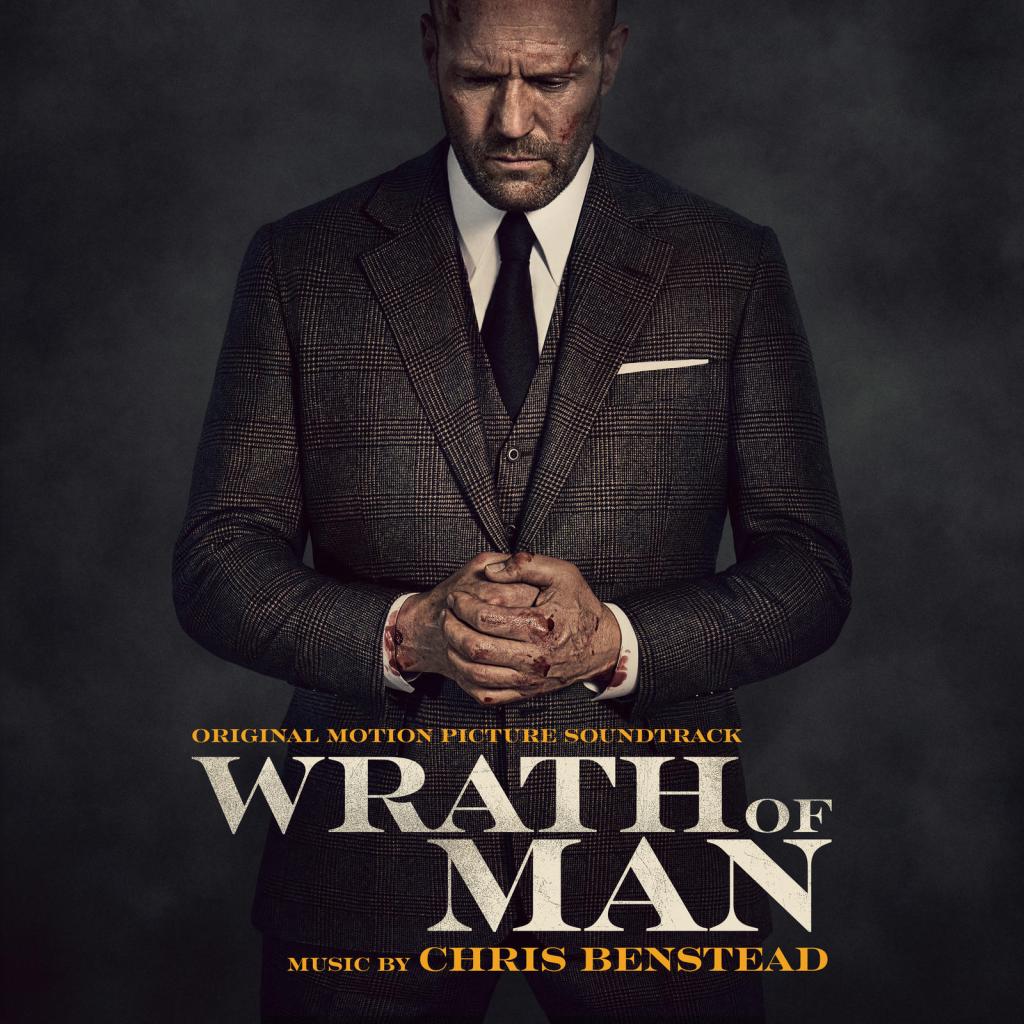
Soundtrack Review: Wrath of Man (2021)

Sony Music Masterworks has released the Wrath of Man (Original Motion Picture Soundtrack) by composer Chris Benstead. Available everywhere now, the album features score music written by Benstead for director Guy Ritchie’s latest action thriller starring Jason Statham. The score is the latest collaboration between Benstead and Ritchie, the duo having previously worked together on The Gentleman and Aladdin

Chris Benstead is a British film composer, arranger and Academy Award®-winning re-recording mixer. Chris received Oscar® and BAFTA awards for his work as re-recording mixer on Alfonso Cuaron’s masterpiece Gravity, starring Sandra Bullock and George Clooney. Chris’ unique skillset allowed him to mix and sculpt the music in an extremely immersive way, pushing the limits of surround sound and exploiting the new ‘Dolby Atmos’ standard.

Of the soundtrack for Wrath of Man, composer Chris Benstead had the following to say:

“The score for Wrath of Man is centered around the cold and mysterious character ‘H’. Super close-mic’d cellos and double basses were used (and abused) to created awkward and jarring stabs as well as angry and unnervingly dark textures. A stoic main ‘hook’ is constantly repeated in different guises to help amplify the sense of impending unease and, ultimately, revenge. Sometimes only percussion was needed to create the brutal and exigent action cues. It was an amazing experience to collaborate with the utterly brilliant Guy Ritchie once again.”

I’m probably guilty of saying this too often, but I really enjoyed listening to the soundtrack for Wrath of Man. This is the kind of soundtrack I live for hearing, because it’s the type of music you feel in the very depths of your soul (yes it really is that good). Benstead uses the cello and double bass in a way that is pure genius. Normally, I think of those two instruments as producing warm and gentle music. Not here, not this soundtrack. Benstead turns the cello and double bass into weapons, making sharp, jagged sounds that cut through everything else and demand your attention. This is not the type of soundtrack that just fades into the background, you’re going to notice this music.

I also absolutely love how Benstead utilizes percussion throughout the soundtrack. It sounds like gunshots in a lot of places (and I’m certain that was done on purpose) and gives the music a distinctly prickly feeling. It’s a nice contrast to the harsh sounds of the cello and double bass and serves as a reminder that this is not ‘comfortable’ music in any sense of the word. Once this music gets started, you are on edge and I love that so much about this soundtrack.

There isn’t too much more to say about this music without sounding repetitive. Chris Benstead has created a soundtrack that doesn’t pretend to be anything other than what it is: the music for (what is hopefully) a badass action film. This is one of the most purely enjoyable soundtracks I’ve heard this year so far, and I think all of you will like it.

Track List

1. Coffee Frother (3:29)
2. Wrath of Man (2:14)
3. Dangerous Job (2:17)
4. Tooling Up (3:09)
5. Bullet Taken Hostage (3:04)
6. F**king Lunatic (1:57)
7. Coroners Report (1:22)
8. China Town (0:55)
9. Dark F**king Spirit (3:58)
10. Know The Route (1:45)
11. Dougie (3:20)
12. Idolised You (3:40)
13. Built for Combat (2:03)
14. Porn Factory (3:34)
15. Precious Ornaments (3:24)
16. Staples Center (2:38)
17. Go to Work (1:44)
18. Number 1 Loses It (3:58)
19. 120 Million (2:04)
20. The Inside Man (4:42)
21. Wanna be Hero (5:36)
22. Come Out Little Piggy (4:16)
23. Bullet Executions (3:31)
24. The Victor (4:48)
25. Liver Lungs Spleen Heart (4:13)

Let me know what you think about Wrath of Man (and its soundtrack) in the comments below and have a great day!

See also:

My Thoughts on: Wrath of Man (2021)

Film Soundtracks A-W

Become a Patron of the blog at patreon.com/musicgamer460

Check out the YouTube channel (and consider hitting the subscribe button)

Don’t forget to like Film Music Central on Facebook 

Soundtrack Review: Returnal (2021)

On May 7th, Milan Records released the original soundtrack to the newest Playstation 5 game Returnal, with the music composed by Bobby Krlic. Best known for his work as the Haxan Cloak, Bobby Krlic brings his experience as an award-winning composer, producer and multi-instrumentalist to Returnal, imbuing the score with a gritty and experimental quality that matches the tone of the third-person shooter game. The album marks Krlic’s first-ever video game title as lead composer and follows his critically acclaimed, award-winning scores for director Ari Aster’s Midsommar, Hulu’s Reprisal, TNT’s Snowpiercer and The Alienist.

Bobby Krlic (aka The Haxan Cloak) is a British artist, composer and record producer based in Los Angeles. Over the past decade, he has created music under The Haxan Cloak, releasing two critically acclaimed full-length albums (The Haxan Cloak and Excavation) and touring extensively as a solo artist, building a devout fanbase. In 2015, Krlic began collaborating with fellow producer and Oscar-winning film composer Atticus Ross on soundtracks including John Hillcoat’s Triple 9 and Michael Mann’s Blackhat. Since then, Krlic has scored a number of major network television shows including TNT’s SnowpiercerThe Alienist: Angel of Darkness and Hulu’s Reprisal as well as a recent collaboration with Swans for Rockstar Games’ Red Dead Redemption 2. Notably, he wrote the much lauded original soundtrack to Ari Aster’s sophomore feature film Midsommar, for which Krlic received The Ivor Novello for Best Original Score in 2020.

In Returnal, after crash-landing on a shape-shifting alien planet, Selene must search through the barren landscape of an ancient civilization for her escape. Isolated and alone, she finds herself fighting tooth and nail for survival. Again and again, she’s defeated – forced to restart her journey every time she dies. Through relentless roguelike gameplay, you’ll discover that just as the planet changes with every cycle, so do the items at your disposal. Every loop offers new combinations, forcing you to push your boundaries and approach combat with a different strategy each time.

The music for Returnal is, well, it’s really incredible. I was immediately intrigued by the game’s “caught in a time loop” premise and wondered how the game’s music would play into that concept. As far as I can tell, the music does connect to that idea of time repeating itself over and over again, though not in the way I thought it might. Most of the tracks sound warped and distorted, there are sudden, static-like sounds that cut in and out of the music, and my favorite part? There are times when it sounds like voices are cutting in to the music, creating this muddled effect that makes it sound like you really are lost in time.

The instrumental mix is about what you’d expect for a game like Returnal, a combination of electronic instruments and synthesizers mixed in with choral voices. What really caught me by surprise though is how calm the music is for the most part. Given what I’ve heard about this game, I was expecting sci-fi music that was more action-oriented, or at least faster-paced. But it’s nothing like that, and it’s making me seriously reconsider what this game is all about. This sounds like a more cerebral game than I initially thought, and I’m very excited about that. I like games that require you to think and this music makes me think Returnal is one of those games.

If I have one complaint about the soundtrack for Returnal, it’s that it’s surprisingly short, there’s only nine tracks in total. I don’t know if that speaks to the overall length of the game, but I’ve seen some soundtrack albums that are three times as long, and it was startling to see this one be so short.

That minor issue aside, I enjoyed the soundtrack for Returnal, and I think all of you will too.

Returnal Track List

  1. The Crash
  2. The Forest
  3. Helios
  4. Citadel
  5. Murals
  6. Recessed
  7. Motionless
  8. A Mysterious Device
  9. Dream Already Seen

Let me know what you think about Returnal (and its soundtrack) in the comments below and have a great day!

See also:

Video Game Soundtracks

Become a Patron of the blog at patreon.com/musicgamer460

Check out the YouTube channel (and consider hitting the subscribe button)

Don’t forget to like Film Music Central on Facebook

Making Unique Music for Superheroes: Talking with Composer Stephanie Economou about ‘Jupiter’s Legacy’ (2021)

Just recently I had the opportunity to speak with composer Stephanie Economou about her work on the upcoming Netflix series Jupiter’s Legacy. Stephanie is the composer of the upcoming Netflix TV series Jupiter’s Legacy, based on the comic series by Mark Millar. She has written the music for the Lionsgate/Starz series Step Up: High Water, as well as the second season of Manhunt: Deadly Games. Stephanie also scored two episodes of the Disney+ documentary series Marvels 616, directed by Gillian Jacobs and Alison Brie. Most recently, she has completed the score for the Assassin’s Creed DLC “Siege of Paris.”

Originally from Long Island, New York, Stephanie received her Bachelor’s degree in Composition from the New England Conservatory of Music and Master’s in Composition for Visual Media from University of California Los Angeles.

I hope you enjoy our conversation about Jupiter’s Legacy, which premieres on Netflix on May 7, 2021.

How did you get started as a film and television composer? 

While I was studying composition at New England Conservatory, I ended up scoring a couple of short films directed by some friends I had from high school. After writing mostly concert music up until that point, it felt refreshing to be part of a creative collaboration that challenged me to explore different artistic avenues. I moved to Los Angeles after graduating and pursued my Master’s degree in Composition for Visual Media at UCLA. It was during my time as a student there that I met Harry Gregson-Williams, who subsequently hired me as his assistant. I spent six years working with Harry, composing additional music for films like “The Zookeeper’s Wife,” “The Martian,” “The Meg,” and “Mulan,” to name a few. I like to say that I “grew up” at Harry’s. I was so green when he hired me and he took me under his wing, quite immediately filling that role of the trusted mentor. I learned so many of the skills and tools I possess today from my time with him. He ignited my drive and pushed me beyond the mental boundaries I had set for myself. I think it’s so essential for anyone working in an artistic field to have that kind of guided mentorship.

How did you get involved with the Netflix adaptation of Jupiters Legacy?

I was called in for a meeting by one of the executive producers on the show, Hameed Shaukat. He had heard my music and thought my musical sensibilities might be a good fit for the narrative. They sent over a couple of scripts and a rough cut of the first episode, and after our meeting, I went home and wrote a demo suite inspired by some of the ideas we had discussed. As these things so often go, I was in that “sit and wait” period for a few months while they wrapped up filming, but I was thrilled to have gotten the call that they were ready for music and they wanted to work with me!

Were you familiar at all with the Jupiters Legacy and Jupiters Circle comics before working on this series? If not, did you check them out before working on the score?

I actually wasn’t familiar with the comics prior to starting and I didn’t check them out until the tail end of scoring the season. There was a rather big musical moment in episode seven, where I chose to compose a chorale using the main theme of the show. In an effort to make the moment feel purposeful, I dove into Mark Millar’s original comic series. After locating the scenes in the comics that matched up to the on-screen moment, I took his text as source material, translated it into Latin, and those words became the choir lyrics. It felt like a special way to have the show adaptation and the original comic series come full circle for an impactful musical moment.

How much collaboration was there with the showrunners/directors/producers of Jupiters Legacy when it came to putting the score together?

A ton! I had a somewhat rare experience on this show because by the time they brought me on board, they had really solid cuts of all eight episodes, so we were able to sit down and spot all of them before I even wrote a note of music. This ended up being a critical part of the process because it was important to our showrunner, Sang Kyu Kim, that the whole season feel less episodic and more like a long, feature film. Knowing the pace of the story and understanding the character arcs for the whole season really informed the trajectory and shape of the score. I was able to plan conceptually for certain musical moments later in the season and plant seeds along the way to prepare for those moments. For example, the idea for the choir piece in episode seven was something I had decided on creatively during the spotting session and the producers were really excited by it. Because I knew that’s where I was headed musically, I made vocals part of the tapestry of the score by recording fragments of experimental vocals with the very talented singer, Ari Mason. The vocals range stylistically from Latin chanting, to throat singing, to microtonal patterns, to interlocking rhythmic grunts. They appear rather subtly at first as we watch Sheldon (played by Josh Duhamel) experience increasingly bizarre visions and they grow more prevalent as the season unfolds. I felt by teasing these vocal fragments, it prepared the audience (however subliminally) for the moment we hear the chorale in episode seven. All along the way, the producers (Hameed Shaukat and James Middleton) and showrunner (Sang Kyu Kim) were really involved in the evolution score. They had a lot of trust in my vision for the season and even challenged me to explore the strange and unexpected. It’s incredibly rewarding to have collaborators who instill a sense of confidence in your ideas and respect your creative contribution. I feel incredibly lucky to have had that experience on this show.

Were you inspired by any other superhero film scores (DC or Marvel) when putting the music for Jupiter’s Legacy together?

Admittedly, I kind of wrote the music for “Jupiter’s Legacy” in a vacuum. I intentionally didn’t watch any superhero films/shows or listen to any superhero scores while working on this season. I solely wanted to be inspired by “Jupiter’s Legacy” and the stories its characters were telling. I strongly feel that this show puts a unique spin on the superhero narrative. At its core, it’s a family drama which explores the complexities of our relationships with our parents, children, siblings, and those closest to us. They just happen to also have superpowers! 

While I didn’t attempt to get into a “superhero” mindset per se, I did intentionally lean into the “superhero film music” trope when I sat down to write a theme for Sheldon/The Utopian (which also became the overarching show theme). I wanted his theme to be rather wide in scope, so you’ll often hear The Utopian’s theme on a solo french horn or a big brass section or a full symphonic orchestra. I deliberately crafted his theme this way because I feel that is what we typically associate with the characteristic “superhero sound.” I thought if I painted The Utopian in this stereotypical, mythic superhero light, it would help subvert expectations. While he obstinately tries to uphold the morals of the Union’s Code and maintain a commanding heroic facade, in reality, we most often see The Utopian as a broken down, shell of his former self. He struggles to keep healthy relationships with his children, his wife, his brother, and is rapidly falling out of favor with the public, whom he has fought to protect for nearly 100 years. By leaning into what the audience perceives as a cliched “superhero theme” for his heroic moments, I was able to destabilize that image in his more intimate, fragile moments by exploring that theme on synths, vocals, acoustic guitar, and piano. Being able to write a theme that could expand and contract with his story arc felt like a really important way to shape his character.

Did you create specific themes for each of the heroes?

There are so many compelling characters in this series, so it was essential for me to try and develop themes for many of them. I previously discussed Sheldon/The Utopian’s theme but many others also have musical signatures: for example, Walter has a cello theme, Fitz a clarinet theme, George a plucked dulcimer theme, and Hutch a distorted bass growl sting. Two of my very favorite characters in the series are Chloe and Raikou. They’re both outliers and rebels and I felt their themes demanded a different musical profile. Chloe has an awesome action sequence in episode three and I was really inspired by the sheer magnitude of her powers and Elena Kampouris’ portrayal of her character. I didn’t have a specific idea for what her sound world would be, but when I sat down to write the cue, this industrial rock piece came out, with blaring guitars, synthesizers, and heavy distorted percussion. It just felt like it fit her sensibilities as a rugged, and somewhat lawless character. Chloe, much like her father Sheldon, also has many moments of solitude and darkness, so that same theme heard on guitars and synths is re-interpreted on electric keys and bass to reflect the intimacy of her personal struggles. For Raikou, I was struck with a similar feeling of wanting her sound to stand apart. I called up a trumpet-player friend of mine, Jake Baldwin, and asked “Could you take the mouthpiece off of your trumpet and record some stuttered, bendy motifs?” He met that request with a resounding, “Hell yes!” and came up with some really unique signatures. I took those, heavily effected them, and that’s what became part of Raikou’s sound. 

Additionally, I wanted to compose a leitmotif that could be used cyclically as a thematic microcosm (which I dubbed “the quest germ”), to excite the audience as the pace of our adventure picked up. This motivic cell, often appearing in a five or four-note repeating sequence, becomes a ubiquitous musical signature throughout the score. While we witness firsthand the unfolding of our characters’ epic voyage in the 1930s, their journey continues to evolve in the present day, and thus our “quest germ” becomes an essential part of the DNA of the story.

One of the most unusual motifs that I wrote for the series was the sound for “The Island,” which our characters discover and explore in episodes six and seven. I wanted to give a musical profile to the Island itself to highlight its strange and otherworldly nature. The eerie, bendy signature was created using a shepherd’s horn, rather bizarre vocals (or what I like to call “mouth sounds”), and a trumpet with several of the slides removed (again, Jake Baldwin at his best)! This was often accompanied by high, fast, tapping percussion which was meant to exemplify the supernatural force of the Island mentally invading our characters and pitting them against one another.

What were your instruments of choice when scoring Jupiter’s Legacy? I read that you used a number of regional instruments? Could you tell me more about that?

Yes, there were some really fun sound worlds I was able to explore. In episode six, our characters travel to Morocco, so I utilized some regional instruments like oud, bendir, darbuka, hand cymbals, ney, zurna, fipple flute, saz, and duduk (though that’s actually Turkish/Armenian)! Even though we’re in this new physical space, our main theme is still heard on these lead instruments, so there is a sense of musical cohesion. Apart from the Moroccan instruments, the overall score is a hybrid balance of orchestral instruments and synths. There were some incredible soloists who are featured throughout the score: Ari Mason (vocals), Jon Monroe (guitar), Jake Baldwin (trumpet and brass), Ro Rowan (cello), Bryan Winslow (varied plucked instruments). There’s also some violin and viola which I recorded and of course the fantastic vocalists who made up the choir. I think the score lives in an in-between space where the electronic and acoustic elements coexist rather seamlessly, or at least that’s always the hope! 

How much time did you have to score the series? Did the pandemic affect this at all?

I had about seven months to score the whole season, which is certainly a lot more time than most composers get for a season of TV! I think having those few months to focus on thematic development and hone in on a sound palette was really critical for me. Because of the pandemic, scoring sessions were rather touch-and-go for a while, so I ended up being able to work with all of the soloists through remote recording. Some of them were here in LA and others, like the trumpet player Jake Baldwin, were in Minneapolis, so it was really wonderful to have this roster of artists who were so eager to jump in and breathe life into the music from their home studios. 

The biggest challenge that I faced was when it came time to record the choir. As you can imagine, it was quite stressful realizing I had sold the producers on the idea of the chorale way back in the spotting session (before I had started writing), and then come August/September of 2020, there were no choirs being recorded in person because it was far too risky. In a bit of a panicked stupor, I reached out to choir contractor Jasper Randall, who assured me he would secure nine vocalists each with excellent recording skills. All of the singers multi-tracked their individual parts six times, with a slightly different interpretation and timbre for each take, all from their separate home recording spaces. Once I got their materials back, I shot them over to my mixer, Scott Smith, and a half hour later, he sent me back the most lush, majestic, powerful sounding choir track. I was completely floored by what these brilliant singers were able to accomplish in remote recording sessions. As with any ensemble, being in the same space as your fellow performers is so critical for matching phrasing, dynamics, and just overall emotional interpretation. And these singers were also faced with the challenge of singing in Latin! I was totally blown away by their musicality and the focused effort that they put into this performance. If anything positive came out of last year’s quarantine, it was realizing that, however isolated we came to feel in our separate physical spaces, we were still able to make music and create something special while being apart.

Without spoiling anything (if possible), do you have a favorite musical moment in this series?

Apart from the chorale piece in the final scene of episode seven, I was faced with a really unique creative challenge earlier in that episode. Most of episode seven focuses on the origin story of our original six characters, as we follow them at the peak of their journey in the 1930s to a remote island off the coast of Morocco. It becomes abundantly clear as they traverse through many obstacles on the Island that they are intentionally being challenged and pitted against one another. There’s a strange force that is preventing them from following the clues and getting to the crux of what this Island represents. 

Along the way, they find themselves suddenly trapped in a rock wall formation and it seems as though there’s no escape. As each of the characters place their hands on the wall, a colored light travels up the rock formation and they realize they must all get their lights to turn on in order to break out. The producers wanted there to be a distinctive sound associated with each character’s light and they wanted it to be a musical tone, not something left to sound design. By this point in the season, almost all of our characters had themes I was establishing, so I had the idea to use a small, fragmented motif of each of their individual themes to create their unique wall tone. For example, when Sheldon touches the wall, the first two notes of his theme on french horn are heard, and then a bell-like, synthetic tone evolves out of that motif. When Grace touches the wall, we hear her violin harmonic motif, and her unique tone comes out of that. For George, we hear his plucked dulcimer sound and his tone emerges out of that. The pitch of each tone was carefully chosen so that none of them quite work together harmoniously until the final light from Walter goes on and it completes the harmony to form a fully voiced major chord. Once all of the lights go on, the wall finally opens and they’re able to pass through. I should also mention that, while there were these tonal elements happening diegetically, there was also underscore happening concurrently, so I had to ensure that all of these sonic puzzle pieces were fitting together and creating a convincing landscape for the scene to exist within. Once the walls open up, I didn’t just want these tones to fall by the wayside and disappear, so I took each individual bell-tone and created a randomized arpeggiated sequence that grows as part of the score cue. It was a really fun challenge to design the on-screen sounds and then have it cross the boundary and become part of the fabric of the score, blurring the lines of what we perceive to be sound and music.

In general, is there any musical detail you hope viewers notice when the show premieres next month?

See the previous question!

Thank you again to Stephanie Economou for taking the time to speak with me about her work on Jupiter’s Legacy!

See also:

Composer Interviews

Become a Patron of the blog at patreon.com/musicgamer460

Check out the YouTube channel (and consider hitting the subscribe button)

Don’t forget to like Film Music Central on Facebook 🙂