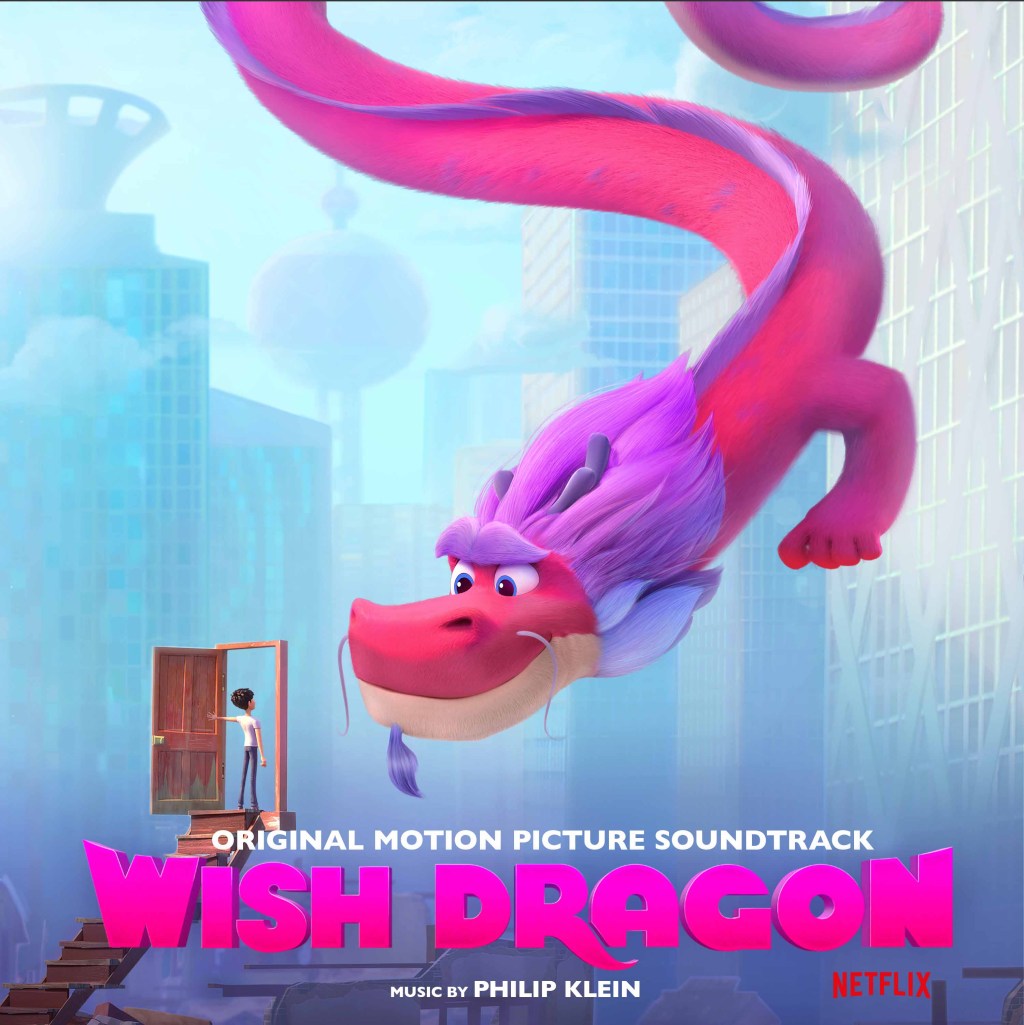
Earlier this month Milan Records released Sony Picture Animations Wish Dragon Original Motion Picture Soundtrack by Philip Klein. The 25 tracks feature a number of traditional Chinese instruments – the Pipa, the Sheng, Ruan – but run through synthesizers and given a modern touch.
Speaking about working on the score, Philip Klein said, “The journey of scoring Wish Dragon began with hours of creative discussions, a fair amount of geeking out and the trial and error of musical experiments with director Chris Appelhans.”
He went on to explain, “Our mutual love of exploring lesser known music and sound guided us through generations of Chinese folk songs, instruments, artists and expression. What we ended up with over a year later was a deeply layered, thematic score; richly colored by beautiful traditional instruments, wistful textures and the might of the New Zealand Symphony Orchestra. Chris’ deep love and respect for this story and all of the brilliant filmmakers and artists behind it made my job seem like I was the one being granted a wish.”
Following an inspiring trip to China in 2006, director Chris Appelhans returned fascinated by the country’s vibrant culture and overnight modernization. He realized it was the perfect setting for a story about wishes; in a world changing so fast, the big questions about life and values were impossible to ignore. Compelled to share this unique yet universal story with audiences around the world, he knew animation was the best way to express the story’s authenticity, humor and heart. He even learned Mandarin.
Chris Appelhans had this to say about the score, “[Philip Klein] has created the kind of score that not only elevates the film, but stands on its own — iconic melodies, true soul and a timeless mix of modern and traditional elements. Every time I listen, I’m moved — and to me that’s the highest praise any music can earn.”
Track List
1. Endless Sky – Kenton Chen, Katherine Ho & Weilim Lin 2. Free Smiles – Tia Ray 3. Prologue – Philip Klein 4. Li Na Says Goodbye – Philip Klein 5. I Gotta Go – Philip Klein 6. The Goons – Philip Klein 7. All Dressed Up – Philip Klein 8. The Tea Is Ready – Philip Klein 9. Finders Keepers – Philip Klein 10. City Walk – Philip Klein 11. Aerial Acrobatics – Philip Klein 12. Din and Li Na – Philip Klein 13. Long Admits – Philip Klein 14. Din and Mom Argue – Philip Klein 15. Shanghai Showdown – Philip Klein 16. That Same Old Shikumen – Philip Klein 17. Certain Expectations – Philip Klein 18. The Wish Dragon – Philip Klein 19. Teapot Battle – Philip Klein 20. True Sacrifice – Philip Klein 21. My Last Wish – Philip Klein 22. Everything That Matters / The End – Philip Klein 23. A Tale As Old As Time (Suite I) – Philip Klein 24. A Tale as Old as Time (Suite II) – Philip Klein 25. Din’s Piano – Philip Klein
I knew going in that there was a decent chance I wouldn’t like The Hitman’ Wife’sBodyguard. For one, I hadn’t seen the first film, The Hitman’s Bodyguard, and going to see the sequel without seeing the first film can be quite problematic depending on the film. However, despite going in completely blind I was willing to give the film a chance, the previews had certainly looked funny enough.
I should’ve known better.
Rule #1 of being a movie blogger: NEVER trust the previews.
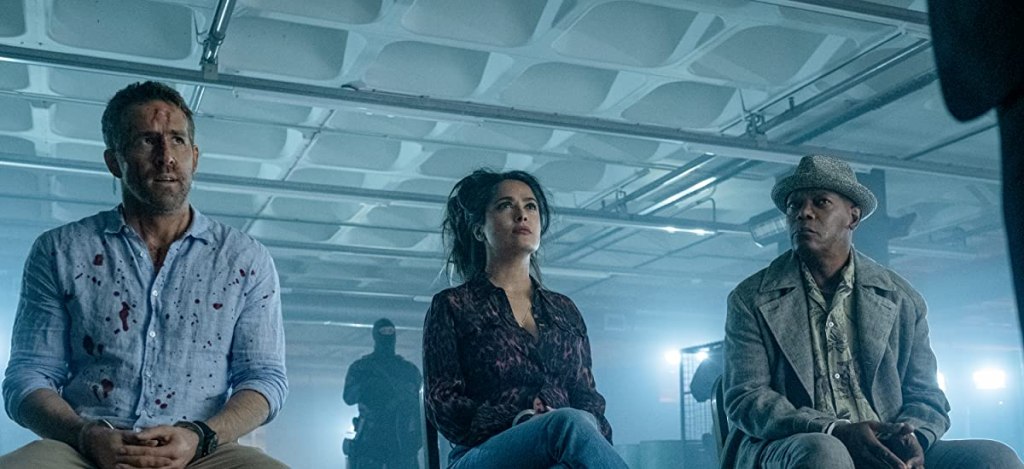
The Hitman’s Wife’s Bodyguard picks up, ostensibly, where the first film leaves off, with Michael Bryce (Ryan Reynolds) attempting to pick up the pieces of his life. Of course, Sonia (Salma Hayek) drags him back into the fray and he’s soon on the run with Darius Kincaid (Samuel L. Jackson) whether he likes it or not. It sounds coherent enough, and there’s actually a decent premise buried deep down with a pretty good villain, but it’s executed so badly that no inducement on Earth could get me to watch this mess again.
I was about halfway through the film when it dawned on me that I was watching a terrible movie. Make no mistake about it, The Hitman’s Wife’s Bodyguard is not a good film by any stretch of the imagination. If I had to sum up the film’s biggest problem, it’s that I feel like the writers flung three different film plots together, connected them with the three main characters, and prayed that it would make a roughly coherent story. That’s the only explanation I can come up with for the fractured story that comprises so many different moods and plot elements that it quickly loses any semblance to a rational story (though it’s entirely possible that that’s the point).
The one bright spot in this film is the spine-chilling performance turned in by Antonio Banderas as the film’s villain. I wish we could’ve gotten more of him in this film, because every time he was on the screen I visibly brightened up.
I also can’t get over how jarring the mood of this film was. The story flips from a weird humor to deadly serious and back at the drop of a hat and it was hard to get into the story and stay invested (about 3/4 of the way through I just gave up). Many of the emotional story twists felt completely unnecessary. There’s an entire story arc with Bryce’s dad that amused me, confused me, and finally infuriated me with how it was executed.
There’s only so many ways to put this so I’ll say it one last time: The Hitman’s Wife’sBodyguard is not a good movie, I’m honestly surprised I made it all the way through without leaving. The minor bright spots aren’t enough weren’t enough to save it, and it’s 90+ minutes of my life I can never get back (yes, it was that bad).
Whether you agree or disagree, let me know what you think of The Hitman’s Wife’sBodyguard in the comments below and have a good day!
I originally learned about In the Heights while reading the behind the scenes book about the making of Hamilton that I bought last summer. If you weren’t aware, it was while In the Heights was running on Broadway that Lin-Manuel Miranda got the idea for what would eventually become Hamilton, but I digress…because this review isn’t about Hamilton but In the Heights. And after seeing this film, I have to say that this story should NOT be known as “the musical Lin-Manuel Miranda did before Hamilton” because oh my GOD the story of In the Heights is just as good!
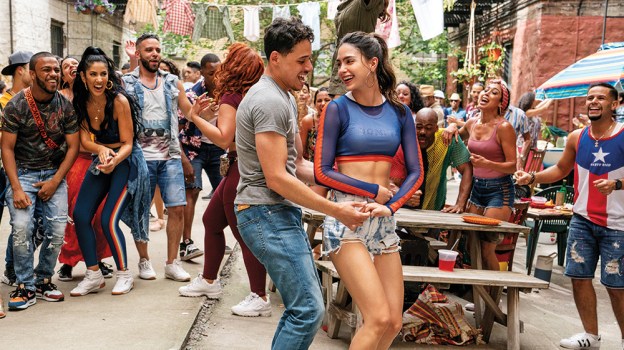
The story of In the Heights takes place over a span of 3 days, before, during, and after a blackout that paralyzes New York City (while it is similar to the infamous 2003 Blackout, most of the show was actually written in 1999). Our narrator throughout the story is Usnavi (Anthony Ramos), the owner of a corner bodega who dreams of returning to the Dominican Republic. Through Usnavi, we meet the varied characters who live and dream in Washington Heights. These include Vanessa, an aspiring fashion designer, Abuela, who has adopted the entire block as her family, Nina, who’s back in town from attending Stanford, Benny the cab dispatcher (and Nina’s would-be boyfriend), and Sonny, Usnavi’s younger cousin who helps him run the bodega. It’s a colorful cast of characters and I was quickly drawn into the story. I was actually worried going in that I would have a hard time connecting to the story but I should have known that Lin-Manuel Miranda’s music would make it easy to dive right in.
To put it simply: if you loved the music of Hamilton, you will love the music of In the Heights. Like Hamilton, In the Heights is full of rap and freestyle melodies, though there’s obviously a Latin twist that doesn’t exist in Hamilton for obvious reasons. The music brings an entire culture to life throughout the story, and it’s so beautiful because this is a culture that’s full of life, passion, faith, and courage to go on in spite of facing huge obstacles in every direction. In fact, the community shown is so vibrant and so full of life, that it feels like you could just step right through the screen and be there with all of it, and I love a story where the world is this fully realized.
And oh yes, this story does not shy away from mentioning the obstacles people of color face on a daily basis. It’s mentioned several times by a number of characters that chasing dreams isn’t always easy, in fact it can be quite painful at times. And I like that the film makes it clear that sometimes you DON’T get your dream, even if you try. It’s a hard thing to hear of course, but it’s honest and I really like that because we’re still encouraged to go after our dreams, even if it hurts at times. And also, there’s a hint in the film that sometimes your “dream” isn’t what you think it is. That’s something I’m seeing more of in movies, but In the Heights does it really well.
What I wasn’t expecting was for In the Heights to make me cry but there’s one portion of this story that absolutely wrecked me. It all centers on “Paciencia y Fe” and “Alabanza” and the character of Abuela. I’m not the kind to readily cry in a movie theater, but the scenes with those two songs ripped at my heartstrings in a way that I didn’t expect going in.
I think my two favorite songs (that didn’t make me cry) were “In the Heights” and “96,000.” I like the opening song because it throws you in headfirst to the colorful world of Washington Heights and it was a really fun song to bop my head in rhythm with the music too. And I love “96,000” because it brought me back to my own childhood when I would go swim at the community rec center pool and everyone would be there.
I also love that Lin-Manuel Miranda appears in the film as the piragua vendor and there’s also a blink and you might miss it cameo from Christopher Jackson too.
What I’m trying to say is that In the Heights is absolutely the summer movie we’ve been waiting for. I laughed, I cried, it felt like an entire summer squeezed into a single film, all the good and bad. I know In the Heights is currently available on HBO Max but if your local movie theater is open, I highly recommend going to see this in theaters instead. It’s such a good experience and it deserves to be seen on the biggest screen possible.
Let me know what you think about In the Heights in the comments below and have a great day!
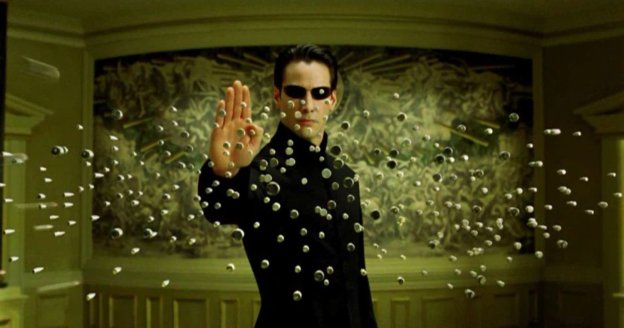
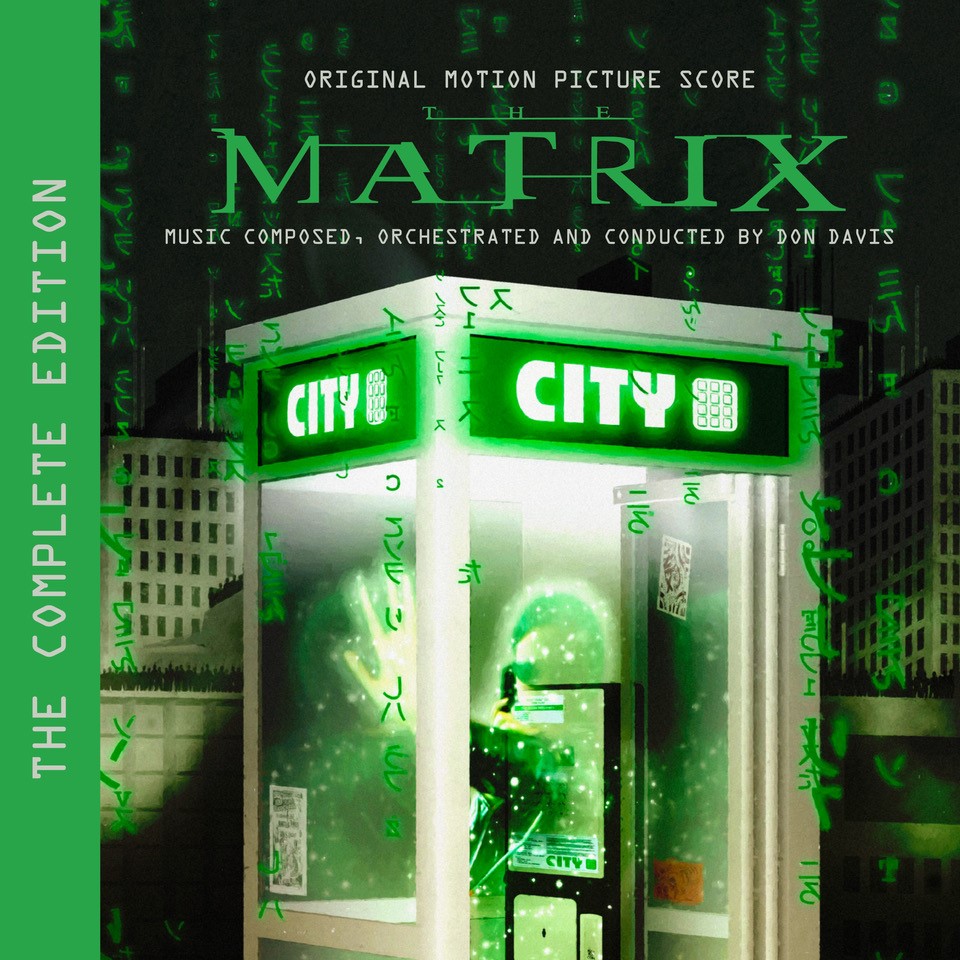
Varèse Sarabande Records is thrilled to announce one of its June 2021 CD Club titles: The Matrix (The Complete Edition) by Don Davis. This title is available as of June 11, exclusively on VareseSarabande.com and internationally on Intl.VareseSarabande.com.
Few blockbusters can claim to be as influential as The Matrix (1999), written and directed by the Wachowskis. From its super high concept that has wormed its way into the public’s imagination (what if we’re all just living in a computer simulation?), to Keanu Reeves’ iconic hero Neo, to the brilliant, jaw-dropping and story-based visual effects, The Matrix delivered on all fronts. Its three films grossed over $1.6 billion worldwide, and a fourth is on the way.
The Matrix demanded a score that was as unique, sophisticated and imaginative as its concept and action—and that’s exactly what composer Don Davis delivered. Davis, who scored the Wachowskis’ Bound (1996), reinvented the symphonic language of the action blockbuster by drawing on cutting-edge concert-hall minimalism and his own background as an avant-garde composer, while maintaining the energy, pace and density required of a studio action film.
From the clashing-brass “reflections,” to the racing strings, pounding percussion and flittering, repeating musical “cells,” the Matrix score fits hand-in-glove with the film’s concept of a computer-controlled reality—and offers a unique musical thumbprint that is recognizable sometimes only from a single note or chord. It is the rare commercial triumph that is also an artistic landmark.
“One thing the Wachowskis did want was something new and different. Every director will tell you they want that something new and different until they actually hear it. But Itook that to heart, and it was clear that a unique approach really was right for that film. I’ve kept my hand in composing concert music from the beginning, so I was aware of what was going on in that arena. [We] were working in a style that some were calling ‘postmodern,’ which seemed to be fitting for a postmodern film like The Matrix. And I saw this as an opportunity to take it in a stylistic direction that wouldn’t work in other films but specifically did work in this film,” says composer Don Davis.
The Matrix was released by Varèse Sarabande at the time of the film, and then in a Deluxe Edition that fit as much of the score as possible on one CD. By popular demand, this new 2-CD set presents the complete score. This version is also available through Record Store Day 2021 as a 3-LP set releasing on July 17. Visit RecordStoreDay.com to find a participating retailer. Liner notes feature a new interview with Don Davis conducted by Kaya Savas.
*Standard CD limited to 2,000 copies *SACD limited to 1,000 copiesPURCHASE
The Matrix: The Complete Edition (Regular and SACD): Original Motion Picture ScoreMusic Composed, Orchestrated & Conducted by Don Davis
Disc One: Logos / The Matrix Main Title (0:55) Trinity Infinity (6:00) Neo Con Brio (0:32) Follow The White Rabbit (0:15) Neo On The Edge (3:24) Through The Surveillance Monitor (0:59) Unable To Speak (1:14) Bait And Switch (3:16) Switched For Life (3:36) Switched At Birth (2:43) Switches Brew (2:27) Cold Hearted Switch (1:40) Nascent Nauseous Neo (4:00) A Morpheus Moment (1:39) Bow Whisk Orchestra (1:23) Domo Showdown (1:13) Switch Or Break Show (1:05) Shake, Borrow, Switch (0:39) Switch Works Her Boa (0:56) Bring Me Dinner (0:39) The System (0:37) Freeze Face (1:52) Switch Woks Her Boar (2:07) Cypher Cybernetic (0:59) Ignorance Is Bliss / Cyber Cyphernetic (1:51) See Who? (0:26)
Disc Two: Switch Out (3:01) Boon Spoy (1:08) Oracle Cookies (1:30) Threat Mix (6:05) Exit Mr. Hat (2:57) On Your Knees, Switch (4:43) Mix The Art (2:10) Whoa, Switch Brokers (4:01) The Cure (1:35) It’s The Smell (1:57) The Lobby (0:27) No More Spoons (1:02) Dodge This (1:08) Fast Learning (0:44) Ontological Shock (4:16) That’s Gotta Hurt (5:17) Surprise (4:06) He’s The One Alright (6:56)
Enjoy experiencing the complete score of The Matrix courtesy of Varese Sarabande Records!
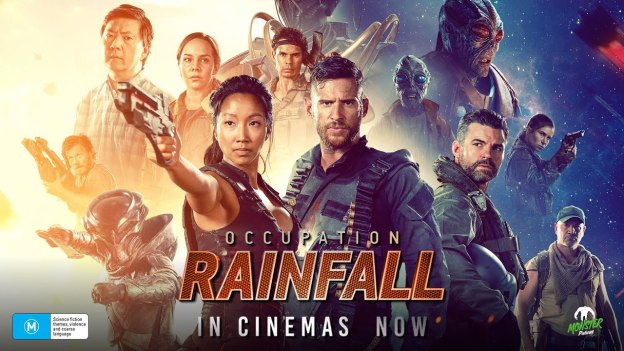
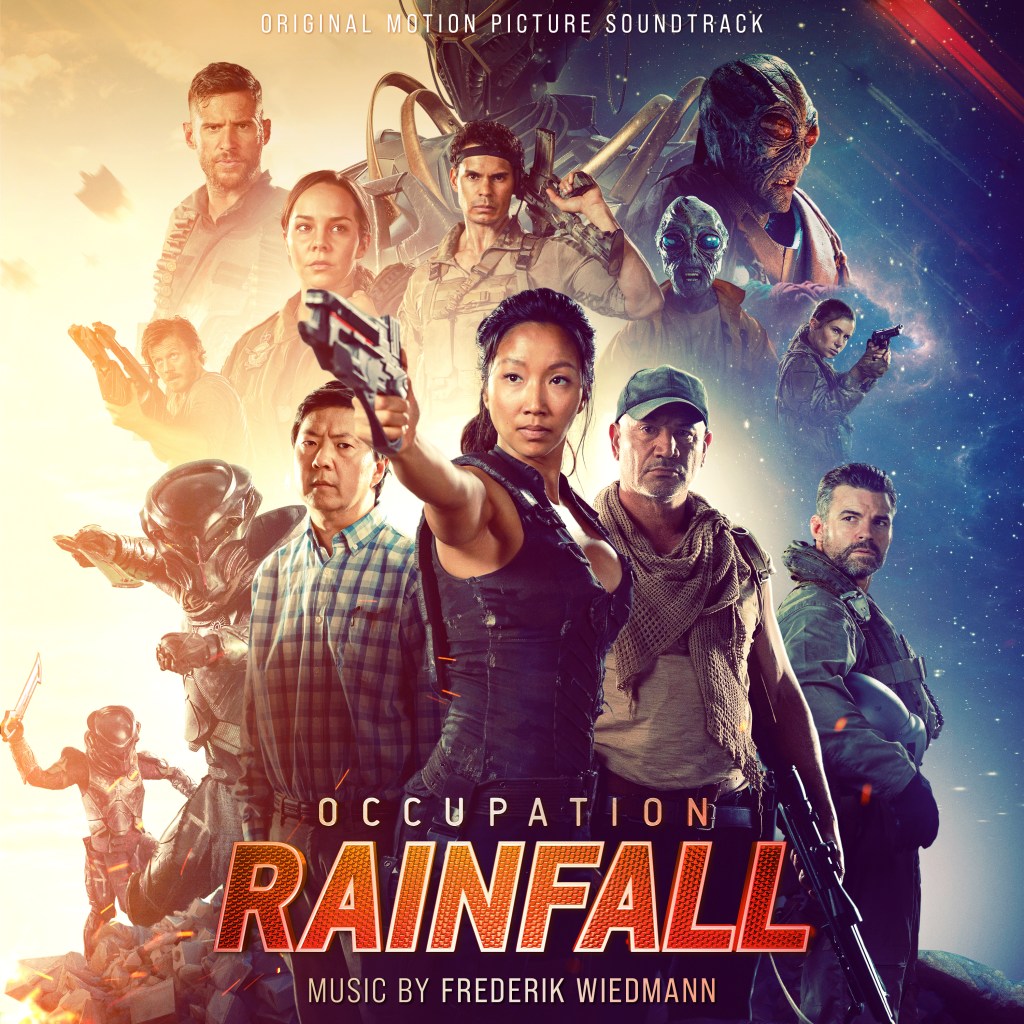
Kaleido Sound is excited to announce the release of the Original Motion Picture Soundtrack for the Lionsgate action sci-fi film, Occupation Rainfall, composed by Frederik Wiedmann (The Dragon Prince, Acts of Vengeance).
Wiedmann has been inspired by film composition since he first heard John Barry’s score to Dances With Wolves at the age of 12. Wiedmann is the composer behind the hit Disney Junior show Miles from Tomorrowland, as well as the critically acclaimed Netflix animated fantasy series The Dragon Prince, which is from the writers of the popular series: Avatar: The Last Airbender. Wiedmann has been a main stay in the DC cinematic universe, starting with his work on Green Lantern: The Animated Series, for which he earned two consecutive Annie Awards nominations. His success on the series led to further popular Warner Bros’ DC projects such as, Justice League: The Flashpoint Paradox, Son of Batman, Death of Superman, Justice League: Gods and Monsters, Batman: Gotham by Gaslight among others.
Directed by Luke Sparke, Occupation Rainfall takes place two years into an intergalactic invasion of earth. Survivors in Sydney, Australia, fight back in a desperate ground war. As casualties mount by the day, the resistance and their unexpected allies, uncover a plot that could see the war come to a decisive end. With the Alien invaders hell-bent on making earth their new home, the race is on to save mankind.
Regarding the soundtrack for Occupation Rainfall, composer Frederik Wiedmann had the following to say:
“This project was a huge musical canvas with a lot of room for creativity left for the composer, which made my heart race with excitement. From the first moment I saw a few snippets of it, I knew that this was going to be one epic ride.
Luke Sparke, the director, and I spotted about 117 minutes for this 2-hour Sci-fi film, for which we both agreed that we’d need a big orchestra. It wasn’t an easy task to organize an orchestra of this scale due to COVID-19, but we managed to record in London at AIR studios, as well as in Macedonia at the FAMES scoring stage to create the sound we both wanted.
The movie is certainly action-packed, with stunning visual effects and performances by the actors. But underneath the blood-pumping, adrenalin-spewing blockbuster facade of the film, lies a bigger, more philosophical question of “how far would you go for the greater good?”. I did my musical best to accompany the depth of this theme, using an array of thematic material, to underline the difficult choices that our characters inevitably face, as well as their emotional journey throughout the film.”
TRACK LISTING
The Worst Is Yet To Come (2:10)
Taking Fire (2:13)
You’re Our Last Chance (2:42)
Freed (2:09)
Sydney (3:19)
Gearing Up (2:46)
Hail Of Fire (4:07)
Ambushed (3:04)
Sydney Destroyed (1:21)
In The Outback (2:31)
Hit Them With The Crossfire (2:16)
Alien Pursuit (3:25)
Red Sky (3:01)
Apex Predator (4:18)
The Village (1:53)
Restricted Area (4:32)
The Mob (3:15)
The Command Ships (2:37)
They Are Here (3:02)
An Evolutionary Accident (4:19)
Project Rainfall (2:09)
Overrun (2:47)
Avoiding Disaster (2:50)
Guns And Blades (2:05)
Kal’i Attack (1:35)
The Standoff (1:38)
Wing Commander Heyes (2:56)
Behind Closed Doors (2:11)
The Ascend (2:24)
For Humanity (2:27)
Reunited (3:10)
Check out the soundtrack for Occupation Rainfall, available on iTunes, and have a great day!
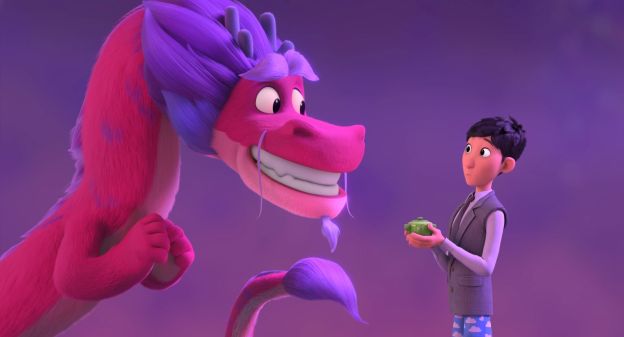
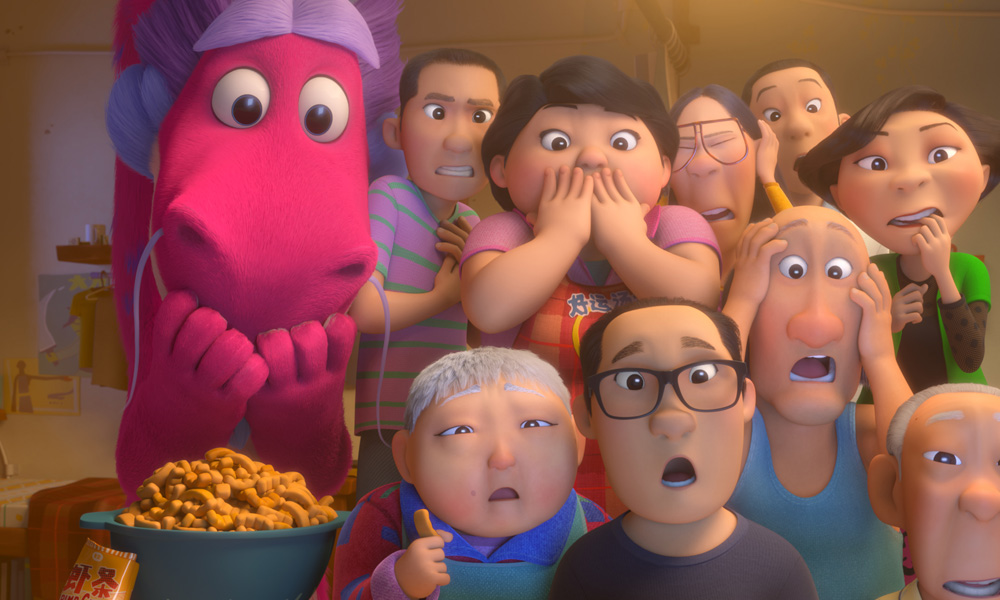
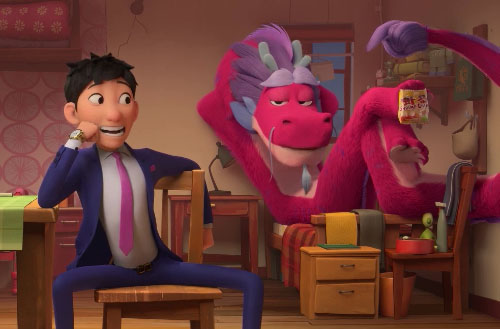
After finally sitting down and watching Wish Dragon on Netflix, I have to confess I have (once again) learned a powerful lesson: one should never judge a movie by its first 20 minutes alone. Because while Wish Dragon does get off to a rather slow start, it does eventually come into its own with a beautiful story to tell.
The story of Wish Dragon is set in modern Shanghai and follows a capable (but poor) young man named Din, who unexpectedly finds himself in possession of a magic teapot containing a “wish dragon” named Long who can grant him three wishes. If that sounds suspiciously familiar to the plot of Aladdin, well, it is, and on that basis alone I almost gave up on the film because, let’s be honest, Disney did that story years ago and did it very well.
But there’s a key difference between these two films and that is the titular wish dragon Long. This pink dragon is no Genie, and the film is well-written to make sure we don’t think of him that way. Long is an unexpectedly complex character; he started off irritating but slowly grew to become one of my favorite characters in the film. Long isn’t just a magical dragon, he has his own motivations that color the story and that creates a completely different relationship between Din and Long than what exists between Aladdin and the Genie. It’s a brilliant twist on this kind of story actually, and I’m glad I stuck with the film to see how this story arc played out.
Another thing I love about Wish Dragon is how this story puts a platonic twist on the “boy wants girl” story trope. When I first heard of this film and realized there was a young man and young woman involved, I rolled my eyes and thought “here we go, another YA animated romance film. Next!” And then I saw the part in the trailer where Din admits that he does NOT want Lina to fall in love with him, he just wants her back as his best friend. And that made my jaw DROP. That….you don’t see that in stories, or at least you didn’t until now. It was so refreshing to see a story where romance is NOT the ultimate goal of these magic wishes (another key difference from Aladdin).
And then there’s the film’s themes about telling the truth and friendship. Of course the most important theme in this film is friendship and how it is one of the most important things you can have, even more than money or fame. But…at the same time there’s an almost equal emphasis on telling the truth, be it about what you really want in life or being honest about who you really are. You need to be honest with yourself and the world about what you really want, at least that’s what I gathered after watching this film.
As a quick side note, I might also say that Wish Dragon also has a smaller lesson embedded in it, that being “be careful what you wish for, you just might get it.” It’s a lesson you don’t see implemented consistently with magical wish-granting stories, but Wish Dragon does make good use of it in this film, and Long even snarks about how one should “be careful what you DON’T wish for” in reference to this idea.
Now, as much as I ended up loving Wish Dragon, it does take a little while to get going. I beg you to be patient with the film’s first act because once things are properly set into motion, the story is a lot of fun. Other than that, I have no real complaints about this film. The animation is smartly done and the music, as I learned from talking to the film’s composer, is indeed a perfect blending of East and West.
Despite some minor flaws and a slow start, Wish Dragon proved itself to be everything I was promised and more. It proves a story like this doesn’t need romance to work and it also rams the lesson home that money is NOT everything nor is being rich everything it’s cracked up to be. As the credits rolled, I found myself more than happy with what I’d seen and I happily recommend checking this film out on Netflix.
Let me know what you think of Wish Dragon on Netflix in the comments below and have a great day!
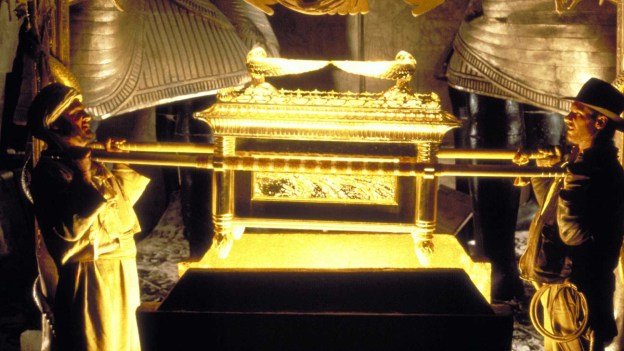
So as I was booking movie tickets last week, I was delighted to see that my local Regal Cinema was showing the 40th anniversary screening of Raiders of the Lost Ark. Hard as it is to believe that this film is 40 years old, I couldn’t say no to the chance to see this film in theaters, as the only other opportunity I had to see this film on the big screen was five years ago when I got to see Raiders of the Lost Ark in concert (a fun experience, but not quite the same as seeing it in a theater).
I‘ll start off by saying that Raiders of the Lost Ark is just as good as I remembered. I grew up watching this film, seen it more times than I can count, and oh my goodness was it fun to see it play out in a movie theater. If you’re not familiar with this film, this is the first movie to feature Harrison Ford as archaeologist/adventurer Indiana Jones. A lot of the movie collections will actually retitle this film “Indiana Jones and the Raiders of the Lost Ark” but Raiders of the Lost Ark is in fact the proper title. And as the title implies, Indiana Jones is in search of the fabled Ark of the Covenant….but so are the Nazis (because this film is set in 1936 so of COURSE the Nazis are the bad guys).
Half of what makes Raiders of the Lost Ark so amazing is John Williams’ phenomenal score. Williams has never done a bad film score, but I feel like this point in time was particularly good for him, as Raiders of the Lost Ark came out the year after Empire Strikes Back (and we all know how good THAT score is). My favorite musical moment in this film remains ‘The Map Room’ when Jones has to deduce where the Well of the Souls REALLY is (after learning that his rival doesn’t know after all). This is a perfectly shot scene and what makes it memorable is that the music does 90% of the work. From the moment the cue starts until the end, Harrison Ford doesn’t say a word because the music is telling the story for you.
And then there’s, of course, the story of the film itself. It’s classic good guy vs bad guy storytelling and even though I can quote most of the film from memory, it never ever gets old, that’s how good this film is. Something I’ve grown to appreciate over the rewatches is how this film subverts the adventure tropes that it claims to emulate. Examples include (but are not limited to): Indiana Jones is initially presented as a tough explorer, but he’s TERRIFIED of snakes; Jones steals a uniform from a Nazi guard but it doesn’t fit him when he tries to put it on (subverting the idea that the enemy uniform you steal will ALWAYS fit); Jones is also not as smart as he thinks he is, for proof I cite the opening scene when he tries to trick the booby trap into letting him remove the golden idol without setting it off.
I’m also a big fan of Paul Freeman’s Belloq, the French archaeologist who is Jones’ primary rival throughout the film. On the initial viewing, you might be inclined to just hate Belloq because he works with the Nazis, but the more you watch this film, the more you realize it’s not quite that simple. Sure, Belloq is on the wrong side of history (and he pays for it dearly), but his interest in the Ark is 100% genuine. Also, I think his feelings for Marion are real too, as he seems genuinely upset when Marion is thrown into the snake-filled Well of the Souls. Really, I just like that Belloq is a nuanced villain, in contrast to the Nazis who are just out and out evil.
One thing that’s always bothered me though is the ending. I can still remember watching this film as a kid and being absolutely bewildered that the last thing we see is the Ark getting shut up into a box and taken deep into a packed warehouse. It frustrated the heck out of me as a kid, and even though I sort of understand why the film ends this way, it still frustrates me now if I’m honest. I can’t help but agree with Jones’ final assessment “Fools…..bureaucratic fools. They don’t know what they’ve got there.”
Raiders of the Lost Ark may be 40 years old, but it’s only improved with age. If you get the chance to see this anniversary screening, please go watch, it’s an experience everyone should have at least once.
Let me know what you think about Raiders of the Lost Ark in the comments below and have a great day!
To my surprise and delight, I was given the opportunity to speak with Alex Lahey about their work on the song ‘On My Way’ and its inclusion in the hit Netflix movie The Mitchells vs The Machines.
Born in Melbourne, Australia, Alex started playing both guitar and saxophone when she was 13 years old, and studied art and jazz when she first enrolled in university. She broke through in 2016 with her song “You Don’t Think You Like People Like Me”, with her first full-length album ‘I Love You Like a Brother’ following in 2017.
How did you get started as a musician?
I’ve been playing music my whole life, but I really got serious about it when I was in high school and fell in love with playing the saxophone in the school big band. As I was getting into learning the sax, I was teaching myself guitar on the side just as a way to play the punk, rock and pop music I was actually listening to in my spare time. After leaving school and playing in a few bands with mates, I came to realise that I’m a better songwriter than saxophone player and I’ve never looked back.
How did you get connected with The Mitchells vs The Machines?
I was really lucky that my song ‘Every Day’s The Weekend’ got included in The Mitchells quite early on in the production process. So early on that they didn’t have a song for the end credits of the movie! So I got sent a brief of what the director and music supervisor were looking to fill that space with and that’s how ‘On My Way’ came to be.
What did you think of the film’s story?
I loved the story of the film and especially loved the character of Katie. Growing up as a queer kid, it would’ve meant the world to me to have seen a character like Katie on screen and I’m so glad she exists now for all the young people who need someone like her. The themes of family, growing up and being yourself that are so central to the story really resonate with me too.
Tell me about how ‘On My Way’ was developed for the film, what was the process for that song coming together?
As I mentioned before, the song was prompted by a brief the creative team provided me with. Between lockdowns in Melbourne, I took the brief to two artists I’m very close with, Gab Strum (Japanese Wallpaper) and Sophie Payten (Gordi), just as something to do while hanging out for the first time in ages and ‘On My Way’ was born. I guess we had a lot of good creative vibes waiting to be unleashed after so much time without face to face collaboration. Gab and I ended up finishing the recording virtually as Melbourne went back into lockdown. A big shout out must go out to Scott Horscroft who tracked all the drums and mixed the tune for us at The Grove while we were beamed in via Zoom during Stage 4 lockdown!
Aside from ‘On My Way’ were you involved in any other aspects of the music for The Mitchells vs The Machines?
To have both ‘On My Way’ and ‘Every Day’s The Weekend’ included in the film was really awesome. It was so great to be a part of this project in a really meaningful way. I’d never written a song intentionally for screen before and it was so wonderful to be part of the process of bringing this film together, even just in a small way. I hope it’s not the last time I get to be involved in a project like this.
I want to give a big thank you to Alex Lahey for taking the time to talk with me!
I was recently blessed with the opportunity to speak with composer Philip Klein about his work on the upcoming Netflix film Wish Dragon (which comes out on June 11th). Klein’s music has been heard in film and television projects for Sony, Disney, Pixar, Lionsgate, ABC and CBS. As a writer, Philip has collaborated with some of the finest composers working in film and TV, including Harry Gregson-Williams, Carter Burwell, Alex Heffes and Fil Eisler. He’s has had the honor of orchestrating for James Newton Howard, Alexandre Desplat, Ludwig Göransson, Richard Harvey, Steve Jablonsky, David Buckley, Stewart Copeland, Peter Golub, John Frizzell and several other amazing artists.
After a steady diet of drum corps and classical music throughout his childhood, Philip’s formal music education took him to Chicago where he studied trumpet and composition at Northwestern University. This classical foundation combined with a deep understanding of modern scoring techniques allow him to seamlessly compliment every project he works on. Selected as one of six fellows for the 2011 Sundance Institute’s Film Composing Lab in Utah, Philip has always had a deep love for the interaction of music and film. He owes much of his success to his mentors in Hollywood, Harry Gregson-Williams, Alan Silvestri, Penka Kouneva and Peter Golub.
“Wish Dragon” is the story of Din, a 19-yr old college student living in a working-classneighborhood of modern-day Shanghai, who has big dreams but small means. Din’s life changes overnight when he finds an old teapot containing a Wish Dragon named Long – a magical dragon able to grant wishes – and he is given the chance to reconnect with his childhood best friend, Li-Na.
Please enjoy my conversation with Philip Klein about Wish Dragon!
How Did You Get Started as a Composer?
I was a trumpet player for most of my young musical life but I eventually found myself being drawn more to orchestration and composition. I had a soft spot for film scores at a very young age and would spend hours picking out notes to my favorite themes, so it felt natural to fall into that world when I went to college and beyond. Once I had scored a few student films I was hooked and moving to Los Angeles was the logical next step. I’ve had the great fortune of working with some of the most skilled artists in film and music.
How did You Get Involved with Wish Dragon? Was there anything in particular that drew you to the story?
Producer Aron Warner is a dear friend and we’ve both always wanted to work on a project together. One of Aron’s superpowers is curating a team of creatives that all compliment each other. He felt that director Chris Appelhans and I would mesh well so he reached out and I saw a very early cut of mostly stick figure drawing and early animatics. Even in its most basic form the story was beautifully conceived and it was clear from conversations with Chris and Aron that the film was going to be special. I did all that I could to convince them that I was the right composer for the film and luckily they agreed. Chris’ passion for storytelling, the characters and the culture is what drew me in early on; it wasn’t long before I was happily escaping into this world on a daily basis.
I saw that you also worked on Raya and the Last Dragon as an orchestrator. Given thatboth of these films are about dragons, would you say there are musical similarities between the two or did you go out of your way to avoid any overt musical comparisons to Raya?
James Newton Howard wrote a beautiful score for Raya. I lucked out a bit in that I actually finished recording the score for Wish Dragon several months before we began orchestration work on Raya, so my window for being influenced (and intimidated) by James’ writing had passed. James’ score took advantage of musical colors from different areas of Mongolia and Southeast Asia, whereas Chris and I wanted to stick very close to Chinese culture for the color of the score. Raya has a bit more fantasy whereas Wish Dragon is a bit more comedic. So in that sense, the scores were always going to sound different.
What was your starting point in putting the music for Wish Dragon together? Was there a lot of collaboration with the director during this process?
I don’t think I’ve ever been part of a project where the director was as much a collaborator as Chris was on this film. The first 3-4 months of the process was just sharing music, videos and thoughts back and forth. We sent each other any kind of Chinese instrument, folk song, vocal, opera percussion; basically any sound we could find. Eventually, we started to hone in on the overall palette and approach we thought may work and then I started to experiment with those boundaries in place. Chris was intimately involved with the music from conception through recording and mixing. Chris had such a strong vision of what he wanted and needed out of the score, I loved every minute of working through this film with him.
Were you inspired by any earlier films when putting the music together since this is a reworking of the “genie in a bottle” type of story? Or did you try to put an original twist on it as far as the music went?
While on its surface this film may seem like a “genie in the bottle” kind of story, the film is much more about friendship and redemption than anything. The spectacle and theatricality of Long’s character sits somewhat behind the genuine connections we follow throughout the film. While it is important to give a voice to Long’s over-the-top character, we never went too far in making him seem like more of a being than he is. I think previous iterations of that kind of story maybe put more emphasis on the genie type character and their performance. So musically, you have to match that kind of energy. In Wish Dragon, we always wanted more weight to go towards the relationships and arcs of the characters so it naturally kept me away from drawing too much inspiration on other films or scores. I’ll always be proud of how Chris and I blended these beautiful instruments of Chinese culture with a more Western orchestral palette. We didn’t want either to ever overshadow the other.
Did you assign themes to the major characters? Or if not all of the characters, did you give a musical theme to Long the dragon?
I’m a huge believer that thematic writing is one of the most effective ways to create memorable emotional moments in a film. Long has a theme we hear in the first cue of the film. It’s broad and sweeping, almost always played with the orchestra to give his character scale and drama. Din’s theme probably recurs most often but is played much more simply and with less fanfare than Long’s. Much of Din’s scenes take full advantage of the energy from the Chinese instruments we used. For most of the film Din is full of optimism so his theme is orchestrated with lovely and light, plucked textures. There are two secondary themes; the first for our baddies and the other for Din and Li Na’s relationship. For the goons in the film, I used a lot of darker bowed sounds from the Chinese instruments and mixed them into more modern, synth heavy orchestration. For Din and Li Na, it’s a very simple fluttering synth with a three note motive that echoes their “day by day” mantra.
How did you decide on which traditional Chinese instruments to include in the score? And was it hard blending those instruments with a traditional Western orchestra?
It can be overwhelming at the start of a score like this because my brain and ears want to explore every new color out there. Unfortunately, I’d still be working on the score today if I didn’t put a bit of a cap on what instruments we should focus on. Honestly, we spent months early on just listening and me having video calls with players all over the world. I’d ask them to show me the basics of their instruments, what it can do, and what it shouldn’t do. Eventually I boiled down my core palette to around 8-10 Chinese instruments that would represent that side of the score. The orchestra was always in place as it’s difficult to replace the sheer power of that vehicle, but the Chinese instruments became our color and our energy throughout the film. We never wanted the score to sound like an orchestra blasting away with some Chinese soloists playing on top of them. Rather, we wanted the two to become more homogenized so that the Chinese world melted into the orchestral. Blending them together was one of the most enjoyable experiences I’ve had because it opened my ears to brand new textures and colors. It allowed me to explore a new musical world I had never heard before. That’s always the most exciting part of working on a film.
How much time did you have to score Wish Dragon?
I had the great fortune of working on this score for nearly a year. This gave us plenty of time to truly flesh out all of our wildest ideas, themes and orchestrations.
Do you have a favorite track or moment in the score?
I will always love the scene and cue titled “Everything That Matters.” It’s such a beautiful, honest moment between Din and his mother and their relationship’s arc in the film. It was also one of those moments where Din’s theme just seemed to line up perfectly without me having to do much. That doesn’t always happen, but it’s a pleasant surprise when the notes just seem to fit the film without much ado.
I hope you enjoyed my conversation with Philip Klein about his work on Wish Dragon. You’ll be able to check out the film when it releases on Netflix on June 11th, 2021.
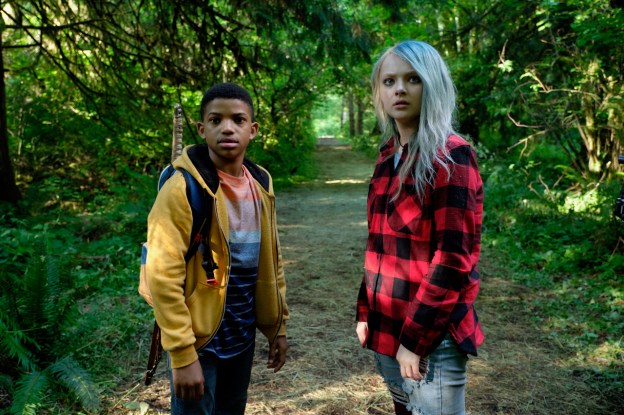
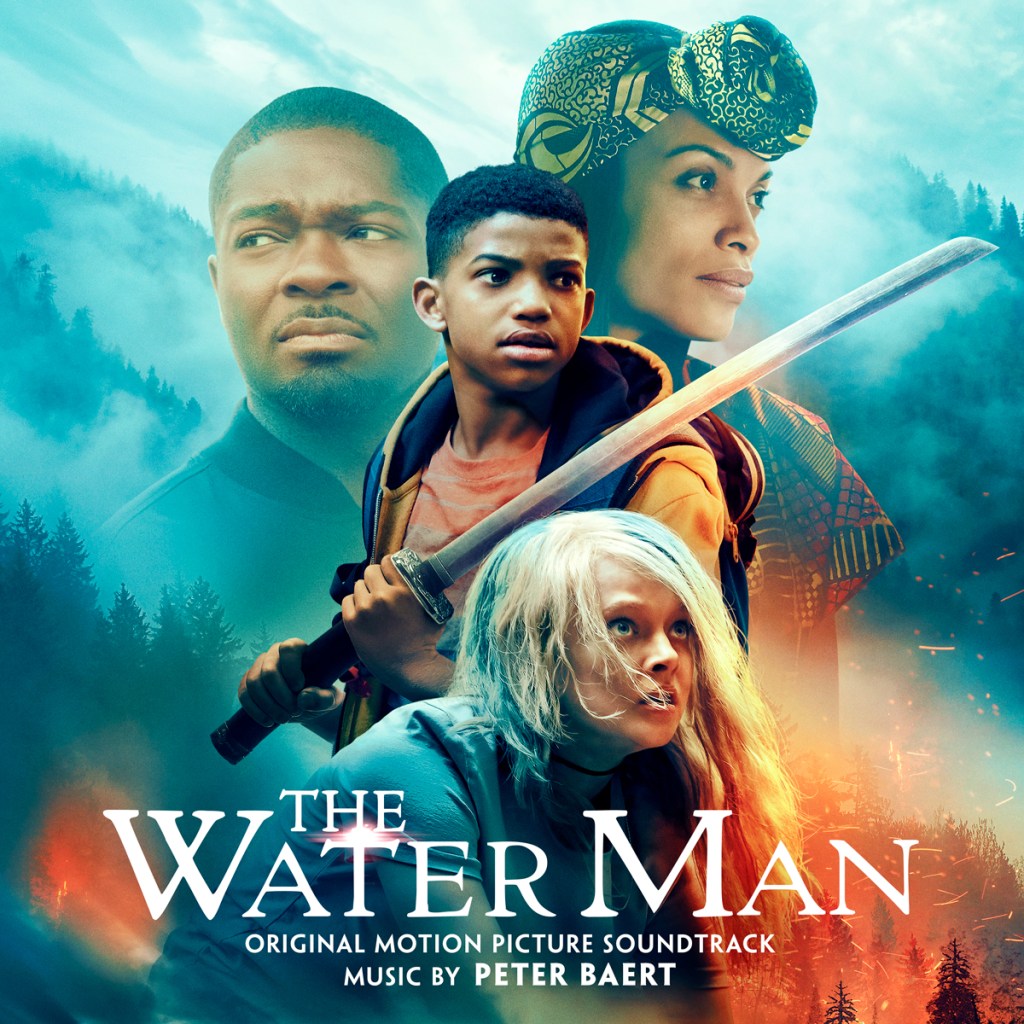
Last month, Lakeshore Records released the Original Motion Picture Soundtrack for the RLJE Films family adventure film The Water Man—acclaimed actor David Oyelowo’s directorial debut. The album is comprised of an ethereal original score from Belgian composer Peter Baert, also making a debut with his first composition for a major Hollywood feature. The soundtrack also features two original songs written and performed by Jessica Oyelowo, including the end credits song “My Son.” The Water Man soundtrack is available digitally alongside the film’s U.S. theatrical release.
The music of The Water Man is a mix of classical orchestra, piano, percussion, and electronics. Peter felt the score should follow the journey of the main character Gunner, going on quest into the woods to save his ill mother. He processed the Water Man’s screams and sighs through long delays, modular tools, and tape echoes to create “The Water Man Synth.” When David proposed a motherly energy to be present in the music, Peter worked with a vocalist, who has a similar timbre of the mother (Rosario Dawson), and created “The Mother Synth.”
David Oyelowo says, “Music and sound in film has always been important to me, which is why I consider myself lucky to have met composer Peter Baert when I did. We first crossed paths when he was the sound engineer on another project I was working on in Belgium, and he had previously shared a music demo of his compositions that I just couldn’t shake. While in post-production on The Water Man, I was working with another composer and had initially cut Peter’s music in as an experiment, and it all just worked perfectly. Within a week, he flew over, sat next to me in the edit, and that’s how he became my composer. He’d never done an English-speaking film before, and he totally nailed the tone. We recorded and mixed at Galaxy, and did all the sound design and mixing at Sony and re-recording at Deluxe Hollywood.”
Peter Baert on his collaboration experience: “David Oyelowo is such a wonderful human being and a gifted storyteller. He took a giant leap in choosing me as a composer and I felt his trust and guidance throughout the time we worked together. Being present for a short time in the editing room with David and editor Blu Murray was such a wonderful experience—I felt part of something bigger.”
Of his musical inspirations, Baert says: “The heartfelt story of The Water Man took me back to two periods in my life. The first reminded me of being in my early teens, always playing in the neighborhood with my friends and going on adventures in a nearby forest. The second transported me back to a day in 2008 when my mom and I found out the diagnosis of her pancreatic cancer. She would be gone in 6 months. At some moment during the composing process the music found me, and it glued to the screen. This beautiful story reflects what I experienced in real life—that it is sometimes better to let go and cherish the time we have, than to hold on at all costs.”
TRACK LIST
Gunner’s Theme
Mary’s Lullaby
Mother’s Medicine
Finding Jo
Question
The Water Man Story
Runaway
Come into My Office
Enter the Forest
First Night
Night Watch
Candy
The Howling Wild Horses
Snow in July
Second Night
A Lot of Beetles
Morning
Amos’s Search
Crossing the River
A Bunch of Crap
Coming Closer – “The Water Man Rhyme” (feat. Amiah Miller)















 Film Music Central