Tag Archives: soundtrack

Soundtrack News: ‘Looney Tunes: Back in Action’ and ‘Babe’ Soundtracks Available Exclusively from Varèse Sarabande Records

Varèse Sarabande Records is thrilled to unveil its January 2021 CD Club titles: Looney Tunes: Back in Action (The Deluxe Edition) by Jerry Goldsmith and Babe (The Deluxe Edition) by Nigel Westlake, which are now available exclusively on VareseSarabande.com.

Looney Tunes: Back in Action (The Deluxe Edition):

The final film score of Jerry Goldsmith’s legendary career gets a long-awaited CD Club treatment: Looney Tunes: Back in Action (2003) reunited Goldsmith with director Joe Dante (Gremlins, Innerspace, Matinee) for an insane musical journey befitting Warner Bros.’ classic cartoon characters, with Bugs Bunny and Daffy Duck starring in a live-action/animation hybrid alongside human characters played by Brendan Fraser, Jenna Elfman, Timothy Dalton and Steve Martin.

The globetrotting adventure demanded one of Goldsmith’s zaniest scores ever, a sort of indescribable combination of slapstick, action and whimsy that lurches from high-energy symphonic chases to pop-influenced flourishes to Carl Stalling-styled “Mickey Mousing.” All of it has Goldsmith’s effortlessly melodic touch, with the special brand of left-field inspiration that always accompanied his work for Dante.

Previously released by Varèse Sarabande at the time of the movie, this comprehensive 2-CD set features not only Goldsmith’s vastly expanded score, but rewrites and additional music by John Debney, Cameron Patrick and a handful of others—as well as alternates and outtakes by Goldsmith and the complete 2003 album program. Packaging features new liner notes by Daniel Schweiger (incorporating new interviews with Dante, Debney and Patrick) and Goldsmith’s longtime friend and recording engineer, Bruce Botnick.

TRACK LISTING

DISC 1:

  1. Looney Tunes Opening (What’s Up Doc?) / Rabbit Fire (1:09)
  2. What’s Up? (1:25)
  3. Another Take (:48)
  4. Dead Duck Walking (3:14)
  5. She Likes You (:46)
  6. The Shimmy / Out Of The Bag / Save Dad / The Car (3:53)
  7. Not A Billion (:45)
  8. Blue Monkey (:58)
  9. Extra Crispy (:36)
  10. The Shower / Psycho Parody (1:15)
  11. In Style (1:10)
  12. The Bad Guys (2:57)
  13. Hit Me (:30)
  14. Car Trouble / Flying High (3:46)
  15. Hurry Up (:25)
  16. Nice Hair / Burning Tail (:55)
  17. A Visit To Walmart / Free Drinks (:36)
  18. Wrong Turn Coyote (:54)
  19. The Launch (:27)
  20. Thin Air (1:26)
  21. Area 52 (Take 54) (1:29)
  22. You’re Next (:25)
  23. Wacky Marvin In The Jar (:49)
  24. Hot Pursuit (2:26)
  25. We’ve Got Company / Man And A Woman / I’ll Take That (3:21)
  26. The Painting / The Scream / It Is Spring / Bugs with Mandolin (3:20)
  27. The Red Balloon (:26)
  28. Paris Street (1:22)
  29. Free Fall (1:17)
  30. The Hook / Africa (:33)
  31. Tasmanian Devil (1:09)
  32. Jungle Scene (1:42)
  33. Pressed Duck (3:26)
  34. Re-Assembled (:51)
  35. Waiting For A Train (2:49)
  36. A New Puppy (3:06)
  37. To The Rescue (4:24)
  38. Heroes (2:39)
  39. Merry-Go-Round Broke Down (That’s All Folks!) (:16)
  40. End Title Suite (5:17)

DISC 2:

  1. What’s Up? (1:29)
  2. Another Take #9 (:53)
  3. Trumpet Wa-Wa (:07)
  4. The Shimmy (:12)
  5. Out Of The Bag (1:17)
  6. The Car, Part 1 (:15)
  7. The Car, Part 2 (:12)
  8. Psycho (:37)
  9. Car Trouble (3:22)
  10. Wrong Turn, Part 1 (1:14)
  11. Wrong Turn, Part 2 (:25)
  12. Wrong Turn, Part 3 (1:08)
  13. The Launch (:30)
  14. The Blue Danube / The Barber of Seville / Can Can (:36)
    15 Vivaldi Concerto (:15)
  15. The Hook (:29)
  16. Pressed Duck (3:39)
  17. Merry-Go-Round Broke Down (That’s All Folks!) (:23)

The Original 2003 Soundtrack Album:

  1. Life Story (:19)
  2. What’s Up? (1:25)
  3. Another Take (:48)
  4. Dead Duck Walking (3:14)
  5. Out Of The Bag (3:44)
  6. Blue Monkey (:54)
  7. In Style (1:09)
  8. The Bad Guys (2:56)
  9. Car Trouble (3:46)
  10. Thin Air (1:26)
  11. Area 52 (1:29)
  12. Hot Pursuit (2:26)
  13. We’ve Got Company (1:50)
  14. I’ll Take That (1:22)
  15. Paris Street (1:21)
  16. Free Fall (1:15)
  17. Tasmanian Devil (1:09)
  18. Jungle Scene (1:40)
  19. Pressed Duck (3:22)
  20. Re-Assembled (:52)
  21. Merry-Go-Round Broke Down (That’s All Folks!) (:55)

Music Composed and Conducted by Jerry Goldsmith, Additional Music by John Debney • Produced by Jerry Goldsmith • Performed by The Hollywood Studio Symphony

Babe (The Deluxe Edition):

Babe was a massive surprise hit in 1995. A children’s film starring a talking pig seemed to be the last thing anybody expected from visionary filmmaker George Miller (Mad Max). Writer-producer Miller adapted the 1983 book with director and cowriter Chris Noonan, and created a universally praised, moving film about a farm pig (a combination of animatronics and computer graphics) who longs to be a sheepdog. With a memorable lead performance by James Cromwell as Babe’s farmer-owner, Babe received glowing reviews and seven OSCAR® nominations, winning for Best Visual Effects.

A major part of Babe’s exquisite, perfectly pitched storybook tone is the charming, resonant symphonic score by Australian composer Nigel Westlake. Westlake interpolated a tapestry of classical works, most notably the maestoso section of Saint-Saëns’ third (Organ) symphony, to perfectly capture the human emotions of the film’s animal characters, while ironically treating the humans with an animal-like comedy and whimsy. (The Saint-Saëns melody had been adapted into the British reggae pop hit “If I Had Words” by Scott Fitzgerald and Yvonne Keeley; a sped-up version is used in Babe’s end credits.)

Babe was released as a music-and-dialogue album at the time of the film. This CD Club edition features the expanded score as music only, packaged with a new essay by Tim Greiving featuring insights from Miller, Noonan, Cromwell and Westlake.

TRACK LISTING

  1. Opening Titles (From The Motion Picture Babe) – Piggery (4:02)
  2. Fairground (Extended Version) (3:16)
  3. I Want My Mum / The Way Things Are (4:40)
  4. Fly Would Never / Crime And Punishment (3:50)
  5. Anorexic Duck Pizzicati (Extended Version) (3:21)
  6. Repercussions / Into The Knackery (2:23)
  7. Pig, Pig, Piggy / Mother And Son (2:28)
  8. Pork Is A Nice Sweet Meat (3:26)
  9. Christmas Morning (Extended Version) (5:08)
  10. Separate The Chickens / Round Up (2:37)
  11. Babe’s Round Up (Extended Version) (3:59)
  12. Mad Dog Rex (1:14)
  13. The Sheep Pig (Extended Version) (1:47)
  14. Dog Tragedy (1:36)
  15. Hoggett Shows Babe / Maa’s Death (2:58)
  16. Home Pig / Hoggett With Gun (2:48)
  17. Pig Of Destiny / Up To Trouble (3:29)
  18. The Cat / What Are Pigs For (2:26)
  19. Where’s Babe / Hoggett’s Song (3:23)
  20. Babe In The Kitchen / Help For Babe (4:32)
  21. Baa Ram Ewe / Rex On Truck (1:46)
  22. The Gauntlet / Moment Of Truth (Extended Version) (1:45)
  23. Finale – That’ll Do, Pig, That’ll Do (1:39)
  24. If I Had Words (2:54)
  25. Toreador Aria (Excerpt) (:22)
  26. Pork Is A Nice Sweet Meat (With Vocals) (3:51)
  27. Blue Moon (Excerpt) (:40)
  28. Cantique de Jean Racine (Excerpt) (:41)
  29. If I Had Words (Hoggett’s Song) (1:52)

Music Composed and Produced by Nigel Westlake
Performed by the Victorian Philharmonic Orchestra

Let me know if you’ll be picking either of these soundtracks up and have a great day!

See also:

Become a Patron of the blog at patreon.com/musicgamer460

Check out the YouTube channel (and consider hitting the subscribe button)

Don’t forget to like Film Music Central on Facebook 

Soundtrack Review: A Perfect Planet (2021)

Sony Music today released A Perfect Planet (SOUNDTRACK FROM THE BBC SERIES) with music by composer Ilan Eshkeri (Stardust, The Young Victoria, Ghost of Tsushima). The album features the music from Eshkeri’s fourth collaboration with Sir David Attenborough, the legendary naturalist who will narrate the BBC series.

Regarding the music for A Perfect Planet, composer Ilan Eshkeri had the following to say:

“Creating the music for A Perfect Planet has been a hugely rewarding experience. The series celebrates the extraordinary world we are a part of as well as showing the delicate balance of the systems that support life, and what we need to do to ensure its future stability. It’s a message that’s very important to me and one that I believe we have a responsibility to engage with – in a way that not only educates but inspires the next generation. This influenced my approach to the music, and set me on an unconventional path. Composing the music for A Perfect Planet has also been enormously challenging – not least because of the unprecedented logistical issues of trying to record an orchestra during the lockdown! I’m grateful to everyone at the BBC and [production company] Silverback who supported me and the ideas I threw at them and I hope my music can play a small part in helping to inspire change.”

The music for A Perfect Planet is gorgeous. As you might expect for a soundtrack accompanying a series highlighting the wide variety of life on Earth, Ilan Eshkeri has created a veritable symphony that serves as the perfect complement to the visual elements of the series. This isn’t like some documentaries where the music is meant to fade into the background as much as possible. Here, in a series like A Perfect Planet, the music and the visuals are equals to each other. In this kind of story, it’s okay if the music stands out, as many times we’re left to watch the animals move about in their environment

One thing about this music that jumped out at me was the concept of balance, a very important concept especially when you think about the climate change currently tearing our planet apart. Eshkeri starts the music off with two tracks titled “A Perfect Planet” and “A Perfect Balance” and in each of these pieces the composer creates a feeling of balance by filling the music with arpeggios, chords broken down and spelled out in upward and downward motion. Repeated uses of arpeggios can create a “seesaw” feeling in the music that gives one the sense of something being carefully balanced. What’s more, these arpeggios return throughout the soundtrack, reinforcing the idea that the music is ultimately about balance in life and nature and that’s something I love very much.

I also enjoy the wide range of instruments featured in this soundtrack. It’s all orchestral, but some sections focus more on the strings, some more on the woodwinds, it all shifts based on which animals (or environments) are being highlighted. Honestly, the music is so soothing I would happily listen to this soundtrack all day long, even without seeing the documentary that goes with it. This is the second soundtrack by Ilan Eshkeri that I’ve listened to, and I’ve loved every minute of it. I can’t wait to see what he creates next.

A PERFECT PLANET (SOUNDTRACK FROM THE BBC SERIES) TRACKLISTING –

  1. A Perfect Planet
  2. A Perfect Balance (Episode 1 – Volcanoes)
  3. Wildebeest (Episode 1 – Volcanoes)
  4. Flamingos (Episode 1 – Volcanoes)
  5. Vampire Finches (Episode 1 – Volcanoes)
  6. Bears (Episode 1 – Volcanoes)
  7. Volcanoes (Episode 1 – Volcanoes)
  8. Sunlight (Episode 2 – Sunlight)
  9. Gibbons (Episode 2 – Sunlight)
  10. Arctic Foxes (Episode 2 – The Sun)
  11. Silver Ants (Episode 2 – The Sun)
  12. Autumn (Episode 2 – The Sun)
  13. Snub-Nosed Monkeys (Episode 2 – The Sun)
  14. Sooty Shearwaters (Episode 2 – The Sun)
  15. Fire Ants (Episode 3 – Weather)
  16. Giant River Turtles (Episode 3 – Weather)
  17. Red Crabs (Episode 3 – Weather)
  18. Summer (Episode 3 – Weather)
  19. Dry Season Pt. 1 (Episode 3 – Weather)
  20. Dry Season Pt. 2 (Episode 3 – Weather)
  21. A Changing Climate (Episode 3 – Weather)
  22. Marine Iguana (Episode 4 – Oceans)
  23. Cuttlefish (Episode 4 – Oceans)
  24. Mangroves (Episode 4 – Oceans)
  25. Manta Rays (Episode 4 – Oceans)
  26. Spring (Episode 4 – Oceans)
  27. Hardyheads (Episode 4 – Oceans)
  28. Rockhopper Penguins (Episode 4 – Oceans)
  29. Eden’s Whales (Episode 4 – Oceans)
  30. Elephant Orphans (Episode 5 – Humans)
  31. Climate Refugees (Episode 5 – Humans)
  32. The Rainforest (Episode 5 – Humans)
  33. Reforestation (Episode 5 – Humans)
  34. A Changing Planet (Episode 5 – Humans)

A Perfect Planet premiered on January 3, 2021 on BBC One, and will consist of five episodes. Let me know what you think about A Perfect Planet (and its music) in the comments below and have a great day!

See also:

TV Soundtracks

Become a Patron of the blog at patreon.com/musicgamer460

Check out the YouTube channel (and consider hitting the subscribe button)

Don’t forget to like Film Music Central on Facebook 

The Music of Snow Hollow: Talking with Composer Ben Lovett about ‘The Wolf of Snow Hollow’ (2020)

After getting to check out the soundtrack for The Wolf of Snow Hollow, I knew I had to speak with composer Ben Lovett about his work on this soundtrack. Fortunately for me, the moment came and I took it! It was so exciting to get to ask Ben Lovett about his work on this score and I can’t thank him enough for taking the time to answer my questions about the music for The Wolf of Snow Hollow.

Ben Lovett is an American recording artist, songwriter and composer known for crafting unconventional scores to a diverse range of films including the Netflix original The Ritual, Independent Spirit Award nominee The Signal, the Duplass Brothers’ survival thriller Black Rock, Amy Seimetz’s award-winning noir Sun Don’t Shine, Emma Tammi’s avant-garde western The Wind, and the time travel sci-fi noir Synchronicity which earned Ben a nomination for “Discovery of the Year” at the prestigious World Soundtrack Awards. Lovett’s latest work includes scores for the Hulu series Into the Dark, the colorful taxidermy documentary Stuffed, Orion Pictures tragicomedy The Wolf of Snow Hollow from director Jim Cummings, and a new collaboration with Ritual director David Bruckner on the Searchlight Pictures thriller, The Night House.

How did you get started with being a film composer?

I was tricked.  Someone convinced me I could do it even though I tried to argue otherwise.  Or more specifically, they convinced me I had no good reason not to try, and of course they were right.  That was in college at the University of Georgia in the late 90’s and I’ve been doing it ever since.

How did you get connected with The Wolf of Snow Hollow?

The producers at Vanishing Angle reached out early in post production. I scored “American Folk” for them a few years back and had a good rapport there. Jim is part of a great community of filmmakers that all share an orbit with Vanishing Angle and he was familiar with some of the scores I’d done. I watched “Thunder Road” and absolutely loved it. I knew after about the first 10 minutes that I had to be part of whatever he was doing next.

I saw in the PR announcing the release of the soundtrack, that you said that you and the director talked together and some big names came up, like Herrmann and Prokofiev, in regards to the music. How big an influence did they play in the film’s score? What other names came up in the discussion that ended up having an influence on the score?

When I came onboard Jim sent me a YouTube clip of a 75 piece orchestra performing Prokofiev’s “Romeo & Juliet” and said “The score needs to be like this!” The budget was very modest and there wasn’t a lot of time so as reference points go that one was exciting and hilarious and terrifying all at once. Jim was super enthusiastic about the score though and I could tell he wasn’t afraid to swing big. He referenced Jon Brion’s score to “Magnolia”, and the Jerry Goldsmith score for “The Burbs” as spiritual reference points as well. So I dove in with this sort of Mt Rushmore of influences in the background and tried to just channel the spirit of all that into some kind of hybrid, low budget, horror comedy appropriate, musical jambalaya.

More specifically, how big an influence did Bernard Herrmann’s music have? I swear I can hear parts resembling Psycho (1960), especially in “Third Crime Scene.” Are there direct musical homages in there? If so, was that a thing decided on from the beginning or did it just evolve as the scoring process continued?

That evolved along the way. It was more a sense of feeling like that was a common language where all those other references crossed paths. There weren’t direct homages or specific Herrmann scores I was referencing, it was more channelling the spirit of his style as a general point of inspiration. There’s something very signature in the way his scores operate melodically, and some intangible quality about the nature of their relationship to the picture and how his music informs the overall aesthetic of those films.

“Third Crime Scene” is kind of a thought experiment of me going, “What if Bernard Herrmann had scored “Peter & the Wolf’? I was never afraid of landing anywhere in the vicinity of his talent so it felt like a safe exercise to swing for something with a similar mentality, or whatever I’d interpreted that to mean. I didn’t get too academic about it, it just seemed like a fun sandbox to play in and one that seemed appropriate for this film.

How did you approach scoring The Wolf of Snow Hollow? Did you have a lot of time to work on the music?

Definitely not. I’m not sure I’d know what to do with a lot of time, does that exist? It was a small window from start to finish, very much your classic race the clock, down to the write, 11th hour, head first slide into home plate kind of finish. But that’s also the job, honestly, so I’m no stranger to that.

In terms of the approach, I knew I would have a limited number of crayons to draw with so I made a decision to just pick just the boldest flavor of each color that I needed. I guess that’s where the Herrmann thing comes in – I wasn’t going to have a lot of instruments so I needed to make sure the parts could carry a lot of water for us. It was figuring out how to pack big ideas into small packages, in that sense. How to deliver on the ambition of the director within the logistical limitations of the schedule and budget. I felt like the film had the capacity to hold something pretty audacious, it’s just something in how Jim directs movies. The score needed a distinct musical personality that could address the horrible reality of the things going on in this town, but specifically in how they’re related to this manic central character trying to put a stop to them – to find both the comedy and humanity in his struggle, because that’s really where the movie takes place thematically.

On a related note, are there leitmotifs in the score or did you approach it another way?

There are certainly some thematic, recurring melodies and variations in there that map out the arc of the main character, but we weren’t too dogmatic about those always accompanying specific situations or thematic moments. You routinely have characters in the film that are introduced then promptly killed off, so it became more about the recurrence of certain instruments and sounds than melodies, and what those sounds might represent to the viewer. Because I was working to locked picture with a new director and very much doing both at full sprint, sometimes the process influences decisions as much as any sort of creative intention. You’re trying to do your best to help make the movie as good as you can, while you can, with what you have.

Do you have a favorite track in the score?

Nah. Once they’re done you love em all, because you no longer have to feed them and change their diaper and they’re not keeping you up all night. I don’t have kids so I don’t know if that analogy works but, it’s sorta like that I imagine. Once they’re grown and leave home you forgive them for all they put you through. Maybe that’s where the analogy breaks down, I don’t know. More to your point, I think I’m more likely to listen back to ones that either took an unexpected turn along the way or endured some interesting metamorphosis by way of film scoring being a naturally collaborative process. Generally the ones that are the hardest to nail are usually my favorites in the end. I think the progression of the three crime scenes is a pretty fun journey. If you play those in a row you really get a sense of the variety of ground we needed to cover. “Detectives” and “Returning Evidence” maybe best capture the overall spirit and intention of the score, and are both thematic pieces that contain recurring elements.

What do you hope listeners notice when they listen to this music?

Well I always hope the album provides the means to re-experience the story in a way that reveals another level to what you might have enjoyed or experienced in the film. I feel like there are elements of any story that only music can describe, or that it best describes, in some strange innate way that we experience things as humans. Once you have a reference point for the characters and the story, my hope is that people can throw on the album and revisit Snow Hollow and uncover some new clues about what was going on there the whole time.

Again, I’d like to thank Ben Lovett for taking the time to speak with me about his work on The Wolf of Snow Hollow. Please check this film and soundtrack out if you haven’t already.

See also:

Soundtrack Review: The Wolf of Snow Hollow (2020)

Composer Interviews

Become a Patron of the blog at patreon.com/musicgamer460

Check out the YouTube channel (and consider hitting the subscribe button)

Don’t forget to like Film Music Central on Facebook 🙂

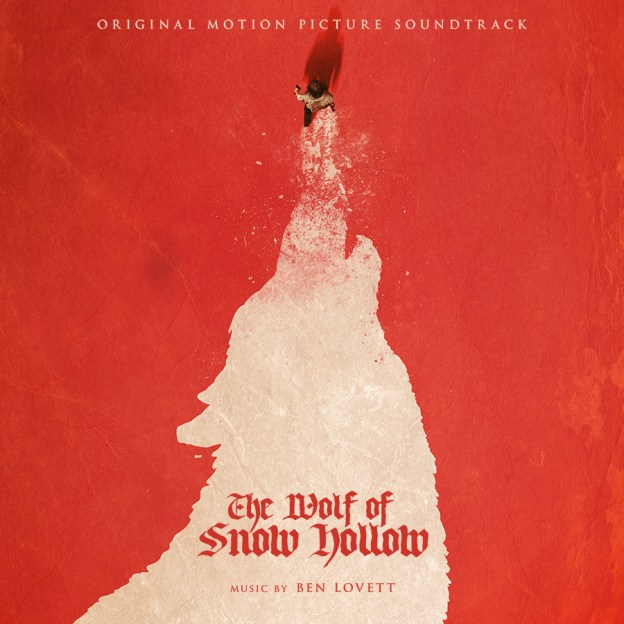
Soundtrack Review: The Wolf of Snow Hollow (2020)

So just the other day I shared the news that the original soundtrack for The Wolf of Snow Hollow (by Ben Lovett) is now available. Today, I actually got the chance to sit down and listen to that soundtrack and present my thoughts on it below.

My god…..this soundtrack is beautiful. Even in this severely truncated year of films, I’ve been able to listen to my fair share of soundtracks this year, and I can sincerely say that The Wolf of Snow Hollow is one of the best, if not THE best soundtrack I’ve heard in 2020. The music was composed by Ben Lovett, who has also scored the likes of Synchronicity (2015), The Ritual (2017), and The Night House (2020), just to name a few examples.

From beginning to end, this soundtrack is amazing. It feels very much like a throwback to the kind of soundtrack you’d hear during the Golden Age of Cinema (approximately 1933-1960, the exact years vary depending on who you ask). And this is a very good thing! Film scores like this are filled with rich musical layers, the strings in particular range from menacing to thoughtful (but still full of tension). I also like how Lovett doesn’t give too much away with the music. Some scores, this year’s The Invisible Man comes to mind, openly project where and when certain moments (like jump scares) happen. The Wolf of Snow Hollow doesn’t do that. You feel a certain rise and fall fo tension to be sure, but if any one specific moment happens, the music doesn’t give it away.

And that music….Lovett openly admits that he wanted the music of The Wolf of Snow Hollow to be referential and is it ever! The influence of Bernard Herrmann is all over this score, in particular I heard multiple references to his iconic score for Psycho (1960). Not, I should clarify, anything that references the iconic “shower scene” moment that the film is most famous for. Instead, I swear I heard hints of Hermmann’s score from the opening of the film, particularly in the track “Third Crime Scene.” I love that this score pays such direct homage to one of Herrmann’s best film scores, and it makes me very excited to eventually watch this film and hear the music in context with the story. If I get the chance to speak with the composer, I plan on asking about this score’s connection with Herrmann and Psycho because that is a story I need to hear.

It would be impossible to overstate how happy listening to this soundtrack made me. From the opening track, the music sucked me in, and it never lets up. This is one of the best use of strings that I’ve heard in years, I know I’ve said that before but it’s done so well I have to mention it again.

I could go on and on, but honestly it all boils down to this: you need to listen to the original soundtrack for The Wolf of Snow Hollow at your earliest opportunity. This music is so beautiful, with a great homage to Bernard Herrmann, and I think you’ll be hard pressed to find a score that surpasses this one in what little remains of 2020. Ben Lovett has knocked it out of the park with this one.

Let me know what you think about the music for The Wolf of Snow Hollow in the comments below and have a great day!

See also:

Soundtrack News: ‘The Wolf of Snow Hollow’ Soundtrack Available Now

Film Soundtracks A-W

Become a Patron of the blog at patreon.com/musicgamer460

Check out the YouTube channel (and consider hitting the subscribe button)

Don’t forget to like Film Music Central on Facebook 🙂

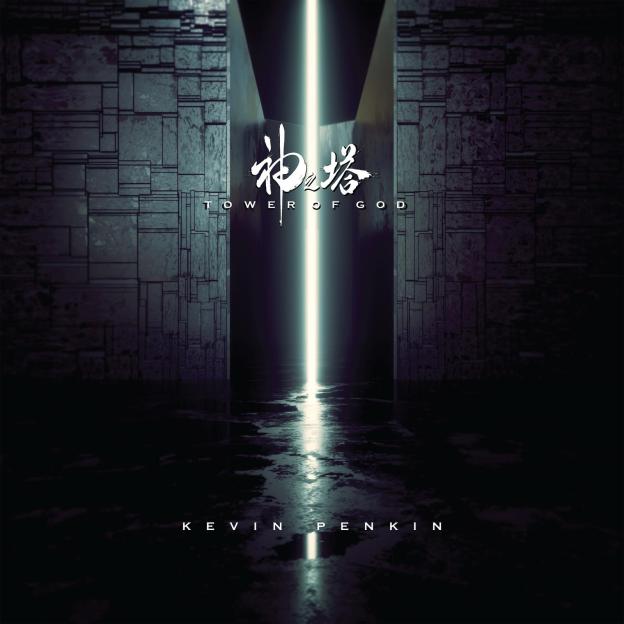
Soundtrack News: ‘Tower of God’ (Original Series Soundtrack) Available Now!

Milan Records has released the Tower of God (Original Soundtrack) with music by Kevin PenkinAvailable everywhere now, the album features music from the critically acclaimed Japanese anime series Tower of God based on the South Korean action fantasy web manhwa of the same name created by S.I.U.  The soundtrack consists of 44 original tracks by Penkin. He crafts an expansive, ethereal, and engaging sonic journey to mirror the adventures of the series protagonists Rachel and Bam. 

Kevin Penkin, based in Melbourne, is a BAFTA-nominated composer for Japanese animation and video games. He is best known for composing the award-winning score to ‘Made in Abyss’, and the music to the BAFTA award-winning game ‘Florence’. Kevin moved to London in 2013 to complete a Masters degree in Composition for Screen at the Royal College of Music. During this time, Kevin collaborated with legendary video game composer Nobuo Uematsu on a number of Japanese video game titles, which eventually led him to break into the Anime industry. After releasing his breakthrough score for Made in Abyss, Penkin continued to compose music for Japanese animation, with scores for both The Rising of the Shield Hero and Tower of God.

Of the soundtrack, composer Kevin Penkin says:

“Tower of God has been an extraordinary challenge, with an even more extraordinary reward. I’d like to thank and acknowledge the co-composers, musicians and staff—all of whom I call friends—that helped make this soundtrack what it is. This has been a once-in-a-decade project, and it’s an honor to compose for this series.”

Reach the top, and everything will be yours. At the top of the tower exists everything in this world, and all of it can be yours. You can become a god. Tower of God tells the story of the beginning and the end of Rachel, the girl who climbed the tower so she could see the stars, and Bam, the boy who needed nothing but her.

See also:

Become a Patron of the blog at patreon.com/musicgamer460

Check out the YouTube channel (and consider hitting the subscribe button)

Don’t forget to like Film Music Central on Facebook 🙂

Talking With Composer Ilan Eshkeri about Ghost of Tsushima (2020)

This past summer I had the tremendous opportunity to speak with composer Ilan Eshkeri about his score for the video game Ghost of Tsushima. Eshkeri attended Leeds University where he studied music and English literature. He also worked at this time with fellow composers Edward Shearmur and Michael Kamen. Notable film scores from his career include (but are far from limited to): Coriolanus (2011), The Young Victoria (2009), 47 Ronin (2013), and The White Crow (2018). He’s collaborated on several films with actor/director Ralph Fiennes.

How did you get started with being a composer?

Well, really I wanted to be a guitarist in a rock band. While pursuing that dream I ended up working for a composer and not long after became close to Michael Kamen. And then I got my first break writing film music. And I really enjoy having such an exciting career that developed from many different directions all at once. It takes me in all sorts of directions.

How did you get connected with Ghost of Tsushima?

Playstation actually reached out and contacted me about this game. I was initially reluctant because I don’t really like violent, action games, that’s not really my thing. I don’t have any great, moral objection to it, I just don’t know how I can connect emotionally to that. Or, as an artist what can I say about that in my music? What peaked my interest is they’d been using music from an art house film that I had done a few years ago, a Shakespeare film called Coriolanus. The score for it is, I think, very unusual, quite extreme and uncompromising. Typically my work with Ralph [Fiennes, the director] is like that. It was amazing to me that this mass entertainment AAA game and video game studio would be coming to me and referencing this extremely unusual art house music that I’d created.

Then I went to Seattle for a meeting with Playstation and they spent 45 minutes to an hour with this incredible multimedia presentation that talked me through the entire plot of the video game. By the end of that I was completely blown away and sucked into it. It wasn’t what I thought. This is a game about a young man who is in a state of emotional conflict because he has been brought up and trained in a certain moral code. However, in order to save his home and the people he loves he has to go against all of that. This was, therefore, a rich place to write emotional and powerful music.

Was it different, working on the score for a video game as opposed to film or television?

No, I don’t think so, because to me it’s all storytelling. It’s the oldest of human art forms. If we look back at the history of humanity, the earliest form of art we have is cave painting. What were they doing in a cave painting? They were telling a story. We moved from cave paintings to songs, the Iliad, the Odyssey, to theater. That developed into dance and acting with operas and plays; you have all these different forms of storytelling and in the last hundred years we’ve had cinema and that came from the invention of new technologies. Since then, the next step in my eyes is video games. A new technology was invented and humans decided to tell their stories through that medium. And the story of Ghost is about the new ways versus the old ways. So really, Ghost is telling a very old story but through a new medium. To answer your question, my job is exactly the same. I tell the emotional narrative of the story through the creation of music. Whether that be theater or ballet or video games, whatever the medium, eventually I’m doing the same thing.

How did you approach scoring Ghost of Tsushima? Was there a lot of research involved in the type of music and sounds that would be appropriate for such a locale and era?

Yes, absolutely. This was inspired by Sucker Punch, they wanted to bring a sense of authenticity to the game, to the extent that they got reeds from the island of Tsushima in order to make it look more naturalistic. I was inspired by this search for authenticity and I wanted to apply the same thing to the music. I found a professor of Japanese music, Professor David Hughes, who is fortunately one of the leading experts here in London and he was very kind to talk to me and explain things and tell me where to look. I was learning about Japanese scales and harmony and how the instruments worked. Then I worked with a lot of amazing musicians and they inspired me a lot. These musicians were very patient and taught me how to write naturalistic music for the instruments.

So I used a lot of instruments that we know here in the West, like the koto and shakuhachi. But my explorations also took me to another instrument called the biwa. In fact it’s called the Satsuma biwa, there being several types of biwas, but the Satsuma biwa was the instrument that the samurai learned to play. And I’d never heard of it before. What happened is that towards the middle of the last century, the art of playing the biwa had been virtually lost. As I understand it there was one master of this instrument left and had taught a handful of people. One of those is a very inspiring lady called Junko Ueda. And she, fortunately for me, lived in Spain so it was easy to get her to come to London. She spent a lot of time explaining about the instrument, she played a lot and you can really hear about the instrument solos in the opening of the piece on the album. She’s a special performer and I was really lucky to be able to include her on the soundtrack.

When was it decided to blend the sounds of traditional Japanese music with a full orchestra?

That was always the plan. The thing was, how do we keep the focus on the traditional Japanese instruments, how do we highlight them? And for me, how do I use the orchestra within that language? All of the music in the orchestra, all the melodies and scales are all based on Japanese scales and I used two of those. And any Japanese instrument could play virtually any orchestral part. I also built my own system of chords using the notes from the pentatonic (five tone) scale. Everything in the orchestra is based on a foundation of Japanese tonality. Where I needed to, for effect, I broke the rules absolutely, but not often. That was the plan behind the orchestra.

How much time did you have to score Ghost of Tsushima? Did you have any game footage to work off of? Or was it more like storyboards?

There was a mixture, because I came on in 2018. When I started working on it there were storyboards, bits of footage. There was some crude gameplay where I got a feel for the character. It was a lot of different things, many bits of inspirational material. I worked on the game on and off for about a year and a half.

I’d like to give a big thank you to Ilan Eshkeri for taking the time to speak with me about his work on the music for Ghost of Tsushima.

Let me know what you think about Ghost of Tsushima’s music (and the game itself) in the comments below and have a great day!

See also:

Soundtrack Review: Ghost of Tsushima (2020)

Composer Interviews

Become a Patron of the blog at patreon.com/musicgamer460

Check out the YouTube channel (and consider hitting the subscribe button)

Don’t forget to like Film Music Central on Facebook 🙂
Soundtrack Review: Enola Holmes (2020)

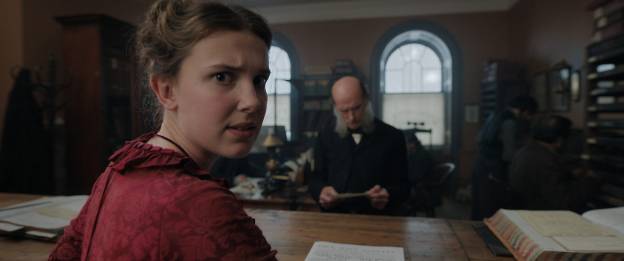
Milan Records today releases ENOLA HOLMES (MUSIC FROM THE NETFLIX FILM) with music by award-winning composer Daniel Pemberton (Birds of PreySpider-Man: Into the SpiderVerse).  Available everywhere now, the album features music from Netflix’s newest mystery film starring Millie Bobby Brown, Sam Claflin, Fiona Shaw and Louis Partridge with Henry Cavill and Helena Bonham Carter.   Based on the series of young adult novels written by Nancy Springer, Enola Holmes will premiere on Netflix Wednesday, September 23

Daniel Pemberton is a multi-Golden Globe, Emmy and BAFTA Award-nominated composer who has been regularly cited as one of the most exciting and original new voices working in modern film scoring today. Constantly working with some of the most renowned names in the industry Pemberton has already scored projects for the likes of Danny Boyle (Steve Jobs, Yesterday), Ridley Scott (All The Money In The World, The Counsellor), Aaron Sorkin (Molly’s Game, The Trial Of The Chicago 7), Darren Aronofsky (One Strange Rock), Edward Norton (Motherless Brooklyn) and Guy Ritchie (The Man From UNCLE, King Arthur: Legend Of The Sword).

Of the soundtrack, composer Daniel Pemberton has this to say:

“It’s been a real joy to write music for Enola Holmes and to go back to writing some unashamedly melodic and emotional orchestral music – coupled with a nice level of messy quirky oddness thrown in as well. From my first meeting with Harry Bradbeer the director, we talked about trying to create a score full of themes, mystery and surprise that both encapsulated her character but also took you on her journey. I hope this soundtrack allows anyone listening to it to re-live the first amazing adventures of one Enola Holmes…”

This soundtrack is, without a doubt, an incredible adventure to listen to, hardly surprising given that Daniel Pemberton is one of my favorite film composers. A lot of the music is bright and bouncy, and I’m fairly certain I’ve identified Enola’s specific theme within the score. It recurs frequently throughout, which is why I’m so certain it belongs to Enola. Also, it’s a short motif that skips and jumps around, much like the titular character who is free spirited and doesn’t act in a traditional “ladylike” manner.

I was actually surprised to hear how dark the soundtrack gets in places, there are a few places (I won’t name any track titles because I don’t want to accidentally spoil anything) where the music gets quite ominous. Though in hindsight, maybe I shouldn’t be that surprised, this IS the younger sister of Sherlock Holmes after all, no doubt trouble finds Enola all the time.

And, true to form with Daniel Pemberton’s work, I’m delighted to report that the soundtrack for Enola Holmes is filled with all kinds of non-traditional sounds. My personal favorite has to be “Tick Tock”, so named because the music is framed around, that’s right, the ticking of clocks. I like the entire soundtrack, but this piece immediately stuck in my mind the moment it began, and I love how the composer is interweaving the tick-tock of a clock and the “clip-clop” of shoes walking across a floor with more traditional instruments (the most hair-raising strings I’ve heard in months) to create something so mind-bending I’m dying to know its full context in the film. I should note, you can hear unusual sounds in other portions of the soundtrack, but “Tick Tock” really does stick out from the rest.

I sadly won’t be able to watch Enola Holmes until this weekend, but listening to this soundtrack has me more than excited to check the movie out on Netflix.

When Enola Holmes—Sherlock’s teen sister—discovers her mother missing, she sets off to find her, becoming a super-sleuth in her own right as she outwits her famous brother and unravels a dangerous conspiracy around a mysterious young Lord.

The soundtrack for Enola Holmes is available now, and you can also (as of today) check the film itself out on Netflix.

Let me know what you think about the soundtrack for Enola Holmes in the comments below and have a great day!

See also:

Become a Patron of the blog at patreon.com/musicgamer460

Check out the YouTube channel (and consider hitting the subscribe button)

Don’t forget to like Film Music Central on Facebook 🙂

Soundtrack News: Soundtrack Album for Netflix Original Series ‘Away’ Available Now

Back Lot Music has digitally released an album from the Netflix Original Series Away (produced by Universal Television) by composer Will Bates (I OriginsAnother Earth). The sci-fi drama’s score is full of electronic atmospheric soundscapes with an intense emotional undercurrent. Bates takes listeners on a beautifully diverse sonic journey with this 22-track album.

Will Bates has scored a number of television series: Golden Globe & Emmy-nominated Netflix series Unbelievable, SyFy’s hit The Magicians, Hulu’s The PathChance and The Looming Tower, the Hilary Swank-led drama Away for Netflix, as well as NBC’s Rise. Other projects include Sweetbitter on Starz, the George R.R. Martin series Nightflyers on Netflix, and the Hulu biographical documentary Hillary. Will’s recent features include Michael Tyburski’s The Sound of Silence, the HBO documentary The Inventor: Out for Blood in Silicon Valley, and the horror-thriller Depraved. Upcoming features include Michael Haussman’s Rajah set in 19th century Borneo, Mike Cahill’s Bliss and Alex Gibney’s Crazy, Not Insane.

Regarding the music for Away, Will Bates had the following to say:

“I had an amazing experience scoring Away. Having worked with the showrunners on several projects together before, including The Path and Rise, there was already a shared language and a real mutual sense of trust…Sharing that explorer’s sense of wonder and aspiration, space itself can be something of an exciting blank canvas for a composer. And the showrunners were always keen to try something a little different. I found myself experimenting with all sorts of unusual instrumentation; from dulcimers, prepared pianos and dusty old parlor organs to modular synths, timpani and manipulated live strings. Identifying the human themes whilst capturing the vast distances of space. And of course, having one of the lead actor’s play pieces I’d written for him was thrilling in its own right,”

TRACKLISTING
01 Lunar Base Alpha
02 The Atlas Crew
03 I Love You Shithead
04 Launch
05 Making My Way Back To You
06 Reaching For Mars
07 How’s The View?
08 Calligraphy
09 Cracking Up
10 Spacewalk
11 Open The Hatch
12 I Just Need My Wife
13 Going Home
14 Anything Is Possible
15 I Need You To Go
16 Etude De Main Droit
17 Ice Harvest
18 Last Words
19 Forgetting
20 Descent
21 Anyone Wanna Go Again?
22 Atlas

You can enjoy the soundtrack album for Netflix’s Away now 🙂

See also:

Become a Patron of the blog at patreon.com/musicgamer460

Check out the YouTube channel (and consider hitting the subscribe button)

Don’t forget to like Film Music Central on Facebook 🙂
Soundtrack News: ‘The Nest’ Original Soundtrack Available September 18th

Milan Records has announced that the original motion picture soundtrack for The Nest (composed by Richard Reed Parry) will be released on September 18th, 2020. Available for preorder now, the album features music written by Parry for the thriller and marks Parry’s debut feature film score as solo composer.

Of the soundtrack for The Nest, composer RICHARD REED PARRY has this to say:

“When I watched the very first rough cut of The Nest without any music, I could feel right away what I wanted the score to be: Music that sounded like it was written and played somewhere within the massive old manor house that so much of the film centers around… I am very grateful to my fantastic musical collaborators, and for Sean Durkin’s trust in my own intuitive musical process and the artistic space and freedom he gave me to explore the musical landscape of his film.”

“Long before Richard was the composer for the film I was listening to his Music for Heart and Breath album while writing the script, so for him to come on to the project was very exciting for me,” adds The Nest director SEAN DURKIN. “It’s been an incredible collaboration working with him. He’s created a stunning score that captures the atmosphere and emotion I wanted the film to encompass.”

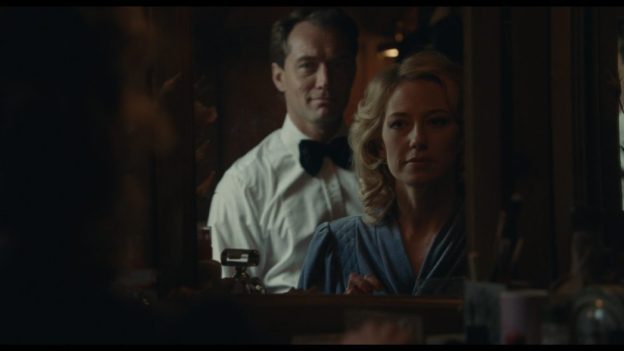
In The Nest, Rory (Jude Law), an ambitious entrepreneur and former commodities broker, persuades his American wife, Allison (Carrie Coon), and their children to leave the comforts of suburban America and return to his native England during the 1980s. Sensing opportunity, Rory rejoins his former firm and leases a centuries-old country manor, with grounds for Allison’s horses and plans to build a stable. Soon the promise of a lucrative new beginning starts to unravel, the couple have to face the unwelcome truths lying beneath the surface of their marriage.

THE NEST (ORIGINAL MOTION PICTURE SOUNDTRACK)

TRACKLISTING – 

1. Drone Beast
2. Symphony Brew
3. Base Motives 
4. Murky Half
5. What We’ve Always Wanted
6. Base Motives II
7. New Descent
8. The House
9. Dark Tumbling
10. Drone Beast: UK
11. Symphony Brew Redux
12. Slow Descent
13. Drone Beast: In the Air


See also:

Become a Patron of the blog at patreon.com/musicgamer460

Check out the YouTube channel (and consider hitting the subscribe button)

Don’t forget to like Film Music Central on Facebook

Soundtrack Review: Transformers: War for Cybertron: Siege (2020)

Hasbro has digitally released Transformers: War for Cybertron – Siege Original Anime Series Soundtrack by Alexander Bornstein. The soundtrack features 17 electro-charged tracks from the hit Netflix Original Series, in partnership with Rooster Teeth. I had the opportunity to interview Alexander Bornstein about his work on this series earlier this summer and I’m thrilled that everyone will have the chance to listen to this great soundtrack apart from the series.

Bornstein had this to say about the incredible task of creating new music for the beloved franchise:

“Being brought on to compose an entirely new musical world for the ‘Transformers: War for Cybertron Trilogy’ on Netflix has been both a dream job and huge creative responsibility. The world of the Autobots and Decepticons has been part of my pop culture psyche for a long time, going all the way back to watching G1 reruns on the Sci-Fi Channel in the early 90s.  I’m very excited fans will now have a chance to delve deeper into the music of the trilogy’s first chapter ‘Siege’, and hear the show’s themes for characters like Elita-1, extensive use of analog synthesizers, and amazing solo players.”

If you haven’t gotten the chance to experience Transformers: War for Cybertron: Siege, check out the synopsis below to get an idea of what the story is about:

TRANSFORMERS: WAR FOR CYBERTRON TRILOGY – SIEGE begins in the final hours of the devastating civil war between the Autobots and Decepticons. The war that has torn apart their home planet of Cybertron is at a tipping point. Two leaders, Optimus Prime and Megatron, both want to save their world and unify their people, but only on their own terms. In an attempt to end the conflict, Megatron is forced to consider using the Allspark, the source of all life and power on Cybertron, to “reformat” the Autobots, thus “unifying” Cybertron. Outnumbered, outgunned, and under SIEGE, the battle-weary Autobots orchestrate a desperate series of counterstrikes on a mission that, if everything somehow goes right, will end with an unthinkable choice: kill their planet in order to save it.

Getting to hear the soundtrack by itself was an absolute delight. The tracks I was most interested in hearing were the first three on the list: “Autobots”, “Decepticons”, and “Cybertron.” I remembered from my conversation with Alexander Bornstein that these tracks were the starting point of the score and I was very curious to see how they played out and related to each other. Sure enough, there is a definite relation between “Autobots” and “Decepticons.” Even though they’re themes for opposite sides of the conflict, you can definitely tell they’re two halves of the same coin, which is a brilliant decision since it recasts the conflict on Cybertron in an entirely new light.

The other theme I was particularly interested in listening to was “Elita’s Theme,” since the composer related to me that it was one he really liked it. It is, indeed, a beautiful theme to listen to, and not surprisingly there’s a strong connection to the “Autobots” theme. It’s always interesting to hear how themes are connected to one another, using the same melodies but twisting them slightly to fit different characters. These similarities actually expand into most of the soundtrack, since, as the composer explained, the first three themes on the list serve as the base for pretty much every other melody in the soundtrack. It’s one thing to hear about this but it’s another to see it in action without the rest of the TV episode to distract me.

TRACK LISTING

  1. “Autobots” (3:22)
  2. “Decepticons” (3:34)
  3. “Cybertron” (2:04)
  4. “Optimus Steps In” (4:21)
  5. “The Ark” (3:15)
  6. “Optimus And Elita-1 (Elita’s Theme)” (2:14)
  7. “We Are Not Decepticons” (2:09)
  8. “Traitor” (2:37)
  9. “Metal Vortex” (2:45)
  10. “Megatron’s Speech” (3:44)
  11. “Alpha Trion Protocols” (4:11)
  12. “Sea Of Rust/Virus Attack” (4:13)
  13. “The Ark Takes Flight” (4:04)
  14. “Battle Of The Space Bridge” (3:08)
  15. “For Cybertron” (4:00)
  16. “A New Leader” (1:24)
  17. “Siege End (Autobots Theme Reprise)” (1:20)

In a year that’s been turned upside down, the soundtrack for Transformers: War for Cybertron: Siege has been a sorely needed bright spot. Fans of Transformers both old and new will love this music. I can’t reiterate enough how happy I am that the soundtrack is now available, since now everyone can take the time to listen to some gorgeous music.

Let me know what you think about the music for Transformers: War for Cybertron: Siege in the comments below and have a great day!

See also:

My Thoughts on: Transformers: War for Cybertron: Siege (2020)

For Cybertron! Talking with Alexander Bornstein about ‘Transformers: War for Cybertron: Siege’

TV Soundtracks

Become a Patron of the blog at patreon.com/musicgamer460

Check out the YouTube channel (and consider hitting the subscribe button)

Don’t forget to like Film Music Central on Facebook