Monthly Archives: April 2021

Heartfelt Music for a Heartfelt Story: Talking with Composer Peter Baert About ‘The Water Man’ (2021)

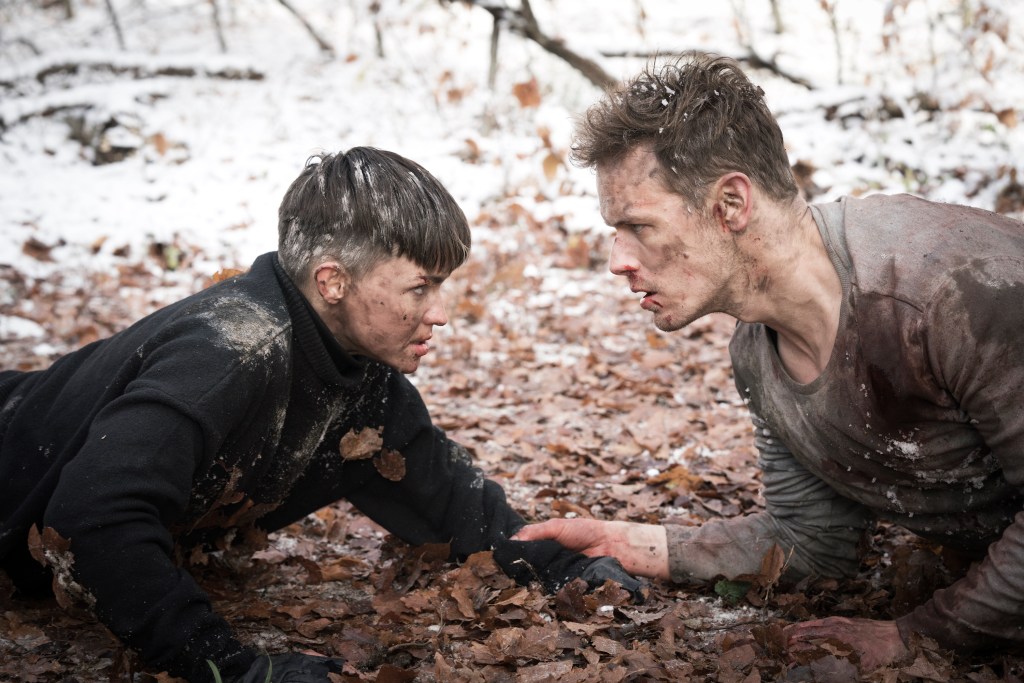
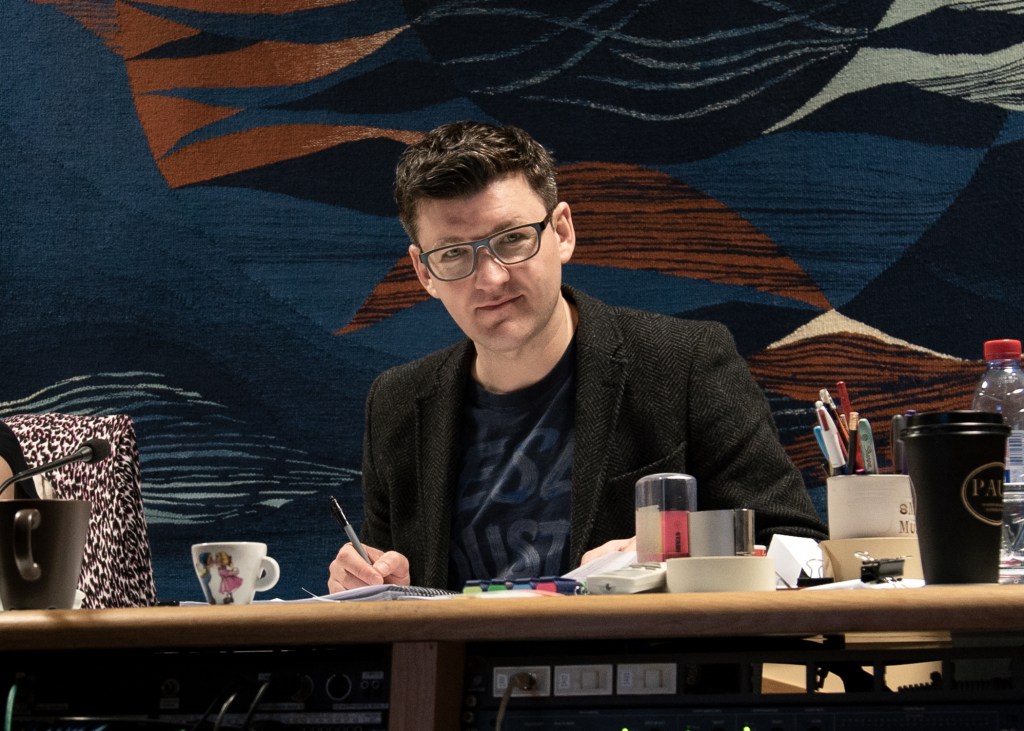
Just recently I had the opportunity to talk with composer Peter Baert about his work on the upcoming film The Water Man, which is directed by David Oyelowo. In the film, a young boy named Gunner (Lonnie Chavis) sets out on a quest to save his ill mother (Rosario Dawson) by searching for a mythic figure who possesses the secret to immortality, the Water Man. This score marks Peter Baert’s major Hollywood feature debut and will release in theaters on May 7, 2021.

I hope you enjoy my conversation with Peter Baert about The Water Man.

How did you get started as a film composer?
I grew up in a musical family , a kind of Belgian sea-side Von Trapp setting. My Dad was a principal at a music school, and also an organist. He definitely nudged us towards classical music careers. However, I diverted slightly from that path and went into sound design and avant-garde electronic music. When my mother died of pancreatic cancer I reconnected with my classical upbringing and started to study classical music and film scoring. That was in 2008.


How did you get involved with The Water Man?
My wife and I own and run a commercial sound studio together in Brussels. One day we were booked for a Penguin audiobooks recording with David Oyelowo. That day, one of our engineers called in sick so I had to jump in to engineer. During the breaks, David and I talked about his work, and about my ambition to compose film music. We stayed in touch afterwards and at some point I asked him if I could pitch on this project that he was producing. He sent me the script and I made 8 cues based on a number of scenes.Long afterwards, David called me to say that they kept coming back to my demo, so I flew out to LA to sit with David and editor Blu Murray in the edit room and eventually I got hired.


Where did you start with putting the score together?
This heartfelt story of The Water Man took me back to two periods in my life. The first reminded me of being in my early teens, always playing in the neighborhood with my friends and going on adventures in a nearby forest. The second transported me back to a day in 2008 when my mom and I found out the diagnosis of her pancreatic cancer. She would be gone in 6 months. At some moment during the composing process the music found me and it glued to the screen. So, it started there, with that feeling and with the script that I’d received to base my demo on. The themes that I wrote for the demo pretty much evolved into the final score.

How much collaboration was there, if any, with director David Oyelowo?
I have a feeling that David kindly guided me through this process. He is an amazing man, very kind and generous. He even invited me into his home when I first came to LA. The Brussels – LA time difference worked well for us, I miss waking up with David’s notes on a cue. Later, when he was shooting in London for the Netflix film The Midnight Sky, he sent me notes from his trailer on set.


What type of music would you classify this score as? Is it adventure film music, YA drama music, or (and I ask this after watching the trailer) a bit of horror music? Or a combination of all of the above?

It’s a bit all of the above, without being a multi-headed animal. I consciously worked with a definite set of sounds throughout the movie. That’s why I used a lot of wooden percussion, some African Marimba in addition to a Concert Marimba, prepared piano..There is an emotional part of the score that blends well with the more adventurous parts.


Are there musical themes for specific characters? I have to imagine there’s some kind of motif for The Water Man himself.

When I read the Water Man Rhyme in the script, I instantly wrote a melody fitting the lines. I recorded that in my demo and later, in the movie that piece was interpreted by Amiah Miller who plays Jo. That rhyme became the Water Man theme and is used throughout the film in different forms.When Gunner is in a happy place we’ll hear Gunner’s Theme, a simple piano melody line based on a simple scale. There is a theme for Mary, that I blended with Gunner’s theme in the final score cue “Prayer.” The relationship between Gunner and Jo has a more playful theme. Amos, the father in the movie played by David, has a more texture approach, like Col Legno cello and electric distorted cello lines.

Were there any types of specific instruments that you focused on in the overall mix? Or specific instruments/sounds for specific characters or ideas?
One of the first things I did when I first saw the film, was ask the assistant editor Kevin Murray for all the non-dialogue takes of the actor who played the Water Man. So, back in Belgium, we’ve manipulated all these cries, and whispers, sighs,… through tape delays, modular synths and so on, to create a Water Man Synth. Later on in the proces, when David proposed to have some Motherly presence in the Forest scene, we also created a Mother Synth.I recorded long notes, and a number of little vocalizations with vocalist Judith Okon… and processed this as well.So in the film I could always use either some Water Man energy or Mother energy.


How much time did you have to score the film?
About 4 months. David called me near the end of October 2019 and we were planning to record in Budapest in March of 2020. However the global pandemic complicated everything and we ended up recording at Galaxy Studios in Belgium in a Covid safe setup with 9 players around mid May 2020. Cues got revised until the very end, as the edit was adapted during lockdown.


Are there any musical details you hope stand out to the audience?
There’s a Swirly Tube somewhere in the score and I played the recorder in the more funny parts between Jo and Gunner. ;-)I hope people will enjoy my style, which is a unique blend of classical and electronics.


Do you have a favorite part of the score?
I like the opening cue “Gunner’s Theme” because it has been with me since the demo. My daughters aged 5 & 7 sang it at home while I was working on it. And when Gunner finds the Water Man’s Hut and draws his Samurai sword, that’s also one of my favourite cues.

I’d like to say thank you to Peter Baert for taking the time to speak with me about his work on The Water Man.

See also:

Composer Interviews

Become a Patron of the blog at patreon.com/musicgamer460

Check out the YouTube channel (and consider hitting the subscribe button)

Don’t forget to like Film Music Central on Facebook 🙂

Writing Music for Planet Earth: Talking with Composer Ilan Eshkeri About ‘A Perfect Planet’ (2021)

Earlier this year I had the opportunity to speak with composer Ilan Eshkeri about his work on the documentary series A Perfect Planet. This is my second interview with this composer, as we’d previously talked about his work on the hit video game Ghost of Tsushima. Eshkeri attended Leeds University, where he studied music and English literature. During this time he also worked with fellow film composers Edward Shearmur, Michael Kamen and music producer Steve McLaughlin. His extensive catalogue of film and TV scores include Still Alice, Stardust, The Young Victoria, Doctor Thorne, Shaun The Sheep and David Attenborough’s Natural History Museum Alive.

I hope you enjoy my conversation with Ilan Eshkeri about the music of this spectacular documentary.

Have you worked on documentaries like ‘A Perfect Planet’ before now?
Yes, this is my fourth collaboration with David Attenborough. What made me to work with him again was the focus of this series on climate which is an issue that is also close to my heart. Silverback, the production team making the programme were also very supportive of my creative approach so the which made the project creatively very satisfying as well as feeling like I was getting an important message out to the world. 

Is scoring a documentary like this very different from working on a film? Or is it mostly the same?
It’s quite different because you are writing 40 short films. You have a sequence about ants that’s a heist or a sequence about whales that’s a love story or a sequence about monkeys that’s about guarding territory and protecting family and so you have to think of each story on its own terms, they have their own completely new themes and instrumentation/sound-world, so it is much more work than writing a film score where you would have a handful of themes or motifs that you re-use. 


Where did you start with the scoring process for ‘A Perfect Planet’? I hear what sounds like a recurrent theme that reappears from time to time, but I wasn’t sure if it was a central or main theme or something else.
My writing process was varied because there were so many stories, I decided to take a hit and run approach… look at a scene and pick up a guitar and put an idea down and immediately move on to another scene pick up another instrument and so on… if I couldn’t come up with an idea immediately I’d leave it out, then I would go back around the whole episode again. 
You are right that there is a recurring theme. I’ve noticed that these kinds of shows tend to go from one piece of music to another without a musical anchor and I wanted to keep taking the audience back to a theme that represented the planet / Mother Nature. The theme comes at the beginning the end and in-between all the set animal sequences. Typically it has voices and piano, voices because it’s connected to nature and humanity and piano because it’s an instrument of the home and I wanted to reinforce the idea of the whole of our planet being collectively our home. 


So, this may be the same question over again but, how did the overall process for scoring this work? Were you given any guidelines for what each segment should sound like or was it pretty much a free rein? 
The film and TV making process always and has always used guide music, it helps the director producer and editor work out what kind of music they need, which can often inform how they’re going to cut the scene. For composers the guide music can be helpful too, music is very hard to describe in words so examples are useful. For a perfect planet I had a very set approach on how I wanted to approach the music and so after th first watch though I worked without reference to the guide in the first instance, and then there were a couple of times where we needed to refer back but not often. I am grateful to the team for supporting my process and believing in it. 


Did you have footage of the animals to watch while you worked or was it described in storyboards? 
I was brought on at an early stage before there was much to see so I could think about it early on but I did a lot of my recording to early clips so this way the music and the editing could evolve together 


How did you decide on which instruments to use for the different animals featured in ‘A Perfect Planet’?
We all have a sense of what is appropriate, there is an unspoken semiotic language that both film makers and audience are aware of, for example, a harp might seem an inappropriate choice for an elephant and a trombone might jar for a butterfly.  As a film maker and a composer you need to take these things into consideration, but rules are there to be broken!


How long did you have to work on the music? Was the process impacted by the pandemic at all?
I recorded the first 2 episodes before the pandemic but recording became very difficult. Orchestras couldn’t come together obviously, especially not wind and brass because of all the blowing. This meant that the post production process had to expand. I was able to put a small amount of strings together in Iceland and then brass and woodwinds individually in the player’s living rooms. It was extremely time consuming to prep, but fortunately the technology exists where we can place those recordings inside of digital acoustic spaces which meant we could make the recording sound very real. I also had to take these limitations into consideration in the writing. It was fortunate that I had taken a more contemporary approach, not straight symphonic, and I like to think that that creativity comes out of limitations, so I enjoyed the challenge. In the end my producer / engineer Steve McLaughlin made it all sound incredible and I think anyone would be hard pushed to tell the difference, It was just incredibly labour intensive.


Was it hard to write for any particular animal?
Yes, one scene in particular at the end of the sunlight episode where there was a huge feeding frenzy in the Ocean with birds, whales and fish, the music I had written was good but something about it was not quite right and the day before recording the director and I decided that to do something completely new it was incredibly difficult to write a 7 minute sequence to end an episode. It is such a short time whilst also prepping for the recording but somehow I managed to make it happen. 

I want to say thank you to Ilan Eshkeri for taking the time to speak with me about his work on A Perfect Planet.

I hope you enjoyed reading this interview and have a great day!

See also:

Composer Interviews

Become a Patron of the blog at patreon.com/musicgamer460

Check out the YouTube channel (and consider hitting the subscribe button)

Don’t forget to like Film Music Central on Facebook 🙂

Soundtrack Review: Stowaway (2021)

With Netflix recently releasing the soundtrack for their new film Stowaway, I had the opportunity to sit down and listen to the film’s official soundtrack. The music was composed by Volker Bertelmann (The Old Guard, Lion) and recently made available digitally.

The film’s synopsis is as follows:

In Stowaway, on a mission headed to Mars, an unintended stowaway accidentally causes severe damage to the spaceship’s life support systems. Facing dwindling resources and a potentially fatal outcome, the crew is forced to make an impossible decision.

Says Bertelmann of the Stowaway soundtrack:

“Working on Stowaway and collaborating with director Joe Penna was a special experience in many respects: Joe, who is a musician himself, gave me a lot of freedom to explore different sounds and we had a joint understanding of the purposes the music should serve. This facilitated the compositional process, which was extremely helpful given the considerable amount of music the film needed. The music for Stowaway is one of my favorite scores so far.”

Given what’s at stake in Stowaway, I was surprised at how low-key and passive a lot of the music is. There’s an underlying sense of tension of course, most notably in ‘How Much Oxygen’ but for the most part Bertelmann’s soundtrack is almost perfectly serene. The biggest exception to this comes in ‘Solar Flare’ which covers what is undoubtedly one of the climax points of the film. But even then, there’s still a polished smoothness lingering in the music that takes some of the edge off what might otherwise be a raw piece of action music.

All of this smoothness and serenity in the music confused me until I considered where the film is set. Stowaway is set entirely in space, aboard a ship bound for Mars, and it could be that Bertelmann had it in his mind to back up the interstellar background of the film with music that fit the location. After all, there’s something about space that can generate a lot of musical grace and beauty, and this film is surely no exception. It could also be that the composer wanted to remind viewers that in the grand scheme of things this conflict is barely a blip in the cosmos (or I could be overthinking it entirely). Most likely of all the options is the possibility that Bertelmann wanted the score to backup the story, but not overwhelm it with sheer depth of volume, as some film scores have been known to do.

I really enjoyed listening to the soundtrack for Stowaway. It really subverted my expectations for what I thought this movie would sound like but in the end it was really enjoyable. In some places it actually reminded me a little bit of 2001: A Space Odyssey with some of the more quiet tracks. If you get the chance to listen to the Stowaway soundtrack separate from the movie, I highly recommend doing so.

Track List

  1. Earth Rise
  2. Regaining Consciousness
  3. Favorite Spot on the Ship
  4. How Much Oxygen
  5. Setting Up the Algae
  6. It’s Literally My Job
  7. Can I Take His Place?
  8. I Was in the Fire
  9. Can You Talk?
  10. What Did You Do?
  11. The Algae Are Dead
  12. Climbing the Tethers
  13. On the Kingfisher
  14. More Than Enough Oxygen
  15. Solar Flare
  16. I Will Go
  17. Climbing the Tethers Alone
  18. Into the Solar Storm

Let me know what you think of Stowaway’s soundtrack (and the film) in the comments below and have a great day!

See also:

Film Soundtracks A-W

Become a Patron of the blog at patreon.com/musicgamer460

Check out the YouTube channel (and consider hitting the subscribe button)

Don’t forget to like Film Music Central on Facebook 

Soundtrack News: ‘Puella Magi Madoka Magica’ Soundtrack Albums Available Now

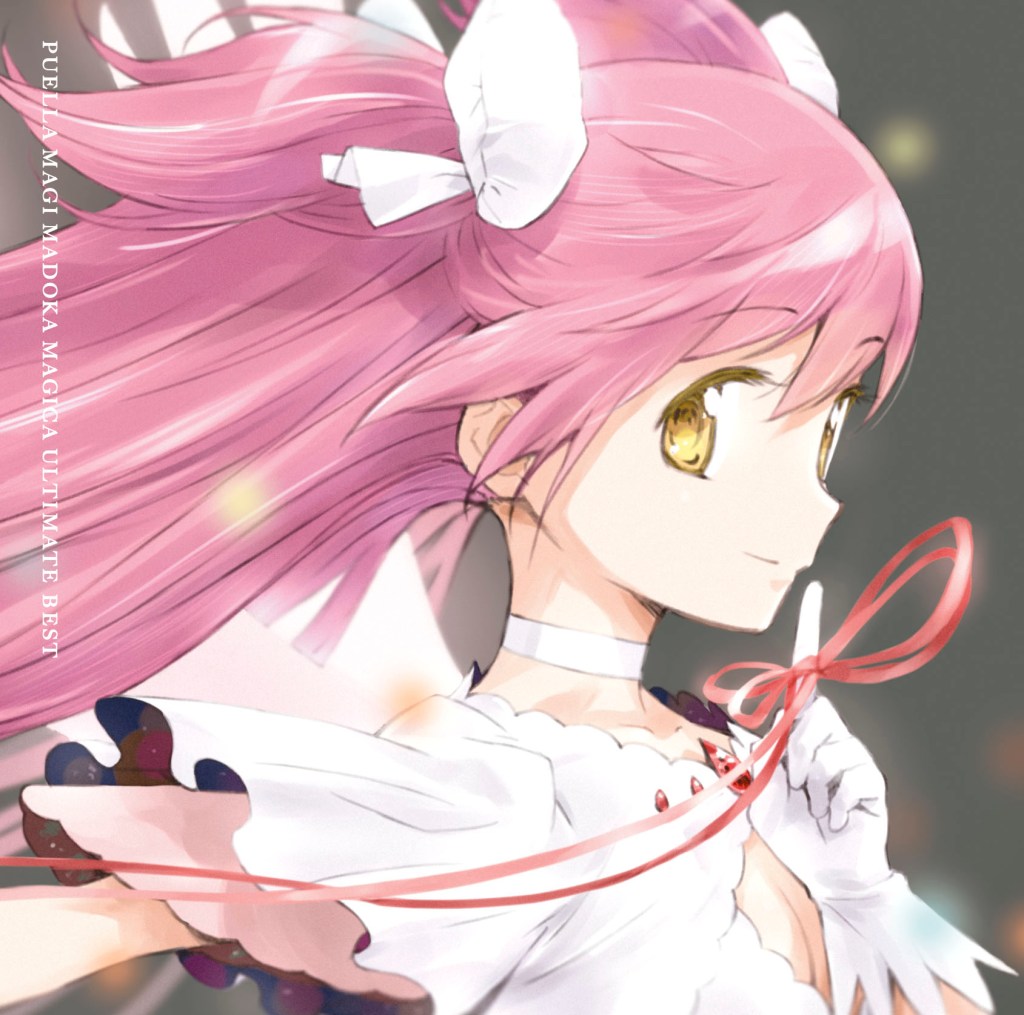
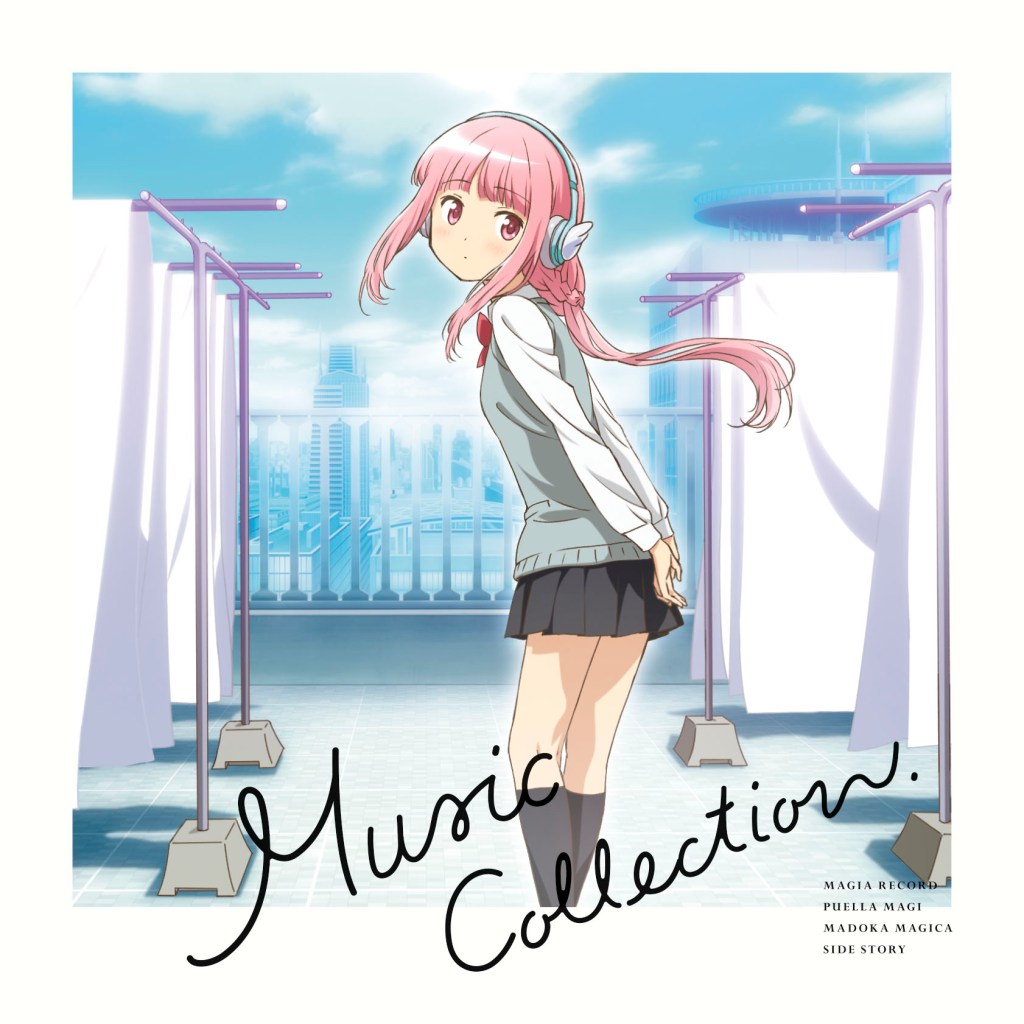
Milan Records celebrates the tenth anniversary of the critically-acclaimed anime franchise Puella Magi Madoka Magica with the first-ever digital release of music featured in the series, movie and the mobile game “Magia Record.” Included within the release are three albums of music from the Aniplex title, including two albums featuring music from the series and movie as well as one album from Magia Record: Puella Magi Madoka Magica Side Story, a mobile game based on the anime with its own original storyline. The release arrives as part of title’s 10th anniversary project, celebrating the original 2011 airdate of the fan-favorite show.

Puella Magi Madoka Magica Ultimate Best and Puella Magi Madoka Magica Music Collection include a mix of score music composed by Yuki Kajiura, original vocal tracks sung by the series cast as well as additional tracks by J-pop artists ClariS and Kalafina. Meanwhile the Magia Record: Puella Magi Madoka Magica Side Story Music Collection includes score music written for the mobile game side story by various artists as well as a vocal track by J-pop artist TrySail.

ABOUT PUELLA MAGI MADOKA MAGICA

She has a loving family and best friends, laughs and cries from time to time… Madoka Kaname, an eighth grader of Mitakihara Middle School, is one of those living such a life. One day, she had a very magical encounter. She doesn’t know if it happened by chance or by fate yet. This is a fateful encounter that can change her destiny – this is a beginning of the new story of the magical witch girls.

PUELLA MAGI MADOKA MAGICA ULTIMATE BEST TRACKLISTING –

1.Connect –ClariS

2.Mata Ashita –Madoka Kaname*

3.Credens Justitiam –Yuki Kajiura

4.Sis Puella Magica! –Yuki Kajiura

5.And I’m Home (Original Master Version) –Sayaka Miki** & Kyoko Sakura***

6.Magia –Kalafina

7.Luminous–ClariS

8.She is a Witch–Yuki Kajiura

9.Hikarifuru–Kalafina

10.Naturally–Madoka Kaname* & Sayaka Miki**

11.Akogaresaita–Madoka Kaname*

12.Mebius Ash–Homura Akemi****

13.Yumeoto –Madoka Kaname* & Homura Akemi****

14.Stairs–Mami Tomoe***** &Kyoko Sakura***

15.mada dameyo–Yuki Kajiura

16.Noi!–Yuki Kajiura

17.Colorful–ClariS

18.Kimino Ginno Niwa–Kalafina

PUELLA MAGI MADOKA MAGICA MUSIC COLLECTION TRACKLISTING –

1.Prelude to Act 1–Yuki Kajiura

2.Scaena Felix–Yuki Kajiura

3.Postmeridie–Yuki Kajiura

4.Conturbatio–Yuki Kajiura

5.Puella In Somnio–Yuki Kajiura

6.Salve, Terrae Magicae–Yuki Kajiura

7.Desiderium–Yuki Kajiura

8.Gradus Prohibitus–Yuki Kajiura

9.Credens Justitiam–Yuki Kajiura

10.Sis Puella Magica!–Yuki Kajiura

11.Inevitabilis–Yuki Kajiura

12.Pugna Cum Maga–Yuki Kajiura

13.Vocalise Op. 34 No. 14–Yuki Kajiura

14.Umbra Nigra–Yuki Kajiura

15.Venari Strigas–Yuki Kajiura

16.Agmen Clientum–Yuki Kajiura

17.Signum Malum–Yuki Kajiura

18.Serena Ira–Yuki Kajiura

19.Incertus–Yuki Kajiura

20.Ave Maria–Yuki Kajiura

21.Decretum–Yuki Kajiura

22.Anima Mala–Yuki Kajiura

23.Mata Ashita–Madoka Kaname*

24.And I’m Home (Original Master Version)–Sayaka Miki** & Kyoko Sakura***

25.Connect (Game Instrumental Version)–ClariS

26.Prelude to Act 2–Yuki Kajiura

27.Amicae Carae Meae–Yuki Kajiura

28.Clementia–Yuki Kajiura

29.La Fille Aux Cheveux De Lin–Yuki Kajiura

30.Pugna Infinita–Yuki Kajiura

31.Confessio–Yuki Kajiura

32.Cor Destructum–Yuki Kajiura

33.Terror Adhaerens–Yuki Kajiura

34.Symposium Magarum–Yuki Kajiura

35.Numquam Vincar–Yuki Kajiura

36.Quamobrem?–Yuki Kajiura

37.Surgam Identidem–Yuki Kajiura

38.Nux Walpurgis–Yuki Kajiura

39.Sagitta Luminis–Yuki Kajiura

40.Cubilulum Album–Yuki Kajiura

41.Taenia Memoriae–Yuki Kajiura

42.Pergo Pugnare–Yuki Kajiura

43.Connect–ClariS

44.Magia–Kalafina

45.Numquam Vincar (Live Version)–Yuki Kajiura

MAGIA RECORD: PUELLA MAGI MADOKA MAGICA SIDE STORY MUSIC COLLECTION TRACKLISTING –

1.Inception –Ryo Furukawa

2.Infinite Battle –Ryo Furukawa

3.First Contact –Yasuhisa Inoue

4.Awaken –Kyohei Ozawa

5.Place to Hunt –Yasuhisa Inoue

6.Intermediate–Naoki “naotyu-” Chiba

7.Welcome to Mirrors–Naoki “naotyu-” Chiba

8.Repeat Days –Yasuhisa Inoue

9.Memories –Yasuhisa Inoue

10.Twilight –Yasuhisa Inoue

11.To Remember –Kyohei Ozawa

12.Remain –Kyohei Ozawa

13.Coordinator –Yasuhisa Inoue

14.Lost Tension –Kyohei Ozawa

15.Anxiety –Yasuhisa Inoue

16.Touch One’s Heart –Kyohei Ozawa

17.Be Terrified –Ryo Furukawa

18.Creation –Yasuhisa Inoue

19.Wings of Magius –Yasuhisa Inoue

20.Full Moon –Yasuhisa Inoue

21.The Imaginator –Yasuhisa Inoue

22.Uwasa-san –Yasuhisa Inoue

23.The Lecture –Yasuhisa Inoue

24.Into the Territory –Kyohei Ozawa

25.Hotel Fenthope –Kyohei Ozawa

26.Thought of You –Kyohei Ozawa

27.Battle Fields –Ryo Furukawa

28.Initiation Battle –Yasuhisa Inoue

29.The Crow –Tatsuhiko Saiki

30.Magical Artist –Kyohei Ozawa

31.Calculated Future –Yasuhisa Inoue

32.Last Dungeon –Ryo Furukawa

33.Reunion –Ryo Furukawa

34.The Other Side –Yasuhisa Inoue

35.Battle Bell–Naoki “naotyu-” Chiba

36.Depth in the Mirror–Naoki “naotyu-” Chiba

37.One Day She Meets–Naoki “naotyu-” Chiba

38.Sunshine of the Mind –Kyohei Ozawa

39.Day of Rest –Yasuhisa Inoue

40.Plot –Ryo Furukawa

41.Farewell –Tatsuhiko Saiki

42.Complex Home –Kyohei Ozawa

43.Painful Memories–Naoki “naotyu-” Chiba

44.Inerasable –Kyohei Ozawa

45.This Morning –Tatsuhiko Saiki

46.There is –Kyohei Ozawa

47.Little Trick –Kyohei Ozawa

48.Hot Summer Day –Kyohei Ozawa

49.Kakawari –TrySail

See also:

Become a Patron of the blog at patreon.com/musicgamer460

Check out the YouTube channel (and consider hitting the subscribe button)

Don’t forget to like Film Music Central on Facebook 

Soundtrack News: Netflix’s ‘Stowaway’ OST Available Now!

On April 23, Lakeshore Records released the soundtrack for Netflix’s sci-fi thriller Stowaway by Academy Award-nominated composer Volker Bertelmann (The Old Guard, Lion, Your Honor). The acclaimed pianist, composer, and experimental musician utilizes piano, strings and orchestra to explore a wide range of sounds that provide a rich backdrop to the mission to Mars thriller. Volker Bertelmann is an internationally acclaimed pianist, composer and experimental musician. His score for Garth Davis’s Oscar-nominated film Lion, composed in collaboration with Dustin O’Halloran, was awarded an Australian AACTA Award and received nominations for multiple awards, among others for an Academy Award, Golden Globe, BAFTA, and Critics’ Choice Award.

The music of Stowaway has a lot of gravity, dark tension, and elevating moments, which Bertlemann created by utlizing earthy synthesizers, a prepared Steinway piano (with only one string tuned), and elements of sound design.

Says Bertelmann of the Stowaway soundtrack:

“Working on Stowaway and collaborating with director Joe Penna was a special experience in many respects: Joe, who is a musician himself, gave me a lot of freedom to explore different sounds and we had a joint understanding of the purposes the music should serve. This facilitated the compositional process, which was extremely helpful given the considerable amount of music the film needed. The music for Stowaway is one of my favorite scores so far.”

Track List

  1. Earth Rise
  2. Regaining Consciousness
  3. Favorite Spot on the Ship
  4. How Much Oxygen
  5. Setting Up the Algae
  6. It’s Literally My Job
  7. Can I Take His Place?
  8. I Was in the Fire
  9. Can You Talk?
  10. What Did You Do?
  11. The Algae Are Dead
  12. Climbing the Tethers
  13. On the Kingfisher
  14. More Than Enough Oxygen
  15. Solar Flare
  16. I Will Go
  17. Climbing the Tethers Alone
  18. Into the Solar Storm

You can purchase the Stowaway soundtrack here and it is available now!

See also:

Become a Patron of the blog at patreon.com/musicgamer460

Check out the YouTube channel (and consider hitting the subscribe button)

Don’t forget to like Film Music Central on Facebook 

Soundtrack News: ‘Shadow and Bone’ Netflix Original Series Soundtrack Available Now

Netflix has released the Original Series Soundtrack for Shadow and Bone—based on Leigh Bardugo’s worldwide bestselling Grishaverse novels. The mystical and epic original score comes from composer Joseph Trapanese (Tron: LegacyThe Greatest Showman), who took great influence from fairytales, Russian stories, magic, and fantasy. The soundtrack is available digitally todayApril 23, alongside the highly anticipated series launch on Netflix. Joseph Trapanese is best known for his sleek score work for blockbuster films like Tron: Legacy, Straight Outta Compton, The Greatest Showman, Oblivion and the Raid series. As a composer, arranger, and producer for movie, television, theater, and video game music, he has collaborated with a number of mainstream musical acts. His first major break came in 2010 when he worked with Daft Punk on the sweeping digital soundtrack to Disney’s Tron reboot/sequel.

Based on Leigh Bardugo’s worldwide bestselling Grishaverse novels, Shadow and Bone finds us in a war-torn world where lowly soldier and orphan Alina Starkov has just unleashed an extraordinary power that could be the key to setting her country free. With the monstrous threat of the Shadow Fold looming, Alina is torn from everything she knows to train as part of an elite army of magical soldiers known as Grisha. But as she struggles to hone her power, she finds that allies and enemies can be one and the same and that nothing in this lavish world is what it seems. There are dangerous forces at play, including a crew of charismatic criminals, and it will take more than magic to survive.

Joseph was brought onto the project early on by Eric Heisserer (Showrunner, Executive Producer, Writer), Shawn Levy (Executive Producer), and Leigh Bardugo (Author, Executive Producer). He read the novels and scripts for inspiration and by the time the series entered post-production, he had written 40-50 minutes of music to contribute to the score. Joseph developed distinct themes for each character, giving each one their own sonic world in the valiant mystery tale of Shadow and Bone

“Joseph had a monumental challenge ahead of him when he joined the team,” says Eric Heisserer. “Not only did he need to create a thematic space for each of our six lead characters in this debut season, but he also had to build a different musical language for the major regions of this invented world, most notably the kingdom of Ravka, loosely drawn from 1800s Czarist Russia. And what the rest of us soon learned was: Joseph could build all of that and more. The flourishes and flavors he gave to each piece linger with you long after the episode leaves the screen, and while he’s embraced all that inspired the settings of the show, everything feels bespoke. I cannot separate the show from his score, and I’m in awe of him for it,” concludes Heisser.

Leigh Bardugo adds, “Joseph and I met up for coffee early on, and I knew pretty quickly that we were on the same page. We played Prokofiev favorites for each other and I inflicted some very pitchy renditions of old folk songs on him. I knew his work and how deftly he could transport a listener to a new world, but I had no idea what it would be like to hear him work his magic on Ravka and the Grishaverse. There’s certain music that sparks imagination. Joseph’s extraordinary work on Shadow and Bone not only helped to bring this world fully alive, but also changed the way I experience my characters’ stories. I can’t wait for audiences to share in that experience.”

Regarding the soundtrack for Shadow and Bone, Joseph Trapanese had the following to say:

 “Nothing is more thrilling as a composer than to build a musical world to compliment an extraordinary and grand adventure like Shadow and Bone. Eric Heisserer, Shawn Levy, and Leigh Bardugo were incredibly generous with their time and guidance, inviting me to be a part of the series as soon as possible, so I could really get to know these characters and their stories as I wrote their themes. As the team was finishing on set, I was putting the final touches on extended suites and ideas for each character. It was incredibly rewarding to explore and expand these themes throughout the season, and I hope we get to continue exploring each corner of this world for many more episodes. I couldn’t be more excited or proud to share this score with you, and I’m grateful to the entire team at 21 Laps and Netflix for supporting our work through all the challenges of this past year.”

TRACK LIST

  1. Ravka
  2. Ask the Saints
  3. Court Demonstration
  4. True North
  5. Royal Archives Heist
  6. Face the Truth
  7. Erase the Past
  8. Memories
  9. Hope for the Future
  10. Her Name is Alina Starkov
  11. Heretic
  12. Just Ask
  13. Shipwrecked
  14. A Message
  15. Helpful Goat
  16. Fight for the Light
  17. Five Markers
  18. Strike Now
  19. Follow

You can purchase the soundtrack to Shadow and Bone digitally now and also check out the series on Netflix!

See also:

Become a Patron of the blog at patreon.com/musicgamer460

Check out the YouTube channel (and consider hitting the subscribe button)

Don’t forget to like Film Music Central on Facebook 

My Thoughts on: Mortal Kombat (2021)

This time last year I never would’ve dreamed that I’d be so excited to sit down and watch a movie based on the Mortal Kombat video games. But these are strange times we live in and as it turns out Mortal Kombat was quite an enjoyable experience.

As the name implies, Mortal Kombat is based on the iconic video game series of the same name and sees Earthrealm under threat from Outworld. After losing 9 Mortal Kombat tournaments, if Earthrealm loses once more, they’ll belong to Outworld forever. Quite the high stakes wouldn’t you say? While the film does try to explain the ramifications of everything, I couldn’t help wondering more than once if my understanding of the movie would have been greatly enhanced if I’d played more of the games (my exposure is currently limited to Mortal Kombat X).

That’s not to say that you can’t follow the movie if you haven’t played the games at all. The film does a pretty good job in explaining who is who and why they’re important. It’s just that some of the bigger aspects could have used a bit more exposition, like why Outworld wants to rule Earthrealm so badly. Or why, and this was my biggest issue with the film, a certain character is able to engage Sub-Zero in the fight that dominates the trailers promoting the movie. Don’t get me wrong, that fight (you all know the one I’m talking about) is beautifully shot and is a lot of fun to watch, but I legitimately do not understand how it was able to happen. There’s the loosest explanation given, but it wasn’t quite enough to satisfy me. Sometimes it’s best to include that extra five minutes of exposition, even if it does risk slowing the plot down a little, and part of me wishes Mortal Kombat had done that.

Aside from those issues, Mortal Kombat really is a lot of fun to watch. My favorite part has to be the sequence that emulates the video game (you can’t miss it), right down to the different combat arenas and fatality sequences. While it is a little cheesy how they would duplicate the game’s performance (one character even proclaims “Flawless Victory”), you can tell it’s all done in good fun. I mean, if you’re going to adapt a video game to film, an homage like this is probably the best way to go. A word of warning though about those fatalities: they really are as gory as you’ve been led to believe. So if that bothers you….you’ve been warned.

Of all the characters in the film, my two favorites are definitely Lewis Tan as Cole Young and Jessica McNamee as Sonya Blade (with an honorable mention to Joe Taslim as Sub-Zero). Watching these two get thrown into the world of Mortal Kombat was a lot of fun, and I feel like Tan perfectly played Cole Young as someone who is initially disbelieving but quick to buy in once he realizes his family is at risk. Part of me was disappointed the film didn’t include Kitana (my favorite Mortal Kombat character) but there IS an Easter Egg reference to her if you look closely. I also have to briefly mention Taslim’s performance as Sub-Zero which is one of the best in the film. The only real complaint I have is that I feel like we don’t know enough about him, his motivations and why he is what he is.

The music, which I’ve already reviewed, is just as amazing with the film as it is without it. I stand by my previous thought that in terms of music, the Mortal Kombat soundtrack is one of the best that’s come out this year. Especially during the fights in the latter half of the film, the music sucks you into the drama and adds that extra layer of detail that makes the film fun to watch.

One last note: the film ends with a blatant tease for a sequel and despite the many flaws I would be more than happy to see a sequel happen. There’s so much more they could do with the Mortal Kombat story and I’d like to see the filmmakers given an opportunity to keep the story going. This has the potential to be a really fun popcorn film franchise, so I’ll be waiting eagerly to see if a sequel gets greenlit.

While deeply flawed with some aspects of its storytelling, Mortal Kombat is a really enjoyable experience that does its best to faithfully bring the story of Mortal Kombat to the big screen. There are more than enough Easter Eggs and references to satisfy any fans of the video games and the teased sequel left me begging for more. My final verdict: Go see Mortal Kombat, it’s worth it.

Let me know what you think about Mortal Kombat in the comments below and have a great day!

See also:

Soundtrack Review: Mortal Kombat (2021)

Film Reviews

Become a Patron of the blog at patreon.com/musicgamer460

Check out the YouTube channel (and consider hitting the subscribe button)

Don’t forget to like Film Music Central on Facebook 

Soundtrack Review: The Vigil (2021)

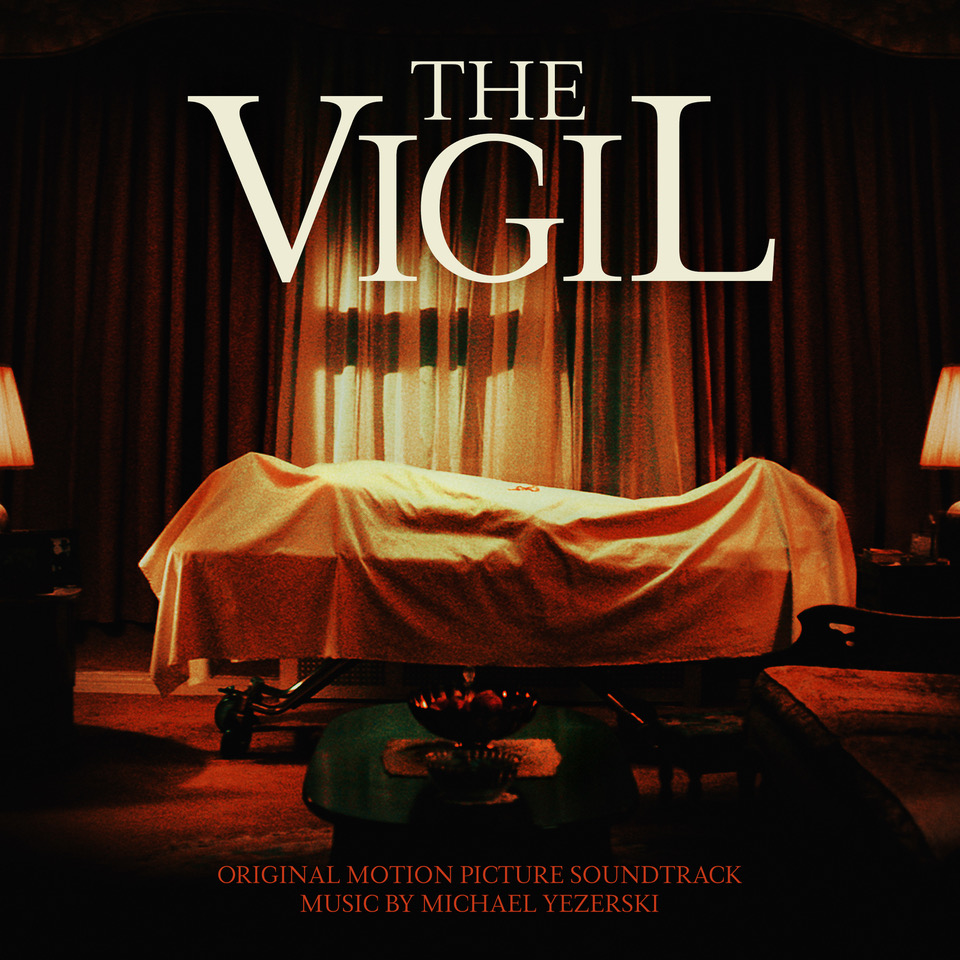
Back in February of 2021, Lakeshore Records digitally released The Vigil Original Motion Picture Soundtrack – with music by Michael Yezerski (The Tax Collector, Blindspotting). Earlier career highlights for Michael Yezerski include HBO’s Only the Dead See the End of War, his first feature film The Black Balloon (winner of 8 AFI/AACTA Awards including Best Picture), PJ Hogan’s Mental, Wolf Creek Series 2, Catching Milat, Peter Allen, the Academy Award winning animated short, The Lost Thing and his collaboration with the Australian Chamber Orchestra, The Red Tree.

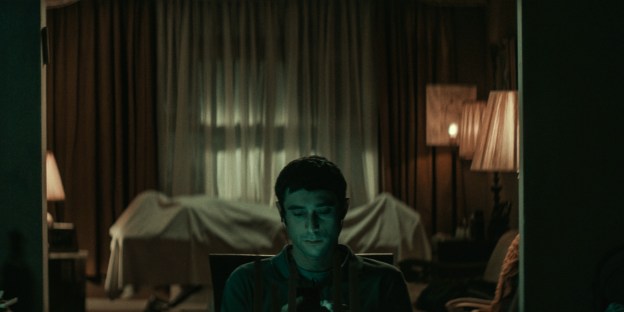
Steeped in ancient Jewish lore and demonology, The Vigil is a supernatural horror film set over the course of a single evening in Brooklyn’s Hasidic Borough Park neighborhood. Low on funds and having recently left his insular religious community, Yakov reluctantly accepts an offer from his former rabbi and confidante to take on the responsibility of an overnight “shomer,” fulfilling the Jewish practice of watching over the body of a deceased community member. Shortly after arriving at the recently departed’s dilapidated house to sit the vigil, Yakov begins to realize that something is very, very wrong.

Speaking about the philosophy behind the score, Yezerski said:

“As [director] Keith Thomas and I discussed, music is memory. We associate music with the best and the worst times in our lives. For The Vigil we needed to create a score that explored the malevolence of memory (both personal and cultural).” Yezerski went on further to note, “We needed massive textures that could read as both beautiful and brutal. The music attacks but also meditates on long and difficult lives. After all, what is the greater horror at play here – the supernatural or our lived reality?”

Going in, I thought I knew how The Vigil would sound, but to my surprise I was quite wrong. It’s true that like many horror film scores I’ve listened to in recent years, there’s an ongoing feeling of malevolence that pervades the entire score. But it’s how this feeling is delivered that sets The Vigil apart in my mind from recent scores in similar genres.

For example, the score’s use of the human voice (especially chanting) really emphasizes to me the story’s religious background (as it is based in Jewish folklore). That’s not something you hear in a lot of horror film scores so already the story is set apart in my mind. I also really like it because it evokes the feeling that you are around something ancient, as chanting is one of the earliest song forms in existence.

I also really like how the composer creates aural “textures” that literally make your skin crawl when you listen to them. “Lair” is an excellent example of that technique, but it really pervades most of the score if I’m honest. This is fitting as horror films, to the best of my understanding, are designed to make the viewer uncomfortable. It’s only natural that this should extend to the film’s score as well.

One final note, I also like how the music for The Vigil is full of various creaks and groans created by the instruments. It creates a similar sense of age that the chanting does, but it also gives you a sense that you’re in a space that is falling apart or in disrepair (as I understand it the film is set in a dilapidated house). This is most definitely a unique score, one that’s small but contains some powerful musical thoughts. This is yet another example of why you should never dismiss a soundtrack out of hand because it belongs to a horror film.

The Vigil Soundtrack Track List

  1. Tefillin (4:23)
  2. The Ghost, Pt. 1 (1:58)
  3. The Ghost, Pt. 2 (2:52)
  4. Past (3:15)
  5. Lair (4:25)
  6. Broken by Memories (5:08)
  7. Video Games (4:12)
  8. Behind You (3:32)
  9. Face to Face (4:12)
  10. Begin the Vigil (3:31)
  11. Ner (3:41)
  12. Echo (4:26)
  13. Sunlight (2:24)

Let me know what you think of The Vigil and its soundtrack in the comments below and have a great day!

See also:

Film Soundtracks A-W

Become a Patron of the blog at patreon.com/musicgamer460

Check out the YouTube channel (and consider hitting the subscribe button)

Don’t forget to like Film Music Central on Facebook 

The Music of Psychopathy: Talking with Composer Benji Merrison About ‘SAS: Red Notice’ (2021)

Earlier this month I had the opportunity to speak with film composer Benji Merrison about his work on the film SAS: Red Notice. The film is based on Andy McNab’s novel of the same name and follows a Special Forces operator who comes face-to-face with an army of mercenaries who are intending to blow up the Channel Tunnel.

Benji Merrison is an award-winning composer who went on to obtain a BA (Hons) in Music and an MSc in Music Technology from York University. He also studied Jazz Piano with Howard Riley at Goldsmiths University. His selected credits include SAS: Red Notice, BBC Green Planet, General Magic, Dynasties 2, and Victoria.

I hope you enjoy our conversation about SAS: Red Notice.

How did you get started as a film composer?

Thank you for having me along Becky.

As a child, I grew up with a lot of music around. My Dad had a great vinyl collection and played folk guitar a lot. My mum played piano and so there was an upright in the house. I started getting really into the piano when I was probably five or six. I got a bit obsessed just trying things out to see what sounded good. I spent ages just working out little tunes and things, and then took piano lessons with a local teacher. When I was about eight I got hold of a Roland Juno 6, which blew my mind – I couldn’t believe all the sounds it could make and used to make up imaginary stories in my head as I cluelessly messed around with the knobs and sliders. Funny now, looking back, as it is such a simple synth. I still have it.

Fast forward a few years, and I went on to study classical music, and then a Master’s degree in Music Technology. After working for a few years in motion graphics & audiovisual arts, I started suggesting to clients that I could do the music as well as the motion graphics. So, I started out with small jobs really, which got bigger and bigger over the years.

It’s been a wild ride so far, a very organic process. To be honest, at the start I didn’t even know you could get paid to be a composer, I just muscled to the industry because I thought ‘I can do that, let’s see what happens.’

How did you get brought in to work on SAS: Red Notice?

SAS: Red Notice has been a wonderful project to be a part of, and landing the job was quite a chance thing really. I met the music supervisor at an event in LA and we got chatting about the project and the fact they needed a British composer. Of course, I put on my most over-the-top British accent at this point!
She put me in touch with the producer, Laurence Malkin. Larry rang me up and said, ‘can you be in Amsterdam tomorrow for a screening?’ Slightly flustered, the ‘yes man’ in me kicked in and I was indeed there the next day (this was pre-Covid of course). I think my enthusiasm must have impressed him because after some composition tests to picture, I got the job!

Where did you start with putting the themes together? How did you decide what this film should sound like?


I’m quite an improvisatory composer, so I often approach themes and writing in general by simply jamming and seeing what feels right.
At the start of the scoring process, I had a couple of these improv style sessions with Larry Malkin (producer) and Peter Clarke (music editor). I had a cool Cubase template prepared with loads of interesting instruments all stacked in a session, so I could go from an intimate piano sound to a full orchestra with mad synths and pulses mixed in. I had programmed some midi controllers to do all sorts of things to each instrument, including pitch bending the different layers (some going up, some going down in pitch).
In one of these sessions, we were trying to work out what kind of themes would work for the lead character Tom Buckingham, and also what musical device we could use to represent the unfolding of his psychopathic nature.
I started off jamming a simple ‘English Country Garden’ style riff, whatever fell under my fingers easily, which became the ‘Tom Buckingham’ theme. I then gradually wigged out more and more with the midi controllers until this massive, intense, swarming orchestral sound hammered out!
Larry and Pete were like ‘What was that?!! That sounds like psychopathy right there!’ This developed into cues such as ‘Emergency Response,’ ‘Two Psychopaths,’ and the end of ‘Finding the Player.’ As a matter of fact, quite a bit of the score came from this one improvisation. I find that funny and inspiring.

Did you create themes for specific characters?


Yes, for some. In particular, there are very clear themes, as mentioned for Tom Buckingham and also for The Black Swans. There are also other thematic elements such as the ‘Church of Psycopathy’ theme we first hear in the scenes in reel one with Will Lewis.
However, it was very clear from the beginning that these themes should gradually subvert, morph and degrade over the course of the movie. It seemed like the most ideal way to represent psychopathy. In addition, I took ideas of those themes, and, for example, shortened them into an ostinato figure, or played them in retrograde or inverted, that kind of thing.
Deconstruction was a big part of the process. This happened both on a thematic level, but also on a sonic and instrumental level. Over the course of the movie, I would take something like a timpani or snare (which very obviously says ‘militaristic’) and I would run them through various effects chains or spectral processing, to become something very new but derived from the same source.
I like this kind of idea, but only when it means something to underline the narrative. In this case, it was a logical and proportionate approach. I also think it worked.

What is your overall process for choosing which instruments to include (or exclude) in the overall mix?

I don’t have a consistent process, it will vary for each score. I always do a lot of exploring, trying all sorts of things out to see what feels right to picture and for the character or storyline. I often like to pair one familiar or obvious piece of instrumentation with another which is more surprising or arresting.

This way the viewers feel a sense of familiarity in one sense, and another which has a degree of tension, surprise, or questioning. This can be a very useful musical device, once clearly defined. You can use the relative push and pull of this pairing to play with the viewer’s emotions, and invoke more nuanced compound emotional states.

Were there any musical ideas you tried only to find they weren’t working out?

Oh yes, many.

In fact, for me, it is a huge part of creating a successful score. I think as you gain more experience, you develop the professional maturity to ditch an idea (however good it is or however long it has taken to write) if it isn’t right for the film. I used to feel anguish at this, but now I find it quite fun to destroy a carefully crafted idea. The thing is, sometimes you learn more from the things that ‘aren’t right’ as you do from the things that ‘are right’. It all feeds into the score as part of the process.

I like to float above the feelings around the creation of music, to hear the music objectively, just as the audience will. Things are either right or not right in that sense. The only important thing is the emotional response of the audience to the film, my own feelings are irrelevant.

To aid this I don’t like to spend long in any stint working on cues, or writing themes. I’ve found over the years that the longer I spend on things, there is a point where I lose perspective and start ‘taking away.’ I like to regularly hear my work as if it wasn’t me who wrote it. That way I am more objective and logical about how others will respond to it.

How long did you have to score the film?

The scoring took place around four months over the late summer/autumn of 2019. It was a pretty intense, but hugely satisfying experience. The recording sessions took place in the Hall at AIR studios in winter 2019, just before the pandemic hit.

It’s amazing to think of the intensity of that period, especially given that the release was put back so far due to the events of 2020. I’m grateful it worked out this way, as it meant we got all the recording sessions and mix completed in time before the restrictions came in.

What was the collaboration process like? How much collaboration was there with producer and writer Laurence Malkin on the score?

There was a lot of collaboration. Larry is a very hands-on producer and likes to be involved with all aspects of the film. I really enjoyed that about the process. We got into a great pattern, where he would come over to the studio every weekend and we’d spend the whole day going through two or three reels, chatting through each shot and working out how we could impact and add value to the storyline through the score. I’d then spend the week revising things, and repeat the process. This all created a score that was very tight and precise to the picture.

Whilst that sounds like it could be a bit regimented, it was quite a liberating and structured way to approach the score, which I really enjoyed. I had plenty of time to experiment and free-flow my ideas, but I had that focus point and second opinion so that I didn’t get too bogged down with a particular idea or section.

In this sense, I’d say it was one of the most collaborative scores that I have completed to date.

Do you have a favorite track? Or any detail that you hope audiences notice?

Ha! There are quite a few actually.
A firm favourite of mine (and others who have seen the film so far) is ‘3m23 Emergency Response.’ It’s a real action romp type of cue, but also combines a perfect blend of the distorted, fragmented Tom Buckingham theme along with the ‘Psychopathic String’ signature lines. It is basically ‘orchestral heavy metal’ masquerading as a soundtrack cue, which really appeals to me!

Thank you for taking the time to speak with me about SAS: Red Notice!

Cheers Becky, thanks for having me!

I wanted to say thank you one more time to Benji Merrison for taking the time to speak with me about his work on SAS: Red Notice! I hope you all enjoyed this interview!

Have a great day!

See also:

Composer Interviews

Become a Patron of the blog at patreon.com/musicgamer460

Check out the YouTube channel (and consider hitting the subscribe button)

Don’t forget to like Film Music Central on Facebook 🙂

Soundtrack Review: Mortal Kombat (2021)

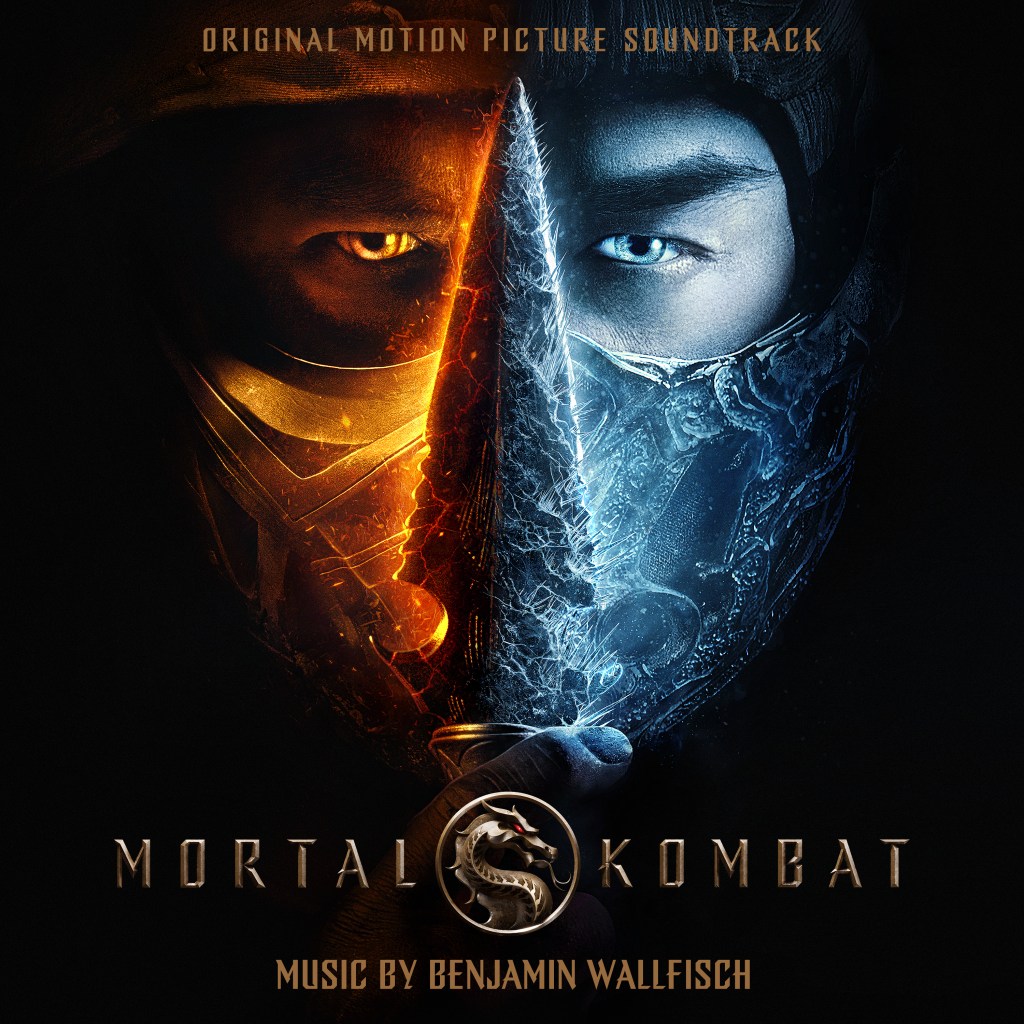
WaterTower Music has released the soundtrack to New Line Cinema’s explosive new movie Mortal Kombat, which brings to life the intense action of the blockbuster video game franchise in all its brutal glory, pitting the all-time, fan-favorite champions against one another in the ultimate, no-holds-barred, gory battle that pushes them to their very limits. The Mortal Kombat (Original Motion Picture Soundtrack) contains all new score by Golden Globe-, Emmy-, and Grammy-nominated composer Benjamin Wallfisch (IT and IT Chapter 2, Shazam, Blade Runner: 2049 [w/ Hans Zimmer]). It features 24 tracks by Wallfisch, who interpreted the film’s themes and emphasized the story’s hard-driving, visceral action through his music.

Director Simon McQuoid discussed working with Wallfisch on the score:

“Ben and I both knew that we needed to use the classic Immortals track ‘Techno Syndrome’ as source material for the entire score of Mortal Kombat. But along with that we knew that an updated elevated version of the song also needed to be created. And Ben certainly delivered! I am so excited by this new 2021 version of the track, when I first heard it, it blew my mind. Actually, Ben kind of blew my mind on a daily basis through the making of this film, so we can all thank Benjamin Wallfisch for his genius and passion in creating ‘Techno Syndrome 2021’.

Wallfisch further elaborated:

“When I was invited to come on board ‘Mortal Kombat,’ I was very aware of the responsibility that comes with scoring a franchise so deeply embedded in pop culture and with such a passionate fanbase. My first question was what can we do with ‘Techno Syndrome,’ a piece of music so much part of the DNA of the game and the original movies? What motifs could be reinvented and blown up to a full-scale symphonic sound world in the score, and might there be room for a full reinvention of the whole song as an EDM single in 2021? A huge thank you to The Immortals for giving us their blessing to reimagine their classic track in this way, as a celebration of the world of Mortal Kombat and its fans, and of the uplifting power of Electronic Dance Music, which the original did so much to light the fuse of 30 years ago.”

I have rarely experienced such a turnaround as what I’ve felt regarding Mortal Kombat. Having minimal contact with the video game series (and the one time I made an effort to play not going particularly well), I was initially on the fence and unable to emotionally invest in the idea of the film at all. But then THAT trailer came out, and I was intrigued. Then came the chance to listen to the soundtrack ahead of its release on April 23…

And I think my brain exploded.

I may have the bad habit of using superlatives too often in my reviews, but please believe me when I say Benjamin Wallfisch’s score for Mortal Kombat is one of the best I’ve ever heard. This isn’t just a soundtrack for an action film, this is an entire world realized through sound and melody and I am here for every last minute of it. During the music for the fight scenes (it’s not hard to tell which ones those are) you can feel every punch and every attack with brutal clarity. For the music alone, I am now itching to see these fight scenes in their proper context, because I need to know how this music connects to the action. And it’s such beautiful music, it has what I like to call “height” which is to say it expands and creates the illusion of space as it goes along. You can literally hear the music grow and soar in certain places, which helps to create the idea of a world existing within the music.

However as I said there’s far more to this soundtrack then just action. Wallfisch also demonstrates a keen ability to take the music in the opposite direction, to slow it down and allow the audience to take a collective breath. That’s an important thing for any film: if the soundtrack is just GO GO GO constantly, it can eventually begin to grate on the ear and become quite tiresome. But the music for Mortal Kombat isn’t like that at all (much to my surprise). There’s plenty of action to go around, but also more than enough moments of calm and relative quiet, though it is more often than not the “calm before the storm” type of quiet. There’s an impressive amount of balancing going on between the two extremes of loud and quiet, and I love it all.

Another detail I like about this soundtrack? The track list doesn’t give too much away regarding plot details. In fact, if I’m reading the track list correctly, most of these tracks appear to be themes for specific characters, which is great because I love thematic-based soundtracks (when done properly). Even so, very little is given away in terms of plot, and that’s great. I’ve seen too many soundtracks where you can suss out the plot of a film from the track list names alone, but you can’t do that here.

I could go on and on about the music for Mortal Kombat, but I’ll wrap it up by saying that listening to this soundtrack has rocketed this film to the top of my must see list for 2021 (and six months ago I couldn’t imagine saying that). If you get the chance, you need to check out this soundtrack independently of the film itself, it is that good.

TRACK LIST

  1. Techno Syndrome 2021 (Mortal Kombat)
  2. Hanzo Hasashi
  3. Lord Raiden
  4. Bi-Han
  5. Shang Tsung
  6. Cole Young
  7. Birthmark
  8. Sonya Blade
  9. Kano v Reptile
  10. Liu Kang
  11. The Great Protector
  12. Sub-Zero
  13. Kung Lao
  14. Origins
  15. Kabal
  16. Goro
  17. Arcana
  18. Jax Briggs
  19. The Void
  20. The Tournament
  21. Sub-Zero v Cole Young
  22. I Am Scorpion
  23. We Fight as One
  24. Get Over Here

Let me know what you think about Mortal Kombat (and its soundtrack) in the comments below and have a great day!

See also:

Film Soundtracks A-W

Become a Patron of the blog at patreon.com/musicgamer460

Check out the YouTube channel (and consider hitting the subscribe button)

Don’t forget to like Film Music Central on Facebook