My Thoughts on: Wrath of Man (2021)

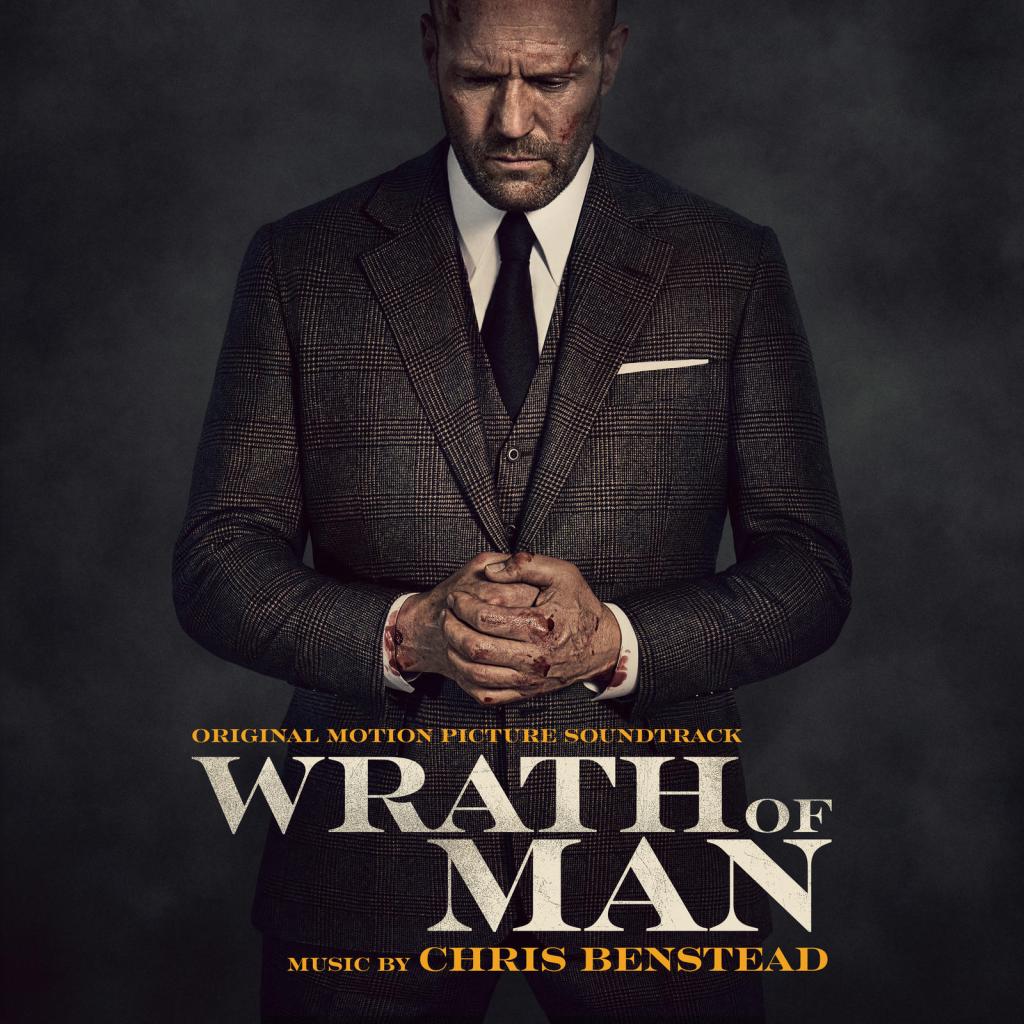
Before today, the last film I saw in theaters was Onward, all the way back in March 2020 (right before everything locked down). Fourteen LONG months later, I finally sat down in my local movie theater to watch Wrath of Man, starring Jason Statham, and I couldn’t have been happier with my choice.

Wrath of Man, directed by Guy Ritchie, is a revenge film that is admittedly a bit by rote in terms of the plot points it hits, but please don’t let that stop you from checking this film out. The story may be predictable but it is still entertaining. The film’s story follows “H” (Jason Statham), a man on a mission that unfolds a little unevenly (as the film does skip backwards and forwards in time) in the wake of a robbery gone bad. Statham is great in this film playing a man on the edge of going completely psychotic. It’s not the most action filled role he’s ever done (it’s nothing like his role in The Expendables series or his work in The Fast Saga for instance) but there’s enough to satisfy any fan of Statham’s previous work.

Rote plot aside, the part of this film I enjoyed the most (and I suspected I would) was the film’s soundtrack, which I’ve already reviewed. Composed by Chris Benstead, the music for Wrath of Man, as I’d hoped, really does reach out and grab you by the throat, forcing you to pay attention to it. I love this soundtrack even MORE now, because of how much it elevates the film. It raises the tension, it makes you feel every pulse-pounding moment, soundtracks like this are why I love talking about film music so much.

Going back to the plot, while it is very by-the-numbers, I think there is an important message in there. If you look at who the ultimate culprits are, I think Ritchie was trying, on some level, to say something about how screwed up the US is. Maybe if a certain part of society were better taken care of, this entire plot situation might have been avoided. As it is, it felt entirely too plausible given how messed up the news has been in recent months.

I also have to say I really like how the film is split up into individual acts (denoted with title cards). It helps measure the progression of the story, and I like how the title card is quoted in each section of the film. I don’t know why, but that’s a film element I’ve always liked.

Is Wrath of Man a masterpiece? Well, no, it’s too rote for that. But it is a good popcorn film and I wouldn’t say no if someone asked me to watch it again. Acting-wise, Jason Statham is the best part of this movie. Scott Eastwood is pretty good too (though I admit I didn’t work out which character he was until after the movie when I got home). Outside of that, the music is the single greatest part of this movie and I hope everyone checks out Chris Benstead’s great soundtrack.

Let me know what you think about Wrath of Man in the comments below and have a great day!

See also:

Soundtrack Review: Wrath of Man (2021)

Film Reviews

Become a Patron of the blog at patreon.com/musicgamer460

Check out the YouTube channel (and consider hitting the subscribe button)

Don’t forget to like Film Music Central on Facebook 

Soundtrack Review: Wrath of Man (2021)

Sony Music Masterworks has released the Wrath of Man (Original Motion Picture Soundtrack) by composer Chris Benstead. Available everywhere now, the album features score music written by Benstead for director Guy Ritchie’s latest action thriller starring Jason Statham. The score is the latest collaboration between Benstead and Ritchie, the duo having previously worked together on The Gentleman and Aladdin

Chris Benstead is a British film composer, arranger and Academy Award®-winning re-recording mixer. Chris received Oscar® and BAFTA awards for his work as re-recording mixer on Alfonso Cuaron’s masterpiece Gravity, starring Sandra Bullock and George Clooney. Chris’ unique skillset allowed him to mix and sculpt the music in an extremely immersive way, pushing the limits of surround sound and exploiting the new ‘Dolby Atmos’ standard.

Of the soundtrack for Wrath of Man, composer Chris Benstead had the following to say:

“The score for Wrath of Man is centered around the cold and mysterious character ‘H’. Super close-mic’d cellos and double basses were used (and abused) to created awkward and jarring stabs as well as angry and unnervingly dark textures. A stoic main ‘hook’ is constantly repeated in different guises to help amplify the sense of impending unease and, ultimately, revenge. Sometimes only percussion was needed to create the brutal and exigent action cues. It was an amazing experience to collaborate with the utterly brilliant Guy Ritchie once again.”

I’m probably guilty of saying this too often, but I really enjoyed listening to the soundtrack for Wrath of Man. This is the kind of soundtrack I live for hearing, because it’s the type of music you feel in the very depths of your soul (yes it really is that good). Benstead uses the cello and double bass in a way that is pure genius. Normally, I think of those two instruments as producing warm and gentle music. Not here, not this soundtrack. Benstead turns the cello and double bass into weapons, making sharp, jagged sounds that cut through everything else and demand your attention. This is not the type of soundtrack that just fades into the background, you’re going to notice this music.

I also absolutely love how Benstead utilizes percussion throughout the soundtrack. It sounds like gunshots in a lot of places (and I’m certain that was done on purpose) and gives the music a distinctly prickly feeling. It’s a nice contrast to the harsh sounds of the cello and double bass and serves as a reminder that this is not ‘comfortable’ music in any sense of the word. Once this music gets started, you are on edge and I love that so much about this soundtrack.

There isn’t too much more to say about this music without sounding repetitive. Chris Benstead has created a soundtrack that doesn’t pretend to be anything other than what it is: the music for (what is hopefully) a badass action film. This is one of the most purely enjoyable soundtracks I’ve heard this year so far, and I think all of you will like it.

Track List

1. Coffee Frother (3:29)
2. Wrath of Man (2:14)
3. Dangerous Job (2:17)
4. Tooling Up (3:09)
5. Bullet Taken Hostage (3:04)
6. F**king Lunatic (1:57)
7. Coroners Report (1:22)
8. China Town (0:55)
9. Dark F**king Spirit (3:58)
10. Know The Route (1:45)
11. Dougie (3:20)
12. Idolised You (3:40)
13. Built for Combat (2:03)
14. Porn Factory (3:34)
15. Precious Ornaments (3:24)
16. Staples Center (2:38)
17. Go to Work (1:44)
18. Number 1 Loses It (3:58)
19. 120 Million (2:04)
20. The Inside Man (4:42)
21. Wanna be Hero (5:36)
22. Come Out Little Piggy (4:16)
23. Bullet Executions (3:31)
24. The Victor (4:48)
25. Liver Lungs Spleen Heart (4:13)

Let me know what you think about Wrath of Man (and its soundtrack) in the comments below and have a great day!

See also:

My Thoughts on: Wrath of Man (2021)

Film Soundtracks A-W

Become a Patron of the blog at patreon.com/musicgamer460

Check out the YouTube channel (and consider hitting the subscribe button)

Don’t forget to like Film Music Central on Facebook 

Soundtrack Review: Returnal (2021)

On May 7th, Milan Records released the original soundtrack to the newest Playstation 5 game Returnal, with the music composed by Bobby Krlic. Best known for his work as the Haxan Cloak, Bobby Krlic brings his experience as an award-winning composer, producer and multi-instrumentalist to Returnal, imbuing the score with a gritty and experimental quality that matches the tone of the third-person shooter game. The album marks Krlic’s first-ever video game title as lead composer and follows his critically acclaimed, award-winning scores for director Ari Aster’s Midsommar, Hulu’s Reprisal, TNT’s Snowpiercer and The Alienist.

Bobby Krlic (aka The Haxan Cloak) is a British artist, composer and record producer based in Los Angeles. Over the past decade, he has created music under The Haxan Cloak, releasing two critically acclaimed full-length albums (The Haxan Cloak and Excavation) and touring extensively as a solo artist, building a devout fanbase. In 2015, Krlic began collaborating with fellow producer and Oscar-winning film composer Atticus Ross on soundtracks including John Hillcoat’s Triple 9 and Michael Mann’s Blackhat. Since then, Krlic has scored a number of major network television shows including TNT’s SnowpiercerThe Alienist: Angel of Darkness and Hulu’s Reprisal as well as a recent collaboration with Swans for Rockstar Games’ Red Dead Redemption 2. Notably, he wrote the much lauded original soundtrack to Ari Aster’s sophomore feature film Midsommar, for which Krlic received The Ivor Novello for Best Original Score in 2020.

In Returnal, after crash-landing on a shape-shifting alien planet, Selene must search through the barren landscape of an ancient civilization for her escape. Isolated and alone, she finds herself fighting tooth and nail for survival. Again and again, she’s defeated – forced to restart her journey every time she dies. Through relentless roguelike gameplay, you’ll discover that just as the planet changes with every cycle, so do the items at your disposal. Every loop offers new combinations, forcing you to push your boundaries and approach combat with a different strategy each time.

The music for Returnal is, well, it’s really incredible. I was immediately intrigued by the game’s “caught in a time loop” premise and wondered how the game’s music would play into that concept. As far as I can tell, the music does connect to that idea of time repeating itself over and over again, though not in the way I thought it might. Most of the tracks sound warped and distorted, there are sudden, static-like sounds that cut in and out of the music, and my favorite part? There are times when it sounds like voices are cutting in to the music, creating this muddled effect that makes it sound like you really are lost in time.

The instrumental mix is about what you’d expect for a game like Returnal, a combination of electronic instruments and synthesizers mixed in with choral voices. What really caught me by surprise though is how calm the music is for the most part. Given what I’ve heard about this game, I was expecting sci-fi music that was more action-oriented, or at least faster-paced. But it’s nothing like that, and it’s making me seriously reconsider what this game is all about. This sounds like a more cerebral game than I initially thought, and I’m very excited about that. I like games that require you to think and this music makes me think Returnal is one of those games.

If I have one complaint about the soundtrack for Returnal, it’s that it’s surprisingly short, there’s only nine tracks in total. I don’t know if that speaks to the overall length of the game, but I’ve seen some soundtrack albums that are three times as long, and it was startling to see this one be so short.

That minor issue aside, I enjoyed the soundtrack for Returnal, and I think all of you will too.

Returnal Track List

  1. The Crash
  2. The Forest
  3. Helios
  4. Citadel
  5. Murals
  6. Recessed
  7. Motionless
  8. A Mysterious Device
  9. Dream Already Seen

Let me know what you think about Returnal (and its soundtrack) in the comments below and have a great day!

See also:

Video Game Soundtracks

Become a Patron of the blog at patreon.com/musicgamer460

Check out the YouTube channel (and consider hitting the subscribe button)

Don’t forget to like Film Music Central on Facebook

Making Unique Music for Superheroes: Talking with Composer Stephanie Economou about ‘Jupiter’s Legacy’ (2021)

Just recently I had the opportunity to speak with composer Stephanie Economou about her work on the upcoming Netflix series Jupiter’s Legacy. Stephanie is the composer of the upcoming Netflix TV series Jupiter’s Legacy, based on the comic series by Mark Millar. She has written the music for the Lionsgate/Starz series Step Up: High Water, as well as the second season of Manhunt: Deadly Games. Stephanie also scored two episodes of the Disney+ documentary series Marvels 616, directed by Gillian Jacobs and Alison Brie. Most recently, she has completed the score for the Assassin’s Creed DLC “Siege of Paris.”

Originally from Long Island, New York, Stephanie received her Bachelor’s degree in Composition from the New England Conservatory of Music and Master’s in Composition for Visual Media from University of California Los Angeles.

I hope you enjoy our conversation about Jupiter’s Legacy, which premieres on Netflix on May 7, 2021.

How did you get started as a film and television composer? 

While I was studying composition at New England Conservatory, I ended up scoring a couple of short films directed by some friends I had from high school. After writing mostly concert music up until that point, it felt refreshing to be part of a creative collaboration that challenged me to explore different artistic avenues. I moved to Los Angeles after graduating and pursued my Master’s degree in Composition for Visual Media at UCLA. It was during my time as a student there that I met Harry Gregson-Williams, who subsequently hired me as his assistant. I spent six years working with Harry, composing additional music for films like “The Zookeeper’s Wife,” “The Martian,” “The Meg,” and “Mulan,” to name a few. I like to say that I “grew up” at Harry’s. I was so green when he hired me and he took me under his wing, quite immediately filling that role of the trusted mentor. I learned so many of the skills and tools I possess today from my time with him. He ignited my drive and pushed me beyond the mental boundaries I had set for myself. I think it’s so essential for anyone working in an artistic field to have that kind of guided mentorship.

How did you get involved with the Netflix adaptation of Jupiters Legacy?

I was called in for a meeting by one of the executive producers on the show, Hameed Shaukat. He had heard my music and thought my musical sensibilities might be a good fit for the narrative. They sent over a couple of scripts and a rough cut of the first episode, and after our meeting, I went home and wrote a demo suite inspired by some of the ideas we had discussed. As these things so often go, I was in that “sit and wait” period for a few months while they wrapped up filming, but I was thrilled to have gotten the call that they were ready for music and they wanted to work with me!

Were you familiar at all with the Jupiters Legacy and Jupiters Circle comics before working on this series? If not, did you check them out before working on the score?

I actually wasn’t familiar with the comics prior to starting and I didn’t check them out until the tail end of scoring the season. There was a rather big musical moment in episode seven, where I chose to compose a chorale using the main theme of the show. In an effort to make the moment feel purposeful, I dove into Mark Millar’s original comic series. After locating the scenes in the comics that matched up to the on-screen moment, I took his text as source material, translated it into Latin, and those words became the choir lyrics. It felt like a special way to have the show adaptation and the original comic series come full circle for an impactful musical moment.

How much collaboration was there with the showrunners/directors/producers of Jupiters Legacy when it came to putting the score together?

A ton! I had a somewhat rare experience on this show because by the time they brought me on board, they had really solid cuts of all eight episodes, so we were able to sit down and spot all of them before I even wrote a note of music. This ended up being a critical part of the process because it was important to our showrunner, Sang Kyu Kim, that the whole season feel less episodic and more like a long, feature film. Knowing the pace of the story and understanding the character arcs for the whole season really informed the trajectory and shape of the score. I was able to plan conceptually for certain musical moments later in the season and plant seeds along the way to prepare for those moments. For example, the idea for the choir piece in episode seven was something I had decided on creatively during the spotting session and the producers were really excited by it. Because I knew that’s where I was headed musically, I made vocals part of the tapestry of the score by recording fragments of experimental vocals with the very talented singer, Ari Mason. The vocals range stylistically from Latin chanting, to throat singing, to microtonal patterns, to interlocking rhythmic grunts. They appear rather subtly at first as we watch Sheldon (played by Josh Duhamel) experience increasingly bizarre visions and they grow more prevalent as the season unfolds. I felt by teasing these vocal fragments, it prepared the audience (however subliminally) for the moment we hear the chorale in episode seven. All along the way, the producers (Hameed Shaukat and James Middleton) and showrunner (Sang Kyu Kim) were really involved in the evolution score. They had a lot of trust in my vision for the season and even challenged me to explore the strange and unexpected. It’s incredibly rewarding to have collaborators who instill a sense of confidence in your ideas and respect your creative contribution. I feel incredibly lucky to have had that experience on this show.

Were you inspired by any other superhero film scores (DC or Marvel) when putting the music for Jupiter’s Legacy together?

Admittedly, I kind of wrote the music for “Jupiter’s Legacy” in a vacuum. I intentionally didn’t watch any superhero films/shows or listen to any superhero scores while working on this season. I solely wanted to be inspired by “Jupiter’s Legacy” and the stories its characters were telling. I strongly feel that this show puts a unique spin on the superhero narrative. At its core, it’s a family drama which explores the complexities of our relationships with our parents, children, siblings, and those closest to us. They just happen to also have superpowers! 

While I didn’t attempt to get into a “superhero” mindset per se, I did intentionally lean into the “superhero film music” trope when I sat down to write a theme for Sheldon/The Utopian (which also became the overarching show theme). I wanted his theme to be rather wide in scope, so you’ll often hear The Utopian’s theme on a solo french horn or a big brass section or a full symphonic orchestra. I deliberately crafted his theme this way because I feel that is what we typically associate with the characteristic “superhero sound.” I thought if I painted The Utopian in this stereotypical, mythic superhero light, it would help subvert expectations. While he obstinately tries to uphold the morals of the Union’s Code and maintain a commanding heroic facade, in reality, we most often see The Utopian as a broken down, shell of his former self. He struggles to keep healthy relationships with his children, his wife, his brother, and is rapidly falling out of favor with the public, whom he has fought to protect for nearly 100 years. By leaning into what the audience perceives as a cliched “superhero theme” for his heroic moments, I was able to destabilize that image in his more intimate, fragile moments by exploring that theme on synths, vocals, acoustic guitar, and piano. Being able to write a theme that could expand and contract with his story arc felt like a really important way to shape his character.

Did you create specific themes for each of the heroes?

There are so many compelling characters in this series, so it was essential for me to try and develop themes for many of them. I previously discussed Sheldon/The Utopian’s theme but many others also have musical signatures: for example, Walter has a cello theme, Fitz a clarinet theme, George a plucked dulcimer theme, and Hutch a distorted bass growl sting. Two of my very favorite characters in the series are Chloe and Raikou. They’re both outliers and rebels and I felt their themes demanded a different musical profile. Chloe has an awesome action sequence in episode three and I was really inspired by the sheer magnitude of her powers and Elena Kampouris’ portrayal of her character. I didn’t have a specific idea for what her sound world would be, but when I sat down to write the cue, this industrial rock piece came out, with blaring guitars, synthesizers, and heavy distorted percussion. It just felt like it fit her sensibilities as a rugged, and somewhat lawless character. Chloe, much like her father Sheldon, also has many moments of solitude and darkness, so that same theme heard on guitars and synths is re-interpreted on electric keys and bass to reflect the intimacy of her personal struggles. For Raikou, I was struck with a similar feeling of wanting her sound to stand apart. I called up a trumpet-player friend of mine, Jake Baldwin, and asked “Could you take the mouthpiece off of your trumpet and record some stuttered, bendy motifs?” He met that request with a resounding, “Hell yes!” and came up with some really unique signatures. I took those, heavily effected them, and that’s what became part of Raikou’s sound. 

Additionally, I wanted to compose a leitmotif that could be used cyclically as a thematic microcosm (which I dubbed “the quest germ”), to excite the audience as the pace of our adventure picked up. This motivic cell, often appearing in a five or four-note repeating sequence, becomes a ubiquitous musical signature throughout the score. While we witness firsthand the unfolding of our characters’ epic voyage in the 1930s, their journey continues to evolve in the present day, and thus our “quest germ” becomes an essential part of the DNA of the story.

One of the most unusual motifs that I wrote for the series was the sound for “The Island,” which our characters discover and explore in episodes six and seven. I wanted to give a musical profile to the Island itself to highlight its strange and otherworldly nature. The eerie, bendy signature was created using a shepherd’s horn, rather bizarre vocals (or what I like to call “mouth sounds”), and a trumpet with several of the slides removed (again, Jake Baldwin at his best)! This was often accompanied by high, fast, tapping percussion which was meant to exemplify the supernatural force of the Island mentally invading our characters and pitting them against one another.

What were your instruments of choice when scoring Jupiter’s Legacy? I read that you used a number of regional instruments? Could you tell me more about that?

Yes, there were some really fun sound worlds I was able to explore. In episode six, our characters travel to Morocco, so I utilized some regional instruments like oud, bendir, darbuka, hand cymbals, ney, zurna, fipple flute, saz, and duduk (though that’s actually Turkish/Armenian)! Even though we’re in this new physical space, our main theme is still heard on these lead instruments, so there is a sense of musical cohesion. Apart from the Moroccan instruments, the overall score is a hybrid balance of orchestral instruments and synths. There were some incredible soloists who are featured throughout the score: Ari Mason (vocals), Jon Monroe (guitar), Jake Baldwin (trumpet and brass), Ro Rowan (cello), Bryan Winslow (varied plucked instruments). There’s also some violin and viola which I recorded and of course the fantastic vocalists who made up the choir. I think the score lives in an in-between space where the electronic and acoustic elements coexist rather seamlessly, or at least that’s always the hope! 

How much time did you have to score the series? Did the pandemic affect this at all?

I had about seven months to score the whole season, which is certainly a lot more time than most composers get for a season of TV! I think having those few months to focus on thematic development and hone in on a sound palette was really critical for me. Because of the pandemic, scoring sessions were rather touch-and-go for a while, so I ended up being able to work with all of the soloists through remote recording. Some of them were here in LA and others, like the trumpet player Jake Baldwin, were in Minneapolis, so it was really wonderful to have this roster of artists who were so eager to jump in and breathe life into the music from their home studios. 

The biggest challenge that I faced was when it came time to record the choir. As you can imagine, it was quite stressful realizing I had sold the producers on the idea of the chorale way back in the spotting session (before I had started writing), and then come August/September of 2020, there were no choirs being recorded in person because it was far too risky. In a bit of a panicked stupor, I reached out to choir contractor Jasper Randall, who assured me he would secure nine vocalists each with excellent recording skills. All of the singers multi-tracked their individual parts six times, with a slightly different interpretation and timbre for each take, all from their separate home recording spaces. Once I got their materials back, I shot them over to my mixer, Scott Smith, and a half hour later, he sent me back the most lush, majestic, powerful sounding choir track. I was completely floored by what these brilliant singers were able to accomplish in remote recording sessions. As with any ensemble, being in the same space as your fellow performers is so critical for matching phrasing, dynamics, and just overall emotional interpretation. And these singers were also faced with the challenge of singing in Latin! I was totally blown away by their musicality and the focused effort that they put into this performance. If anything positive came out of last year’s quarantine, it was realizing that, however isolated we came to feel in our separate physical spaces, we were still able to make music and create something special while being apart.

Without spoiling anything (if possible), do you have a favorite musical moment in this series?

Apart from the chorale piece in the final scene of episode seven, I was faced with a really unique creative challenge earlier in that episode. Most of episode seven focuses on the origin story of our original six characters, as we follow them at the peak of their journey in the 1930s to a remote island off the coast of Morocco. It becomes abundantly clear as they traverse through many obstacles on the Island that they are intentionally being challenged and pitted against one another. There’s a strange force that is preventing them from following the clues and getting to the crux of what this Island represents. 

Along the way, they find themselves suddenly trapped in a rock wall formation and it seems as though there’s no escape. As each of the characters place their hands on the wall, a colored light travels up the rock formation and they realize they must all get their lights to turn on in order to break out. The producers wanted there to be a distinctive sound associated with each character’s light and they wanted it to be a musical tone, not something left to sound design. By this point in the season, almost all of our characters had themes I was establishing, so I had the idea to use a small, fragmented motif of each of their individual themes to create their unique wall tone. For example, when Sheldon touches the wall, the first two notes of his theme on french horn are heard, and then a bell-like, synthetic tone evolves out of that motif. When Grace touches the wall, we hear her violin harmonic motif, and her unique tone comes out of that. For George, we hear his plucked dulcimer sound and his tone emerges out of that. The pitch of each tone was carefully chosen so that none of them quite work together harmoniously until the final light from Walter goes on and it completes the harmony to form a fully voiced major chord. Once all of the lights go on, the wall finally opens and they’re able to pass through. I should also mention that, while there were these tonal elements happening diegetically, there was also underscore happening concurrently, so I had to ensure that all of these sonic puzzle pieces were fitting together and creating a convincing landscape for the scene to exist within. Once the walls open up, I didn’t just want these tones to fall by the wayside and disappear, so I took each individual bell-tone and created a randomized arpeggiated sequence that grows as part of the score cue. It was a really fun challenge to design the on-screen sounds and then have it cross the boundary and become part of the fabric of the score, blurring the lines of what we perceive to be sound and music.

In general, is there any musical detail you hope viewers notice when the show premieres next month?

See the previous question!

Thank you again to Stephanie Economou for taking the time to speak with me about her work on Jupiter’s Legacy!

See also:

Composer Interviews

Become a Patron of the blog at patreon.com/musicgamer460

Check out the YouTube channel (and consider hitting the subscribe button)

Don’t forget to like Film Music Central on Facebook 🙂

Soundtrack News: Varèse Sarabande Records to Release ‘The Empire Strikes Back Symphonic Suite’ on LP on 7/23

In Celebration of Star Wars Day 2021, Varèse Sarabande Records is re-issuing the long out-of-print LP The Empire Strikes Back – Symphonic Suite from the Original Motion Picture Score by Academy Award®-winning composer John Williams. Out of print since 1980, the record is pressed on 180-gram black vinyl and housed in a gatefold jacket featuring the original Star Wars paintings and notes.

Available now for pre-order along with two limited exclusive versions: “Ice Planet Hoth Blue” (Vinyl Me Please) and “Imperial Grey Marble” (Newbury Comics). A Canadian exclusive on “Cloud City Orange” will be available only at Sunrise retail shops as of July 23rd.

Originally released to supplement and not compete with the 2-LP Motion Picture Soundtrack, this 1-LP release skillfully combines a “Symphonic Suite” that John Williams created for concert performance with new arrangements of other cues from the film score. The Empire Strikes Back has become not only one of Williams’ most iconic scores, but one of the most iconic film scores of all time. The LP comes in a gatefold jacket with the original iconic Star Wars paintings by William Stout, images of John Williams, and notes from author Ray Bradbury, composer and critic Christopher Palmer, and from the maestro himself.

TRACK LISTING

Side A

  1. 20th Century-Fox Fanfare (0:21)
  2. Main Title/The Imperial Probe (5:25)
  3. Luke’s First Crash (2:29)
  4. Han Solo And The Princess (4:26)
  5. The Asteroid Field (4:12)
  6. The Training Of A Jedi Knight and “May The Force Be With You” (1:56)
  7. The Battle In The Snow (3:06)

Side B

  1. The Imperial March (3:21)
  2. The Magic Tree (3:38)
  3. Yoda’s Theme (3:34)
  4. The Rebels Escape Again (3:01)
  5. Lando’s Palace, The Duel (Through The Window) (5:01)
  6. Finale (4:39)

See also:

Become a Patron of the blog at patreon.com/musicgamer460

Check out the YouTube channel (and consider hitting the subscribe button)

Don’t forget to like Film Music Central on Facebook 

Soundtrack News: Music From Netflix Original Series ‘Jupiter’s Legacy’ Available 5/7

Milan Records announced today that the soundtrack album for the upcoming Netflix Original Series Jupiter’s Legacy will be released on May 7, 2021. The music for this series was composed by Stephanie Economou, who is a composer and violinist based in Los Angeles, CA. She has written the music for the Lionsgate/Starz series Step Up: High Water, as well as the second season of Manhunt: Deadly Games. Stephanie is a long-time collaborator of Golden Globe-nominated composer, Harry Gregson- Williams, composing additional music on scores such as Disney’s live-action re-make Mulan, directed by Niki Caro, Jon Turtletaub’s The Meg, Antoine Fuqua’s The Equalizer 2, Disneynature’s Penguins, and Ridley Scott’s Oscar-winning film The Martian

After nearly a century of keeping mankind safe, the world’s first generation of superheroes must look to their children to continue the legacy. But tensions rise as the young superheroes, hungry to prove their worth, struggle to live up to their parents’ legendary public reputations— and exacting personal standards. Based on the graphic novels by Mark Millar and Frank Quitely, Jupiter’s Legacy is an epic superhero drama that spans decades and navigates the complex dynamics of family, power, and loyalty.

Of the soundtrack for Jupiter’s Legacy, composer Stephanie Economou had the following to say:

“This first season of Jupiter’s Legacy offers staggering diversity in style, scale, emotion and time period, so I set out to create a musical landscape through which the score could expand and contract; kind of like a kaleidoscope. This afforded me the opportunity to explore varied stylistic sound worlds, from hybrid orchestral to industrial rock to contemporary electronic. At a critical moment in the season, I composed a large-scale choral piece using two of the main musical themes: the heroic ‘Union’ theme and what I call the ‘quest germ,’ which is a cyclical sequence of notes that emerges as our adventure unfolds (Track 28: Jupiter’s Legacy). For the chorale, I decided to source the lyrics from the original comic series by Mark Millar and translated the text into Latin. In order to make this pinnacle moment feel purposeful and impactful, I chose to unwind the choral idea by recording small modules of detuned, experimental vocals with the masterfully innovative singer, Ari Mason. My objective was to have these fragmented vocal elements serve as a kind of musical breadcrumb trail, slowly and abstractly weaving itself into the fibers of the score, culminating in a grand declaration of our main Union theme with full choir at the climax.”

JUPITER’S LEGACY (MUSIC FROM THE NETFLIX ORIGINAL SERIES)
TRACKLISTING –

  1. Union of Justice
  2. The Utopian
  3. Chloe
  4. The Patterns
  5. Disembarking
  6. Traversing the Crevasse
  7. “Where to, Ulysses?”
  8. The Island
  9. Raikou
  10. The Overdose
  11. Grace Finds the Sketches
  12. Paragon and Iron Orchid
  13. Service, Compassion, Mercy
  14. Tree Symbols
  15. Through the Storm
  16. Morocco
  17. George’s Isolation
  18. The Hilltop Battle
  19. Everything Ends Up in a Box
  20. Miller’s Farm
  21. Crossing the Desert
  22. Being a Sampson
  23. Hutch
  24. Van Chase
  25. A New Leader
  26. Skyfox and Blackstar
  27. Illumination
  28. Jupiter’s Legacy

The album for Jupiter’s Legacy is available for preorder now, and will be available on May 7, 2021.

See also:

Become a Patron of the blog at patreon.com/musicgamer460

Check out the YouTube channel (and consider hitting the subscribe button)

Don’t forget to like Film Music Central on Facebook 

Heartfelt Music for a Heartfelt Story: Talking with Composer Peter Baert About ‘The Water Man’ (2021)

Just recently I had the opportunity to talk with composer Peter Baert about his work on the upcoming film The Water Man, which is directed by David Oyelowo. In the film, a young boy named Gunner (Lonnie Chavis) sets out on a quest to save his ill mother (Rosario Dawson) by searching for a mythic figure who possesses the secret to immortality, the Water Man. This score marks Peter Baert’s major Hollywood feature debut and will release in theaters on May 7, 2021.

I hope you enjoy my conversation with Peter Baert about The Water Man.

How did you get started as a film composer?
I grew up in a musical family , a kind of Belgian sea-side Von Trapp setting. My Dad was a principal at a music school, and also an organist. He definitely nudged us towards classical music careers. However, I diverted slightly from that path and went into sound design and avant-garde electronic music. When my mother died of pancreatic cancer I reconnected with my classical upbringing and started to study classical music and film scoring. That was in 2008.


How did you get involved with The Water Man?
My wife and I own and run a commercial sound studio together in Brussels. One day we were booked for a Penguin audiobooks recording with David Oyelowo. That day, one of our engineers called in sick so I had to jump in to engineer. During the breaks, David and I talked about his work, and about my ambition to compose film music. We stayed in touch afterwards and at some point I asked him if I could pitch on this project that he was producing. He sent me the script and I made 8 cues based on a number of scenes.Long afterwards, David called me to say that they kept coming back to my demo, so I flew out to LA to sit with David and editor Blu Murray in the edit room and eventually I got hired.


Where did you start with putting the score together?
This heartfelt story of The Water Man took me back to two periods in my life. The first reminded me of being in my early teens, always playing in the neighborhood with my friends and going on adventures in a nearby forest. The second transported me back to a day in 2008 when my mom and I found out the diagnosis of her pancreatic cancer. She would be gone in 6 months. At some moment during the composing process the music found me and it glued to the screen. So, it started there, with that feeling and with the script that I’d received to base my demo on. The themes that I wrote for the demo pretty much evolved into the final score.

How much collaboration was there, if any, with director David Oyelowo?
I have a feeling that David kindly guided me through this process. He is an amazing man, very kind and generous. He even invited me into his home when I first came to LA. The Brussels – LA time difference worked well for us, I miss waking up with David’s notes on a cue. Later, when he was shooting in London for the Netflix film The Midnight Sky, he sent me notes from his trailer on set.


What type of music would you classify this score as? Is it adventure film music, YA drama music, or (and I ask this after watching the trailer) a bit of horror music? Or a combination of all of the above?

It’s a bit all of the above, without being a multi-headed animal. I consciously worked with a definite set of sounds throughout the movie. That’s why I used a lot of wooden percussion, some African Marimba in addition to a Concert Marimba, prepared piano..There is an emotional part of the score that blends well with the more adventurous parts.


Are there musical themes for specific characters? I have to imagine there’s some kind of motif for The Water Man himself.

When I read the Water Man Rhyme in the script, I instantly wrote a melody fitting the lines. I recorded that in my demo and later, in the movie that piece was interpreted by Amiah Miller who plays Jo. That rhyme became the Water Man theme and is used throughout the film in different forms.When Gunner is in a happy place we’ll hear Gunner’s Theme, a simple piano melody line based on a simple scale. There is a theme for Mary, that I blended with Gunner’s theme in the final score cue “Prayer.” The relationship between Gunner and Jo has a more playful theme. Amos, the father in the movie played by David, has a more texture approach, like Col Legno cello and electric distorted cello lines.

Were there any types of specific instruments that you focused on in the overall mix? Or specific instruments/sounds for specific characters or ideas?
One of the first things I did when I first saw the film, was ask the assistant editor Kevin Murray for all the non-dialogue takes of the actor who played the Water Man. So, back in Belgium, we’ve manipulated all these cries, and whispers, sighs,… through tape delays, modular synths and so on, to create a Water Man Synth. Later on in the proces, when David proposed to have some Motherly presence in the Forest scene, we also created a Mother Synth.I recorded long notes, and a number of little vocalizations with vocalist Judith Okon… and processed this as well.So in the film I could always use either some Water Man energy or Mother energy.


How much time did you have to score the film?
About 4 months. David called me near the end of October 2019 and we were planning to record in Budapest in March of 2020. However the global pandemic complicated everything and we ended up recording at Galaxy Studios in Belgium in a Covid safe setup with 9 players around mid May 2020. Cues got revised until the very end, as the edit was adapted during lockdown.


Are there any musical details you hope stand out to the audience?
There’s a Swirly Tube somewhere in the score and I played the recorder in the more funny parts between Jo and Gunner. ;-)I hope people will enjoy my style, which is a unique blend of classical and electronics.


Do you have a favorite part of the score?
I like the opening cue “Gunner’s Theme” because it has been with me since the demo. My daughters aged 5 & 7 sang it at home while I was working on it. And when Gunner finds the Water Man’s Hut and draws his Samurai sword, that’s also one of my favourite cues.

I’d like to say thank you to Peter Baert for taking the time to speak with me about his work on The Water Man.

See also:

Composer Interviews

Become a Patron of the blog at patreon.com/musicgamer460

Check out the YouTube channel (and consider hitting the subscribe button)

Don’t forget to like Film Music Central on Facebook 🙂

Writing Music for Planet Earth: Talking with Composer Ilan Eshkeri About ‘A Perfect Planet’ (2021)

Earlier this year I had the opportunity to speak with composer Ilan Eshkeri about his work on the documentary series A Perfect Planet. This is my second interview with this composer, as we’d previously talked about his work on the hit video game Ghost of Tsushima. Eshkeri attended Leeds University, where he studied music and English literature. During this time he also worked with fellow film composers Edward Shearmur, Michael Kamen and music producer Steve McLaughlin. His extensive catalogue of film and TV scores include Still Alice, Stardust, The Young Victoria, Doctor Thorne, Shaun The Sheep and David Attenborough’s Natural History Museum Alive.

I hope you enjoy my conversation with Ilan Eshkeri about the music of this spectacular documentary.

Have you worked on documentaries like ‘A Perfect Planet’ before now?
Yes, this is my fourth collaboration with David Attenborough. What made me to work with him again was the focus of this series on climate which is an issue that is also close to my heart. Silverback, the production team making the programme were also very supportive of my creative approach so the which made the project creatively very satisfying as well as feeling like I was getting an important message out to the world. 

Is scoring a documentary like this very different from working on a film? Or is it mostly the same?
It’s quite different because you are writing 40 short films. You have a sequence about ants that’s a heist or a sequence about whales that’s a love story or a sequence about monkeys that’s about guarding territory and protecting family and so you have to think of each story on its own terms, they have their own completely new themes and instrumentation/sound-world, so it is much more work than writing a film score where you would have a handful of themes or motifs that you re-use. 


Where did you start with the scoring process for ‘A Perfect Planet’? I hear what sounds like a recurrent theme that reappears from time to time, but I wasn’t sure if it was a central or main theme or something else.
My writing process was varied because there were so many stories, I decided to take a hit and run approach… look at a scene and pick up a guitar and put an idea down and immediately move on to another scene pick up another instrument and so on… if I couldn’t come up with an idea immediately I’d leave it out, then I would go back around the whole episode again. 
You are right that there is a recurring theme. I’ve noticed that these kinds of shows tend to go from one piece of music to another without a musical anchor and I wanted to keep taking the audience back to a theme that represented the planet / Mother Nature. The theme comes at the beginning the end and in-between all the set animal sequences. Typically it has voices and piano, voices because it’s connected to nature and humanity and piano because it’s an instrument of the home and I wanted to reinforce the idea of the whole of our planet being collectively our home. 


So, this may be the same question over again but, how did the overall process for scoring this work? Were you given any guidelines for what each segment should sound like or was it pretty much a free rein? 
The film and TV making process always and has always used guide music, it helps the director producer and editor work out what kind of music they need, which can often inform how they’re going to cut the scene. For composers the guide music can be helpful too, music is very hard to describe in words so examples are useful. For a perfect planet I had a very set approach on how I wanted to approach the music and so after th first watch though I worked without reference to the guide in the first instance, and then there were a couple of times where we needed to refer back but not often. I am grateful to the team for supporting my process and believing in it. 


Did you have footage of the animals to watch while you worked or was it described in storyboards? 
I was brought on at an early stage before there was much to see so I could think about it early on but I did a lot of my recording to early clips so this way the music and the editing could evolve together 


How did you decide on which instruments to use for the different animals featured in ‘A Perfect Planet’?
We all have a sense of what is appropriate, there is an unspoken semiotic language that both film makers and audience are aware of, for example, a harp might seem an inappropriate choice for an elephant and a trombone might jar for a butterfly.  As a film maker and a composer you need to take these things into consideration, but rules are there to be broken!


How long did you have to work on the music? Was the process impacted by the pandemic at all?
I recorded the first 2 episodes before the pandemic but recording became very difficult. Orchestras couldn’t come together obviously, especially not wind and brass because of all the blowing. This meant that the post production process had to expand. I was able to put a small amount of strings together in Iceland and then brass and woodwinds individually in the player’s living rooms. It was extremely time consuming to prep, but fortunately the technology exists where we can place those recordings inside of digital acoustic spaces which meant we could make the recording sound very real. I also had to take these limitations into consideration in the writing. It was fortunate that I had taken a more contemporary approach, not straight symphonic, and I like to think that that creativity comes out of limitations, so I enjoyed the challenge. In the end my producer / engineer Steve McLaughlin made it all sound incredible and I think anyone would be hard pushed to tell the difference, It was just incredibly labour intensive.


Was it hard to write for any particular animal?
Yes, one scene in particular at the end of the sunlight episode where there was a huge feeding frenzy in the Ocean with birds, whales and fish, the music I had written was good but something about it was not quite right and the day before recording the director and I decided that to do something completely new it was incredibly difficult to write a 7 minute sequence to end an episode. It is such a short time whilst also prepping for the recording but somehow I managed to make it happen. 

I want to say thank you to Ilan Eshkeri for taking the time to speak with me about his work on A Perfect Planet.

I hope you enjoyed reading this interview and have a great day!

See also:

Composer Interviews

Become a Patron of the blog at patreon.com/musicgamer460

Check out the YouTube channel (and consider hitting the subscribe button)

Don’t forget to like Film Music Central on Facebook 🙂

Soundtrack Review: Stowaway (2021)

With Netflix recently releasing the soundtrack for their new film Stowaway, I had the opportunity to sit down and listen to the film’s official soundtrack. The music was composed by Volker Bertelmann (The Old Guard, Lion) and recently made available digitally.

The film’s synopsis is as follows:

In Stowaway, on a mission headed to Mars, an unintended stowaway accidentally causes severe damage to the spaceship’s life support systems. Facing dwindling resources and a potentially fatal outcome, the crew is forced to make an impossible decision.

Says Bertelmann of the Stowaway soundtrack:

“Working on Stowaway and collaborating with director Joe Penna was a special experience in many respects: Joe, who is a musician himself, gave me a lot of freedom to explore different sounds and we had a joint understanding of the purposes the music should serve. This facilitated the compositional process, which was extremely helpful given the considerable amount of music the film needed. The music for Stowaway is one of my favorite scores so far.”

Given what’s at stake in Stowaway, I was surprised at how low-key and passive a lot of the music is. There’s an underlying sense of tension of course, most notably in ‘How Much Oxygen’ but for the most part Bertelmann’s soundtrack is almost perfectly serene. The biggest exception to this comes in ‘Solar Flare’ which covers what is undoubtedly one of the climax points of the film. But even then, there’s still a polished smoothness lingering in the music that takes some of the edge off what might otherwise be a raw piece of action music.

All of this smoothness and serenity in the music confused me until I considered where the film is set. Stowaway is set entirely in space, aboard a ship bound for Mars, and it could be that Bertelmann had it in his mind to back up the interstellar background of the film with music that fit the location. After all, there’s something about space that can generate a lot of musical grace and beauty, and this film is surely no exception. It could also be that the composer wanted to remind viewers that in the grand scheme of things this conflict is barely a blip in the cosmos (or I could be overthinking it entirely). Most likely of all the options is the possibility that Bertelmann wanted the score to backup the story, but not overwhelm it with sheer depth of volume, as some film scores have been known to do.

I really enjoyed listening to the soundtrack for Stowaway. It really subverted my expectations for what I thought this movie would sound like but in the end it was really enjoyable. In some places it actually reminded me a little bit of 2001: A Space Odyssey with some of the more quiet tracks. If you get the chance to listen to the Stowaway soundtrack separate from the movie, I highly recommend doing so.

Track List

  1. Earth Rise
  2. Regaining Consciousness
  3. Favorite Spot on the Ship
  4. How Much Oxygen
  5. Setting Up the Algae
  6. It’s Literally My Job
  7. Can I Take His Place?
  8. I Was in the Fire
  9. Can You Talk?
  10. What Did You Do?
  11. The Algae Are Dead
  12. Climbing the Tethers
  13. On the Kingfisher
  14. More Than Enough Oxygen
  15. Solar Flare
  16. I Will Go
  17. Climbing the Tethers Alone
  18. Into the Solar Storm

Let me know what you think of Stowaway’s soundtrack (and the film) in the comments below and have a great day!

See also:

Film Soundtracks A-W

Become a Patron of the blog at patreon.com/musicgamer460

Check out the YouTube channel (and consider hitting the subscribe button)

Don’t forget to like Film Music Central on Facebook 

Soundtrack News: ‘Puella Magi Madoka Magica’ Soundtrack Albums Available Now

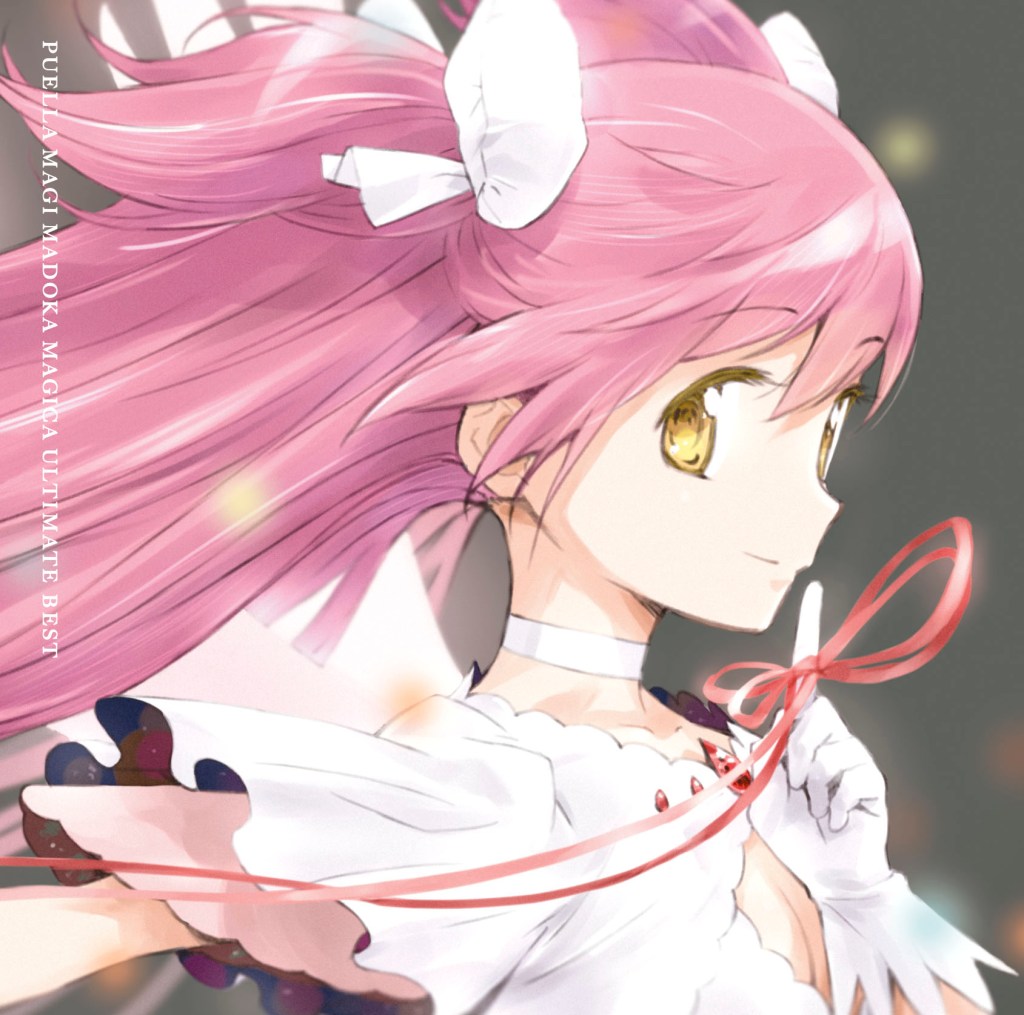
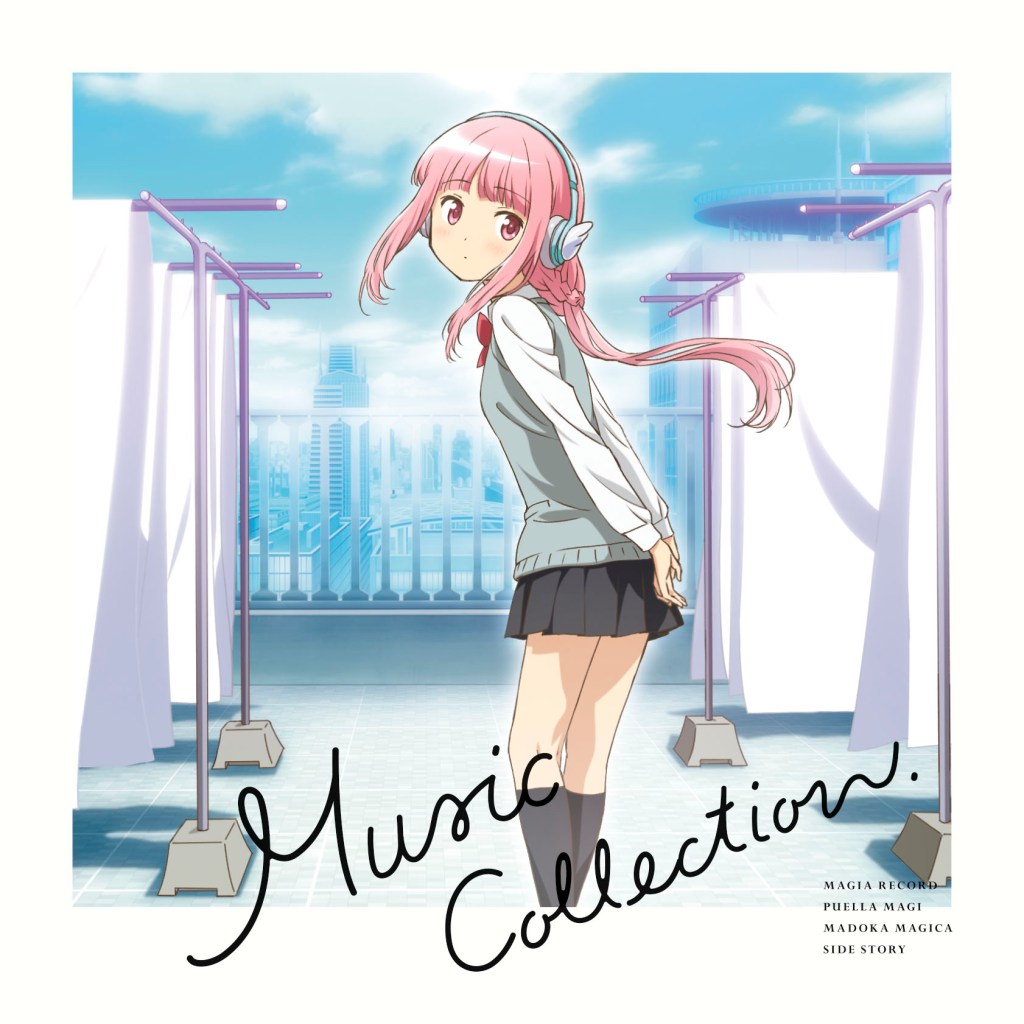
Milan Records celebrates the tenth anniversary of the critically-acclaimed anime franchise Puella Magi Madoka Magica with the first-ever digital release of music featured in the series, movie and the mobile game “Magia Record.” Included within the release are three albums of music from the Aniplex title, including two albums featuring music from the series and movie as well as one album from Magia Record: Puella Magi Madoka Magica Side Story, a mobile game based on the anime with its own original storyline. The release arrives as part of title’s 10th anniversary project, celebrating the original 2011 airdate of the fan-favorite show.

Puella Magi Madoka Magica Ultimate Best and Puella Magi Madoka Magica Music Collection include a mix of score music composed by Yuki Kajiura, original vocal tracks sung by the series cast as well as additional tracks by J-pop artists ClariS and Kalafina. Meanwhile the Magia Record: Puella Magi Madoka Magica Side Story Music Collection includes score music written for the mobile game side story by various artists as well as a vocal track by J-pop artist TrySail.

ABOUT PUELLA MAGI MADOKA MAGICA

She has a loving family and best friends, laughs and cries from time to time… Madoka Kaname, an eighth grader of Mitakihara Middle School, is one of those living such a life. One day, she had a very magical encounter. She doesn’t know if it happened by chance or by fate yet. This is a fateful encounter that can change her destiny – this is a beginning of the new story of the magical witch girls.

PUELLA MAGI MADOKA MAGICA ULTIMATE BEST TRACKLISTING –

1.Connect –ClariS

2.Mata Ashita –Madoka Kaname*

3.Credens Justitiam –Yuki Kajiura

4.Sis Puella Magica! –Yuki Kajiura

5.And I’m Home (Original Master Version) –Sayaka Miki** & Kyoko Sakura***

6.Magia –Kalafina

7.Luminous–ClariS

8.She is a Witch–Yuki Kajiura

9.Hikarifuru–Kalafina

10.Naturally–Madoka Kaname* & Sayaka Miki**

11.Akogaresaita–Madoka Kaname*

12.Mebius Ash–Homura Akemi****

13.Yumeoto –Madoka Kaname* & Homura Akemi****

14.Stairs–Mami Tomoe***** &Kyoko Sakura***

15.mada dameyo–Yuki Kajiura

16.Noi!–Yuki Kajiura

17.Colorful–ClariS

18.Kimino Ginno Niwa–Kalafina

PUELLA MAGI MADOKA MAGICA MUSIC COLLECTION TRACKLISTING –

1.Prelude to Act 1–Yuki Kajiura

2.Scaena Felix–Yuki Kajiura

3.Postmeridie–Yuki Kajiura

4.Conturbatio–Yuki Kajiura

5.Puella In Somnio–Yuki Kajiura

6.Salve, Terrae Magicae–Yuki Kajiura

7.Desiderium–Yuki Kajiura

8.Gradus Prohibitus–Yuki Kajiura

9.Credens Justitiam–Yuki Kajiura

10.Sis Puella Magica!–Yuki Kajiura

11.Inevitabilis–Yuki Kajiura

12.Pugna Cum Maga–Yuki Kajiura

13.Vocalise Op. 34 No. 14–Yuki Kajiura

14.Umbra Nigra–Yuki Kajiura

15.Venari Strigas–Yuki Kajiura

16.Agmen Clientum–Yuki Kajiura

17.Signum Malum–Yuki Kajiura

18.Serena Ira–Yuki Kajiura

19.Incertus–Yuki Kajiura

20.Ave Maria–Yuki Kajiura

21.Decretum–Yuki Kajiura

22.Anima Mala–Yuki Kajiura

23.Mata Ashita–Madoka Kaname*

24.And I’m Home (Original Master Version)–Sayaka Miki** & Kyoko Sakura***

25.Connect (Game Instrumental Version)–ClariS

26.Prelude to Act 2–Yuki Kajiura

27.Amicae Carae Meae–Yuki Kajiura

28.Clementia–Yuki Kajiura

29.La Fille Aux Cheveux De Lin–Yuki Kajiura

30.Pugna Infinita–Yuki Kajiura

31.Confessio–Yuki Kajiura

32.Cor Destructum–Yuki Kajiura

33.Terror Adhaerens–Yuki Kajiura

34.Symposium Magarum–Yuki Kajiura

35.Numquam Vincar–Yuki Kajiura

36.Quamobrem?–Yuki Kajiura

37.Surgam Identidem–Yuki Kajiura

38.Nux Walpurgis–Yuki Kajiura

39.Sagitta Luminis–Yuki Kajiura

40.Cubilulum Album–Yuki Kajiura

41.Taenia Memoriae–Yuki Kajiura

42.Pergo Pugnare–Yuki Kajiura

43.Connect–ClariS

44.Magia–Kalafina

45.Numquam Vincar (Live Version)–Yuki Kajiura

MAGIA RECORD: PUELLA MAGI MADOKA MAGICA SIDE STORY MUSIC COLLECTION TRACKLISTING –

1.Inception –Ryo Furukawa

2.Infinite Battle –Ryo Furukawa

3.First Contact –Yasuhisa Inoue

4.Awaken –Kyohei Ozawa

5.Place to Hunt –Yasuhisa Inoue

6.Intermediate–Naoki “naotyu-” Chiba

7.Welcome to Mirrors–Naoki “naotyu-” Chiba

8.Repeat Days –Yasuhisa Inoue

9.Memories –Yasuhisa Inoue

10.Twilight –Yasuhisa Inoue

11.To Remember –Kyohei Ozawa

12.Remain –Kyohei Ozawa

13.Coordinator –Yasuhisa Inoue

14.Lost Tension –Kyohei Ozawa

15.Anxiety –Yasuhisa Inoue

16.Touch One’s Heart –Kyohei Ozawa

17.Be Terrified –Ryo Furukawa

18.Creation –Yasuhisa Inoue

19.Wings of Magius –Yasuhisa Inoue

20.Full Moon –Yasuhisa Inoue

21.The Imaginator –Yasuhisa Inoue

22.Uwasa-san –Yasuhisa Inoue

23.The Lecture –Yasuhisa Inoue

24.Into the Territory –Kyohei Ozawa

25.Hotel Fenthope –Kyohei Ozawa

26.Thought of You –Kyohei Ozawa

27.Battle Fields –Ryo Furukawa

28.Initiation Battle –Yasuhisa Inoue

29.The Crow –Tatsuhiko Saiki

30.Magical Artist –Kyohei Ozawa

31.Calculated Future –Yasuhisa Inoue

32.Last Dungeon –Ryo Furukawa

33.Reunion –Ryo Furukawa

34.The Other Side –Yasuhisa Inoue

35.Battle Bell–Naoki “naotyu-” Chiba

36.Depth in the Mirror–Naoki “naotyu-” Chiba

37.One Day She Meets–Naoki “naotyu-” Chiba

38.Sunshine of the Mind –Kyohei Ozawa

39.Day of Rest –Yasuhisa Inoue

40.Plot –Ryo Furukawa

41.Farewell –Tatsuhiko Saiki

42.Complex Home –Kyohei Ozawa

43.Painful Memories–Naoki “naotyu-” Chiba

44.Inerasable –Kyohei Ozawa

45.This Morning –Tatsuhiko Saiki

46.There is –Kyohei Ozawa

47.Little Trick –Kyohei Ozawa

48.Hot Summer Day –Kyohei Ozawa

49.Kakawari –TrySail

See also:

Become a Patron of the blog at patreon.com/musicgamer460

Check out the YouTube channel (and consider hitting the subscribe button)

Don’t forget to like Film Music Central on Facebook