Tag Archives: Netflix

Soundtrack News: Music From Netflix Original Series ‘Jupiter’s Legacy’ Available 5/7

Milan Records announced today that the soundtrack album for the upcoming Netflix Original Series Jupiter’s Legacy will be released on May 7, 2021. The music for this series was composed by Stephanie Economou, who is a composer and violinist based in Los Angeles, CA. She has written the music for the Lionsgate/Starz series Step Up: High Water, as well as the second season of Manhunt: Deadly Games. Stephanie is a long-time collaborator of Golden Globe-nominated composer, Harry Gregson- Williams, composing additional music on scores such as Disney’s live-action re-make Mulan, directed by Niki Caro, Jon Turtletaub’s The Meg, Antoine Fuqua’s The Equalizer 2, Disneynature’s Penguins, and Ridley Scott’s Oscar-winning film The Martian

After nearly a century of keeping mankind safe, the world’s first generation of superheroes must look to their children to continue the legacy. But tensions rise as the young superheroes, hungry to prove their worth, struggle to live up to their parents’ legendary public reputations— and exacting personal standards. Based on the graphic novels by Mark Millar and Frank Quitely, Jupiter’s Legacy is an epic superhero drama that spans decades and navigates the complex dynamics of family, power, and loyalty.

Of the soundtrack for Jupiter’s Legacy, composer Stephanie Economou had the following to say:

“This first season of Jupiter’s Legacy offers staggering diversity in style, scale, emotion and time period, so I set out to create a musical landscape through which the score could expand and contract; kind of like a kaleidoscope. This afforded me the opportunity to explore varied stylistic sound worlds, from hybrid orchestral to industrial rock to contemporary electronic. At a critical moment in the season, I composed a large-scale choral piece using two of the main musical themes: the heroic ‘Union’ theme and what I call the ‘quest germ,’ which is a cyclical sequence of notes that emerges as our adventure unfolds (Track 28: Jupiter’s Legacy). For the chorale, I decided to source the lyrics from the original comic series by Mark Millar and translated the text into Latin. In order to make this pinnacle moment feel purposeful and impactful, I chose to unwind the choral idea by recording small modules of detuned, experimental vocals with the masterfully innovative singer, Ari Mason. My objective was to have these fragmented vocal elements serve as a kind of musical breadcrumb trail, slowly and abstractly weaving itself into the fibers of the score, culminating in a grand declaration of our main Union theme with full choir at the climax.”

JUPITER’S LEGACY (MUSIC FROM THE NETFLIX ORIGINAL SERIES)
TRACKLISTING –

  1. Union of Justice
  2. The Utopian
  3. Chloe
  4. The Patterns
  5. Disembarking
  6. Traversing the Crevasse
  7. “Where to, Ulysses?”
  8. The Island
  9. Raikou
  10. The Overdose
  11. Grace Finds the Sketches
  12. Paragon and Iron Orchid
  13. Service, Compassion, Mercy
  14. Tree Symbols
  15. Through the Storm
  16. Morocco
  17. George’s Isolation
  18. The Hilltop Battle
  19. Everything Ends Up in a Box
  20. Miller’s Farm
  21. Crossing the Desert
  22. Being a Sampson
  23. Hutch
  24. Van Chase
  25. A New Leader
  26. Skyfox and Blackstar
  27. Illumination
  28. Jupiter’s Legacy

The album for Jupiter’s Legacy is available for preorder now, and will be available on May 7, 2021.

See also:

Become a Patron of the blog at patreon.com/musicgamer460

Check out the YouTube channel (and consider hitting the subscribe button)

Don’t forget to like Film Music Central on Facebook 

Soundtrack Review: Stowaway (2021)

With Netflix recently releasing the soundtrack for their new film Stowaway, I had the opportunity to sit down and listen to the film’s official soundtrack. The music was composed by Volker Bertelmann (The Old Guard, Lion) and recently made available digitally.

The film’s synopsis is as follows:

In Stowaway, on a mission headed to Mars, an unintended stowaway accidentally causes severe damage to the spaceship’s life support systems. Facing dwindling resources and a potentially fatal outcome, the crew is forced to make an impossible decision.

Says Bertelmann of the Stowaway soundtrack:

“Working on Stowaway and collaborating with director Joe Penna was a special experience in many respects: Joe, who is a musician himself, gave me a lot of freedom to explore different sounds and we had a joint understanding of the purposes the music should serve. This facilitated the compositional process, which was extremely helpful given the considerable amount of music the film needed. The music for Stowaway is one of my favorite scores so far.”

Given what’s at stake in Stowaway, I was surprised at how low-key and passive a lot of the music is. There’s an underlying sense of tension of course, most notably in ‘How Much Oxygen’ but for the most part Bertelmann’s soundtrack is almost perfectly serene. The biggest exception to this comes in ‘Solar Flare’ which covers what is undoubtedly one of the climax points of the film. But even then, there’s still a polished smoothness lingering in the music that takes some of the edge off what might otherwise be a raw piece of action music.

All of this smoothness and serenity in the music confused me until I considered where the film is set. Stowaway is set entirely in space, aboard a ship bound for Mars, and it could be that Bertelmann had it in his mind to back up the interstellar background of the film with music that fit the location. After all, there’s something about space that can generate a lot of musical grace and beauty, and this film is surely no exception. It could also be that the composer wanted to remind viewers that in the grand scheme of things this conflict is barely a blip in the cosmos (or I could be overthinking it entirely). Most likely of all the options is the possibility that Bertelmann wanted the score to backup the story, but not overwhelm it with sheer depth of volume, as some film scores have been known to do.

I really enjoyed listening to the soundtrack for Stowaway. It really subverted my expectations for what I thought this movie would sound like but in the end it was really enjoyable. In some places it actually reminded me a little bit of 2001: A Space Odyssey with some of the more quiet tracks. If you get the chance to listen to the Stowaway soundtrack separate from the movie, I highly recommend doing so.

Track List

  1. Earth Rise
  2. Regaining Consciousness
  3. Favorite Spot on the Ship
  4. How Much Oxygen
  5. Setting Up the Algae
  6. It’s Literally My Job
  7. Can I Take His Place?
  8. I Was in the Fire
  9. Can You Talk?
  10. What Did You Do?
  11. The Algae Are Dead
  12. Climbing the Tethers
  13. On the Kingfisher
  14. More Than Enough Oxygen
  15. Solar Flare
  16. I Will Go
  17. Climbing the Tethers Alone
  18. Into the Solar Storm

Let me know what you think of Stowaway’s soundtrack (and the film) in the comments below and have a great day!

See also:

Film Soundtracks A-W

Become a Patron of the blog at patreon.com/musicgamer460

Check out the YouTube channel (and consider hitting the subscribe button)

Don’t forget to like Film Music Central on Facebook 

Soundtrack News: Netflix’s ‘Stowaway’ OST Available Now!

On April 23, Lakeshore Records released the soundtrack for Netflix’s sci-fi thriller Stowaway by Academy Award-nominated composer Volker Bertelmann (The Old Guard, Lion, Your Honor). The acclaimed pianist, composer, and experimental musician utilizes piano, strings and orchestra to explore a wide range of sounds that provide a rich backdrop to the mission to Mars thriller. Volker Bertelmann is an internationally acclaimed pianist, composer and experimental musician. His score for Garth Davis’s Oscar-nominated film Lion, composed in collaboration with Dustin O’Halloran, was awarded an Australian AACTA Award and received nominations for multiple awards, among others for an Academy Award, Golden Globe, BAFTA, and Critics’ Choice Award.

The music of Stowaway has a lot of gravity, dark tension, and elevating moments, which Bertlemann created by utlizing earthy synthesizers, a prepared Steinway piano (with only one string tuned), and elements of sound design.

Says Bertelmann of the Stowaway soundtrack:

“Working on Stowaway and collaborating with director Joe Penna was a special experience in many respects: Joe, who is a musician himself, gave me a lot of freedom to explore different sounds and we had a joint understanding of the purposes the music should serve. This facilitated the compositional process, which was extremely helpful given the considerable amount of music the film needed. The music for Stowaway is one of my favorite scores so far.”

Track List

  1. Earth Rise
  2. Regaining Consciousness
  3. Favorite Spot on the Ship
  4. How Much Oxygen
  5. Setting Up the Algae
  6. It’s Literally My Job
  7. Can I Take His Place?
  8. I Was in the Fire
  9. Can You Talk?
  10. What Did You Do?
  11. The Algae Are Dead
  12. Climbing the Tethers
  13. On the Kingfisher
  14. More Than Enough Oxygen
  15. Solar Flare
  16. I Will Go
  17. Climbing the Tethers Alone
  18. Into the Solar Storm

You can purchase the Stowaway soundtrack here and it is available now!

See also:

Become a Patron of the blog at patreon.com/musicgamer460

Check out the YouTube channel (and consider hitting the subscribe button)

Don’t forget to like Film Music Central on Facebook 

Soundtrack News: ‘Shadow and Bone’ Netflix Original Series Soundtrack Available Now

Netflix has released the Original Series Soundtrack for Shadow and Bone—based on Leigh Bardugo’s worldwide bestselling Grishaverse novels. The mystical and epic original score comes from composer Joseph Trapanese (Tron: LegacyThe Greatest Showman), who took great influence from fairytales, Russian stories, magic, and fantasy. The soundtrack is available digitally todayApril 23, alongside the highly anticipated series launch on Netflix. Joseph Trapanese is best known for his sleek score work for blockbuster films like Tron: Legacy, Straight Outta Compton, The Greatest Showman, Oblivion and the Raid series. As a composer, arranger, and producer for movie, television, theater, and video game music, he has collaborated with a number of mainstream musical acts. His first major break came in 2010 when he worked with Daft Punk on the sweeping digital soundtrack to Disney’s Tron reboot/sequel.

Based on Leigh Bardugo’s worldwide bestselling Grishaverse novels, Shadow and Bone finds us in a war-torn world where lowly soldier and orphan Alina Starkov has just unleashed an extraordinary power that could be the key to setting her country free. With the monstrous threat of the Shadow Fold looming, Alina is torn from everything she knows to train as part of an elite army of magical soldiers known as Grisha. But as she struggles to hone her power, she finds that allies and enemies can be one and the same and that nothing in this lavish world is what it seems. There are dangerous forces at play, including a crew of charismatic criminals, and it will take more than magic to survive.

Joseph was brought onto the project early on by Eric Heisserer (Showrunner, Executive Producer, Writer), Shawn Levy (Executive Producer), and Leigh Bardugo (Author, Executive Producer). He read the novels and scripts for inspiration and by the time the series entered post-production, he had written 40-50 minutes of music to contribute to the score. Joseph developed distinct themes for each character, giving each one their own sonic world in the valiant mystery tale of Shadow and Bone

“Joseph had a monumental challenge ahead of him when he joined the team,” says Eric Heisserer. “Not only did he need to create a thematic space for each of our six lead characters in this debut season, but he also had to build a different musical language for the major regions of this invented world, most notably the kingdom of Ravka, loosely drawn from 1800s Czarist Russia. And what the rest of us soon learned was: Joseph could build all of that and more. The flourishes and flavors he gave to each piece linger with you long after the episode leaves the screen, and while he’s embraced all that inspired the settings of the show, everything feels bespoke. I cannot separate the show from his score, and I’m in awe of him for it,” concludes Heisser.

Leigh Bardugo adds, “Joseph and I met up for coffee early on, and I knew pretty quickly that we were on the same page. We played Prokofiev favorites for each other and I inflicted some very pitchy renditions of old folk songs on him. I knew his work and how deftly he could transport a listener to a new world, but I had no idea what it would be like to hear him work his magic on Ravka and the Grishaverse. There’s certain music that sparks imagination. Joseph’s extraordinary work on Shadow and Bone not only helped to bring this world fully alive, but also changed the way I experience my characters’ stories. I can’t wait for audiences to share in that experience.”

Regarding the soundtrack for Shadow and Bone, Joseph Trapanese had the following to say:

 “Nothing is more thrilling as a composer than to build a musical world to compliment an extraordinary and grand adventure like Shadow and Bone. Eric Heisserer, Shawn Levy, and Leigh Bardugo were incredibly generous with their time and guidance, inviting me to be a part of the series as soon as possible, so I could really get to know these characters and their stories as I wrote their themes. As the team was finishing on set, I was putting the final touches on extended suites and ideas for each character. It was incredibly rewarding to explore and expand these themes throughout the season, and I hope we get to continue exploring each corner of this world for many more episodes. I couldn’t be more excited or proud to share this score with you, and I’m grateful to the entire team at 21 Laps and Netflix for supporting our work through all the challenges of this past year.”

TRACK LIST

  1. Ravka
  2. Ask the Saints
  3. Court Demonstration
  4. True North
  5. Royal Archives Heist
  6. Face the Truth
  7. Erase the Past
  8. Memories
  9. Hope for the Future
  10. Her Name is Alina Starkov
  11. Heretic
  12. Just Ask
  13. Shipwrecked
  14. A Message
  15. Helpful Goat
  16. Fight for the Light
  17. Five Markers
  18. Strike Now
  19. Follow

You can purchase the soundtrack to Shadow and Bone digitally now and also check out the series on Netflix!

See also:

Become a Patron of the blog at patreon.com/musicgamer460

Check out the YouTube channel (and consider hitting the subscribe button)

Don’t forget to like Film Music Central on Facebook 

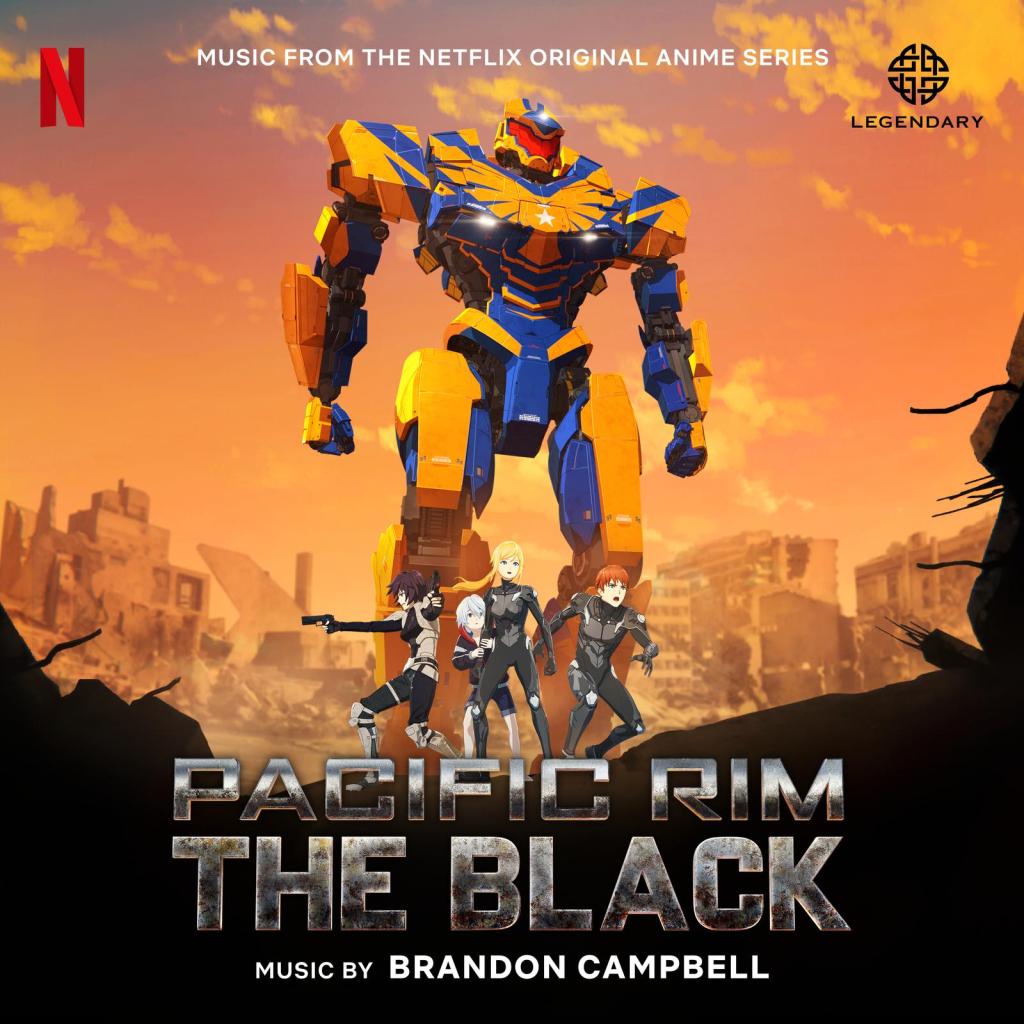
Soundtrack Review: Pacific Rim: The Black (2021)

On March 5, Milan Records and Sony Music Masterworks released Pacific Rim: The Black (Music from the Netflix Original Anime Series) by composer Brandon Campbell.  Available everywhere now, the album features score music written by Campbell for Netflix’s newest anime series from Legendary Television and based on Legendary and Guillermo del Toro’s blockbuster film franchise Pacific Rim.  Continuing the tale of epic battles between monsters and robots in an exciting new style, Pacific Rim: The Black made its global debut yesterday and is available now to watch exclusively on Netflix.   

Of the soundtrack, composer Brandon Campbell had the following to say:

“Our showrunner, Greg Johnson, wanted a score that encompassed bits of DNA from the original Pacific Rim film while still being unique enough to support the struggles and triumphs of Taylor and Hailey. We created a hybrid orchestral score with the heavy themes and melodic material that will hopefully resonate with Pacific Rim fans, while including more intimate and emotional musical moments that accompany our characters as they make their way across The Black. I hope my music brings you back into the world of the awesome power of the Kaiju and Jaeger, but also into the hearts of Taylor and Hailey.”

I meant to check out this soundtrack a solid month ago and I regret that life got in the way to delay me because the music for Pacific Rim: The Black is good, really good. While I haven’t heard the soundtracks for either Pacific Rim movie (a terrible shortcoming I know), there are moments sprinkled throughout this soundtrack that sound so “big” they can only come from and/or be inspired by the original movie soundtracks. This is great, as thematic continuity between films and a television series is a proven way to help audiences get invested in the new story. Put it like this: if the story sounds like it comes from the same universe, then it becomes easier to accept the story as belonging to that universe, even if none of the regular movie characters show up.

What’s really interesting to me aside from that is the musical connection to other kaiju movies that I swear I can hear. For example, in ‘Kaiju Messiah’, there’s a musical sequence that sounds eerily similar to music I’ve heard in Godzilla (2014), Godzilla: King of the Monsters (2019) and Godzilla vs Kong (2021) whenever Godzilla is in action. I don’t know if this is deliberate or not, but it would make sense since the story of Pacific Rim is about fighting kaiju (which is what Godzilla is, albeit in a different story).

Another thing I really like about the music for Pacific Rim: The Black is how descriptive it is. Which is to say it paints an evocative picture of how desolate this setting is, and how dangerous. There’s nothing generic about this music, you know that it belongs to science-fiction just by listening to it. It would’ve been so easy for Netflix to commission music that was bare-bones acceptable, but they didn’t do that, they got music that carries its share of the story, and that is so important. You need the music to drive the final nail home of where this story is taking place, what is this world like? The wrong music, as I’ve said many times before, can break a decent story, and by all accounts this is the best music possible for Pacific Rim: The Black.

PACIFIC RIM: THE BLACK (MUSIC FROM THE NETFLIX ORIGINAL ANIME SERIES)
TRACKLISTING

  1. The Black
  2. They Always Come Back
  3. Jaeger Breaker
  4. The Drift
  5. b0y
  6. Shane
  7. Boneyard
  8. I’ve Had Worse Benders
  9. Mind Heist
  10. Dismei
  11. Ghost Pilot
  12. Shadow Basin
  13. Bogan Boogie
  14. Memories
  15. Never Coming Back
  16. The Most Powerful Man in The Black
  17. Hunter Vertigo
  18. Just Calm Down
  19. Kajiu Messiah
  20. Copperhead
  21. Atlas Destroyer

It’s a shame I didn’t get to this soundtrack a month ago, but better late than never right? I really enjoyed checking out the music for Pacific Rim: The Black, and you should check it out right away if you get the chance, as it is currently available.

Let me know your thoughts on Pacific Rim: The Black (and its soundtrack) in the comments below and have a great day!

See also:

TV Soundtracks

Become a Patron of the blog at patreon.com/musicgamer460

Check out the YouTube channel (and consider hitting the subscribe button)

Don’t forget to like Film Music Central on Facebook 

Music for Digging into the Past: Talking With Stefan Gregory about Netflix’s ‘The Dig’ (2021)

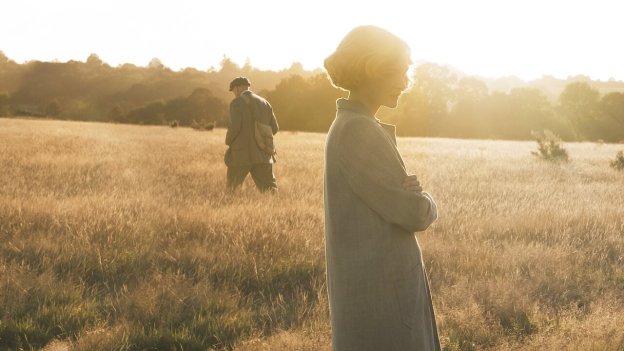
I recently had the opportunity to speak with Australian composer Stefan Gregory about his work on the Netflix film The Dig. Gregory makes his major feature film score debut with this Netflix drama, based on the novel of the same name by John Preston. Ralph Fiennes stars in the film as real-life excavator Basil Brown, who until recent years was uncredited for his work in unearthing the fossil of an Anglo-Saxon wooden ship on a young widow’s (Carey Mulligan) estate. With this project, Stefan makes the transition to film scoring from the world of composing and sound design for theatre. He studied mathematics in college, but his passion for music (mainly Jazz) overtook and led to him pursuing a career in writing music for theatre productions. 

Enjoy our conversation about The Dig!

How did you get started as a composer?

Improvising and composing were part of how I learnt music from a young age. My dad was a folk musician. My first paid gig was through a friend who worked in theatre, scoring a production of Hamlet for $500 which featured classical banjo and cello.

What was it like making the leap from composing for the theatre to composing for film? Was it a big difference?

It was fairly straight forward, the basic ideas are the same in film and theatre – support the story and the visual world, don’t get in the way of the text, find something that’s missing from the story that you can tell with the music. One difference is that theatre music sometimes needs to be a little bit flexible as the timing can change every night, whereas film music needs to be precise.

There are some subtler differences that are hard to put into words – something about the way we interpret film as truth, because it’s based in photography, even though the footsteps you’re hearing are probably foley. In theatre, we always know it’s fake, because we can look up and see the stage lights and the proscenium arch, so it relies more on the imagination. This changes the way music is interpreted. If you use certain filmic tropes in theatre, they might come across as cheesy or the audience might feel they’re being manipulated, which turns them off. Yet those same tropes work in film, or actually they’re essential because they’re part of the grammar of film. But all this is mostly very subtle.

Did it help that you were working with director Simon Stone, given that you’ve collaborated for a decade together? I have to imagine that would help with any transition from theatre to film.

It does really help to know you director well, as they are your main collaborator. Another flipped way to look at it is: it helps to work with directors whose philosophy and aesthetic you share, and then you’ll end up working together for a decade!

How did you decide on the overall sound for The Dig? It’s not how I imagined a film about an archaeological dig would sound, though I do love the intimacy of the music. I’m also curious about one thing: I read that your initial idea was to create music of the era. What, specifically would that have sounded like? I know you ultimately didn’t go in that direction but I’m curious as to how it differed from what you did go with.

We initially talked about referencing orchestral music of the period, and I did a lot of work on that before I saw the edit. However most of those ideas didn’t seem to work when we put them to picture – the contemporary camera and editing language seemed to beg for a more contemporary score. I avoided using piano for quite a while but eventually I relinquished, and that really helped unlock the whole sound for me. I guess there’s a reason it’s used so much. The strings and orchestra were great for the landscape but piano gave it the intimacy and human touch it needed.

On a related note, when you decided what the film would sound like, where did you start with composing the score? Was it with a single theme that expanded outward or was it more organic than that?

In this case it was a piano piece I wrote that was a breakthrough for me, the tone and style seem right and it suddenly became clear what sort of compositional world was going to work. It wasn’t the theme itself, but certain harmonic ideas in it that I ran with, and the simplicity of the melody. Interestingly, that particular piano piece was cut when there was a big change in the edit, as it resulted in the whole film feeling slightly faster and so that piece was now too languid.

How much time did you have to work on The Dig? Were you impacted by the pandemic? If so, how did you work around it with the recording process?

I was brought on before the shoot and watched the daily rushes. By the time I got properly started though, and had seen rough cut, I think I had about 3 to 4 months to write it. This coincided with the first wave of the pandemic in the UK, so in the middle of the process I and my pregnant partner and 3 year old daughter made the decision to come back to Australia. We had already sent my mother home as a precautionary, who had been helping us with child minding. My partner was now confined to bed with morning sickness, so it was becoming a challenge for me caring for my family and writing my first feature score at the same time. When we arrived back in Sydney on one of the last easily available flights we had to stay on a remote bushland property which turned out not to have phone, internet or even hot water at first. No-one would come to fix the internet and phone for weeks as everyone was in lockdown. It was a beautiful landscape however, and there was a magnificent view of a large river, which was inspiring for the music. The process of collaboration became difficult – I had to drive up a dirt track in a four-wheel drive and upload files over 4G to the director in Vienna.

Then when it came to recording, no orchestras were open for business. Eventually Iceland opened up, and we were lucky to have a fantastic orchestra and team over there who were able to provide online streaming of the session. There were people listening in from all over the world – Sydney, New York, London, Quito and Vienna – to a small studio in a picturesque coastal town a few hours east of Reykjavik. The sessions began at about 8pm Sydney time and went to about 7am. I was a bit tired by the end!

One question that I can’t get off my mind is, and forgive me if this comes out wrong, did you write some of this music to “mimic” what an archaeologist does? A lot of the smaller, more delicate moments remind me of the gentle brushing and probing that an archaeologist has to do to remove these precious artifacts from the ground, and I was wondering if that was done on purpose.

Haha! I love this observation. It wasn’t quite as deliberate as that, but it was scored to picture so probably something was going on in my subconscious.

What’s one thing you hope viewers take away with them when they watch The Dig and hear your score?

I hope they hear the score as part of the cohesive whole experience of the film, and don’t think about it too much – all the elements of film working together sympathetically. As far as the experience, it will resonate differently with different people, and everyone will find something slightly different in it. Certainly there are some big themes in there; life, death, time, earth, legacy, love.

Do you have a favorite part of the soundtrack?

A few. I like the montage that starts just after the Piggots arrive, and continues under Basil showing little Robert the stars through a telescope, and cuts to the misty morning. I also like the section after they’ve pulled the body from the plane crash, with the sunset and Rory and Peggy – it feels slightly unexpected musically to me.

Thank you again for taking the time to talk about your work on The Dig.

Thank you for your questions!

A big thank you to Stefan Gregory for taking the time to speak with me about his work on The Dig. You can check out the film on Netflix!

Have a great day!

See also:

Composer Interviews

Become a Patron of the blog at patreon.com/musicgamer460

Check out the YouTube channel (and consider hitting the subscribe button)

Don’t forget to like Film Music Central on Facebook 🙂

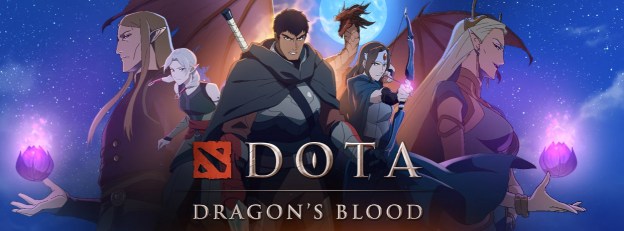
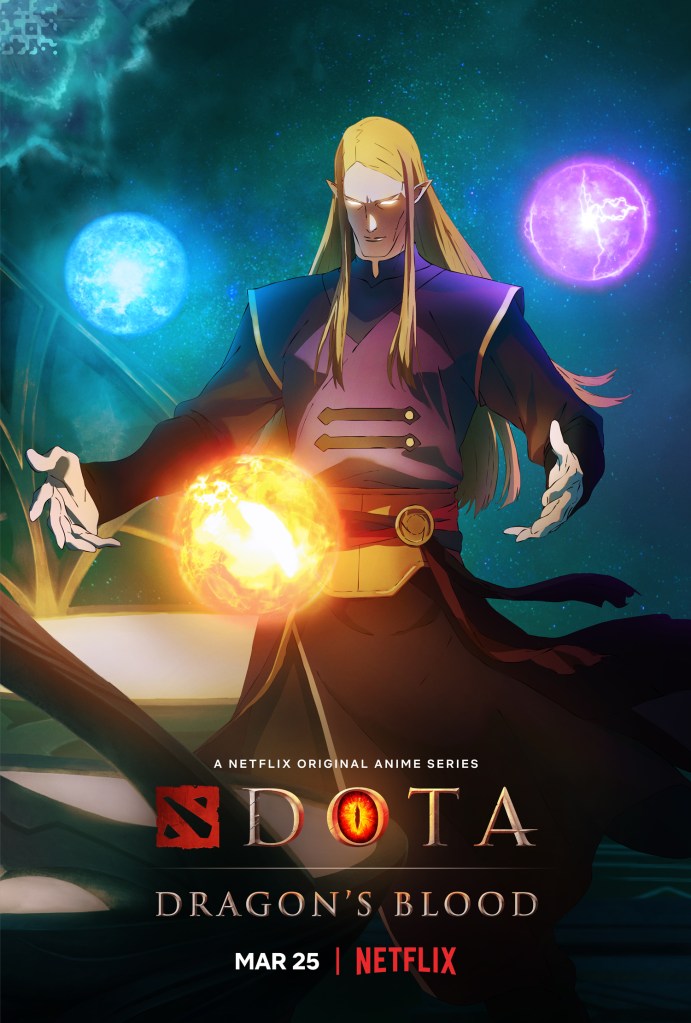
Soundtrack Review: DOTA: Dragon’s Blood (2021)

On March 25th, Netflix released their new original anime DOTA: Dragon’s Blood, with a score by composer Dino Meneghin (Teen Wolf, Lore), based on the massively popular online MOBA video game DOTA 2. Dino is best known for his television score for MTV’s Teen Wolf, adapted from the classic Michael J. Fox films, as well as several episodes of the hit Amazon Prime Original horror anthology series Lore. In addition to his work in television, Meneghin also scored SNL alumni Taran Killan’s action comedy feature film Killing Gunther with Arnold Schwarzenegger and the short films The Tow and Prom.

Although the series is set in the fantasy DOTA universe, the score isn’t the kind of sweeping, orchestral music typically found in the genre. Composer Dino Meneghin wanted a different kind of score more akin to Tangerine Dream or the old Heavy Metal cartoons. Meneghin set to work creating an entirely unexpected score for the series driven by synths and oftentimes abstract but still able to pull the emotional weight of the story.

Speaking about his experience working on the series, Meneghin said:

“DOTA has been one of the best musical experiences of my career so far. Ashley Miller, Netflix, and Studio MIR were collaborative, open-minded, and willing to take chances with the score. Getting a chance to dive so deeply into a world loved by so many players and fans has been an incredible experience, and I hope the viewers will see and hear how much love we put into it.”

The music for DOTA: Dragon’s Blood really isn’t what you’d expect for a fantasy series. I was fully prepared for the full orchestral experience, as that often pairs well with these kinds of stories, but Meneghin didn’t go in that direction. Instead, what he’s put together is more pared down, while remaining intricate. There is a distinct hint of the fantastical if you listen to the music all the way through, but it’s not big and lush like, say, Game of Thrones. No, the music for DOTA: Dragon’s Blood….it almost reminds me of the music for Blade Runner, in spirit if not in actual texture. The way the synths form a background to the melody, it really does remind me of that science-fiction story, and that’s not a bad thing.

This may sound weird, but hearing the synths in the music had me thinking that perhaps the music is, in its own way, paying homage to DOTA’s digital roots as an online game. The synths make me think of a virtual world, which is how DOTA started, and I like how Meneghin weaves the artificial tones in and out of the musical score for DOTA: Dragon’s Blood.

I really enjoyed listening to the music for DOTA: Dragon’s Blood, it’s been a pleasant surprise and one that everyone should check out when they get the chance.

Let me know what you think about DOTA: Dragon’s Blood in the comments below and have a great day!

See also:

Soundtrack Review: Teen Wolf (2011-present)

TV Soundtracks

Become a Patron of the blog at patreon.com/musicgamer460

Check out the YouTube channel (and consider hitting the subscribe button)

Don’t forget to like Film Music Central on Facebook 

Soundtrack News: Pacific Rim: The Black Soundtrack Releasing March 5th

Milan Records and Sony Music Masterworks today announced that the official soundtrack for Pacific Rim: The Black by composer Brandon Campbell will release on Friday, March 5.  Available for preorder now, the album features score music written by Campbell for Netflix’s newest anime series from Legendary Television and based on Legendary and Guillermo del Toro’s blockbuster film franchise Pacific Rim. Continuing the tale of epic battles between monsters and robots in an exciting new style, Pacific Rim: The Black will be released worldwide on Thursday, March 4 exclusively on Netflix.  

Of the soundtrack for Pacific Rim: The Black, composer Brandon Campbell had the following to say:

“Our showrunner, Greg Johnson, wanted a score that encompassed bits of DNA from the original Pacific Rim film while still being unique enough to support the struggles and triumphs of Taylor and Hailey.  We created a hybrid orchestral score with the heavy themes and melodic material that will hopefully resonate with Pacific Rim fans, while including more intimate and emotional musical moments that accompany our characters as they make their way across The Black.  I hope my music brings you back into the world of the awesome power of the Kaiju and Jaeger, but also into the hearts of Taylor and Hailey.”

The album marks the first release under a new, multi-year agreement between Milan Records/Sony Music Masterworks and Legendary Television to collaborate on future soundtrack releases.  Under the new agreement, Milan Records will have the exclusive right to distribute all soundtrack albums released by Legendary Television for its television shows and series, supporting the studio with the global distribution, marketing and promotion of these soundtrack titles.

ABOUT PACIFIC RIM: THE BLACK
There was a time when Kaiju rose from the Pacific Rim only to encounter gigantic robots, Jaegers, built to fight them back. That time has passed. Now, Australia has been overrun by Kaiju, forcing the evacuation of an entire continent. Left behind, teenage siblings Taylor and Hayley embark on a desperate search for their missing parents, teaching themselves to pilot a battered, long-abandoned Jaeger to help in their quest and give them even the slightest hope of surviving.

PACIFIC RIM: THE BLACK (MUSIC FROM THE NETFLIX ORIGINAL ANIME SERIES)
TRACKLISTING –

  1. The Black
  2. They Always Come Back
  3. Jaeger Breaker
  4. The Drift
  5. b0y
  6. Shane
  7. Boneyard
  8. I’ve Had Worse Benders
  9. Mind Heist
  10. Dismei
  11. Ghost Pilot
  12. Shadow Basin
  13. Bogan Boogie
  14. Memories
  15. Never Coming Back
  16. The Most Powerful Man in The Black
  17. Hunter Vertigo
  18. Just Calm Down
  19. Kajiu Messiah
  20. Copperhead
  21. Atlas Destroyer

See also:

Become a Patron of the blog at patreon.com/musicgamer460

Check out the YouTube channel (and consider hitting the subscribe button)

Don’t forget to like Film Music Central on Facebook 

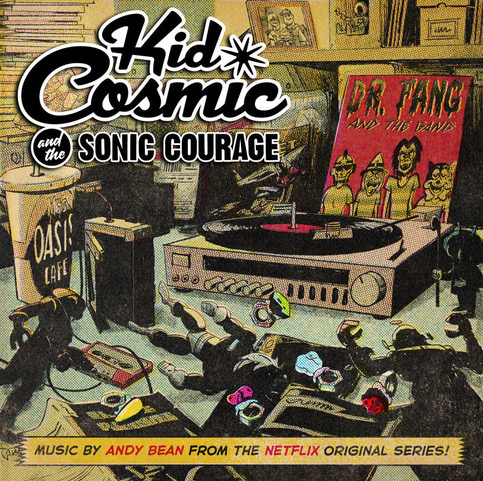
Soundtrack Review: Kid Cosmic and the Sonic Courage (2021)

Yesterday (February 26th) Netflix released the official soundtrack album for Kid Cosmic titled: Kid Cosmic and the Sonic Courage-Music by Andy Bean from the Netflix Original Series. Andy Bean is an Emmy-nominated songwriter, composer, and multi-instrumentalist specializing in music for animation. Through his work with The Two Gentlemen Band, Andy landed his first composing gig scoring Disney’s Emmy-nominated animated series, Wander Over Yonder. His frantic banjo-driven sci-fi scores and heartfelt songwriting for the show earned him two Annie award nominations. For his latest project, Netflix’s Kid Cosmic, Andy created much of the soundtrack under the guise of a fictional 70s psychedelic garage punk band, Dr. Fang & The Gang. The propulsive rock and roll score combines with the show’s distinctive art style to create exhilarating musical-action sequences unique in children’s television. 

The soundtrack album includes 20 songs by fictional bands conceptualized by show creator Craig McCracken (The Powerpuff GirlsFoster’s Home for Imaginary Friends) and Andy Bean (Muppet BabiesWander Over Yonder), playing with the idea that the show was scored as if they pulled existing music from the Kid Cosmic world.

Speaking about how the series’ unconventional score was dreamed up, Bean said:

“Craig [McCracken] described his vision for Dr. Fang and The Gang (the fictional band that provides much of the score) to me more than five years ago, and I started writing songs in character as the group immediately – even before I knew any other details about the show. We wanted the music in Kid Cosmic to sound like it was being pulled from an old record in The Kid’s collection. This is that record!”

I don’t know if I’ve ever heard a soundtrack quite like this one. The music for Kid Cosmic and the Sonic Courage really does sound like a collection of records that comes straight from the insane world of Kid Cosmic. I’ll be honest, I usually prefer soundtracks that are purely instrumental (it’s nothing personal, just the way I am), but for this collection I’m willing to make an exception because it just sounds so good! Each song puts me right back into the story of Kid Cosmic and his friends. It wasn’t until listening to the songs apart from the animation that I realized just how much these songs by this faux-band dominate the story in the best way possible.

It’s really no wonder I enjoyed watching Kid Cosmic so much. Aside from being a great story, the music in this soundtrack is just so upbeat and happy that after a few tracks you can’t help but smile and bop your head to the beat.

My favorite track out of all of these is ‘The Kid’ (aka The Kid Cosmic Theme). Not only is this the perfect theme for the show, with its off the wall energy, but it’s also the perfect theme for the Kid himself. This music is just like the Kid, it’s non-stop go go go and it just pumps you up, just like the Kid pumps himself up with his boundless enthusiasm for all things superhero. I also really like ‘Rosa Y Rolla’, because it reminds me of Rosa, my second favorite character in the show. The way ‘Rosa Y Rolla’ is put together I can just imagine Rosa in her giant form stopping around the desert and wreaking havoc as only a giant 4 year old can.

If I have one gripe about this soundtrack, it’s that it doesn’t appear to include all of the instrumental music used in the show. Specifically, I would have loved to hear the dark sci-fi music (from the episode where the spaceship is discovered) in its own separate track, and maybe those will be released some day in the future. For now, Kid Cosmic and the Sonic Courage is a great collection of the music of Kid Cosmic and the perfect way to experience Andy Bean’s wonderful songs.

Hopefully season 2 of Kid Cosmic is on the way and will give us even more of Dr. Fang and the Gang.

Kid Cosmic and the Sonic Courage Track List

  1. The Kid (Kid Cosmic Theme) (2:01)
  2. Vacation Boogie (2:55)
  3. Airborne Shuffle (2:11)
  4. The Gravity Ball (2:38)
  5. Galactic Interference (2:44)
  6. Somebody Call the Doctor (1:59)
  7. Talkin Tuna (2:50)
  8. Groundspeed Hustle (2:33)
  9. Desert Jungle (2:24)
  10. Here Comes the Gang (1:50)
  11. I’ll Do the Best That I Can Do (1:56)
  12. Fetch Me My Bicycle (1:46)
  13. The Kid (Live) (2:09)
  14. Tuna on the Road (2:05)
  15. Rosa Y Rolla (2:03)
  16. The Papa G Stomp (2:54)
  17. Papa G’s Jam (1:44)
  18. Greasy Spoon Space Gal (2:02)
  19. Superkid Surf Party (2:01)
  20. Party Back at My House (2:13)

Kid Cosmic follows the adventures of an imaginative and enthusiastic boy who lives with his free-spirited Grandpa in a sparsely populated desert town. The Kid’s dreams of being a hero seem to come true when he discovers 5 Cosmic Stones of Power in a wrecked spaceship. He forms a team of local heroes to stop an onslaught of alien attacks to steal back the stones. Though the Kid and his team are the good guys, they’re really bad at it,and the Kid learns that his fantasy of being a hero is very different from the reality of what it actually means to become one.

Let me know what you think about Kid Cosmic and Kid Cosmic and the Sonic Courage in the comments below and have a great day!

See also:

My Thoughts on: Kid Cosmic: Season One (2021)

A New Music for Superheroes: Talking with Composer Andy Bean about Kid Cosmic (2021)

TV Soundtracks

Become a Patron of the blog at patreon.com/musicgamer460

Check out the YouTube channel (and consider hitting the subscribe button)

Don’t forget to like Film Music Central on Facebook 

A New Music for Superheroes: Talking with Composer Andy Bean about Kid Cosmic (2021)

Recently I had the opportunity to talk with composer Andy Bean about his work on the Netflix animated series Kid Cosmic, which premiered on Netflix on February 2nd, 2021.

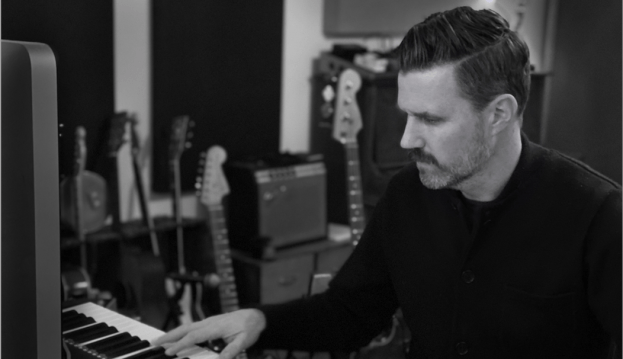
Andy Bean is an Emmy-nominated composer, songwriter, and multi-instrumentalist. He began his career barnstorming across the U.S. and Europe for nearly a decade with The Two Man Gentlemen Band before landing a gig writing music for the Disney animated series, Wander Over Yonder. He is currently songwriter and composer for Netlix’s Kid Cosmic, Disney’s Puppy Dog Pals, and Disney’s Muppet Babies re-boot. Between the latter two, he’s written over three-hundred songs across dozens of genres and scored over one-hundred episodes.

Enjoy this interview about his work on Kid Cosmic!

How did you get started with being a composer?

I was writing songs and performing with The Two Man Gentlemen Band back in 2012 when I was asked to submit a theme song demo for Craig McCracken’s last show, Wander Over Yonder. Craig and the team liked the theme song and asked me if I wanted to try composing for the show and I said… sure! Half the show was frantic banjo music, which I was comfortable with. The other half was synth-driven space orchestral stuff, which I’d never done before. I was a total novice writing and producing music for TV, so I basically locked myself in a room for 6 months and figured it out the best I could.

So I just finished watching season 1 of Kid Cosmic and I loved it! I have to ask, were you really not told anything about the premise aside from “imagine a 70s garage band”? How do you start composing for a show from that kind of starting area?

That’s definitely how it started. As Wander Over Yonder was finishing, I met with Craig and he basically said, “I’ve got this new idea for a show, but I’m not going to tell you that much about it. Just that the main character in the show has a favorite band called Dr. Fang and The Gang, and I’d like you to start writing music for them.” He showed me a drawing of the band and gave me some references – some older stuff and some contemporary fuzzed out garage bands – and I started writing music that night. I was a songwriter first before ever writing music for TV, so a “write songs like this” assignment was in my wheelhouse.

Of course, as I learned more about the show I started tailoring ideas to particular characters and refining the sound. But a handful of the tunes that I wrote early on are part of the score and soundtrack.

What was it like working with Craig McCracken again after Wander Over Yonder?

It’s great! On both shows we’ve worked on together, he’s given me really specific guidance on the concept he has in mind for the show’s sound. Then he gives me an incredible amount of creative license to figure out the nuts and bolts of it. For me, that balance of clear guidance and creative freedom is my favorite way to work. And just as importantly, we seem to be on the same wavelength musically. We like the same kinds of stuff.

It sounds like the story was written to accommodate your music, which doesn’t happen all that often. How did the process of making the story and music work together happen? Were there any unexpected difficulties?

Not so much the story, but I know Craig and the team built specific scenes around certain songs. Before writing and storyboarding started on season 1, I gave the team all the stuff I’d been working on while we were in development – songs and score sketches. I had some ideas about how they’d use some of them – fast rock songs for action scenes for example – but they also incorporated some of the ambient desert score stuff I did in really cool and surprising ways. So for me, it was great. I wrote a bunch of music then sat back and watched the incredible artists working on the show build super cool scenes around it.

Of course, the stuff I wrote ahead of time only covered a portion of the score. So one of the challenges was trying to match the energy and spontaneity of the early tracks when I was writing new music to picture. Most of the songs on the soundtrack were written before production started . But a handful are extensions of shorter pieces I wrote to picture.

How much time did you spend working on the music for Kid Cosmic? Where did the musical ideas start and how did it branch out as you kept writing the music?

Years. I started contributing musical ideas in late 2015 and actual scoring to picture didn’t start until late 2019. During that whole period, I was kicking around musical ideas and submitting demos whenever I had time in my schedule. The abnormally long development period allowed for a lot more experimentation than if I’d come on closer to post production. A lot of time was spent trying to incorporate synth and spacey sci-fi elements into the garage rock sound we started with. The songs ‘Galactic Interference’ and ‘Groundspeed Hustle’ are examples of that.

Also, If I write a bunch of songs in a short period of time, they tend to sound way too similar. So, getting to space out the writing over a long period helped with that.

What instruments are used in the musical score?

Traditional rock band instruments – guitars, drums, bass, organ – make up a lot of it. I leaned pretty heavy on some fuzz effects for guitar and vocal sounds. Distorted vocals with a slap-back echo are a big part of the Dr. Fang and the Gang sound.

I also got to work some pedal steel guitar into the desert country stuff. That’s always been a favorite instrument of mine, and I learned how to play just for the show. The rest of the score is a mix of traditional orchestral score, and synth-heavy stuff for the more sci-fi-y parts.

Did you create specific musical themes for each of the Local Heroes? As I watched the show I thought I heard musical ideas that recurred for different characters, particularly Rosa and Kid Cosmic.


Absolutely. The Kid has his theme. Papa G’s got a few hippy country cues I use for him. And Rosa’s got a recurring cue, too. We worked up most of those early on.

What inspired the “serious sci-fi” part of the score? For example, the awesome music when Kid Cosmic and the group are exploring the wrecked ship, it sounds like regular science-fiction music. It’s all dark and ominous and really fun for me to listen to, and I’d love to know how that came about.

Thanks, that episode was fun to work on. That was some great guidance from Craig and the team, to score an episode featuring a cat who can see the future with something John Carpenter-y.

Do you have a favorite part of the soundtrack?

“Greasy Spoon Space Gal” is one of the jukebox source tunes I wrote for the show. That kind of simple country rockabilly with silly lyrics is right up my alley.

Thanks again to Andy Bean for taking the time to talk with me about his work on Kid Cosmic!

See also:

My Thoughts on: Kid Cosmic: Season One (2021)

Composer Interviews

Become a Patron of the blog at patreon.com/musicgamer460

Check out the YouTube channel (and consider hitting the subscribe button)

Don’t forget to like Film Music Central on Facebook 🙂