Soundtrack Review: Black Widow (2021)

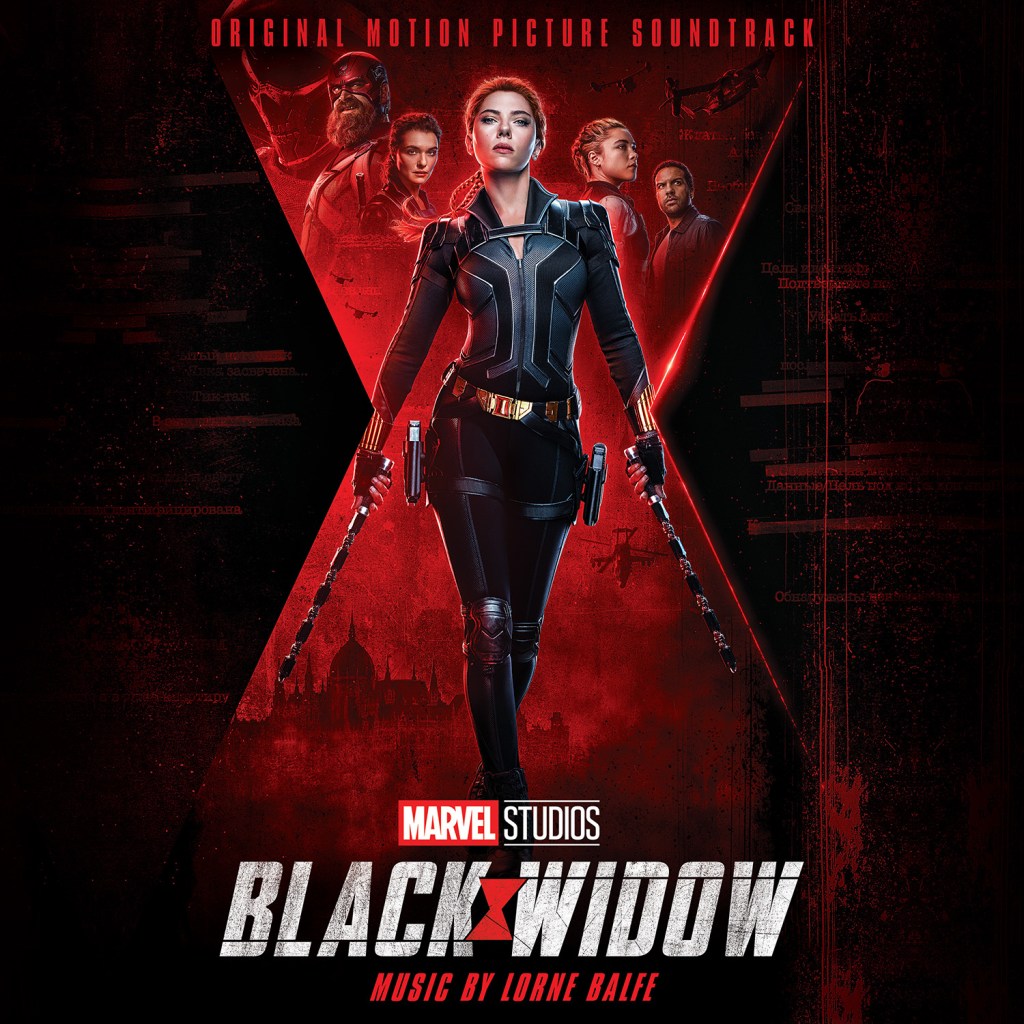
Marvel Music/Hollywood Records has released the digital soundtrack from Marvel Studios’ Black Widow.  The album, featuring an original score composed and produced by Lorne Balfe (“Mission: Impossible – Fallout,” “The Crown”), is available here.  Executive Soundtrack Producers are Cate Shortland, Kevin Feige and Dave Jordan.  Directed by Cate Shortland and produced by Kevin Feige, Black Widow—the first film in Phase Four of the Marvel Cinematic Universe— launches simultaneously in theaters and on Disney+ with Premier Access in most Disney+ markets.

Commenting on Balfe’s score in her liner notes from the vinyl album, Shortland said, “The score is fragile at times, embodying Natasha’s fears and her longing for connection. Her tenuous bond to the earth. But then it is completely powerful and I get cold shivers at how fun and epic it is. Lorne takes us on a spectacular ride.”

According to Balfe, from the moment he first watched the reels he felt Natasha needed a musical heritage. “I wanted to introduce the soundtrack of her story,” he said. “I listened to a lot of Russian folk music—it’s a very particular sound. This music is the ghost of the past that is always with her.” Balfe wrote folk music that helped define Natasha from a musical point of view. “The instrumental DNA includes balalaikas, duduks, dombras and hurdy-gurdies,” he said. “In addition to these instruments of that geographical place, we also needed it to have a female voice.” Balfe achieved this with a 20-piece female choir, singing in Russian. “The Russian language sounds a bit hard or aggressive, but there’s something very magical about it—something beautiful and rustic.”

Led by conductor Gavin Greenaway, the score was recorded at Abbey Road Studios with 118 musicians and a 60-piece choir, consisting of both classical and gospel, featuring 40 men and 20 women.  Balfe said, “Abbey Road has been the musical home to the Avengers Family for many years. With ‘Black Widow,’ there was only one studio in the world that could match the epic-ness of her story, and the largest orchestra ever recorded at Abbey Road seemed fit for the occasion.”

I’ve been listening and re-listening to Lorne Balfe’s soundtrack for Black Widow for a few hours and I’m continually blown away by how amazing this music is. Of course I could hear snippets of this during the actual film, but once you can listen to the soundtrack without the dialogue and other sound effects getting in the way, everything comes out that much clearer.

I admit I didn’t realize during the movie that there was this much of a choral presence in the score, but now that I can hear the choir, I love it. I normally wouldn’t think of using a choir in a superhero movie but for a character like Natasha Romanoff it absolutely works. One of Balfe’s goals was to create a Russian folk music sound and he definitely succeeded. Again, I really love how “Russian” this score sounds. Even when the story isn’t in Russia itself, the influence of the former Soviet Union can be heard through most of the story and that’s a brilliant way to use film music, by subtly reminding the viewer that Black Widow was originally a Russian asset. I can especially hear this sound in “Natasha’s Lullaby” and “Yelena Belova”. Speaking of “Yelena Belova” I really like this track because, as a theme for Yelena, I swear I hear an echo of “Natasha’s Lullaby” within it, which would make so much sense given the connection Natasha and Yelena have with each other.

And then there’s “From the Shadows”, the cue that prompted me to do a soundtrack review in the first place. This is the music that is most closely associated with Taskmaster. I’m not sure if it’s the proper theme for the character or not, but you do hear it most often when Taskmaster is on the screen. This is my favorite theme/cue in the entire film and I love how twisted it sounds. I’m referring to that melodic turn on what sounds like a cello. That’s the sound that I hear whenever Taskmaster is hunting down an opponent (or is on the move in general). Given what we learn about that character, it fits perfectly and I like how it reaches out to grab your ear despite everything happening on screen at the same time.

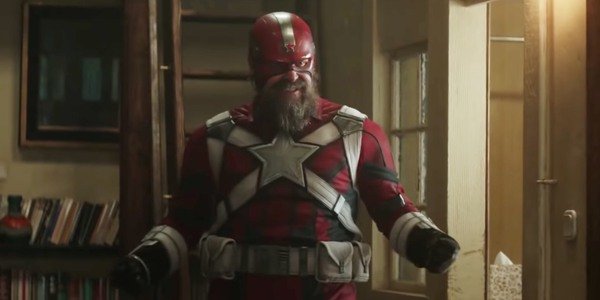
One other thing I liked is the contrast Lorne Balfe creates between his action cues. There’s plenty of action, of course, but there’s also slower moments in the music, particularly during the family moments between Natasha, Yelena, Red Guardian and Milena, and I really liked them. Moments like that give the audience a chance to breathe and there are plenty of moments like this in Lorne Balfe’s score.

This soundtrack really belongs up there with the best Marvel movie scores, it’s the perfect musical fit for Black Widow and it reminded me how good Marvel film scores can be.

Track listing
1. Natasha’s Lullaby (3:24)
2. Latrodectus (2:40)
3. Fireflies (3:13)
4. The Pursuit (2:53)
5. The First Bite Is the Deepest (3:05)
6. Last Glimmer (4:19)
7. Dreykov (3:34)
8. You Don’t Know Me (2:01)
9. Yelena Belova (3:36)
10. From the Shadows (3:44)
11. Hand in Hand (2:46)
12. Blood Ties (2:54)
13. Whirlwind (3:28)
14. Arise (2:13)
15. Natasha’s Fragments (1:55)
16. A Sister Says Goodbye (4:14)
17. I Can’t Save Us (1:51)
18. Red Rising (3:57)
19. The Betrayed (5:38)
20. The Descent (2:05)
21. Faces to the Sun (1:51)
22. Natasha Soars (2:19)
23. Last Love (1:59)
24. Into the Past (4:55)
25. Broken Free (3:09)
26. A Calling (2:10)

Let me know what you think about Black Widow (and its soundtrack) in the comments below and have a great day!

See also:

My Thoughts on: Black Widow (2021)

Film Soundtracks A-W

Become a Patron of the blog at patreon.com/musicgamer460

Check out the YouTube channel (and consider hitting the subscribe button)

Don’t forget to like Film Music Central on Facebook 

My Thoughts on: Black Widow (2021)

It feels like an eternity since I watched Avengers: Endgame in the waning days of 2019. So much has happened since then that I genuinely forgot what it felt like to experience a Marvel movie in the theater. And then I sat down to watch Black Widow (after waiting more than a year to see it) and it all came rushing back to me, that thrill that can only come from seeing a Marvel film on the big screen.

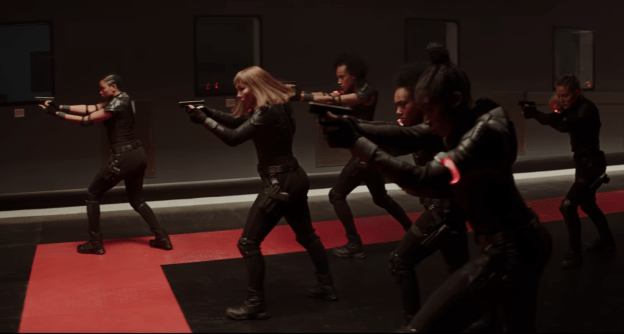
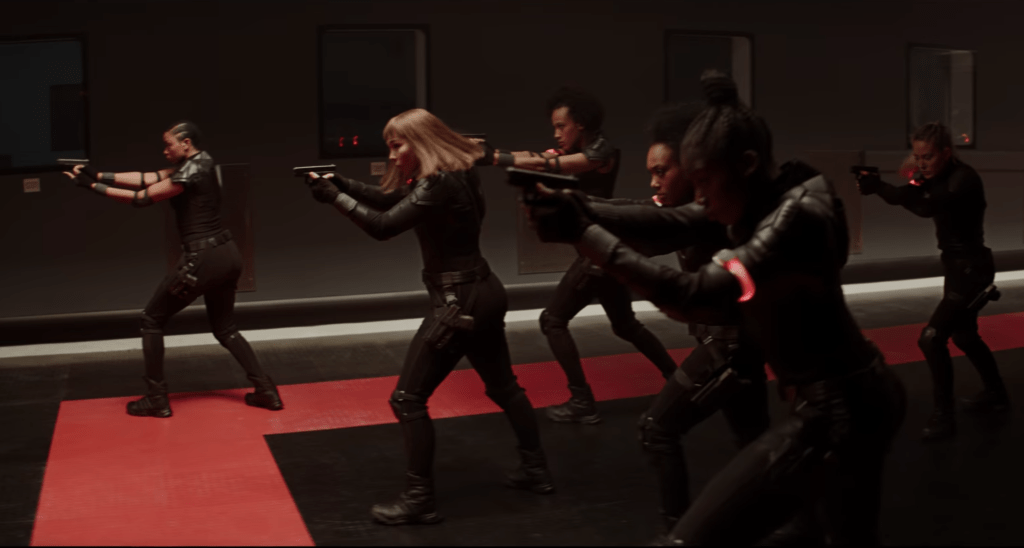
Let me start off by saying that Black Widow was absolutely worth the extended wait. Sure, it would’ve been ideal if we’d gotten this story several years ago, or at least before Avengers: Infinity War and Avengers: Endgame, but it’s made clear multiple times that this film takes place immediately after Captain America: Civil War, so I’m willing to let it go. At least we finally got a standalone story about Black Widow that takes us deep into her past, and gives us a tantalizing look at how she (and other “widows”) were trained.

If I have one gripe with Black Widow it’s that I really wanted to see more of the Red Room training that goes into creating assassins like Natasha and Yelena. We’re given, as I said, a tantalizing glimpse, but no more. Given what’s implied about this training process, that might be for the best, but I still found myself wanting more.

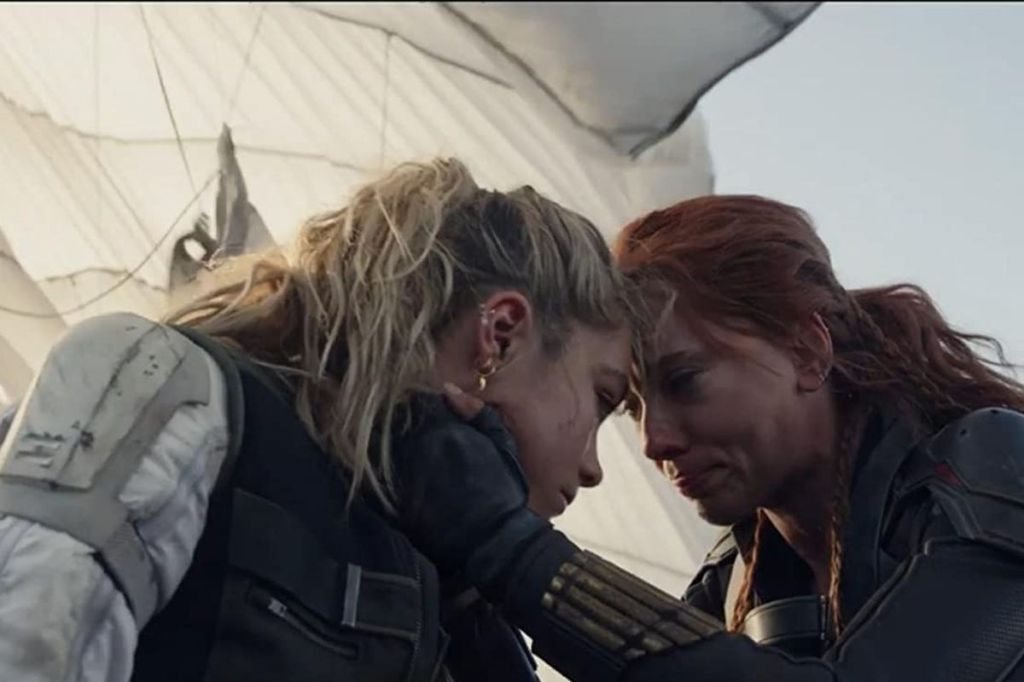
Other than that, I found myself loving pretty much everything about Black Widow. The chemistry between Scarlett Johansson and Florence Pugh is off the charts and is by far one of my favorite parts of this movie. Believe the hype about Pugh’s performance as Yelena Belova, it’s all true. I’m not sure if Yelena is going to be the new Black Widow moving forward, but I could certainly see her stepping into that role in future Marvel films and I wouldn’t complain if that indeed happened. Speaking of chemistry, I really enjoyed the interplay between David Harbour (Red Guardian) and Rachel Weisz. I would happily watch a film that explored the background of these two characters, especially anything that focused more on Red Guardian. I think we all want to see a film that explores THAT story.

Another detail I liked and one that surprised me is how many funny moments there are in this film. Given the serious topics involved, I wasn’t expecting this at all, but I really liked it, it helped to break up the tension, which is always an important element that some movies neglect. After all, if you keep things too fast or too serious all the way through, it can really grate on an audience.

And make no mistake, there are some serious issues touched on in Black Widow, particularly in regards to the treatment of women. I know what I said earlier about wishing this film had come out several years earlier, but given everything that’s happened in recent years (especially the Me Too movement) I think maybe Black Widow came out at the right time after all. The film’s main villain is one of the most disturbing and revolting to appear in the entire MCU and long before he meets his demise you’ll be begging Natasha to finish him off. Speaking of villains, for what it’s worth, I really like Taskmaster’s appearance in this film. I admit I’m not familiar with the character’s comic book origins, but I like how the character was updated for this film.

Finally, I would be remiss if I didn’t briefly mention the film’s score. Lorne Balfe has constructed some gorgeous music to go with Black Widow and what I heard intrigued me enough that a full-on soundtrack review will be forthcoming. My favorite part has to be the music associated with Taskmaster and if you’ve seen the movie you probably know what I’m talking about (my soundtrack review will provide details). And one final note: I like that the movie leaves some plot threads unresolved, because it practically guarantees that we will see some of these characters again.

In conclusion, I loved Black Widow. Marvel has returned to the big screen in style and I urge everyone who hasn’t seen it yet to go see Black Widow in theaters if at all possible, this is a movie that needs to be seen on the big screen.

Let me know what you think about Black Widow in the comments below and have a great day!

See also:

Film Reviews

Become a Patron of the blog at patreon.com/musicgamer460

Check out the YouTube channel (and consider hitting the subscribe button)

Don’t forget to like Film Music Central on Facebook

Soundtrack News: WaterTower Music Releases ‘TNT’s ‘Animal Kingdom’ Original Series Soundtrack’

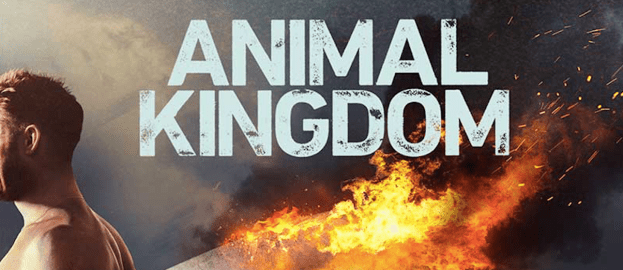
WaterTower Music is excited to announce the release of the TNT Original Series Soundtrack for the Warner Bros. Television crime-drama Animal Kingdom, composed by Alexis Marsh & Samuel Jones. The album debuted on July 9, 2021, ahead of the Season 5 premiere Sunday, July 11 at 9 p.m. ET/PT on TNT.

Composing duo Alexis Marsh & Samuel Jones began their career collaborating with rising filmmakers in Los Angeles after graduating from USC’s Scoring for Motion Pictures and Television program in 2010. Their first feature film score, for Jocelyn Towne’s I Am I, introduced a DIY aesthetic of recording and performing each instrument at their home studio while marking their emergence as songwriters and producers with the film’s main title song, ‘Chances (Gone Too Soon)’. The two multi-instrumentalists have since contributed music ranging in style from electronic minimalism to lush orchestral for feature films (We’ll Never Have Paris, Lila & Eve, Preservation, Equity, Next Gen), TV shows (TNT’s Animal Kingdom, HBO’s Sesame Street), documentaries (Ingrid, 20 Years of Madness, Looking at the Stars), art installations (Alex Israel’s KBRZ The Breeze, As It Lays) and advertising campaigns (Pinterest, Glossier, Rimowa).

Animal Kingdom centers on a Southern California family, whose excessive lifestyle is fueled by their criminal activities. When J Cody (Finn Cole) moves in with his estranged grandmother Janine “Smurf” Cody and her freewheeling sons – Andrew “Pope” (Shawn Hatosy), Craig (Ben Robson) and Deran (Jake Weary) – he quickly learns the reason he’s been shielded from them for years. Smurf and her boys make their living through carefully planned armed robberies and other criminal activities. In order to survive in this world, J must prove his loyalties to the Cody crime family.

This 19-track Animal Kingdom album, composed by Marsh & Jones, features original music selects from Seasons 1 through 4, including ‘Big Love,’ the series main title theme from composers Atticus Ross & Claudia Sarne.

Marsh & Jones comment on the show’s music:

It’s a lot of fun to translate metaphors and adjectives into music. In developing the sound of the Animal Kingdom score, the producers used words like ‘muscular,’ ‘broken glass,’ ‘jagged,’ and our collective favorite ‘bilious contempt’ – which we still laugh about five years on. Each season we’ve pushed the score into new areas of what those descriptors could sound like by using pedals, modular synths, or extreme digital manipulations to shape the sound of recorded drums, guitar, and bass.”

They continue:

“The overarching direction has always been to make it unsettling. The essential tension for us is in contrasting how successful the Codys are when they work together with how self-destructive they are when they break off from the family – how they all crave independence at various points, but then make these agonizing choices that only bind them tighter to one another. We have to balance musical elements carefully to avoid sentimentality, convey the seriousness of the situations, but also allow for moments of relief and levity so the pressure doesn’t become overwhelming.”

TRACK LISTING
1. Big Love (Main Title Theme – Atticus Ross & Claudia Sarne)
2. Julia’s Room
3. Biking
4. Cutback
5. Ms. Anderson
6. Paintball
7. New Canticle
8. 3 Of Us, 2 Of You
9. Boarding
10. I Forgive You
11. Don’t Cry
12. The Family Cut
13. Let Go
14. Tank
15. Pierce(d)
16. Into The Black
17. Bullpen
18. Didn’t Think You Had It In You
19. All Points Bulletin

See also:

Become a Patron of the blog at patreon.com/musicgamer460

Check out the YouTube channel (and consider hitting the subscribe button)

Don’t forget to like Film Music Central on Facebook 

My Thoughts on: The Loneliest Whale: The Search for 52 (2021)

I recently had the opportunity to check out a screener for the upcoming documentary The Loneliest Whale: The Search for 52 (due to release on July 9th), which follows director Joshua Zeman’s journey to locate the so-called “52-Hertz whale”, a near-legendary creature due to the fact that it appears to be the only whale in existence to call out at a frequency of 52 Hertz, giving it the nickname “the loneliest whale” because no other whales can seemingly communicate back with it.

I’d never heard of the loneliest whale before seeing this documentary, so I found the entire story fascinating. It also helped that I’ve always been interested in whales, and I’ll always take the opportunity to learn more about them if I can. This documentary will certainly teach you quite a bit about whales, particularly about blue whales (the largest whale on Earth), fin whales (the second-largest) and humpback whales. I knew of course that humpback whales could sing, but I never knew that blue whales and fin whales had their own vocalizations as well, and the documentary covers this in a way that makes it easy to understand.

The bulk of the documentary, as the title implies, follows Zeman and a crew as they embark on a seven-day expedition to look for this mysterious 52-Hertz whale, which at the time of filming in 2015 hadn’t been documented for nearly 11 years. In between tracking the expedition however, there are segments inserted that explain the history of humanity’s fascination with whales for better and for worse. The history of humans hunting whales is touched upon, along with the subsequent “Save the Whales” movement that started in the 1970s. It’s a nice way to cut up the action and prevents what could be relatively boring story about hunting for one lone whale into a story that not only follows that hunt, but tells you about humanity’s relationship with whales along the way.

That being said, while I do appreciate learning about the history of whaling and the devastating effect it had on whale populations worldwide, I did find some of those scenes to be rather distressing. I’m sure that was the idea, but if you are uncomfortable with the sight of blood and seeing carcasses cut up, some of that footage might bother you.

Now, on the side of the story that followed the hunt for the whale, I liked how they explained each step of what they were doing to try and hunt for the whale. They even included some amazing underwater footage of the sonar buoys deploying, which I found fascinating because I had no idea that’s what one looked like and it was really helpful that the documentary showed that process. But my favorite part has to be when the crew went around “tagging” blue whales and fin whales in an effort to locate the loneliest whale. And I liked it because these tags had cameras attached, so once they managed the rhythm of getting the tag attached, one minute you (the viewer) are in the air, the next…you’re suddenly riding on the back of a blue whale, the largest animal on Earth. It’s a thrilling moment, one that took my breath away and I definitely have a new appreciation for whales after seeing them up close like that.

But aside from the whales, The Loneliest Whale also touches on why we are so fascinated by this mysterious whale. There’s an interesting commentary on the nature of human relationships and how they’ve changed. The documentary could have touched on this a bit more, but it definitely provides some food for thought on the nature of human relationships and why they’re so important (and necessary) for us.

Now, the one thing that frustrates me about The Loneliest Whale is that it ends with less resolution than I would like. I know documentaries like this aren’t guaranteed to have conclusive endings, but this one’s ending definitely left me wanting more. Hopefully there will be a follow up documentary down the line, because I definitely want to hear more about this mysterious whale.

In the end, I’m very glad I got to see The Loneliest Whale. I learned a lot about whales, about our history of interacting with them, and I gained a deeper appreciation for the issues facing whales in the 21st century. This is a really fun documentary and I highly recommend checking it out.

Let me know what you think about The Loneliest Whale in the comments below and have a great day!

See also:

Film Reviews

Become a Patron of the blog at patreon.com/musicgamer460

Check out the YouTube channel (and consider hitting the subscribe button)

Don’t forget to like Film Music Central on Facebook

Soundtrack News: ‘Till Death’ Original Soundtrack Available Now

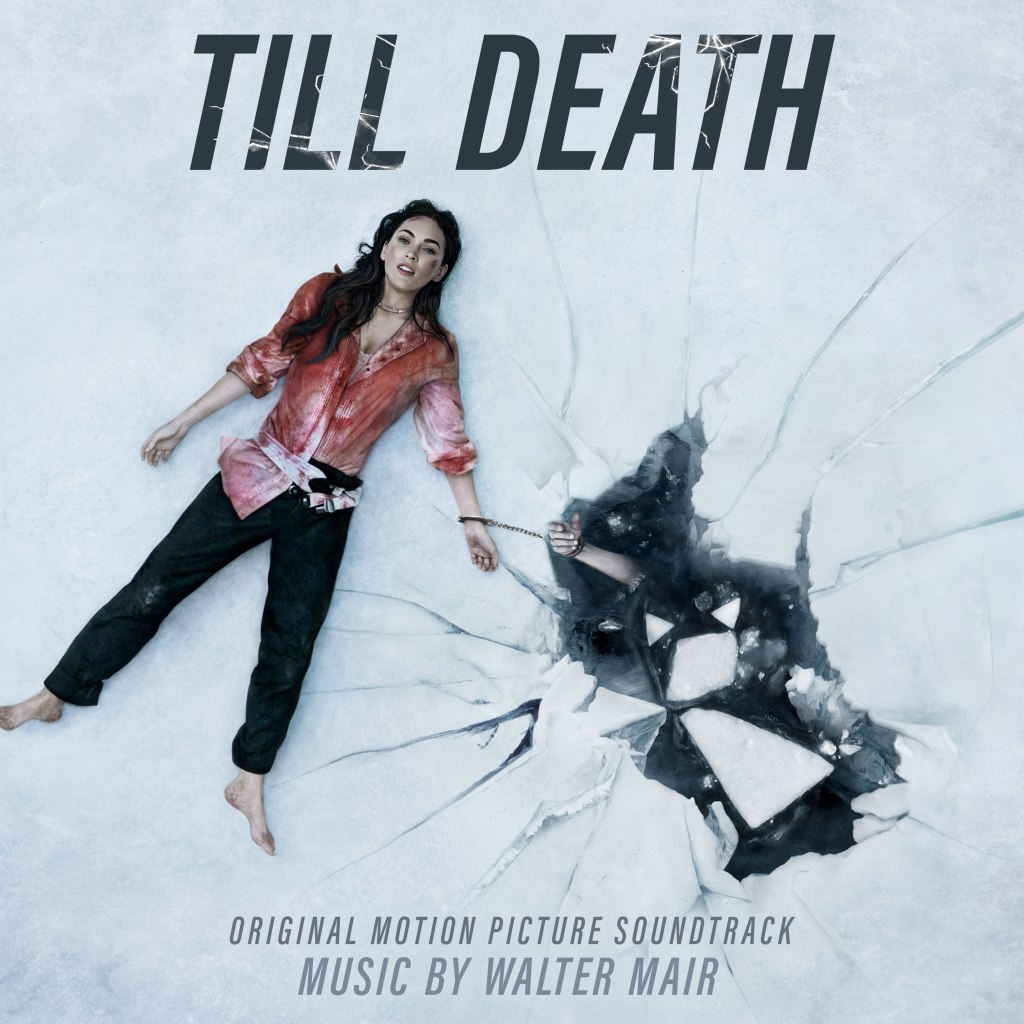
Now available to purchase and stream from Millennium Media is the chilling score by compsoer Walter Mair for the newly released horror thriller Till Death. The film stars Megan Fox is now in theaters (limited release) as well as available On Demand.

Walter Mair is an Ivor Novello-nominated and Telly Award-winning composer known for his captivating scores ranging from epic orchestrations recorded with 80-piece choirs to intimate, small ensemble and hybrid electronic pieces that have graced a diverse mix of feature films, documentaries, television dramas, narrative-driven interactive entertainment and video games. Walter scored the 2021 survival thriller Till Death, directed by S.K. Dale and starring Megan Fox, as well as the psychological horror film The Unfamiliar, which won the 2021 Telly Award for Best Original Music and an Award for Best Music Score at the 2020 NOLAHFF, and was described by the press as “the Babadook meets Pet Sematary”. Other recent projects include the coming-of-age drama Iceland is Best and the action-thriller Knuckledust, directed by James Kermack and starring Moe Dunford (Vikings), which won the 2021 Telly Award for Best Original Music.

The soundtrack features 16 tracks by Mair who elevated the score and heightened tension in the film with some unique instrumentations. A total sucker for unique instruments, Mair enjoys finding sounds that no one else has. Paired with a selection of hydrophones – instruments which in his own words “resemble the frozen world” of Till Death’s story, he commissioned the build of a bespoke instrument he calls a Contra-Hurdy. The unique Contra-Hurdy he uses in the score is a “Frankenstein instrument” combining the mechanics of a hurdy gurdy, that add pulsating and propelling movement to resonate strings, and the corpus and strings of a large contrabass, more akin to a cello or double bass, that can twist and distort sounds depending on how fast one moves the mechanical parts.

Additionally, Mair employed a foley team to record snow and ice sounds: breaks, cold pressure creaks, and freezing water – which he then pitched and detuned or even slowed down 600% to add extra layers of tension to his score using the very cold itself.

Till Death tells the story of Emma (Fox), who is left handcuffed to her dead husband as part of a sickening revenge plot and must survive two hired killers on their way to finish the job.

Track List

1. Truth Be Told
2. The Cabin
3. Wedding Dress
4. The Necklace
5. Dark Room Pictures
6. Fuel Line
7. Call the Police
8. Bobby Ray
9. Boat House
10. Don’t Be Seen
11. Emma
12. Brothers
13. No Way Out
14. Knife Fight
15. Hold Your Breath
16. Finale

See also:

Become a Patron of the blog at patreon.com/musicgamer460

Check out the YouTube channel (and consider hitting the subscribe button)

Don’t forget to like Film Music Central on Facebook 

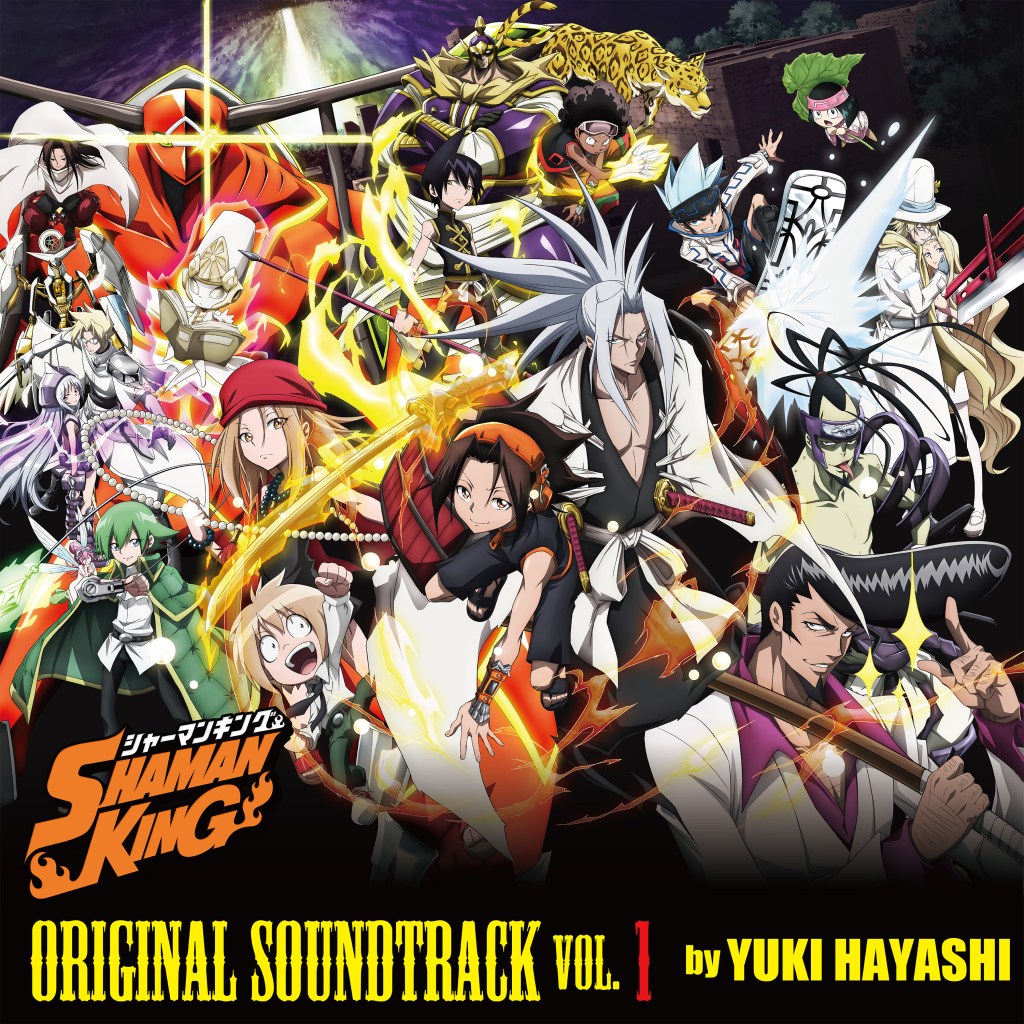
Soundtrack News: Shaman King Original Soundtrack Vol. 1 Available Now

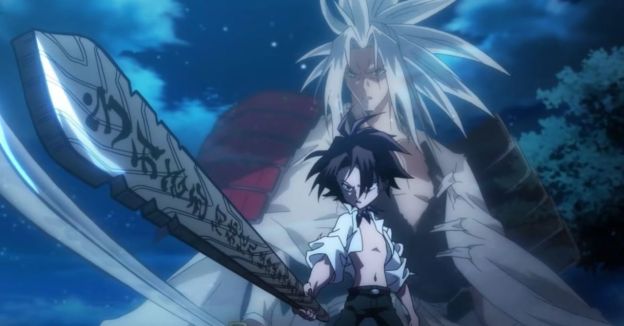
Milan Records has released the “SHAMAN KING” ORIGINAL SOUNDTRACK VOL. 1 by composer and arranger YUKI HAYASHI (My Hero Academia: Heroes RisingPretty CureStrawberry Night).  Available everywhere now, the album features music written by Hayashi for the recent reboot of the fan-favorite anime series, which will make its US debut on Netflix. 

Yuki Hayashi was born in Kyoto in 1980.  Being an active member in a men’s rhythmic gymnastics team in his early years spawned his interest in BGM while selecting songs to complement performances.  This led him to begin teaching himself music composition while at university, despite not having a background in music itself. After graduating, Yuki acquired the basics of track making under house techno DJ and sound-maker Hideo Kobayashi and started producing his first range of music accompaniments for dance sports.  His experience as a rhythmic gymnast has enabled Yuki to intuitively incorporate an eclectic range of music and produce a unique sound, empowering scenes from TV drama, animation and film.

Those called “Shamans” can interact with gods and spirits compete for the position of “Shaman King” once every 500 years in the “Shaman Fight.”  One of those shamans, Yoh Asakura, is fighting to be the “Shaman King” in this completely new TV animation. 

“SHAMAN KING” ORIGINAL SOUNDTRACK VOL. 1

TRACKLISTING – 

  1. Exalted Spiritual Fortitude
  2. SHAMAN KING
  3. SHAMAN KING (Instrumental Version)
  4. OVER SOUL
  5. Yoh’s Spirit
  6. Empathic Heart
  7. Avalanche
  8. Avalanche (Instrumental Version)

You can check out Vol. 1 of the Shaman King soundtrack from Milan Records now!

See also:

Become a Patron of the blog at patreon.com/musicgamer460

Check out the YouTube channel (and consider hitting the subscribe button)

Don’t forget to like Film Music Central on Facebook 

Into the World of Video Game Music: Talking with Composer Gareth Coker about Immortals: Fenyx Rising, ARK: Survival Evolved, Ori and more!

Just last week I had the pleasure of speaking with composer Gareth Coker about his work on a number of video games, including Immortals: Fenyx Rising, ARK: Survival Evolved, and the two Ori games: Ori and the Blind Forest and Ori and the Will of the Wisps. Gareth Coker is a British composer and producer working out of Los Angeles. He is known for his melodically driven scores, unique soundscapes, and attention to detail and execution in the application of how music emotionally relates to the gamer as they are playing. His scores have garnered numerous awards, including the Academy of Interactive Arts & Sciences Award for Outstanding Achievement in Original Music Composition, two SXSW Awards for Excellence in Musical Score, multiple Game Audio Network Guild awards. 

I had a lot of fun speaking with Gareth Coker about his work on these video games and I hope you enjoy our conversation about them 🙂

How did you get started as a composer for video games?

My first game projects, they all kind of started when I was a student at the University of Southern California. They have a film scoring and game scoring program that is quite extensive. And they do a really good job of hooking you up with a lot of students, you score a lot of short films, and you end up doing student game projects as well. And that gave me a small experience into what goes into producing a video game.

My first commercially released project was a game that didn’t do very well. And that I did for free called inMomentum, which is this hardcore virtual reality racing game. Even though the game didn’t do very well, it did give me an idea of exactly what was involved in producing and shipping a game soundtrack. My big break came from doing a lot of these student game projects. Eventually, the director of the Ori games found me on a website which I was using, and he listened to one of my tracks and thought it might work for the game. And we ended up connecting. And obviously, here we are two or three games later, and several other things later. But at the beginning, I did a lot of small projects and got as much experience as possible.

In general, what’s your process for scoring a video game? I’m sure it varies from one title to the next, but in general what does the process look like?

Generally speaking, and I’m different from other composers, I like to play the game as much as possible while I’m working on it. I think that’s no different conceptually to a film composer watching the film in an early edit with late writers and how things change, games are built in a similar way. The reason I do that, I need to know exactly what the player is going to be experiencing in terms of the moment to moment gameplay. How can I possibly do my best work if I don’t know exactly what the player is experiencing at that moment, especially if the game is trying to tell a story.

You think about a film. You know how the film is going to play out every single time you watch. But you could play the same game three or four times and it might play out slightly differently. So what I’m looking for, it’s the equivalent of spotting in films. Where does the music start? Where’s the music moment? Games have that too. But the difference with games is that music might not change in exactly the same place each time. So what I’m looking for are the best possible points to change the music in a way that isn’t distracting to the player. Because to me, that would break the immersion of the story. But I can only do that if I’m playing the game and understanding exactly what the the player is going through. And it’s from there that pretty much all of my decisions are made.

There are three aspects to the music production process. For me, playing the game allows me to get a feel for the tempo and rhythm of the game. I believe that every single game has a basic tempo and rhythm. If we compare two shooter games, there’s HALO, one that I’ve worked on, and it’s pretty well-known, and compare it with Doom, which I didn’t work on, but it is also a shooter. However [Doom] has a completely different tempo and speed to [HALO]. If you compare the two games and put them side-by-side, you’d recognize that these are the same genre of game but the tempo and rhythm is completely different. If you listen to the music [for each game], the tempo and rhythm and purpose of the music is also very different. So that’s one of the first things, that’s what playing the game gives me, an idea of the flow, and the rhythm and tempo of the music.

The next part, and this usually happens later on in development, but visuals become more established for me to help define instrumentation, and the palette, what instruments we’re going to use, what’s the orchestration going to be? Do I want to use anything a bit more esoteric or want to use any world instruments. All of that, for me is informed by the visuals.

And then of course, the last part is character themes, or story themes and melodic themes. And ideally, you’ve established these fairly early on, so you have your character themes, the instrumentation, and then the tempo, and combining those three pillars, then you can hopefully produce an effective score.

So you would be scoring to gameplay footage as much as possible, then?

Yes. So my process is that I will play the most recent version of the game that I can get hold of that is stable and record myself playing it. I then import that into my music software and I write to that, and I simply keep going until I feel like I have something that works well for me. I also make sure that I have the sound effects and no music, obviously. But I have the sound effects so I can get an idea of how busy the sound effects might be, so I I’m not competing in certain areas of frequency ranges. If we take Ori as an example, there are several different environments in the game. In the first game [The Blind Forest], there’s the volcano environment, it’s obviously going to sound completely different to the frozen environment. They’ve got different sound effects, ambiences and different monsters, etc. But for each one, I just bring them into my music software, and I write to it, and I just keep going until I feel the music works for me. And then we put it into the game almost immediately, and I can get instant feedback from the team to see how well it’s working with gameplay.

At what point in the game’s development are you usually brought in to create the score?

It depends on the developer. I think the game’s composer needs to be brought on earlier, especially if you’re telling a story. In a game, the gameplay mechanics and the rooms are generally built alongside the story because the story needs to work with gameplay. And so that means the story can be rewritten very, very late [in development]. In the case of the second game, we made some story changes four months before the game released, not huge changes, but still a change which had some impact on on the narrative. And I’m very glad we made the changes. But that means you need to have a little bit of flexibility. The reason why I like being involved early is because sometimes decisions that I make with the music can actually impact the story in small ways, because it affects the storytelling. For example we might do a cutscene really early, and they might like the music for the cutscene.

Or we could use that again, somewhere else in a different emotional scene or something like that. It’s much more freeform than film or television or any any linear format, there’s a lot of back and forth, which can be quite difficult to manage, because things are constantly changing. But the earlier you’re bought on, it means that when you get to the end of a project, you basically know the entire game inside out. When you consider how long games are these days, even a short, triple A game is 10 to 12 hours. Sometimes they last much, much, much longer, like 40-60 hours.

So I think that when it comes time to push the accelerate button at the end, in your last year of development when you just need to write a lot of music, if you know the game inside out, you’ve kind of made all of those decisions in the two or three years prior. In the case of both Ori games, I was working on them for four years each, I wouldn’t say I was working on them full time because they’re broken up to give me the space to come in and out of the project as it was being made. I stayed familiar with it. But then as I needed to accelerate, I knew the game really well by the end, so I could just crank out the keys.

For Immortals Fenyx Rising, excluding the DLC, what was your approach for scoring the world of that game? Was any of it based on what real music from ancient Greece sounded like or were you going for a fantasy version of ancient Greek music?

It’s definitely a fantasy version of that world. When you look at [Immortals: Fenyx Rising], it’s so colorful, it’s very exaggerated, going all-out authentic would not work. It would just be too serious for the game. And if you’ve seen any footage of the game and seeing how the characters interact with each other, it’s not taking itself very seriously. It’s meant to be fun. So that gives me room to have fun with the music. That said, I wanted to make sure there was some aspect of ancient Greece in it.

To that end I had several lyres commissioned and built from scratch for me. I also bought another ancient instrument, an aulos. And that sound [of an aulos], it’s one of the most horrendous sounding instruments I’ve ever heard. It’s a really ugly sound. But it was perfect for this section of the game set in the Underworld. So I wanted to make the aulos work in a setting that sounds like the perfect mystery instrument, but I can’t have it sound like it would be played in ancient Greece. So my philosophy with the aulos was, let’s take these sounds, produce them in a modern way to kind of take the edge off and make them a bit more accessible to an audience that is probably going to be playing this game.

But then the other aspect of Immortals is that this is a fantastical game about gods doing very, very epic stuff. And it’s not taking itself seriously. We’ve got the orchestra element and the style I would say is as if we were doing Greek mythology crossed with Fantasia and maybe a bit of DreamWorks.

For the Myths of the Eastern Realm DLC, what is the big difference between using Qin dynasty instruments as opposed to Tang dynasty instruments for the music, as I see the difference is noted.

I mean, first of all, the two dynasties themselves are completely different time periods. I think there’s about 800 to 900 years between them. The Qin Dynasty was from 221 to 206 B.C.E and the Tang Dynasty was from 618 to 907 CE. So many of those instruments [from the Tang Dynasty] didn’t exist in the Qin Dynasty.

So the most ubiquitous instrument that is heard, in literally every Hollywood Chinese themed soundtrack ever is the Chinese violin, the erhu. It’s completely saying, hey, we’re in China, let’s play the erhu. Though you can’t actually use that because it wasn’t around [in the Qin Dynasty]. So I thought this was great because this means I have to do a bit of research. But honestly, they did the research for me, they gave me this amazing list of instruments to use. This is an instrument that is used commonly in modern media but it didn’t exist in the Qin Dynasty. And this is an instrument that is less common, this instrument is never used in modern media. And this is an instrument that didn’t exist during this time period. So the studio was immensely helpful with doing music research, but honestly, it was a learning experience for me, because I thought, wow, there are actually so many different kinds of Chinese music and traditional Chinese music within. One of the things that Hollywood often does is they really like to pare it down to the bare essentials.

For example, how many times have you seen a movie where we get a panning shot of Paris, and then an accordion plays. I understand why they do that, because of the stereotypes and tropes, it’s a thing. But, it’s kind of what I was talking about, we’re going to make it authentic. Let’s at least get the right instruments, let’s get the authenticity and we can still produce it in a modern way. So it was nice, just going that little bit of an extra mile. And not having the erhu makes it sound like its own thing rather than just every other Chinese soundtrack. And funnily enough, if you compare it to my Minecraft Chinese mythology soundtrack, which is set during the Tang Dynasty, you can literally hear the difference. It’s night and day between the two.

Given the role dinosaurs play in ARK: Survival Evolved, I’m surprised more of the music doesn’t appear to focus on the dinosaurs. Was any of it written specifically with the dinosaurs or other prehistoric beasts specifically in mind?

For the original ARK game, the soundtrack came out in 2017, and most of that is combat music for when you’re facing other humans in your territory. The dinosaurs are a feature of ARK, but you can contain them and make them part of your army. So, [with the game and music] it’s less about discovery and more like you can build your own dinosaur army. It’s less Jurassic Park and more “Oh wow, I can ride my own dinosaur.” That’s the difference.

And you have to remember this is an unscripted multiplayer game, which means any footage you’ve seen is unscripted, which means it can result in some truly wild things happening. There’s no limit to the game, but the music is really designed to not convey the wonder of dinosaurs, but actually the awesomeness of controlling a dinosaur army.

Generally speaking, the music that was done for the early part of the game was really just geared towards combat. Now moving forward, that’s going to change particularly with the animated series (author’s note: ARK: The Animated Series is scheduled to premiere in 2022). And so now it’s like, oh, my goodness, I get to write all of the music that I wanted to write for the base game. Because the game doesn’t need that. Because you start the game and you could literally run into a dinosaur within 20 seconds and be wiped out. So the early focus was on combat and survival.

With the TV show, we’ll definitely be exploring some of the other aspects of dinosaur music and the sense of wonder that one would have when encountering them for the first time. And yeah, I’m looking forward to seeing people’s reactions to the TV show, because it has an unbelievable story, which a lot of people don’t fully uncover, because it’s quite a grind to experience the full story in the game. I think my hope is that the animated series kind of condenses the story into into a format that people can digest that would be a really good companion for the game. But also, I think it will stand alone, because the story is so unique. It’s also a new format for me, because I’ve never done a TV series before. And it’s also one of the rare occasions where the game composer actually gets to do the TV show [adaptation].

I know you can’t discuss anything overly specific but, I do have a general question about ARK II, which I understand you’re working on now. In general, what’s it been like returning to the world of ARK? Will the new game’s score be based on the first game or do you start from scratch?

That’s a really good question. So we’ve already shown one trailer of [ARK II]. And if you watch the trailer, it’s an incredibly primitive setting. And there’s ARK Genesis 2 also, which is the final expansion for the first game. If you compare the two settings, ARK Genesis 2, which is the expansion that came out three weeks ago, it’s very futuristic, very sci-fi, for reasons that the game story will reveal. And then ARK II is completely primitive. So going back to the music, we were building on the ARK world and the ARK universe, but you can take just from the visuals, that it will probably be a very primitive sounding score. And a lot more violent. Whereas ARK I is about, “Where are we, it’s a sense of adventure. Oh, I contain dinosaurs,” ARK II is more, “Oh my goodness, this world is harsh.” And everything is very primitive. So it’s more taking what we have and expanding on it. And also trying to give it a different feel where ARK Genesis 2 gave the ARK world a sci-fi feel, ARK II is going to dive into some very, very primitive sounds. I’m doing research on the oldest sounding instruments that I can possibly find.

So unlike Immortals Fenyx Rising and ARK: Survival Evolved, the Ori games are platformer games. Does that format change how you score the game at all, compared to other open-world games you’ve worked on?

It’s funny because Ori is a platformer, but it is also quite open, you can explore quite extensively. The difference is you’re on a 2D plane as opposed to 3D. So you’re always limited to what you can see on screen. And that actually makes it a bit easier. Remember what I was talking about earlier, I play the game to see how the game flows and where music can change. It’s actually easier because there’s less going on, on the screen. So I can be much more granular and specific about what’s going to happen where, but fundamentally the approach is still the same. I play the game, I figure out the tempo, I figure out the rhythms, then the artwork comes in and I choose all the different instruments. And you have a set of themes, Shriek the villain has a theme, all the peripheral characters have themes, and it still gets put together in the same way. It’s all about just finding what clicks with the game in terms of the music, and the only way I know is just to play the games. But I think Ori was the first game where I figured out that was the approach that worked best to me.

What was the inspiration behind the overall sound of the Ori games? It’s a very different sound from the Immortals game and ARK: Survival Evolved and I was curious how you came up with it.

The game has an incredibly unique art style, it’s hand-painted. There’s also the general tone of the game. Other than the truly epic moments, of which there are a handful in each game, it’s generally quite a soft game in comparison to Immortals and Ark, which are, as you know, blood and thunder all the way. And, one thing I found with the Ori games, is that music gives you a little bit of space. It’s difficult to describe, but there’s got to be space in the music to invite you into the world, there’s always going to be something that keeps you hooked in. So most of the Ori music that you hear when you’re exploring the environment, it’s these soft, beautiful, ethereal beds of sound. There are two constants in the exploration music. One is like a gentle motor or rhythm constantly in the exploration music. The reason for that is it’s a platform, and you’re always constantly moving, those little footsteps are constantly pitter pattering away. And the music is designed to push the player forward, because in a platform game, you really always should be moving, you’re generally not standing still in a platform figuring out where to go next.

Now the other thing that you hear on top of that, there’ll always be some kind of melodic element in the exploration music. But the melodic element comes in and out in an exploration track there. And that kind of draws the ear in. If it’s there for too long, then the ear gets tired of it and it starts to distract from the overall gameplay experience because we’re throwing so much at the audience, it’s sensory overload. With new visuals, you pick up a new ability, and you want to try that out. Or now you’ve got to fight a monster. And I don’t want to be throwing too many things where the melody comes in just often enough to keep the music interesting to listen to, and then it goes away. And then you hear a new texture or a new instrument.

A related question, and similar to the one I asked about ARK II, is the music for Will of the Wisps directly connected to the music you created for The Blind Forest or is this wholly new?

So the main connection was with the main theme. I mean, we learned pretty quickly that the main theme is key. I don’t want to compare myself to the great man [John Williams] but if I didn’t use the main themes of the first game it would be like Star Wars not using the main theme for the title role. You like that the main theme was so popular from the first game, so when you started the second game, it’s a new arrangement of the main theme, but it’s still very definitively the main theme from the first game. But other than that, it still feels like Ori but what the comparison I like to make is in the first game, he’s naive, he’s just being born, he’s discovering this world and everything is brand new to him. So it’s kind of a naive, much more gentle sounding score, and it’s got a unique charm, whereas in the second game, Ori’s grown up, and he’s discovering his true purpose in the world.

And what I like to say about the second game is it’s not just Ori that’s grown up, Moon Studios, the developer has grown up into a more mature studio, the themes of the game are more mature. And honestly, myself, I would say I grew up as a composer too. If you compare the two soundtracks, it’s very clear that one is more mature than the other. That doesn’t mean to say that the first soundtrack is not as good, it’s just very different. And it’s funny because I probably wouldn’t write Ori and the Blind Forest the same way, in 2021 that I did in 2014. I’m a different person now. We’re always developing. I think that was it, because that was my big break. And it was the studio’s big break. And we were just kind of figuring it all out as we went along, much like Ori is in the game. So I think there’s that unique synergy and that same unique synergy happened on the second game, because we knew what we were doing. And that led us to be able to better tell the more mature themes in the game, because we were more confident in our storytelling.

I had a great time during the sequel, because it did allow me to explore some of the things that I’d established in the first game as well, and add a little bit more to them. And also developing the main Ori theme just a couple more times, especially in the final scene. The final key scene of the game is really a recap of all the core themes in the game in the space of about three and a half minutes. It actually kind of wrote itself, because I thought, well, everything’s here, I just need to put it in the right order. So it matches and the end of the game was quite fun. Literally, the last vocal notes are pretty much the exact same ones as “Ori Lost in the Storm” from the very first game.

I had an amazing time speaking with Gareth Coker about his work on these amazing video games and I hope you enjoyed reading this interview. I want to say thank you to Gareth Coker for taking the time to speak with me and I hope everyone has a great day!

See also:

Composer Interviews

Become a Patron of the blog at patreon.com/musicgamer460

Check out the YouTube channel (and consider hitting the subscribe button)

Don’t forget to like Film Music Central on Facebook 🙂

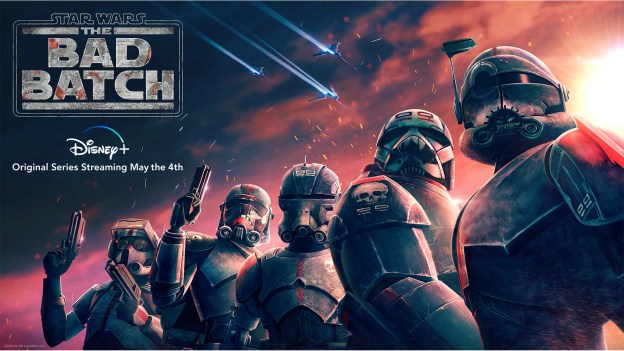
Soundtrack News: Star Wars: The Bad Batch Volume 1 (Episodes 1-8) Available Now

Star Wars: The Bad Batch, Volume 1 (Episodes 1-8) is now available from Walt Disney Records. Star Wars: The Bad Batch debuted on May 4, with new episodes releasing each Friday, streaming exclusively on Disney+. Award-winning composer Kevin Kiner composed and produced all 37 tracks on Volume 1Star Wars: The Bad Batch, Volume 2 (Episodes 9-16) is set for release on August 20.

Honored with multiple Emmy and Annie nominations, as well as 12 BMI awards, Kevin Kiner is one of the most versatile and sought-after composers in Hollywood. In creating intimate soloistic guitar music over the grim realities of the Juarez Cartel, to grand orchestral music for a galaxy far, far away, Kevin’s wide musical range has allowed him to take on such diverse projects as Netflix’s hit series “Narcos: Mexico,” “Star Wars: The Clone Wars,” Showtime’s “City on a Hill,” AMC’s “Hell on Wheels,” CW’s “Jane the Virgin,” CBS’s “CSI: Miami,” and Netflix’s “Making a Murderer.”

Kiner said of The Bad Batch:

I hope you enjoy our latest installment of Bad Batch cues from season one. Bad Batch continues to add to some of my favorite themes I’ve written for the Star Wars universe, most likely because many of these are co-written with my sons Sean and Dean (Omega’s Theme especially)! Some fun stealth music is in here with a bit of an homage to ‘The Dirty Dozen,’ or ‘The Guns of Navarone.’ I played the solo guitar viol instrument on ‘Zygerrian Camp.’ Also, check out Cad Bane is back!!!  May the Force be with you.

The series follows the elite and experimental troopers of Clone Force 99 (first introduced in Star Wars: The Clone Wars) as they find their way in a rapidly changing galaxy in the immediate aftermath of the Clone War. Members of Bad Batch, as they prefer to be called — a unique squad of clones who vary genetically from their brothers in the Clone Army — each possess a singular exceptional skill, which makes them extraordinarily effective soldiers and a formidable crew. 

Track List

1. Logo (Star Wars: The Bad Batch) (0:19)
2. Omega’s Theme (2:58)
3. Civil War About to Begin (3:21)
4. Onderon (3:06)
5. Battle Simulation (4:46)
6. Experimental Tactics (2:34)
7. Omega Warns Hunter (2:34)
8. Caleb at the Cliff (3:01)
9. End of the War (3:17)
10. Tension with Crosshair (3:54)
11. Disobeying Orders (4:52)
12. First Time in Space (2:07)
13. Nexu Attack (1:57)
14. Raising Kids (3:31)
15. Smuggled Themselves (4:47)
16. Ordo Moon Dragon (4:24)
17. First Elite Squad (3:56)
18. Financial Incentives (3:23)
19. Danger at the Market (3:13)
20. Pantora Chase (3:13)
21. Fennec Shand (2:40)
22. Zygerrian Camp (3:22)
23. Muchi Unchained (2:58)
24. Monster Challenge (2:26)
25. Decommissioned Factory (4:25)
26. Police Droids (3:36)
27. A Diversion (3:31)
28. Stranger at the Bar (1:27)
29. To Bracca (2:32)
30. Stay Above the Water Line (3:02)
31. Chip Disorders (3:34)
32. Bomb Disposal Training (2:46)
33. Incoming Vessels (2:26)
34. Fight in the Artillery Room (2:44)
35. Breakaway Plan (3:50)
36. The Bounty Hunter Is Back (2:29)
37. Cid’s Jukebox Mix Vol. 1 (4:48)

You can check out the first installment of the Star Wars: The Bad Batch soundtrack now!

See also:

Become a Patron of the blog at patreon.com/musicgamer460

Check out the YouTube channel (and consider hitting the subscribe button)

Don’t forget to like Film Music Central on Facebook 

My Thoughts on: F9 (2021)

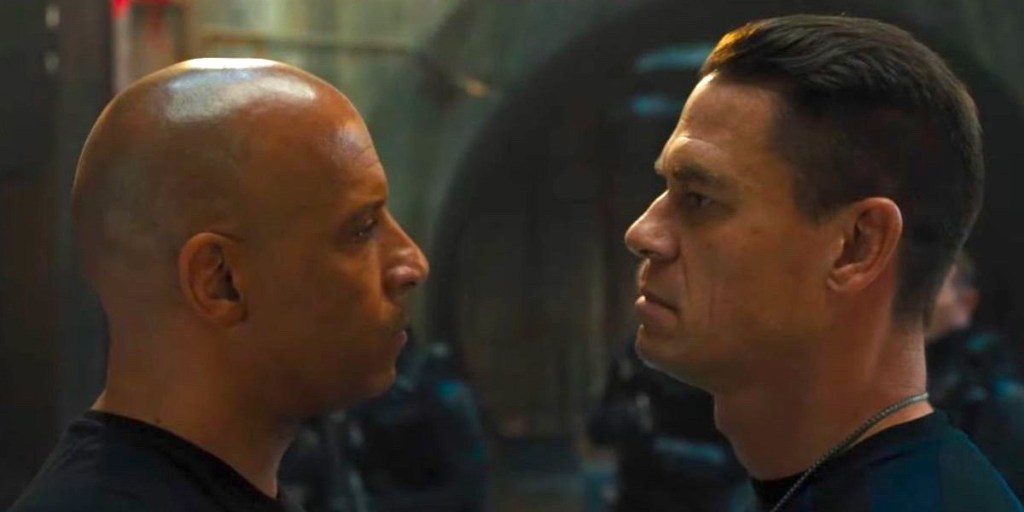
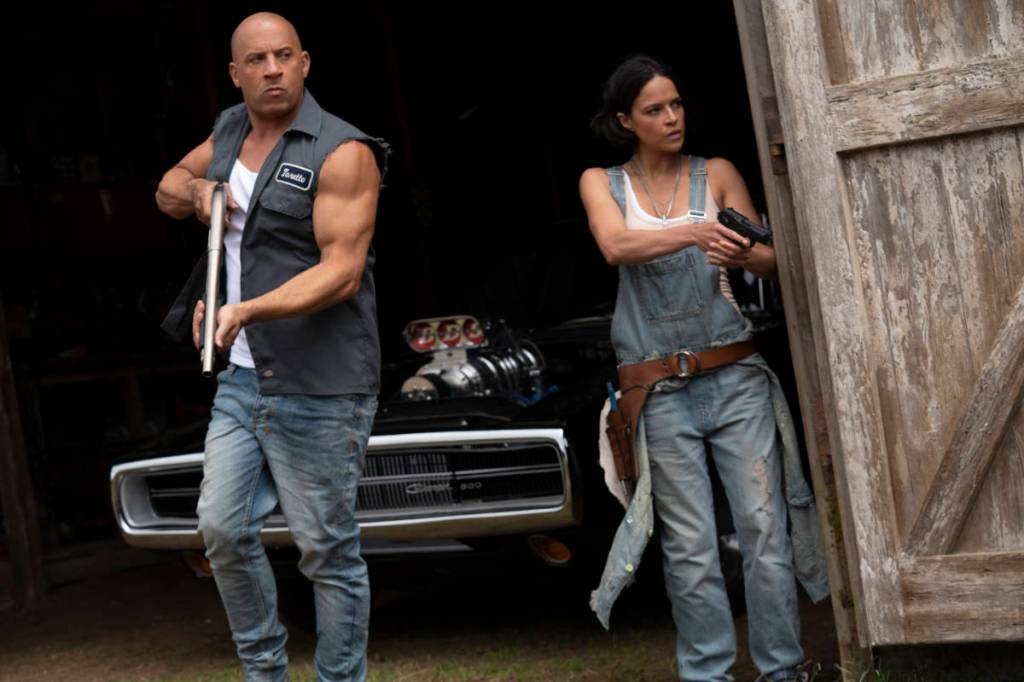
After being delayed for about a year, I finally got to go and watch F9 in theaters. This is the first mainline installment of the Fast & Furious series that I’ve seen in theaters since Fast Five in 2011 (Hobbs & Shaw is a spin-off and therefore doesn’t count). After the epic display that was Fate of the Furious, I was very excited to see F9, especially as it revealed two earth-shattering bombshells. One: Dom has had a younger brother this entire time and we’re only just now meeting him and two: Han is still alive! With these two twists alone I was more than eager to see how the film would go about explaining them.

Well….I have good news and bad news. The good news is, the film DOES do a pretty adequate job of explaining how Dom has had a younger brother this entire time AND how Han didn’t die like we thought he did. The bad news is how the film goes about it. A decent chunk of this 2 1/2 hour film is devoted to lengthy flashbacks explaining both of these stories. It’s not that the flashbacks aren’t well done, they’re actually quite good. The thing is, if a film has to jump through this many hoops to explain its current plot…then something has gone sideways somewhere along the way. Perhaps I can explain the issue best if I say that F9 has to try way too hard to explain the existence of Jakob Toretto and Han’s not-being-dead. It doesn’t help that we’re meant to believe that John Cena is Vin Diesel’s younger brother. I tried to believe it, I really did, but it doesn’t quite work, though I will give everyone involved credit for trying.

That’s not the film’s only issue either. After five straight installments of upping the action to another level, F9 finally went too far by going to space. The entire submarine sequence in Fate of the Furious was more believable than this. There is now literally no way for the tenth and eleventh installments (more on those later) to raise the action to another level now without looking absolutely ridiculous. I mean how can you possibly top going to space?? You can’t and that’s going to be a problem down the line.

Also, there’s something about how the whole story is put together that bothered me. And after thinking about it for a while, I think I know what it is. See, at this point I’m used to the Fast & Furious movies jumping around to exotic locales, which F9 does plenty of. But there’s so much jumping around that it dawned on me that the film overall feels very disjointed. So even if most of the individual sections are good (or at least okay), taken together as a whole, it’s rather uneven in many places. I will say I loved the scene with Helen Mirren and Vin Diesel, it was delightful from beginning to end.

One more thing that bothered me: your experience of this film will most definitely suffer if you haven’t seen the early installments of this series. In particular, if you (like me) have yet to see The Fast and the Furious: Tokyo Drift, then one whole section of this film is going to make little to no sense to you. I get that they wanted to do a callback, but this one goes so far back it might go over a lot of people’s heads.

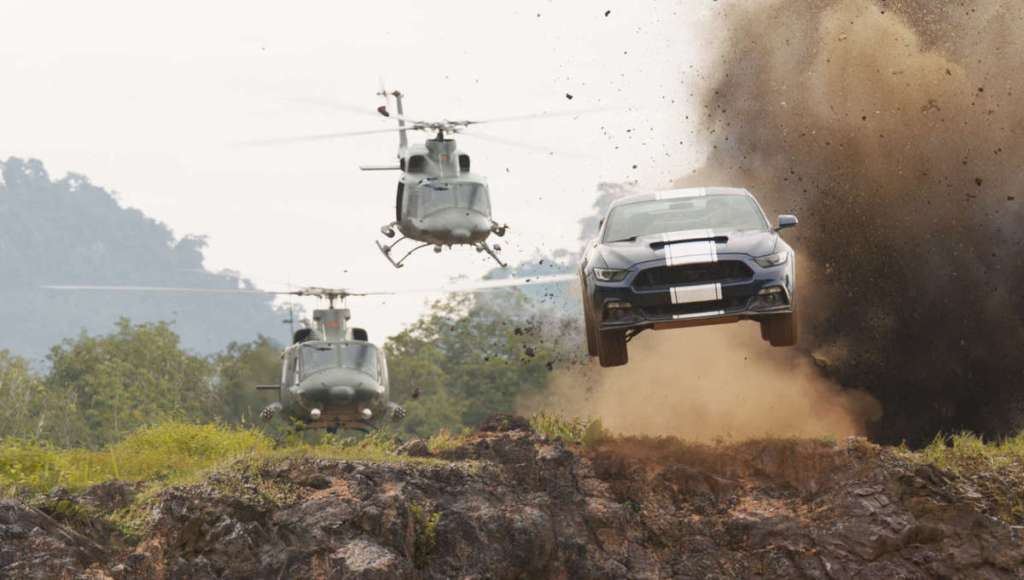
Now, with all that being said, I still can’t say the film was terrible because I did enjoy quite a few moments in it. Cipher (Charlize Theron) in particular was a delight to watch, though I do wish her character had gotten more screen time given her current importance to the story. There’s a lot of really good funny spots scattered throughout and the car chases, as always, were the best part of the movie (that stuff with magnets that gets teased in the trailers is just as good as it looks, trust me). This definitely isn’t the worst film I’ve ever seen, though it probably is the weakest entry in the Fast & Furious franchise to date (yes, even weaker than Hobbs & Shaw).

The thing that really gets me is, I don’t see how they can keep the story going for another two entries, I really don’t. This film had the perfect opportunity to kill Cipher off once and for all, wrap everything up in a neat little bow and give our heroes their happily ever after. And I don’t know how it will be in other theaters, but when it was revealed that, spoiler alert, Cipher wasn’t dead, I swear I heard a soft groan in the theater as we all realized the same thing: the ultimate villain lives, this story will continue. Of course I want to see Cipher get what’s coming to her after everything she’s done, but really what more can they do?? As much as I love the Fast & Furious films, they’re getting dangerously close to wearing out their welcome by dragging the story on for too long. No franchise, however good, can last forever, and F9 is proof that you can drag a story too far and make it not as good as it might have been.

Again, I can’t say I hated F9, but it was not as good as I thought it might be. John Cena is an adequate addition to the story, but he’s not the Rock and I hate that he and Vin Diesel had a falling out because Hobbs’ presence was sorely missed in this story, at least by me. If you’ve stuck it out this far with this franchise, then you’ll likely find stuff to enjoy in F9, just don’t raise your expectations too high.

Let me know what you think about F9 in the comments below and have a great day!

See also:

My Thoughts on: Fast Five (2011)

My Thoughts on: Furious 7 (2015)

My Thoughts on: The Fate of the Furious (2017)

My Thoughts on: Fast & Furious Presents: Hobbs & Shaw (2019)

Film Reviews

Become a Patron of the blog at patreon.com/musicgamer460

Check out the YouTube channel (and consider hitting the subscribe button)

Don’t forget to like Film Music Central on Facebook

My Thoughts on: Who Are You, Charlie Brown? (2021)

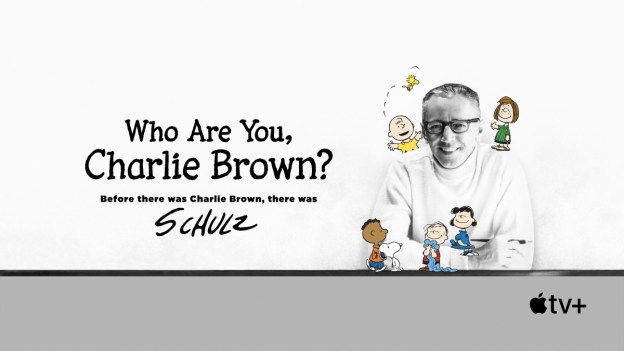
I was delighted to receive the opportunity to screen Who Are You, Charlie Brown? ahead of its June 25th release on Apple TV+. This is a documentary that takes a fresh look at the life and legacy of Charles Schulz, the creator of Peanuts and everyone’s favorite lovable loser, Charlie Brown.

One detail that really drew me into Who Are You, Charlie Brown? is that this isn’t a straight up documentary. While we spend plenty of time listening to well-known figures recounting their love and recollections of iconic Peanuts moments and characters, as well as numerous archival clips of Schulz recounting his own experiences, the entire thing is woven around a newly made Peanuts cartoon, where Charlie Brown has to deal with the seemingly monumental task of writing a 500 word essay about who he is. As the documentary takes us through Peanuts history, Charlie Brown revisits some of the most iconic characters and locations seen throughout the history of the comic strip: the baseball field, Lucy’s psychiatric help desk, Schroeder and his piano, Linus standing by the brick wall, Snoopy and his fight with the Red Baron, and so on. As Charlie Brown comes to understand who he is, we also come to a better understanding of who Charles Schulz was, and gain a greater appreciation for Peanuts at the same time.

As a lifelong fan of Peanuts, I already knew a lot of the information presented in this documentary, but I didn’t know a lot about the cartoonist’s early years, and this period was covered in touching detail. With added input from the artist’s widow, you really get a feel for how Charles Schulz grew into the man who gave us some of the most iconic cartoon characters to ever exist. We actually get to hear quite a lot from the man himself from clips taken from over the years of his life. It was quite touching to see so much of Schulz, given that he’s been gone for 21 years (a day I’ll always remember because that was the day the last Peanuts strip was published).

On top of all this, what really brings this documentary together for me is the great music from Jeff Morrow. It to be extremely difficult to write music for a series that features some iconic pieces from Vince Guaraldi, but Morrow really pulls it off. The music throughout sounds like it came straight out of the world of Peanuts and he makes sure to cite some of Guaraldi’s greatest hits along the way.

While not nearly as long, Who Are You, Charlie Brown? reminded me in all the best ways of the 2018 Fred Rogers documentary Won’t You Be My Neighbor? because it gives insight into a beloved creator (in this case Charles Schulz) and we get to hear from a number of people who talk about Schulz and his work on Peanuts.

Who Are You, Charlie Brown? is available exclusively on Apple TV+ as of June 25, 2021 and I highly recommend checking it out, it was a lot of fun to watch.

Let me know what you think about Who Are You, Charlie Brown? in the comments below and have a great day!

See also:

Film Reviews

Become a Patron of the blog at patreon.com/musicgamer460

Check out the YouTube channel (and consider hitting the subscribe button)

Don’t forget to like Film Music Central on Facebook