Music for Digging into the Past: Talking With Stefan Gregory about Netflix’s ‘The Dig’ (2021)

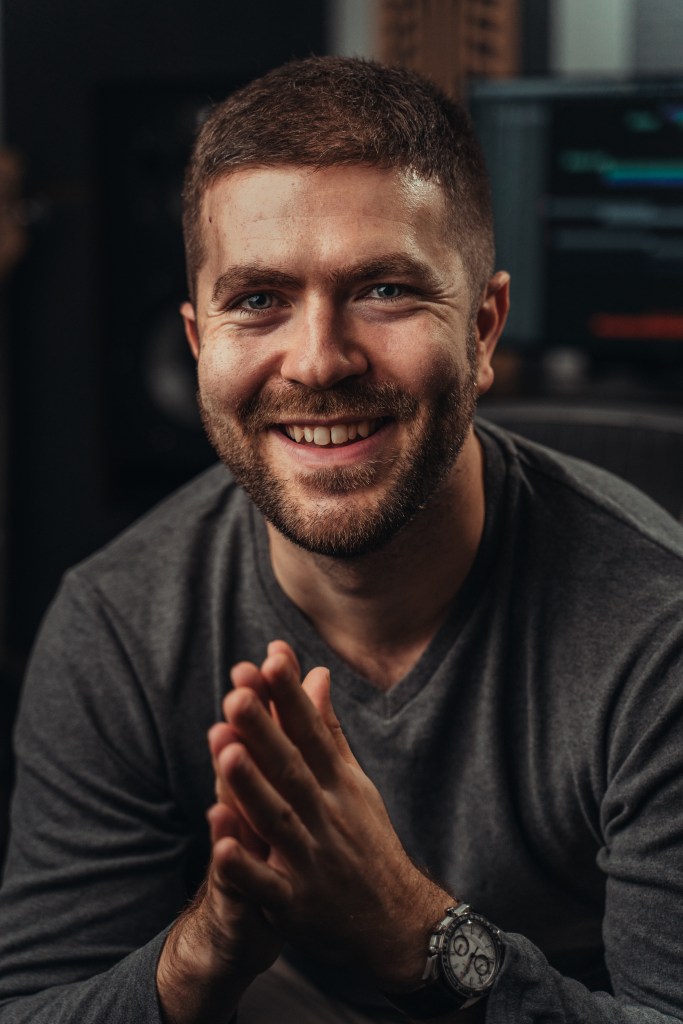
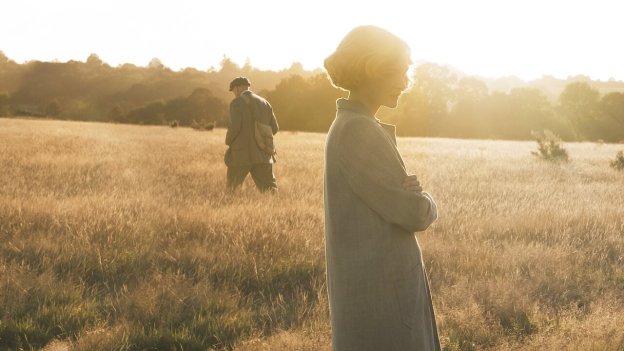
I recently had the opportunity to speak with Australian composer Stefan Gregory about his work on the Netflix film The Dig. Gregory makes his major feature film score debut with this Netflix drama, based on the novel of the same name by John Preston. Ralph Fiennes stars in the film as real-life excavator Basil Brown, who until recent years was uncredited for his work in unearthing the fossil of an Anglo-Saxon wooden ship on a young widow’s (Carey Mulligan) estate. With this project, Stefan makes the transition to film scoring from the world of composing and sound design for theatre. He studied mathematics in college, but his passion for music (mainly Jazz) overtook and led to him pursuing a career in writing music for theatre productions. 
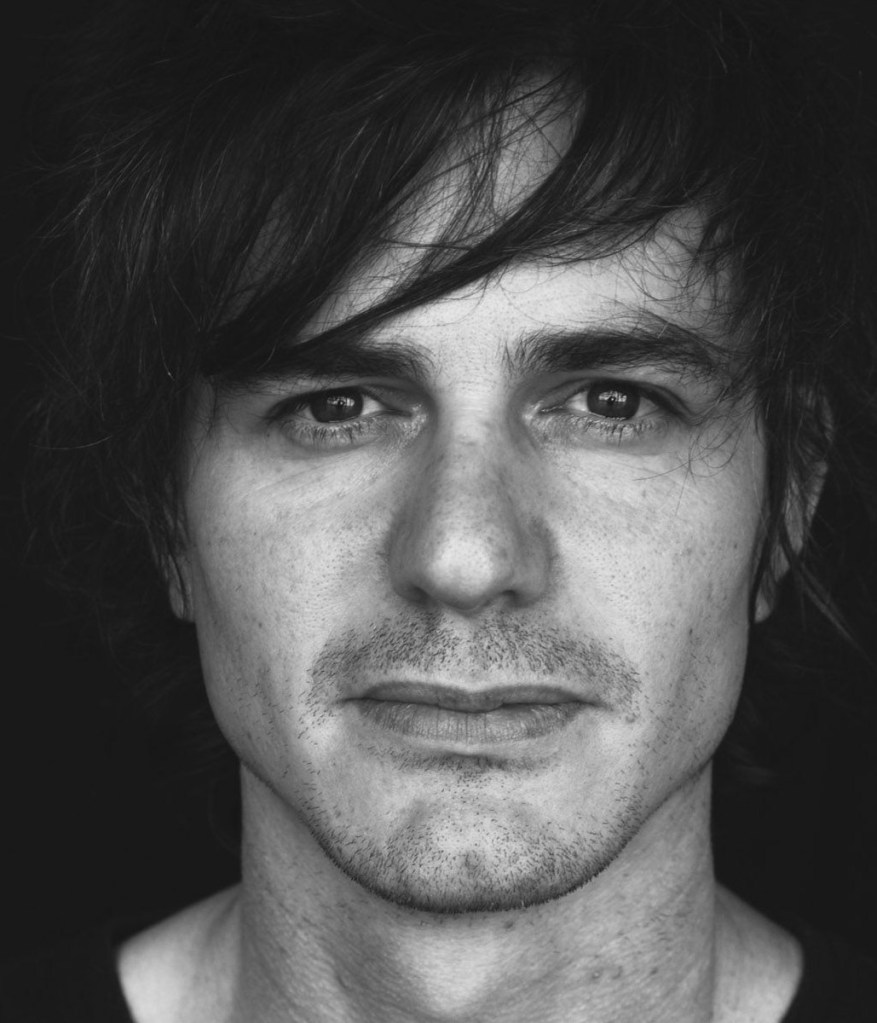
Enjoy our conversation about The Dig!

How did you get started as a composer?

Improvising and composing were part of how I learnt music from a young age. My dad was a folk musician. My first paid gig was through a friend who worked in theatre, scoring a production of Hamlet for $500 which featured classical banjo and cello.

What was it like making the leap from composing for the theatre to composing for film? Was it a big difference?

It was fairly straight forward, the basic ideas are the same in film and theatre – support the story and the visual world, don’t get in the way of the text, find something that’s missing from the story that you can tell with the music. One difference is that theatre music sometimes needs to be a little bit flexible as the timing can change every night, whereas film music needs to be precise.

There are some subtler differences that are hard to put into words – something about the way we interpret film as truth, because it’s based in photography, even though the footsteps you’re hearing are probably foley. In theatre, we always know it’s fake, because we can look up and see the stage lights and the proscenium arch, so it relies more on the imagination. This changes the way music is interpreted. If you use certain filmic tropes in theatre, they might come across as cheesy or the audience might feel they’re being manipulated, which turns them off. Yet those same tropes work in film, or actually they’re essential because they’re part of the grammar of film. But all this is mostly very subtle.

Did it help that you were working with director Simon Stone, given that you’ve collaborated for a decade together? I have to imagine that would help with any transition from theatre to film.

It does really help to know you director well, as they are your main collaborator. Another flipped way to look at it is: it helps to work with directors whose philosophy and aesthetic you share, and then you’ll end up working together for a decade!

How did you decide on the overall sound for The Dig? It’s not how I imagined a film about an archaeological dig would sound, though I do love the intimacy of the music. I’m also curious about one thing: I read that your initial idea was to create music of the era. What, specifically would that have sounded like? I know you ultimately didn’t go in that direction but I’m curious as to how it differed from what you did go with.

We initially talked about referencing orchestral music of the period, and I did a lot of work on that before I saw the edit. However most of those ideas didn’t seem to work when we put them to picture – the contemporary camera and editing language seemed to beg for a more contemporary score. I avoided using piano for quite a while but eventually I relinquished, and that really helped unlock the whole sound for me. I guess there’s a reason it’s used so much. The strings and orchestra were great for the landscape but piano gave it the intimacy and human touch it needed.

On a related note, when you decided what the film would sound like, where did you start with composing the score? Was it with a single theme that expanded outward or was it more organic than that?

In this case it was a piano piece I wrote that was a breakthrough for me, the tone and style seem right and it suddenly became clear what sort of compositional world was going to work. It wasn’t the theme itself, but certain harmonic ideas in it that I ran with, and the simplicity of the melody. Interestingly, that particular piano piece was cut when there was a big change in the edit, as it resulted in the whole film feeling slightly faster and so that piece was now too languid.

How much time did you have to work on The Dig? Were you impacted by the pandemic? If so, how did you work around it with the recording process?

I was brought on before the shoot and watched the daily rushes. By the time I got properly started though, and had seen rough cut, I think I had about 3 to 4 months to write it. This coincided with the first wave of the pandemic in the UK, so in the middle of the process I and my pregnant partner and 3 year old daughter made the decision to come back to Australia. We had already sent my mother home as a precautionary, who had been helping us with child minding. My partner was now confined to bed with morning sickness, so it was becoming a challenge for me caring for my family and writing my first feature score at the same time. When we arrived back in Sydney on one of the last easily available flights we had to stay on a remote bushland property which turned out not to have phone, internet or even hot water at first. No-one would come to fix the internet and phone for weeks as everyone was in lockdown. It was a beautiful landscape however, and there was a magnificent view of a large river, which was inspiring for the music. The process of collaboration became difficult – I had to drive up a dirt track in a four-wheel drive and upload files over 4G to the director in Vienna.

Then when it came to recording, no orchestras were open for business. Eventually Iceland opened up, and we were lucky to have a fantastic orchestra and team over there who were able to provide online streaming of the session. There were people listening in from all over the world – Sydney, New York, London, Quito and Vienna – to a small studio in a picturesque coastal town a few hours east of Reykjavik. The sessions began at about 8pm Sydney time and went to about 7am. I was a bit tired by the end!

One question that I can’t get off my mind is, and forgive me if this comes out wrong, did you write some of this music to “mimic” what an archaeologist does? A lot of the smaller, more delicate moments remind me of the gentle brushing and probing that an archaeologist has to do to remove these precious artifacts from the ground, and I was wondering if that was done on purpose.

Haha! I love this observation. It wasn’t quite as deliberate as that, but it was scored to picture so probably something was going on in my subconscious.

What’s one thing you hope viewers take away with them when they watch The Dig and hear your score?

I hope they hear the score as part of the cohesive whole experience of the film, and don’t think about it too much – all the elements of film working together sympathetically. As far as the experience, it will resonate differently with different people, and everyone will find something slightly different in it. Certainly there are some big themes in there; life, death, time, earth, legacy, love.

Do you have a favorite part of the soundtrack?

A few. I like the montage that starts just after the Piggots arrive, and continues under Basil showing little Robert the stars through a telescope, and cuts to the misty morning. I also like the section after they’ve pulled the body from the plane crash, with the sunset and Rory and Peggy – it feels slightly unexpected musically to me.

Thank you again for taking the time to talk about your work on The Dig.

Thank you for your questions!

A big thank you to Stefan Gregory for taking the time to speak with me about his work on The Dig. You can check out the film on Netflix!

Have a great day!

See also:

Composer Interviews

Become a Patron of the blog at patreon.com/musicgamer460

Check out the YouTube channel (and consider hitting the subscribe button)

Don’t forget to like Film Music Central on Facebook 🙂

Soundtrack Review: DOTA: Dragon’s Blood (2021)

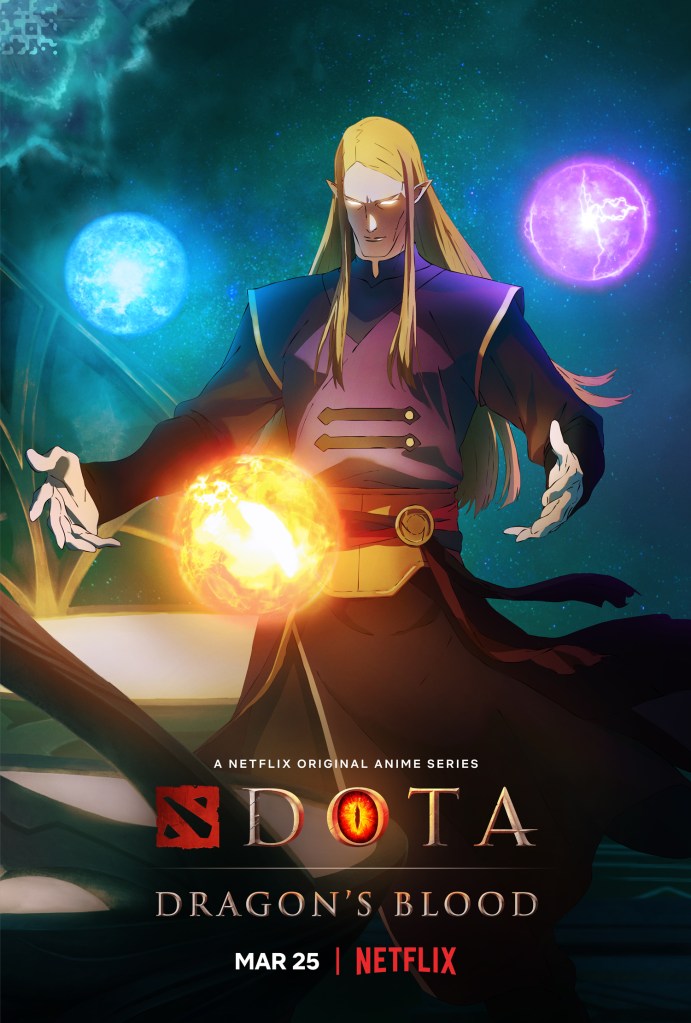
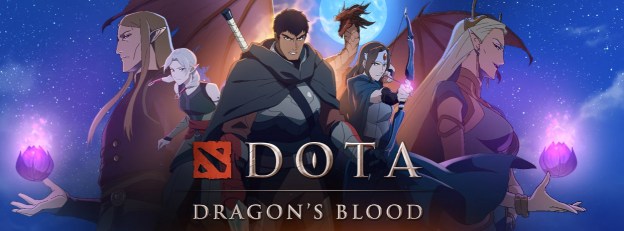
On March 25th, Netflix released their new original anime DOTA: Dragon’s Blood, with a score by composer Dino Meneghin (Teen Wolf, Lore), based on the massively popular online MOBA video game DOTA 2. Dino is best known for his television score for MTV’s Teen Wolf, adapted from the classic Michael J. Fox films, as well as several episodes of the hit Amazon Prime Original horror anthology series Lore. In addition to his work in television, Meneghin also scored SNL alumni Taran Killan’s action comedy feature film Killing Gunther with Arnold Schwarzenegger and the short films The Tow and Prom.

Although the series is set in the fantasy DOTA universe, the score isn’t the kind of sweeping, orchestral music typically found in the genre. Composer Dino Meneghin wanted a different kind of score more akin to Tangerine Dream or the old Heavy Metal cartoons. Meneghin set to work creating an entirely unexpected score for the series driven by synths and oftentimes abstract but still able to pull the emotional weight of the story.

Speaking about his experience working on the series, Meneghin said:

“DOTA has been one of the best musical experiences of my career so far. Ashley Miller, Netflix, and Studio MIR were collaborative, open-minded, and willing to take chances with the score. Getting a chance to dive so deeply into a world loved by so many players and fans has been an incredible experience, and I hope the viewers will see and hear how much love we put into it.”

The music for DOTA: Dragon’s Blood really isn’t what you’d expect for a fantasy series. I was fully prepared for the full orchestral experience, as that often pairs well with these kinds of stories, but Meneghin didn’t go in that direction. Instead, what he’s put together is more pared down, while remaining intricate. There is a distinct hint of the fantastical if you listen to the music all the way through, but it’s not big and lush like, say, Game of Thrones. No, the music for DOTA: Dragon’s Blood….it almost reminds me of the music for Blade Runner, in spirit if not in actual texture. The way the synths form a background to the melody, it really does remind me of that science-fiction story, and that’s not a bad thing.

This may sound weird, but hearing the synths in the music had me thinking that perhaps the music is, in its own way, paying homage to DOTA’s digital roots as an online game. The synths make me think of a virtual world, which is how DOTA started, and I like how Meneghin weaves the artificial tones in and out of the musical score for DOTA: Dragon’s Blood.

I really enjoyed listening to the music for DOTA: Dragon’s Blood, it’s been a pleasant surprise and one that everyone should check out when they get the chance.

Let me know what you think about DOTA: Dragon’s Blood in the comments below and have a great day!

See also:

Soundtrack Review: Teen Wolf (2011-present)

TV Soundtracks

Become a Patron of the blog at patreon.com/musicgamer460

Check out the YouTube channel (and consider hitting the subscribe button)

Don’t forget to like Film Music Central on Facebook 

Soundtrack News: ‘My Hero Academia’ Season 5 EP Out Now!

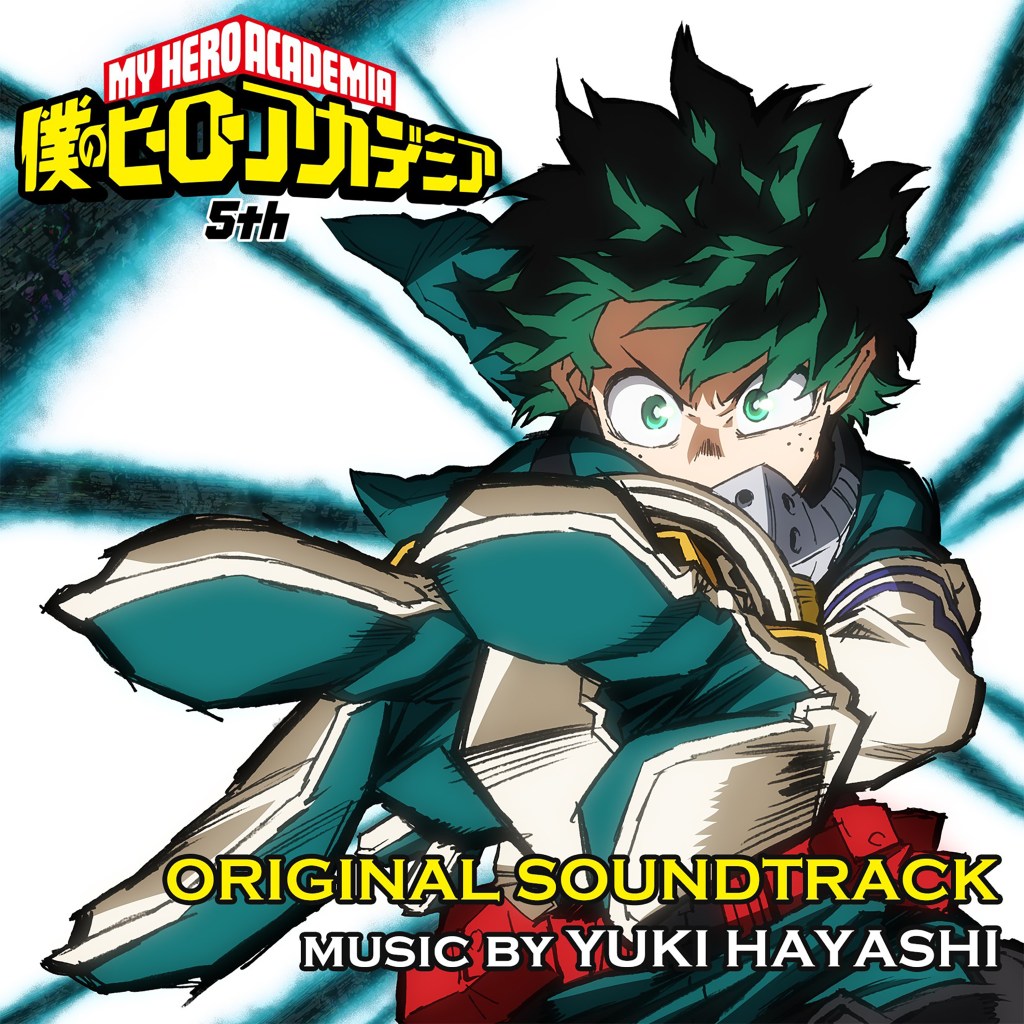
Milan Records released My Hero Academia Season 5 (Original Series Soundtrack EP) with music by composer and arranger Yuki Hayashi (My Hero Academia: Heroes Rising, Pretty Cure, Strawberry Night) on March 31, 2021.

Yuki Hayashi was born in Kyoto in 1980.  Being an active member in a men’s rhythmic gymnastics team in his early years spawned his interest in BGM while selecting songs to complement performances.  This led him to begin teaching himself music composition while at university, despite not having a background in music itself. After graduating, Yuki acquired the basics of track making under house techno DJ and sound-maker Hideo Kobayashi and started producing his first range of music accompaniments for dance sports.  

Available everywhere now, the EP features music written by Hayashi for the fifth season of the critically-acclaimed, hugely popular anime series. Hayashi returns to the My Hero Academia universe after scoring all four seasons of the hit anime television series as well as the first two film installments, My Hero Academia: Two Heroes and My Hero Academia: Heroes Rising. Based on Kōhei Horikoshi’s well-loved manga series, the fifth season of My Hero Academia premiered March 27.

MY HERO ACADEMIA SEASON 5 (ORIGINAL SERIES SOUNDTRACK EP)
TRACKLISTING –

  1. Go, Plus Ultra
  2. So Classmate Were Born Of Worthy Competition
  3. Successor
  4. A VS B
  5. “QUIRK” DON-PACHI Great Exchange
  6. What To Inherit

See also:

Become a Patron of the blog at patreon.com/musicgamer460

Check out the YouTube channel (and consider hitting the subscribe button)

Don’t forget to like Film Music Central on Facebook 

My Thoughts on: Godzilla vs Kong (2021)

After delays and delays, I finally sat down this afternoon to watch Godzilla vs Kong, the fourth entry in the MonsterVerse that also includes Godzilla, Kong: Skull Island and Godzilla: King of the Monsters. As the title implies, this film centers around an epic clash between Godzilla and Kong, the two most dominant Titans left on Earth after the events of Godzilla: KOTM.

Given that there are currently no concrete plans for a fifth entry in the MonsterVerse, it would not be unreasonable to look at Godzilla vs Kong as the ending for the story that started in 2014 with Godzilla. Even if the story does continue, there’s no denying that Godzilla vs Kong gets almost everything right and blows every expectation away. Everyone who comes in hoping for that epic kaiju fight is going to get exactly what they wanted. The action is huge, explosive, and was definitely made with an IMAX screen in mind (indeed, I found myself cursing several times throughout the film that I was limited to my TV screen at home because i could tell how this was meant to look in a theater).

Due to wanting to avoid major spoilers, I’m not going to go too in depth with my analysis, but I do want to try and cover some things that I liked. That being said, you should be warned that spoilers of varying sizes may be found after this point.

One of my biggest gripes in Godzilla: King of the Monsters was that the ‘Hollow Earth’ concept (first broached in Kong: Skull Island) wasn’t touched on enough. Well, to put it bluntly, Godzilla vs Kong gave me everything and more that I ever wanted of the Hollow Earth. Not only was it beautifully rendered, it was presented in a way that felt completely believable and, most tantalizingly, it feels like a location that could be visited in future films. And not just in sequels either, I could easily visualize a prequel (or series of prequels even) that details certain events hinted at in this film but set completely in the Hollow Earth. I would pay big money to see that happen.

The best part of the entire film is the conflict between Godzilla and Kong, which as you might expect spans most of the film. I admit to being skeptical about how the filmmakers would pull this fight off, but by god not only did they DO it, they also made it completely believable. I have no trouble believing that Godzilla and Kong are equal combatants (more or less), and while I won’t say who comes out on top, it is presented like a fight that could have gone either way. And that’s how it SHOULD be, you would never sell me on the idea that one opponent far outclasses the other. This was a nail-biting fight to the bitter end and that’s what I got and that’s what I loved about it.

And then there’s MechaGodzilla. I almost considered not mentioning this but I figured at this point I think we all pretty much knew about him being in the film (thanks Internet). I was almost disappointed about this character being in the film, but then I saw how it was presented and I was enraptured by the entire sequence. That was the best way possible to introduce MechaGodzilla to American audiences.

If I had one gripe about Godzilla vs Kong, it’s that there seems to be a clear divide between the characters we met in Godzilla: KOTM and those associated with Kong. It gave me the faint feeling of two films spliced together, but then I remembered that this is the kind of film where, we’re not really here to see the human characters, we’re here strictly for the giant monster fight. And at the end of the day, I’m okay with that because the monster action rocked!

That being said, I need to give a shout out to Kaylee Hottle, a deaf actress that appears in the film as Jia. Deaf characters still don’t get highlighted in major films as much as they should be (John Wick Chapter 2 features Ares (Ruby Rose) signing ASL), and it was refreshing to see not only a character that was acknowledged to be deaf, but also played by an actor that’s deaf too (in John Wick Chapter 2, Ares might have been deaf but Ruby Rose is not). That was one of my favorite parts of the film and I hope future films use this as an example for how they can include deaf characters moving forward.

Finally, it wouldn’t be a proper review on Film Music Central if I didn’t mention the music for a moment. While I feel that Bear McCreary’s score for Godzilla: KOTM is superior, I did enjoy Hans Zimmer’s music for Godzilla vs Kong, even if the parts I liked best were the amalgamations of past Godzilla and Kong themes joined together. If you listen carefully, you can hear musical excerpts from all the past MonsterVerse films throughout the story. And, rather cleverly, I think a big portion of the Kong “musical homage” was including songs in the musical score, a la Kong: Skull Island in 2017. It heightened the idea that all of the past MonsterVerse films were leading to this moment.

In case it wasn’t obvious, I really enjoyed Godzilla vs Kong, it’s the fun big action movie I’ve been wanting to see since the pandemic madness started. Whether you go see it in theaters (please be safe if you do) or on HBO Max, please go see it, it really is worth the time. If this is how the MonsterVerse ends, then I am content with the story it has told. But I wouldn’t say no to more entries either. I guess only time will tell if the story of Godzilla and Kong (and more) continues.

Let me know what you think about Godzilla vs Kong in the comments below and have a great day!

See also:

Kong: Skull Island (2017), my thoughts

My Thoughts on: Godzilla: King of the Monsters (2019)

Film Reviews

Become a Patron of the blog at patreon.com/musicgamer460

Check out the YouTube channel (and consider hitting the subscribe button)

Don’t forget to like Film Music Central on Facebook 

Soundtrack Review: Cherry (2021)

Late last month, Lakeshore Records digitally released the original motion picture soundtrack for Cherry by Henry Jackman. The soundtrack will be available exclusively on Apple Music for 60 days before becoming available to all other DSPs on Tuesday, March 30, 2021.

Henry Jackman has established himself as one of today’s top composers by fusing his classical training with his experience as a successful record producer and creator of electronic music. Jackman’s upcoming feature is the anticipated drama from The Russo Brothers, Cherry. He recently completed Jumanji 2, a continuation of the magical board game adventure story, and Detective Pikachu, following the story of the beloved Pikachu Pokémon character starring Ryan Reynolds. His other recent work includes Ralph Breaks the Internet, which was nominated for Best Animated Feature. His other diverse credits include Captain America: Civil War, Kong: Skull Island, Captain Phillips, Big Hero 6, and Kingsman: The Golden Circle.  

Cherry follows the wild journey of a disenfranchised young man from Ohio who meets the love of his life, only to risk losing her through a series of bad decisions and challenging life circumstances. Inspired by the best-selling novel of the same name, “Cherry” features Tom Holland in the title role as an unhinged character who drifts from dropping out of college to serving in Iraq as an Army medic and is only anchored by his one true love, Emily (Ciara Bravo). When Cherry returns home a war hero, he battles the demons of undiagnosed PTSD and spirals into drug addiction, surrounding himself with a menagerie of depraved misfits. Draining his finances, Cherry turns to bank robbing to fund his addiction, shattering his relationship with Emily along the way.

Speaking about his score for Cherry, Henry Jackman had the following to say:

Cherry’s soundscape never deviates from the core idea of emulating the internal. It’s music that ebbs and flows depending on the emotions and mental state of the main character grounding the film in Cherry’s subjective experience.

 Directors Joe and Anthony Russo said of Jackman and his score, “This is Henry’s most sublime work. Beautiful, poignant, riotous, devious. Breathtaking in its ability to manifest such complex tones, while unifying them at the same time. He’s truly a master of the craft.” 

The soundtrack for Cherry is definitely one that has subverted all of my expectations. Based on what I know of the film’s plot, I was expecting something that was extremely gritty, rough around the edges, or very action oriented. But Henry Jackman has created something that is none of these things. The music for Cherry is strikingly beautiful, with an orchestral mix that I wouldn’t have expected in a million years. But it’s also got a number of twisted elements at work, several of which I’d like to highlight.

First I want to bring to your attention ‘Carnival of Losers Pt. 1’ and ‘Carnival of Losers Pt 2’. The first iteration of Carnival of Losers will sound like a misnomer, because the piece sounds, for all the world, like a charming waltz with a street carnival vibe (hence the name I’m sure). It’s not until you hear Pt. 2 of Carnival of Losers that you realize the two pieces are mirror images of each other: Pt. 1 takes place before the trauma and Pt. 2 takes place afterward. I say that because Pt. 2 is a muted and twisted version of Pt. 1. It’s set to an almost identical beat as Pt. 1, but it’s clear something terrible has happened between Pt. 1 and Pt. 2.

The most twisted part of all though? That would have to be ‘Star-Mangled Banner’. This piece screamed volumes to me, and likely will to many other people who have had their faith in the government shaken as of late. It takes a while to become recognizable, but there IS in fact a rendition of the Star-Spangled Banner in this piece, but one that’s so warped, discordant and twisted that it is barely recognizable. If I observe this piece as a commentary on the state of the nation, it’s a damning piece of musical commentary, and one that deeply moved me.

Those are the big moments that I wanted to highlight from the Cherry soundtrack, but the rest of it is equally fun to listen to. To reiterate, this soundtrack will completely subvert whatever expectations you had going in, but in the best way possible. This is a reminder that one should never let a film’s premise dictate your thoughts on what the music may sound like, you might find you’re proven wrong.

Cherry Original Motion Picture Soundtrack Track List

  1. When Life Was Beginning, I Saw You (2:51)
  2. Madison (2:01)
  3. Carnival of Losers, Pt. I (2:10)
  4. The Elusive Sensation of Bliss (2:09)
  5. It Was Perfect (0:43)
  6. A Thing for Weak Guys (2:19)
  7. Honeymoon (3:25)
  8. Star-Mangled Banner (2:26)
  9. Iraq (5:10)
  10. Triangle of Death (1:01)
  11. Cheerleaders (1:05)
  12. Huffers of 1st Platoon (1:54)
  13. Another Day, Another Mission (3:15)
  14. Night Tremors (2:52)
  15. Unholy Retribution (1:24)
  16. OxyContin (0:43)
  17. Date Night (2:51)
  18. Carnival of Losers, Pt. 2 (2:03)
  19. Acquiescence (2:24)
  20. I’m Your Worst Nightmare (3:34)
  21. Crossing the Line (1:34)
  22. Rob Another Bank (1:57)
  23. Overdose (2:28)
  24. Your Fate is Darkly Determined (6:21)
  25. One Last Job (3:00)
  26. The Comedown (9:23)
  27. What I’m Trying to Say Is… (Bonus Track) (5:06)

Let me know what you think about Cherry (and its soundtrack) in the comments below and have a great day!

See also:

Film Soundtracks A-W

Become a Patron of the blog at patreon.com/musicgamer460

Check out the YouTube channel (and consider hitting the subscribe button)

Don’t forget to like Film Music Central on Facebook 

Soundtrack News: Chaos Walking Soundtrack Out April 2nd

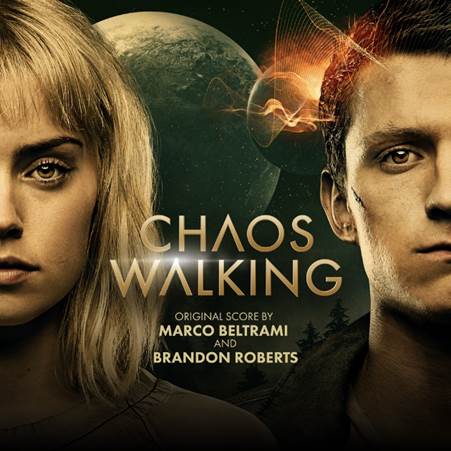
Milan Records announces that the Chaos Walking (Original Score)  with music by Marco Beltrami and Brandon Roberts will be released on April 2nd, 2021.  Available for preorder now, the album features score music from the highly anticipated film.  The score continues a long tradition of collaborations between the two-time Academy Award®-nominated composers Beltrami and Roberts, who also garnered an Emmy® Award together for their work on Free Solo.  

Of the soundtrack, Beltrami and Roberts had the following to say:

“The score for Chaos Walking provided a unique opportunity for us to create a musical language for a fictitious world that was simultaneously both familiar and alien, and in so doing, explore crossing genres that are rarely combined. There are otherworldly sci-fi elements, as well as classic gritty western themes. We had a lot of fun implementing new instruments that would define this cross pollination.  It was an adventure to live in this new musical world.” 

In the not too distant future, Todd Hewitt (Tom Holland) discovers Viola (Daisy Ridley), a mysterious girl who crash lands on his planet, where all the women have disappeared and the men are afflicted by “the Noise” – a force that puts all their thoughts on display. In this dangerous landscape, Viola’s life is threatened – and as Todd vows to protect her, he will have to discover his own inner power and unlock the planet’s dark secrets.  From the director of The Bourne Identity and Edge of Tomorrow and based on the best-selling novel The Knife of Never Letting Go, Daisy Ridley and Tom Holland star with Mads Mikkelsen, Demián Bichir, Cynthia Erivo, Nick Jonas, Kurt Sutter, and David Oyelowo in Chaos Walking.

CHAOS WALKING (ORIGINAL SCORE)
TRACKLISTING –

  1. Main Title
  2. Love That Knife
  3. Friendship Theme
  4. Lost in the Woods
  5. Chaos in Space
  6. Thief / Gotta Tell
  7. First Encounter
  8. Motor Horse Chase
  9. Posse on the Move / Exploring the Ship
  10. Spackle Tackle
  11. Farbranch
  12. Letter from Mom
  13. Town Attack
  14. Lonely
  15. Riverbank Chase / Rapids
  16. You’re a Good Man, Todd Hewitt
  17. Preacher Attack / Antenna Climb
  18. Showdown
  19. Women Unite
  20. I Am Todd Hewitt

You can check out the soundtrack for Chaos Walking when it releases on April 2nd, 2021!

See also:

Become a Patron of the blog at patreon.com/musicgamer460

Check out the YouTube channel (and consider hitting the subscribe button)

Don’t forget to like Film Music Central on Facebook 

My Thoughts on: Raya and the Last Dragon (2021)

I have been super excited about Raya and the Last Dragon for so long, a part of me felt like the movie would never actually come. But at last, the movie became available on Premiere Access on Disney+ and against all the odds I found myself paying up the $30 to check it out on release day because the film looked that good in the previews.

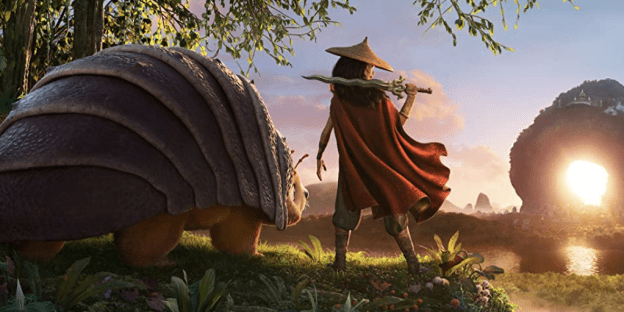
As it turns out, this was a great decision to make, because Raya and the Last Dragon is amazing. Seriously, believe the hype you hear about this movie because this is some of Disney’s best work. The story is set in the fictional world of Kumandra, which is based on various parts of Southeast Asia. With her world threatened, Raya (Kelly Marie Tran) sets out to find Sisu, the Last Dragon (Awkwafina) and save the world.

With a premise like that, you might think you know how the story is going to play out, I know I did. And I was completely okay with how I thought the story was going to go: girl goes on an adventure, girl finds dragon, girl saves the world. However….that’s not what ended up happening because the movie is about so much more. To be sure, there is a LOT of girl power in Raya and the Last Dragon, and I loved every minute. But at the end of the day, the story isn’t just about a heroine saving the world, or even two or three heroes getting together to save the day. The real story is about coming together and trusting people, and building a better world on that basis. Given how messed up the world has been with racism and similar issues, the message in Raya and the Last Dragon couldn’t be more timely. There’s also a strong message about taking responsibility for one’s actions. I admit to being resistant about this particular message, but the character pointing this thing out was right: you need to admit when something is equally your fault and not just blame the other person.

Along with this amazing story is an equally awesome voice cast. Kelly Marie Tran absolutely kills it as Raya, it doesn’t take much and you’re completely hooked into her character. This is the type of Disney princess I’ve been dreaming about for years, even Queen Elsa (despite her awesomeness) didn’t quite hit the nail on the head for me as much as Raya does. She’s a badass warrior, but also sweet and compassionate. Watching her grow from beginning to end of the story is a fun experience.

And pairing her with Awkwafina’s Sisu makes one of the best parts of the movie. Sisu is nothing like what I was expecting, but that’s okay because I loved every minute of screen time she had. I’ve never seen a dragon like Sisu (I’m used to large scaled dragons like Smaug) before but she’s beautifully animated and she feels alive, which is a sign that you’ve nailed the CGI.

Then there’s the music (you know I had to mention that part). James Newton Howard, one of my favorite composers, has put together an amazing score that helps bring the different areas of Kumandra completely to life. As you might expect, it’s tinged with elements of Southeast Asia as well, I’m sure a behind the scenes look would confirm that a number of traditional instruments were used in the instrumental mix. The music definitely helps create the idea that the different areas of Kumandra are their own separate and unique places.

All of this is to say that Raya and the Last Dragon was not only worth the wait, it was also worth the $30 I paid to see it now instead of waiting until June. Disney has put together a story that honors its Southeast Asian inspiration, while also creating a new world that I would be more than happy to visit again. And the story will take you by surprise in the best way possible. I would love to go into more detail than that, but to say literally anything else would be giving too much away. You really do need to see this for yourself.

Go watch Raya and the Last Dragon (available now through Premiere Access on Disney+) and then let me know what you think about it in the comments below and have a great day!

See also:

 Animated Film Reviews

Become a patron of the blog at: patreon.com/musicgamer460

Check out the YouTube channel (and consider hitting the subscribe button)

Don’t forget to like Film Music Central on Facebook 

Music, Basketball, and One Amazing Coach: Talking with Composer Grant Fonda about The House That Rob Built (2020)

Just recently I spoke with composer Grant Fonda about his work on The House That Rob Built, a documentary film that looks at the life and career of Rob Selvig, the iconic coach of the University of Montana’s Lady Griz basketball team. Underfunded and sidelined by men’s athletics, the Lady Griz bloomed under the fresh Title IX regulations that brought equal funding, scholarships and facilities to women’s collegiate sports. Selvig’s hard-driving style took the team from humble roots, playing before empty stands, and built them into the preeminent women’s basketball program west of the Rockies.

Los Angeles based composer Grant Fonda has collaborated with numerous creatives on a wide array of notable projects, including the acclaimed The Dating Project (dir. Jonathan Cipiti, 2018), the award-winning Down The Fence (Netflix, dir. MJ Isakson, 2017), and the multi-award winning Pray: The Story of Patrick Peyton. Grant has been a collaborator in music departments for award-winning composers Thomas Newman and Heitor Pereira on Spectre, Finding Dory, Bridge of Spies, and Minions. He also has worked with with the late James Horner on Titanic Live! and John Debney on a live show for Disneyland’s California Adventure.

Please enjoy my conversation with Grant Fonda about The House That Rob Built.

How did you get started as a composer?

I’ve been around music for as long as I can remember. My grandfather was a classically trained pianist and always encouraged me to make music, even before I started taking lessons. He and my parents fostered creativity by letting me pursue my passions, and I always gravitated back to music, always dabbling in creating my own tunes. One teacher after another said “Hey, Grant, you’re really good at this. You should think about composing for a career.” In a way, I guess you can say that I finally fell out of pursuing a career as a music educator and fell into composing. 

What was your starting point in composing for The House That Rob Built?

As is often the case in this business, it started with a relationship. I had been the composer for Jonathan Cipiti’s The Dating Project and Pray: The Story of Patrick Peyton, both produced by Family Theater Productions under the guidance of producer Megan Harrington. Jon and Megan really wanted to get the “team” back together again for The House That Rob Built, so I got the first call! Naturally, I was delighted. 

This might come out wrong, but when you were writing this music, did you think of this primarily as music about basketball first and the man second, or about the man first and the basketball second? Or was it an equal focus between the two?

Without question, Rob as a person, the team as a unit, and the individuals of the team always came to the narrative forefront over the game of basketball itself. I was always thinking about the intensity of basketball, but directors Jon Cipiti and Megan Harrington were quick to remind me that the story was firstly about the heart of the players rather than the game. That heart, legacy, and connection had to translate to viewers without getting lost. 

For the instruments, what did you decide to include in the orchestral mix? I hear a lot of strings, but I know there’s more than that.

You’re right, a string quartet forms the foundation of the score. The only other truly-orchestral instrument in the palette was a felted piano, but the soundscape also features the Nyckelharpa (a Swedish keyed fiddle) and the voice of the amazing Hannah Rose Lewis. I suppose that you could also say that there’s an “orchestra” of synths –– I wanted the synthetic part of the sonic universe to feel simultaneously organic and forward-thinking while embracing a bit of a retro vibe at times.

What prompted your decision to go out and mix in the actual sounds of basketballs into the music? That strikes me as the kind of decision that will either work really well or not at all (I thought it worked great).

Thanks! That’s awesome. One of the things that kept coming up in our spotting session was the need to capture the intensity of women’s collegiate basketball, but there wasn’t going to be a lot of sound design to help us because reenactments were usually working in tandem with voice-overs, and the sound quality of archival footage was noisy. I had the idea that it’d be interesting to try and blur the lines between sound design and score by incorporating sounds of the court, but I knew it’d be a tough sell unless it was executed perfectly. It had to feel organic without being campy. Jon and Megan loved the pitch in one cue, so as I wrote, those source sounds started to become the backbone of the percussive side of the score. 

Are there other atypical sounds mixed into the score that we should be keeping an ear open for? 

The Nyckelharpa is a fun treat for the ears in this score! We had so much fun recording this at the session, and there’s part of me that wishes I had used it more often. The way that Malachai Bandy (our Nyckelharpa player) emotes in his performances is stunning and really exaggerates the sense of longing and feeling of nostalgic folk music. 

How long did you have to work on this score? Was it a close collaboration with the directors?

I worked very closely with Jon and Megan while writing, partially because I only had 21 days to write the entire score, and then about a week to record and mix it. I think I spent as much time on the phone as I did writing! Like a great coach, Jon and Megan checked in daily to see how they could help inspire me, give thoughtful feedback, and push me to elevate the story in every cue. Sometimes, solitude is a composer’s saving grace while they’re in creative-mode, but in this case, working against the clock with the team amplified the film’s narrative in a sublime way.

Was the scoring/recording process impacted by the pandemic in any way?

It wasn’t, thankfully (we recorded in fall 2019), but we almost did have to reschedule the recording session because my wife started having pre-labor for our daughter the day before the session! I’ll never forget calling Jon Cipiti and saying, “I know this is not the call that you want to get the day of a recording session, but I think that we might be having a baby instead of recording strings tomorrow.” Thankfully, our gorgeous daughter arrived about two weeks later, and the session went as planned.

Do you have a favorite part of the soundtrack/score?

I love the cue Title IX because of the unusual textures and Hannah’s masterful vocal performances, but my favorite cue in the film has to be Strong, which is featured within the last scenes of the film. This was some of the first footage that I saw, but some of the last notes that I penned. To write it well, I knew that I’d have to draw from other parts of the score and also be emotionally up for the task because the different parts of the narrative come together to pack a wallop. The resulting almost nine-minute-long cue are some of the highest highs and lowest lows that I’ve ever composed, and I still feel a lump in my throat when I watch/hear it, a year and a half later. 

Anything in particular you hope audiences take away with them when they watch the documentary and hear this music?

I hope that people are reminded that inspiration can come from the most unlikely of places and through unexpected circumstances. I hope that they’ll remember that unity can be found and thrive in diversity. And, I hope that viewing and listening audiences will be inspired to invest in the next generation to build things that are greater than their wildest imaginations. 

I’d like to give a big thank you to Grant Fonda for taking the time to talk with me about The House That Rob Built.

See also:

Composer Interviews

Become a Patron of the blog at patreon.com/musicgamer460

Check out the YouTube channel (and consider hitting the subscribe button)

Don’t forget to like Film Music Central on Facebook 🙂
Soundtrack News: Pacific Rim: The Black Soundtrack Releasing March 5th

Milan Records and Sony Music Masterworks today announced that the official soundtrack for Pacific Rim: The Black by composer Brandon Campbell will release on Friday, March 5.  Available for preorder now, the album features score music written by Campbell for Netflix’s newest anime series from Legendary Television and based on Legendary and Guillermo del Toro’s blockbuster film franchise Pacific Rim. Continuing the tale of epic battles between monsters and robots in an exciting new style, Pacific Rim: The Black will be released worldwide on Thursday, March 4 exclusively on Netflix.  

Of the soundtrack for Pacific Rim: The Black, composer Brandon Campbell had the following to say:

“Our showrunner, Greg Johnson, wanted a score that encompassed bits of DNA from the original Pacific Rim film while still being unique enough to support the struggles and triumphs of Taylor and Hailey.  We created a hybrid orchestral score with the heavy themes and melodic material that will hopefully resonate with Pacific Rim fans, while including more intimate and emotional musical moments that accompany our characters as they make their way across The Black.  I hope my music brings you back into the world of the awesome power of the Kaiju and Jaeger, but also into the hearts of Taylor and Hailey.”

The album marks the first release under a new, multi-year agreement between Milan Records/Sony Music Masterworks and Legendary Television to collaborate on future soundtrack releases.  Under the new agreement, Milan Records will have the exclusive right to distribute all soundtrack albums released by Legendary Television for its television shows and series, supporting the studio with the global distribution, marketing and promotion of these soundtrack titles.

ABOUT PACIFIC RIM: THE BLACK
There was a time when Kaiju rose from the Pacific Rim only to encounter gigantic robots, Jaegers, built to fight them back. That time has passed. Now, Australia has been overrun by Kaiju, forcing the evacuation of an entire continent. Left behind, teenage siblings Taylor and Hayley embark on a desperate search for their missing parents, teaching themselves to pilot a battered, long-abandoned Jaeger to help in their quest and give them even the slightest hope of surviving.

PACIFIC RIM: THE BLACK (MUSIC FROM THE NETFLIX ORIGINAL ANIME SERIES)
TRACKLISTING –

  1. The Black
  2. They Always Come Back
  3. Jaeger Breaker
  4. The Drift
  5. b0y
  6. Shane
  7. Boneyard
  8. I’ve Had Worse Benders
  9. Mind Heist
  10. Dismei
  11. Ghost Pilot
  12. Shadow Basin
  13. Bogan Boogie
  14. Memories
  15. Never Coming Back
  16. The Most Powerful Man in The Black
  17. Hunter Vertigo
  18. Just Calm Down
  19. Kajiu Messiah
  20. Copperhead
  21. Atlas Destroyer

See also:

Become a Patron of the blog at patreon.com/musicgamer460

Check out the YouTube channel (and consider hitting the subscribe button)

Don’t forget to like Film Music Central on Facebook 

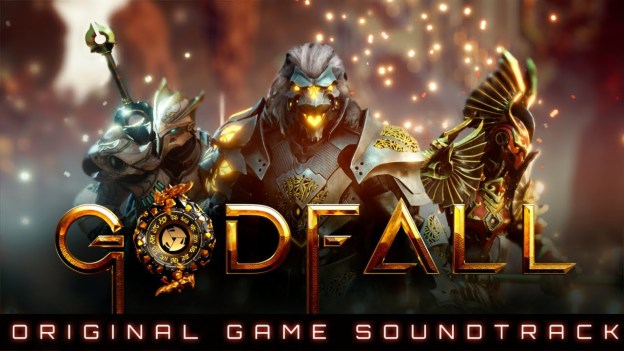
Building a Fantasy World Through Music: Talking with Composer Ben MacDougall about Godfall (2020)

Recently I had the chance to talk with composer Ben MacDougall about his work on the video game Godfall, which was released for the PS5 in November 2020. Ben MacDougall is a prolific composer for film, TV and video games, who most recently wrote the original fantasy score for Sony PlayStation 5 launch title, Godfall. His rich and diverse portfolio enjoys airtime on prime-time networks and has been featured on high-profile global TV events such as the Olympics and Academy Awards as well as countless franchises, campaigns and AAA studio projects.

Please enjoy our conversation about the music of Godfall!

How did you get started as a composer for video games?

That depends on how far back you want to go! My first major game project was called Duelyst, which was also a project I worked on with Counterplay Games, but before that I had been writing for linear format projects (advertising, tv, film, trailers etc) for a while.

There isn’t a huge difference, musically speaking, between game music and any other music for media. At the end of the day, it’s your job as the composer to tell a story and help create an even deeper emotional experience for the viewer or player. So I guess you could say it was when I started writing music that told a story.

How did you get connected with Godfall and what did you think of the game’s premise?

It’s hard not to fall in love with a premise as bold and exciting as a brand new, beautiful fantasy land – complete with its own deep lore and history! I already knew the developers from our previous project – which was such a blast to work on that Godfall just flowed onwards from that. Especially from a musical perspective, the opportunity to thematically define a new world is pretty enticing. And did I mention all the colors and light? It’s stunning.

If you’ve played the game or even seen some of the promotional art, then you’ll know what I’m talking about: Aperion looks amazing, and the game was clearly made by really talented artists and programmers who love playing games. Godfall also feels great to play, and a lot of attention has gone into making you as a player feel like you’re actually in the world, rather than just playing a game there.

What was your starting point in putting the music for Godfall together? In other words, how do you decide how an epic game like this sounds? That has to be a daunting task (I’ve seen the launch trailer and the game looks incredible), how do you even decide where to begin?

Well, there’s definitely a poetic answer, and a realistic answer for this one. I am always a fan of coming up with solid themes right at the start, and capturing my initial response to the prompt as authentically as possible. However, when it comes down to it, you write what you’re asked to, when you’re asked to! Luckily, in the case of Godfall, the two went hand-in-hand and the first thing I wrote was the ‘Aperion Theme’, which you can find on the soundtrack as Track 03, called ‘Land of the Valorians’.

From that initial point, for a massive project like Godfall it’s really a question of establishing musical parameters and boundaries. There are different elemental realms in this game, and each of those needed its own sound, so the sensible starting point in planning it out was to define each realm’s sonic identity. I basically created word clouds of adjectives and instruments that I thought would work, based on all the source material I’d seen up to that point. That’s not to say you make a bunch of decisions on day one, and then stick rigidly to them. For me, it’s this framework that allows you to explore outwards ‘with intention’ – as you’re doing it consciously and in the context of a larger plan.

By way of example, the Air Realm ended up being sonically focused around the sounds of a tonal hand-drum, rather than the perhaps more obvious choice of using airy flutes and other wind instruments. There is no way I would have ever thought “Air Realm = Drum” on day one, but within the larger mesh of these loose constraints, the discovery and subsequent decision made sense.

How much time did you have to score Godfall? How did you go about recording with the pandemic going on?

The project has been on the cards for a while – I wrote the first notes for it perhaps two or three years ago at this point. However, late 2019 onwards was ‘go time’.

The pandemic made recording harder for sure – but recording is fairly easy to do ‘socially distant’! For instance, in the sessions I did with soprano, Laurence Servaes, she was in a separate isolated room – along with a rather fancy silent HEPA filter! You can communicate with someone in a recording room really easily, so in that sense not much else changed – aside from the fact that coffee breaks were WAY less fun than usual.

As the score was coming together, did you have any rough game footage to use for inspiration or for the recording process? Or was it more going off storyboards and/or animatics? Or something else entirely? Maybe I’m still conflating the video game process with recording for films, but I keep imagining that at some point a video game composer also has footage to look at in the same way that a film composer does.

A little bit of everything really. Sometimes it was concept art, sometimes play-throughs of different areas of the map. Sometimes its was an entire boss encounter and other times it was just a ton of adjectives or emotional language to describe what was needed!

I’d be tackling different areas of the game that were in different stages of development, so I’d always ask for whatever I could get my hands on and write to that – just by having it on in the background. As game music is a non-linear format, it wasn’t frame-synced or anything (unless it was a cinematic or something that required it), but it was always nice to overlay as much as possible, visually speaking. It makes it really easy to see what does or doesn’t work that way.

Are there over-arching themes in the music? It sounds like the music is connected in more than several places, and I was curious if this was the case.

Yes! There are various themes and motifs that pop up throughout. These include the aforementioned ‘Aperion Theme’, the main ‘Godfall Theme’ and other similarly weighty material – like the different themes for each realm. There are also shorter motifs and sub-themes that pop up a lot – either in their complete forms or in fragments here and there – all in the service of grounding the score to the world and helping to tie everything together.

“The better a score is, the less you hear it” is something that you get told a lot in college. The idea, basically, is that the music exists in the project to assist in telling the story, not to take center stage. The weaving of themes is a useful way to subconsciously guide the audience to a certain conclusion, or give them a sense of where they are, or who someone is, without actually saying it.

There are other little, more subtle touches that I wanted to include too. I clearly don’t want to go revealing everything that’s tucked away in the score, but if you listen to the main ‘Godfall Theme’, (which is effectively Orin’s Theme), you’ll hear that it is very closely related to the theme for his brother, Macros. One is heroic, and one is much darker…. but they share the same DNA. I thought that was a cool thing to do, without being too obvious about it.

Do you have a favorite piece in the soundtrack? Is there one in particular that you hope gamers notice while they’re playing?

Honestly, there is one little (and rather quiet) easter egg tucked away in there that I’m hoping someone finds one day. But that tidbit aside, there is such variety in the score as a whole that there are going to be different moments that resonate differently with different people – especially as everyone has a subtly different experience with the music due to the interactive nature of gaming.

I’ve had messages about bits of brooding Water Realm music, right through to the music in the end-credits, which is a unique take on the main theme. For me though, I’ve always been thrilled with how the track called ‘Song of Aperion’ (Track 28) turned out. The combination of cello and voice – and the purity of the sound still gives me goosebumps.

I want to say thank you again to Ben MacDougall for taking the time to speak with me about his work on Godfall.

Let me know what you think about Godfall and its soundtrack in the comments below and have a great day!

See also:

Soundtrack Review: Godfall (2020)

Composer Interviews

Become a Patron of the blog at patreon.com/musicgamer460

Check out the YouTube channel (and consider hitting the subscribe button)

Don’t forget to like Film Music Central on Facebook 🙂